
Your dog biting her tail can be upsetting to see. Why do dogs do this? Many things can make a dog bite her tail. Sometimes it is because of a medical problem like itchy skin or pain. Other times it is due to how they feel, like feeling worried or bored. Finding out why is the first step to helping your dog feel better and stop the chewing.
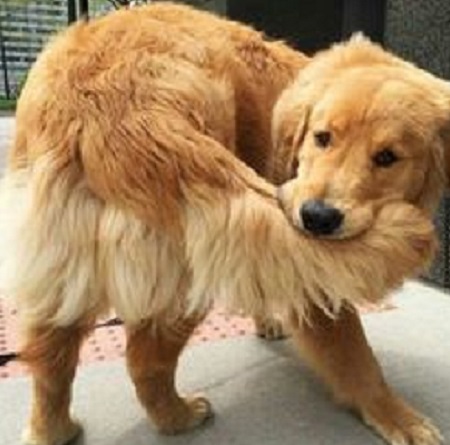
Image Source: www.grrmf.org
Interpreting the Signals: Why Dogs Bite Tails
Dogs cannot talk to us with words. They use their bodies and actions to show us how they feel. When a dog bites, chews, or licks her tail too much, she is telling us something is wrong. This behavior is not just a bad habit. It is often a sign of pain, discomfort, fear, or stress. Getting to the bottom of dog tail biting causes is key.
Some dogs might give a quick nip. Others might chew hard enough to cause harm. This can lead to what vets call dog self-mutilation tail. It is important to look closely at what your dog is doing and when. Is she just dog chewing on tail sometimes, or is it constant? Does she dog tail licking excessively? Does she seem worried before she does it? All these details help figure out the reason.
There are two main groups of reasons why your dog might be biting her tail:
1. Medical Issues: Something is wrong with her body. This could be skin problems, pain, or other health issues.
2. Behavioral Issues: Something is wrong with how she is feeling or acting. This could be fear, boredom, or a learned habit.
Often, a medical problem starts the chewing. Then, it can turn into a behavioral problem or habit. This makes it harder to stop.
Discovering Medical Reasons for Tail Chewing
Many physical problems can make a dog bite or chew her tail. These are common dog tail biting causes. Itching or pain are the most frequent reasons.
Skin Troubles Around the Tail
The skin on a dog’s tail can get irritated easily. This makes it very itchy. If it itches, a dog will try to scratch it. Since they can’t scratch the tip of their tail well, they use their mouth.
Allergic Reactions Causing Tail Itch
- Environmental Allergies: Like people, dogs can be allergic to things in the air. This includes pollen, dust mites, or mold. These allergies often make skin itchy all over. The tail area is a common spot for dogs to show this itchiness. This is a major cause of allergies dog tail problems. Your dog might chew and lick at the base of her tail or further down.
- Food Allergies: Dogs can also be allergic to certain foods. Common food allergies include chicken, beef, dairy, and wheat. These allergies often cause skin issues. The tail area can become red, itchy, and sore. This leads to your dog biting her tail to get relief.
- Flea Allergy Dermatitis: This is a very common allergy. Some dogs are extremely allergic to flea saliva. Even one flea bite can cause intense itching. Fleas love the base of the tail. So, if your dog has fleas dog tail, even a few, it can cause severe itching. This intense itch makes dogs chew and bite their tail area strongly. You might not even see fleas. Just one bite is enough for an allergic dog.
Parasites Living on the Skin
Besides fleas, other tiny bugs can live on a dog’s skin and cause problems.
* Mites: Several types of mites can make a dog’s skin very itchy. Sarcoptic mange mites cause intense itching and hair loss. Cheyletiella mites cause what looks like ‘walking dandruff’. These can affect any part of the body, including the tail.
* Lice: Though less common than fleas or mites, lice can also cause skin irritation and itching.
* Ticks: Ticks usually cause local irritation where they bite. But the discomfort might make a dog chew near where the tick was attached, especially if it’s on the tail.
If your dog is chewing her tail, especially at the base, checking for fleas dog tail and other parasites is one of the first things to do.
Skin Infections
If a dog bites or licks her tail often because it is itchy, she can hurt the skin. This broken skin can easily get infected.
* Bacterial Infections: Bacteria can get into cuts or sore spots. This causes red, painful, infected skin. It can make the tail even itchier and more painful. This leads to a cycle of biting and infection.
* Yeast Infections: Yeast is a type of fungus that lives on skin. If the skin gets damp from licking or is unhealthy due to allergies, yeast can grow too much. This causes itching, redness, and a bad smell. Yeast infections are common in warm, moist areas, including the tail base.
Infections make the tail problem worse. The biting makes the infection worse, and the infection makes the biting worse.
Other Skin Irritations
- Contact Dermatitis: This happens when the skin touches something it doesn’t like. This could be certain plants, chemicals, or soaps. If the dog sits on something or brushes her tail against it, it could cause irritation.
- Hot Spots: These are fast-growing, wet, painful skin infections. They often start from a small scratch or insect bite that the dog licks or chews constantly. The tail is a common place for hot spots. They are very painful and make the dog chew the area hard.
- Cysts or Tumors: Lumps or bumps on the tail can be irritating or painful. A dog might chew or lick the area where the lump is located.
Problems with Anal Glands
This is a very common reason for dogs to chew or lick at their rear end, which includes the base of the tail. Dogs have two small glands near their anus. These glands release a smelly fluid.
* Impaction: Sometimes, these glands do not empty properly. They get full and blocked. This is called dog anal gland issues. It is very uncomfortable and painful for the dog.
* Infection or Abscess: The blocked glands can also get infected. This is even more painful.
* Tumors: In rare cases, tumors can grow in or near the anal glands, causing pain and discomfort.
When dogs have problems with their anal glands, they often do things to try and relieve the pressure or pain. This includes:
* “Scooting” (dragging their bottom on the ground).
* Licking or chewing the area around the anus.
* Biting or chewing at the base of their tail.
If your dog is suddenly biting her tail and also scooting or licking her rear, dog anal gland issues might be the problem. A vet can check and empty the glands if needed.
Pain or Injury to the Tail
A dog might bite her tail because it hurts.
* Injuries: The tail can get hurt in many ways. It can be hit by a door, stepped on, or pulled. Fractures (broken bones) in the tail are painful. Even a small bruise can cause discomfort. If your dog hurt her tail, she might lick or chew near the painful spot.
* Nerve Damage: Sometimes, nerves in the tail can be damaged. This can cause strange feelings like tingling, numbness, or pain. This could make a dog chew the area.
* Arthritis: Older dogs can get arthritis in the bones of their tail or spine near the tail. This pain could lead to chewing.
If the biting started after a known injury or if your dog cries out when she touches her tail, pain is likely the reason.
Nerve Problems
Less common, but possible, are problems with the nerves in the tail or spine.
* Neuropathy: This means the nerves are not working right. It can cause odd sensations or pain.
* Disk Disease: Problems with the cushioning discs in the spine (like IVDD) can press on nerves that go to the tail. This causes pain, tingling, or weakness. A dog might chew at her tail because of these strange feelings.
* “Happy Tail” Syndrome: This isn’t a nerve problem itself, but a wound caused by a dog wagging her tail so hard it hits hard objects. This causes repeated injury, often at the tip, which is painful and slow to heal. Dogs might chew the wound.
Any condition affecting the nerves connected to the tail could potentially cause discomfort that leads to biting.
Interpreting Behavioral Reasons for Tail Chewing
Once medical causes are ruled out by a vet, or sometimes alongside medical causes, behavior plays a big role. Dogs might bite their tail because of how they feel or what they have learned to do.
Feeling Worried or Stressed
Just like people bite their nails when they are nervous, dogs can do things to comfort themselves when they feel anxious. Biting, licking, or chewing can be one of these actions. This is known as dog anxiety tail biting.
* Separation Anxiety: Dogs who get very upset when left alone might chew their tail when their owner is gone. This is a way to cope with the stress.
* Fear-Related Anxiety: Loud noises (thunder, fireworks), new places, or scary experiences can make a dog feel afraid. Some dogs might bite their tail as a way to deal with this fear.
* General Anxiety: Some dogs are just naturally more worried or nervous than others. Small changes or everyday events can cause them stress. Tail biting can become a way to release this built-up tension.
If the biting happens when your dog seems stressed, like during storms or when you leave, dog anxiety tail biting is a likely cause.
Feeling Bored or Needing More Activity
Dogs need things to do. They need to run, play, think, and explore. If a dog does not get enough exercise or mental challenges, she can get bored. Boredom can lead to unwanted behaviors.
* Lack of Exercise: A dog with too much energy and no way to burn it off might use that energy in bad ways. Chewing on things, including their tail, can be one way to pass the time.
* Lack of Mental Stimulation: Dogs need to use their brains. Puzzle toys, training games, or learning new tricks help keep their minds busy. Without this, they can get bored and find their own “fun,” like chasing or chewing their tail.
If your dog seems restless or does not have many toys or activities, boredom might be the reason for dog chewing on tail.
Actions Becoming a Strong Habit
Sometimes, tail biting starts for a medical reason (like an itch), but it continues even after the medical problem is fixed. It has become a habit.
* Learned Behavior: The dog learned that chewing or licking the tail makes them feel better (it stopped the itch or eased anxiety). So, they keep doing it even when the original reason is gone.
* Attention Seeking: If a dog gets attention (even negative attention, like being told “no!”) when she bites her tail, she might do it more often to get noticed.
Breaking a learned habit can be hard. It takes time and effort to teach the dog a new way to act.
Compulsive Disorders
In some cases, tail chasing or biting can become an obsessive tail chasing dog behavior or even dog self-mutilation tail. This is more serious. It can be a sign of a compulsive disorder, similar to OCD in people.
* Compulsive Tail Chasing: A dog might chase her tail again and again, almost like she cannot stop.
* Compulsive Tail Biting/Licking: The dog might lick or bite her tail for long periods, even hurting herself, and seem unable to stop. This is dog self-mutilation tail.
These behaviors are not just boredom. They seem driven by something inside the dog. Certain breeds might be more likely to have these problems. These behaviors often need help from both a vet and a behavior expert.
The Cycle Gets Worse
Think of it like this:
1. Something starts the problem (an itch, pain, or anxiety).
2. The dog licks or bites her tail to feel better.
3. This licking/biting irritates the skin.
4. The irritated skin gets itchy or painful.
5. The dog bites or licks more because the tail hurts or itches more.
6. The skin gets infected.
7. The infection makes it worse.
8. The dog also starts to feel stressed or it becomes a habit.
This cycle makes it harder to treat. It needs to be stopped quickly.
The Importance of a Vet Visit
Seeing your vet is the most important first step when your dog starts biting her tail. You need to find the root cause.
* Vet Exam: The vet will give your dog a full check-up. They will look closely at her tail and the skin. They will also check her anal glands.
* Tests: The vet might need to do tests.
* Skin scraping to look for mites.
* Tests for fleas (flea comb).
* Skin cultures to check for bacterial or yeast infections.
* Blood tests to look for allergies (though these are not always perfect) or other health issues.
* Tests to check for food allergies (like an elimination diet).
* Checking for Pain: The vet will check for any pain or injury in the tail or back.
* Ruling Out Medical Issues: The vet’s goal is to rule out or treat any physical problem causing the biting. You cannot fix a behavioral issue if the tail still hurts or itches.
Do not try to guess the reason yourself. What looks like just a bad habit could be caused by something very painful or itchy.
How to Stop Dog Tail Biting: Finding Solutions
Once you know why your dog is biting her tail (with your vet’s help!), you can start to fix the problem. How to stop dog tail biting depends completely on the cause.
Treating Medical Causes
If the vet finds a medical problem, follow their treatment plan exactly.
* Skin Problems:
* Allergies: Treatment might include special food for food allergies, allergy shots or medicine for environmental allergies, anti-itch medicine, medicated shampoos, or skin creams.
* Parasites: Use proper flea and tick control medicine prescribed by your vet. Treat for mites if found.
* Infections: Give antibiotics for bacterial infections and anti-fungal medicine for yeast infections. Use medicated washes or wipes.
* Anal Gland Issues: The vet will empty the glands. They might show you how to do it or suggest doing it regularly. Sometimes, diet changes (more fiber) or surgery are needed for ongoing issues.
* Pain/Injury: Pain relief medicine, rest, or other treatments specific to the injury are needed.
* Nerve Issues: Treatment depends on the cause and might involve medicine or other therapies.
While the medical problem is being treated, you must prevent your dog from licking or biting the tail. This is key to letting the area heal.
Preventing Chewing While Healing
While the tail heals, you need to protect it.
* E-Collar (Cone): An Elizabethan collar is often the best way to stop your dog from reaching her tail. It might seem mean, but it is necessary for healing.
* Tail Bandages or Protective Gear: Sometimes, the vet can bandage the tail. Special tail protectors or shirts might also help. Make sure the bandage is not too tight and is changed often to prevent infection.
* Bitter Sprays: Some people use bitter sprays on the tail. These can work for some dogs, but many dogs will just lick or chew through them, and they don’t address the root cause. Use these only along with other treatments and after checking with your vet that the spray is safe for the dog’s skin.
Addressing Behavioral Causes
If the vet finds no medical reason, or after treating medical issues, you need to focus on behavior.
More Exercise and Play
- Regular Walks: Make sure your dog gets enough walks every day. How much is enough depends on her breed, age, and health.
- Active Play: Play fetch, frisbee, or other games she enjoys. Tire her out physically in a good way.
Mental Stimulation
- Puzzle Toys: Use toys that make your dog work to get treats out.
- Training: Spend time each day practicing commands or teaching new tricks. This makes her think.
- Scent Games: Hide treats and let her sniff them out.
Managing Anxiety
- Identify Triggers: Figure out what makes your dog feel anxious. Is it being alone? Loud noises?
- Training and Behavior Modification: Work with a certified professional dog trainer or a veterinary behaviorist. They can teach you techniques to help your dog feel safer and less stressed. This might include desensitization (slowly getting her used to scary things) or counter-conditioning (changing how she feels about scary things).
- Calming Aids: Your vet or behaviorist might suggest things like calming treats, diffusers (like Adaptil), calming vests (like ThunderShirt), or even anxiety medication for severe cases of dog anxiety tail biting.
- Routine: A predictable daily routine can help some anxious dogs feel more secure.
Breaking the Habit
If the biting has become a habit, you need to stop her from doing it and give her something else to do instead.
* Interrupt and Redirect: When you see her start to bite her tail, calmly interrupt her. Do not scold harshly, as this can cause anxiety. Instead, redirect her attention. Ask her to do a trick she knows, offer a chew toy, or start a game.
* Make the Tail Less Appealing: Keep the tail clean and healthy. Use protective measures (like a cone or bandage) if needed to physically stop the habit while you work on the underlying cause.
* Positive Reinforcement: Reward your dog when you see her relaxing or doing something else instead of biting her tail. Praise her and give her a small treat for calm behavior.
For Compulsive Behaviors
If your dog has obsessive tail chasing dog behavior or dog self-mutilation tail, this is serious and needs expert help.
* Veterinary Behaviorist: These are vets who specialize in behavior problems. They can figure out if it is a true compulsion and create a treatment plan.
* Medication: Often, medication is needed to help manage compulsive disorders. This is given along with behavior change plans.
* Behavior Modification: A behaviorist will teach you ways to manage and lessen the compulsive actions.
Environmental Changes
Making changes to your home can help reduce stress and boredom.
* Safe Space: Create a quiet, safe space where your dog can go to feel secure.
* Plenty of Toys: Make sure she has a variety of toys, especially ones she can chew safely. Rotate toys to keep them interesting.
* Manage Stressors: If possible, try to reduce things that make your dog anxious.
Diet and Supplements
- Allergy Diet: If food allergies are suspected, a strict elimination diet trial is needed. This means feeding a special limited-ingredient or hydrolyzed protein food for several weeks to see if symptoms improve.
- Fatty Acids: Omega-3 fatty acids can help improve skin health and reduce inflammation caused by allergies.
- Supplements for Anxiety: Some supplements, like L-theanine or alpha-casozepine, may help with mild anxiety, but check with your vet first.
Knowing When to Worry
Some tail licking is normal. Dogs groom themselves. They might give their tail a quick lick now and then.
However, dog tail licking excessively or dog chewing on tail is not normal.
Here are signs that the tail biting/licking is a problem:
* It happens very often or for long periods.
* The dog seems focused or upset while doing it.
* The skin on the tail looks red, raw, sore, bleeding, or infected.
* There is hair loss on the tail.
* The dog cries out when you touch her tail.
* The dog is also scooting or licking her rear end a lot.
* The behavior seems compulsive (she cannot stop, even when called).
* She is hurting herself (dog self-mutilation tail).
If you see any of these signs, get help from your vet right away.
Preventing Future Tail Chewing
Once the current issue is resolved, you can take steps to help prevent it from coming back.
* Regular Vet Check-ups: Keep up with yearly (or more frequent) vet visits. This helps catch problems early.
* Parasite Prevention: Use flea, tick, and parasite prevention year-round, as recommended by your vet.
* Skin Care: If your dog has known allergies, stick to the management plan (special food, medicine). Use vet-approved shampoos if needed.
* Proper Grooming: Keep your dog’s coat clean and brushed. Check her tail regularly for any sores, bumps, or parasites.
* Anal Gland Care: If your dog has a history of anal gland issues, have them checked regularly by your vet or groomer.
* Provide Enough Exercise and Mental Fun: Make sure your dog is getting enough physical activity and things to challenge her mind every day.
* Manage Stress: Learn your dog’s stress signs and work to reduce anxiety triggers in her life.
* Watch for Early Signs: Pay attention to any increased licking or chewing. The sooner you catch it, the easier it is to treat.
Stopping the chew requires finding out why your dog is doing it. It takes patience and often help from your vet and possibly a behavior expert. But with the right steps, you can help your dog stop hurting herself and feel more comfortable and happy.
Frequently Asked Questions
H5 Is Some Tail Chasing Normal?
A puppy or young dog might chase her tail sometimes as a game. It is often just play. But if she does it a lot, seems unable to stop, gets upset, or starts biting hard, it could be turning into an obsessive tail chasing dog behavior. This needs attention.
H5 Can I Put Something on My Dog’s Tail to Stop Biting?
You can use bitter sprays made for dogs, but only after talking to your vet. They can help make the tail taste bad, but they do not fix the reason why the dog is biting. If she is in pain or very anxious, a spray might not stop her, or she might find another spot to chew. It is much better to treat the cause and use a physical barrier like a cone if needed.
H5 How Long Does It Take to Stop Tail Biting?
It depends on the cause. If it is a simple skin irritation treated quickly, it might stop in a week or two as it heals. If it is due to allergies, it might take longer to find the right treatment, and it could be a problem your dog has for life, needing ongoing care. Behavioral issues, especially anxiety or compulsive problems, can take weeks or months of training and management. You must be patient.
H5 Will My Dog Grow Her Hair Back on Her Tail?
In most cases, yes. If the skin heals and the dog stops biting the tail, the hair should grow back. How fast depends on how badly the skin was hurt and the dog’s overall health. Severe, long-term damage or scarring might cause some areas of hair loss that do not fully recover.
H5 Should I Scold My Dog for Biting Her Tail?
No, scolding is usually not helpful and can make things worse. If the biting is due to fear or anxiety (dog anxiety tail biting), scolding will just make her more scared or worried. If it is due to pain or itch, she cannot help it. Scolding doesn’t teach her why she is doing it or how to stop. It is better to calmly interrupt and redirect her, then work on finding and treating the real cause.
H5 Can Diet Help with Tail Biting?
Yes, if the tail biting is caused by food allergies, feeding a special diet can make a big difference. For other causes, like boredom or anxiety, diet is less likely to be the main fix, but good nutrition is always important for overall health. Some vets might suggest supplements like omega-3 fatty acids for skin health.
H5 What If It Looks Like My Dog Is Just Playing with Her Tail?
Watch closely. If it is just a few quick playful swats or gentle nips, especially in a puppy, it might be normal play. But if it lasts a long time, becomes more intense, leads to sore skin, or seems like she has to do it, it is likely more than just play and could be a sign of a medical or behavioral issue.
Final Thoughts: Stopping the Chew
Seeing your dog bite her tail can be worrying. But remember, it is a signal. She is telling you something is not right. It could be a simple itch from a flea, a painful anal gland issue, or a sign she is feeling very worried or bored.
The first step is always to visit your vet. They are the best ones to figure out the dog tail biting causes. They can check for medical problems like fleas dog tail, allergies dog tail, dog anal gland issues, or pain.
Once medical issues are dealt with, or if the vet finds none, you can look at behavioral reasons like dog anxiety tail biting, boredom, or obsessive tail chasing dog habits. How to stop dog tail biting will then involve treating the medical issue, managing pain or itch, providing more exercise and mental fun, reducing stress, or working with a behavior expert for compulsive behaviors or severe anxiety.
Be patient and kind with your dog. She is not biting her tail to be naughty. She is doing it because she is uncomfortable or distressed. With the right help and care, you can help her stop the chew and live a happier, more comfortable life.