
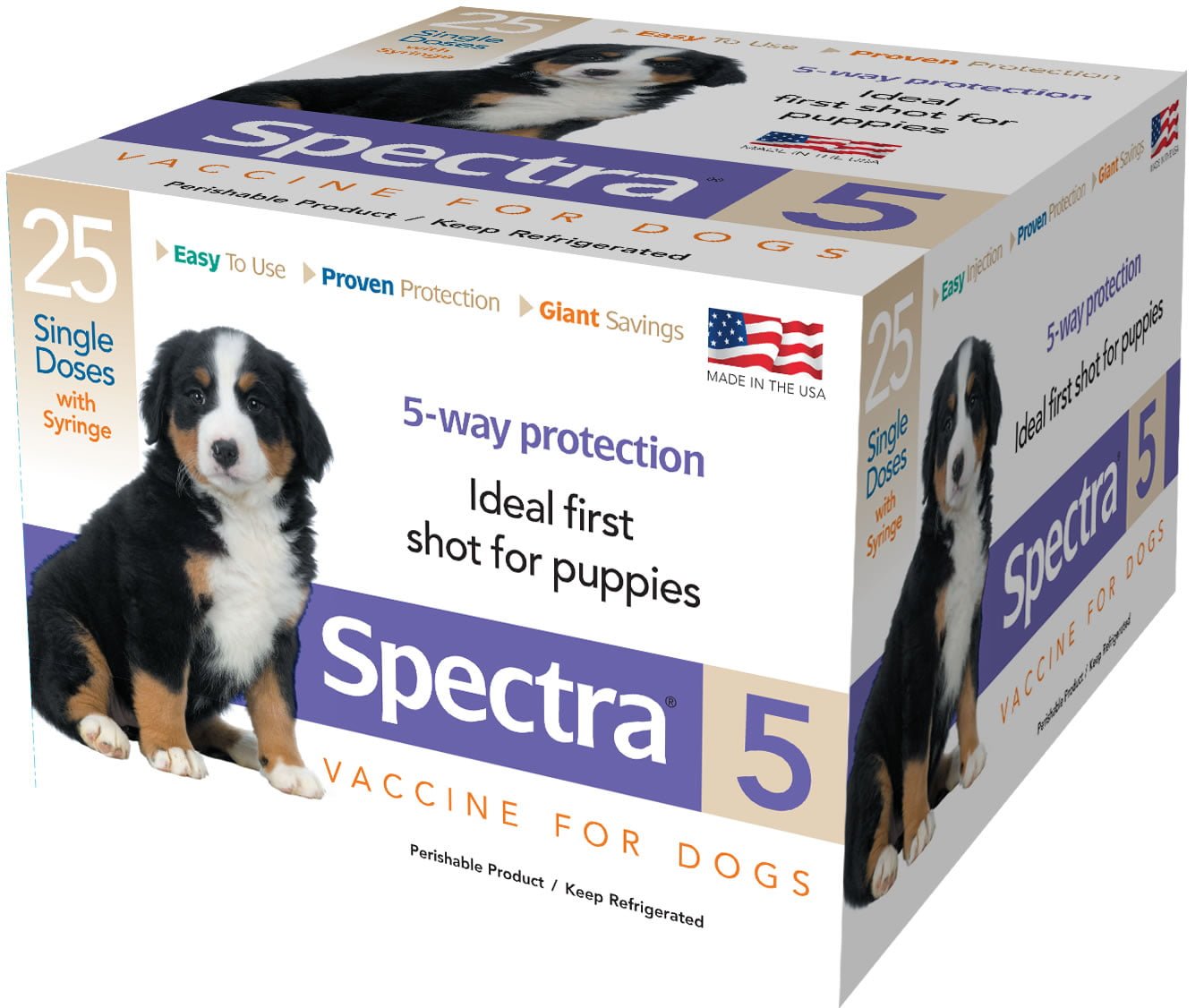
Image Source: www.durvet.com
Protect Your Dog with Canine Spectra 5 Dog Vaccine
What is Canine Spectra 5? It’s a vaccine that helps protect dogs from five serious diseases. Can I give my dog this vaccine? It’s best given by a vet or under a vet’s guidance. Who is this vaccine for? It’s mainly for puppies and adult dogs as part of their needed shots. It helps keep them safe and healthy from some very bad sicknesses they can catch. Getting your dog vaccinated is a big part of being a good pet parent. It’s like giving them a shield against common and dangerous germs they might meet.
Learning About Canine Spectra 5
Canine Spectra 5 is a well-known vaccine. It is given to dogs to protect them from several common and dangerous diseases. This vaccine is one type of the shots your dog might get. It is often part of a set of shots called core dog vaccinations. These are the shots most vets say all dogs should get.
The Spectra 5 vaccine is a modified live virus vaccine. This means it uses weakened forms of the viruses that cause the diseases. These weakened viruses cannot make your dog sick. Instead, they help your dog’s body learn how to fight off the real, strong viruses. It’s like a training exercise for your dog’s defense system. When your dog gets the vaccine, their body sees these weakened viruses. Their body then makes special fighters, called antibodies. These antibodies remember how to fight the viruses. If your dog later meets the real, strong viruses, their body is ready. The antibodies quickly attack the viruses and stop your dog from getting sick or make the sickness much less bad.
This vaccine gives protection against five different diseases. These five diseases are:
* Canine Distemper
* Canine Adenovirus Type 2 (which helps protect against two types of Adenovirus)
* Canine Parainfluenza
* Canine Parvovirus
Often, a vaccine covering these diseases is called a DA2PP vaccine for dogs. This is because the letters stand for the first letters of the diseases it protects against: Distemper (D), Adenovirus Type 2 (A2), Parainfluenza (P), and Parvovirus (P). So, when people talk about a DA2PP shot, they are often talking about a vaccine like Canine Spectra 5. It is a very important shot for your dog’s health.
Comprehending the Diseases Spectra 5 Guards Against
Knowing about the diseases helps you see why the vaccine is so important. These diseases are serious. They can make dogs very sick. Some can even cause death, especially in young puppies.
Canine Distemper
This is a very bad viral disease. It affects many parts of a dog’s body. It can hurt their lungs, stomach, and brain.
* How dogs catch it: Dogs can catch it from being near sick dogs. It spreads through air, like coughs or sneezes. It can also spread through pee or poop.
* Signs of sickness: Early signs are fever, runny nose, and runny eyes. Later, dogs might cough, throw up, and have diarrhea. They might also seem tired and not want to eat. In bad cases, it can cause fits, shaking, and not being able to walk well. These brain problems can last even if the dog gets better.
* Why it is dangerous: There is no cure for the virus itself. Vets can only try to help the dog feel better and fight the sickness. Many dogs, especially puppies, die from distemper. Dogs who live might have lasting brain damage.
Canine Adenovirus Type 2
This virus is one of two types of Adenovirus that can affect dogs. The Canine Spectra 5 vaccine protects against Type 2. This helps protect against both Adenovirus Type 1 and Type 2.
* How dogs catch it: It spreads through pee, poop, or spit from sick dogs.
* Signs of sickness:
* Type 1: Causes a disease called Infectious Canine Hepatitis. This is a very serious liver disease. Signs include fever, not eating, throwing up, diarrhea, and pain in the belly. Sometimes dogs have blue cloudy eyes (called “hepatitis blue eye”). It can cause sudden death, especially in puppies.
* Type 2: Causes a cough and can be part of kennel cough. Signs include a harsh, dry cough, gagging, and sometimes a runny nose. While often less deadly than Type 1, it can still make dogs very sick, especially puppies or dogs with other health problems. It can also lead to pneumonia.
* Why protection is needed: The vaccine for Type 2 helps prevent the serious liver disease (Type 1) and also helps stop the spread of kennel cough (Type 2). It’s a key part of keeping a dog healthy in places with many dogs.
Canine Parainfluenza
This is a virus that causes breathing problems. It is another common cause of kennel cough.
* How dogs catch it: It spreads easily between dogs through the air, coughing, or sneezing. It is common in places where dogs are close together, like kennels, dog parks, or training classes.
* Signs of sickness: The main sign is a dry, hacking cough. Dogs might also have a runny nose and mild fever. Usually, dogs get over it in a few weeks.
* Why protection is needed: While usually not deadly, parainfluenza can make a dog feel very bad. It can also open the door for other sicknesses, like pneumonia. The vaccine helps lower the chances of a dog getting kennel cough from this virus.
Canine Parvovirus
This is a highly contagious and very dangerous virus. It attacks the fast-growing cells in a dog’s body. This means it hurts their stomach lining and their immune system.
* How dogs catch it: It spreads through the poop of sick dogs. The virus is very tough and can live in the environment for a long time. Dogs can pick it up from touching infected ground, things, or other dogs. It spreads very easily.
* Signs of sickness: Signs start fast. Dogs become very tired, throw up a lot, and have severe, bloody diarrhea. They usually don’t want to eat. Puppies can also have heart problems from it. The severe throwing up and diarrhea cause dogs to lose too much water (dehydration). This is very dangerous.
* Why it is dangerous: Parvovirus is often deadly, especially for puppies who have not had their full shots. There is no cure for the virus. Vets give care to help the dog’s body fight it, like giving fluids and medicines to stop throwing up. It is a very painful and hard sickness for dogs. Preventing it with a vaccine is much better than trying to treat it.
These five diseases show why a vaccine like Canine Spectra 5 is so vital. It helps shield dogs from these very real and serious threats. It’s a key step in giving your dog a long, healthy life.
Planning Your Dog’s Shots: The Schedule
Vaccines work best when given at the right times. This is called a dog vaccination schedule or for young dogs, a puppy vaccine series. Puppies need a set of shots because the protection they get from their mother’s milk goes away over time. The timing of the shots helps make sure they build their own strong protection.
Puppy Vaccination Shots
Puppies need several shots over a few months. This is their main puppy vaccine series. The first shots are given when they are young. Then, they get more shots every few weeks. This helps their body learn to fight the viruses.
* Why multiple shots are needed: When puppies are very young, they get protection from their mother’s milk (maternal antibodies). These antibodies can stop vaccines from working well. As the puppy grows, these maternal antibodies go away. The series of shots makes sure the puppy gets protection at the right time, after the mother’s protection is gone. Each shot in the series boosts their defense.
* Typical Schedule (for DA2PP like Spectra 5): Vets usually start the DA2PP shots around 6-8 weeks old. Then, the puppy gets repeat shots every 3-4 weeks. This often continues until they are about 16 weeks old. So, a puppy might get 3 or 4 shots of the DA2PP vaccine.
* Importance of finishing the series: It is very important that a puppy gets all the shots in the series. A puppy is not fully protected until they finish the whole set. Stopping the shots early leaves the puppy at high risk of catching these bad diseases.
Here is a basic example of a puppy shot schedule for the DA2PP vaccine:
| Puppy Age | Action | Notes |
|---|---|---|
| 6-8 weeks old | First DA2PP shot | Start of the puppy vaccine series |
| 10-12 weeks old | Second DA2PP shot | Repeat shot to boost defense |
| 14-16 weeks old | Third DA2PP shot | Final shot in the main puppy series |
| Around 1 year old | First yearly booster (or follow vet plan) | Keeps protection strong |
(Note: This is a general guide. Your vet might change the timing based on your puppy’s health, breed, and where you live. Always follow your vet’s specific dog vaccination schedule).
Adult Dog Vaccination Schedule
After finishing their puppy series, adult dogs still need shots. These are called booster shots. They help keep the protection strong over the dog’s life.
* First Booster: Usually, the first booster for the DA2PP vaccine is given about one year after the last puppy shot.
* Later Boosters: After the one-year booster, vets often recommend the DA2PP booster every three years. However, some vets might suggest yearly boosters for some dogs. It depends on the dog’s health, age, and how much risk they have of catching diseases.
* Why boosters are needed: Protection from vaccines can lower over time. Booster shots remind the dog’s body how to fight the viruses. This keeps their defense system ready.
Your vet will create a specific dog vaccination schedule for your adult dog. This will include the DA2PP booster and other important shots. Following this plan is key to keeping your dog safe.
Interpreting Different Dog Vaccine Types
Canine Spectra 5 is just one kind of vaccine. There are different dog vaccine types. They work in slightly different ways to protect dogs.
* Core Dog Vaccinations: These are shots that most vets agree all dogs should get. They protect against diseases that are found everywhere, can be very serious, and can be spread easily. The DA2PP vaccine (like Spectra 5, covering Canine Distemper Parvovirus, Adenovirus, and Parainfluenza) is a core vaccine. Rabies is also a core vaccine.
* Non-Core Vaccinations: These are given based on a dog’s risk. If your dog spends time in kennels, goes to dog parks, or lives in certain areas, they might need these. Examples include vaccines for Bordetella (another cause of kennel cough), Leptospirosis, and Lyme disease. Your vet will help you decide if your dog needs these.
* Types of Vaccines Based on How They Are Made:
* Modified Live Virus Vaccine: Like Canine Spectra 5. Uses weakened forms of the actual viruses. They usually give strong, long-lasting protection after the right series.
* Killed Virus Vaccine: Uses viruses that have been killed. They cannot cause sickness. They are safe but might not give as strong or as long-lasting protection as modified live vaccines. They often need more boosters.
* Recombinant Vaccine: Uses only a small part of the virus to make the body learn to fight. These are very safe but can be more costly.
Canine Spectra 5 falls into the core vaccine group and is a modified live virus vaccine. This type of vaccine is widely used and known to be effective when given correctly as part of a full puppy vaccine series or adult dog vaccination schedule.
Fathoming How Spectra 5 Works in Your Dog
When your dog gets the Canine Spectra 5 shot, a small amount of the weakened viruses goes into their body. These viruses are not strong enough to cause the full disease in a healthy dog. What happens next is amazing.
1. Meet and Greet: The dog’s immune system finds these weakened viruses. It sees them as things that shouldn’t be there.
2. Learning the Enemy: Immune cells study the viruses. They learn what they look like.
3. Making the Fighters: The immune system starts making special tools called antibodies. Antibodies are like tiny defense missiles made just to find and stick to these specific viruses. They also create special memory cells.
4. Building Memory: The first shot starts this process. The following shots in the puppy vaccine series or the booster shots make this defense stronger and build up the memory cells. It’s like practice drills for the immune system.
5. Ready for Battle: After the full puppy vaccine series (or booster), the dog’s body has a lot of antibodies and memory cells ready. If the dog is later exposed to the strong, real Canine Distemper Parvovirus, Canine Adenovirus Type 2, or Canine Parainfluenza, the memory cells quickly tell the body to make tons of antibodies fast. These antibodies grab onto the real viruses and stop them from spreading and causing sickness.
This process is why the dog vaccination schedule is so important. It gives the body enough time and chances to build a strong defense. A puppy needs the series to go from having little defense to being well-protected. An adult dog needs boosters to keep their defenses sharp. The DA2PP vaccine for dogs, like Spectra 5, uses this clever way of working with the body’s natural defenses.
Valuing the Benefits of Spectra 5
Giving your dog the Canine Spectra 5 vaccine offers many good things.
* Strong Protection: It gives protection against some of the most common and serious dog diseases. These include deadly ones like Canine Distemper Parvovirus.
* Prevents Suffering: Avoiding these diseases means your dog won’t have to go through the pain and sickness they cause.
* Saves Money: Treating these diseases is often very expensive. Giving vaccines is much cheaper than paying for days or weeks of vet care for a very sick dog.
* Protects Other Dogs: When your dog is vaccinated, they are less likely to catch these diseases and less likely to spread them to other dogs. This is very important for puppies who are too young for their full shots or dogs with weak immune systems.
* Peace of Mind: Knowing you have taken this step to protect your dog gives you less to worry about.
* Meets Requirements: Many kennels, doggy daycare centers, and training classes require dogs to be up-to-date on their core dog vaccinations, including the DA2PP.
Using a vaccine like Spectra 5 as part of your dog’s regular health care is a major way to keep them healthy, happy, and safe for many years. It’s an act of care that has big rewards.
Weighing Possible Side Effects
Like any medicine or vaccine, Canine Spectra 5 can sometimes cause side effects. Most of the time, these are mild and do not last long.
* Common Mild Effects:
* Pain or swelling where the shot was given.
* Feeling tired or less active for a day or two.
* Mild fever.
* Not wanting to eat as much.
* Mild swelling of the face or hives (less common).
These signs usually go away on their own.
* Less Common, More Serious Effects: Very rarely, a dog can have a more serious reaction. This can include:
* Trouble breathing.
* Collapse.
* Severe vomiting or diarrhea.
These are signs of an allergic reaction and need help from a vet right away. This is why it’s often a good idea to stay at the vet clinic for 15-30 minutes after your dog gets a shot, just in case.
The chance of a serious reaction is very, very low. The risk of your dog catching one of the bad diseases the vaccine prevents is much higher and more dangerous. Most vets and pet owners agree that the benefits of getting the vaccine are much greater than the small risk of side effects. If you are worried, talk to your vet. They can tell you what to watch for and when to call them. They know your dog’s health history and can give the best advice.
Determining Who Needs Spectra 5
Generally, Canine Spectra 5 or a similar DA2PP vaccine is needed for most dogs.
* Puppies: All puppies need a puppy vaccine series starting around 6-8 weeks old. The DA2PP vaccine is a core part of these first shots. They need the full series to build protection.
* Adult Dogs: Most adult dogs need booster shots for the DA2PP vaccine. The timing depends on the type of vaccine used and your vet’s plan, often every one or three years after the first yearly booster.
* Older Dogs: Even older dogs can benefit from boosters. However, your vet will look at your older dog’s health. Sometimes, for very old or sick dogs, vets might change the vaccine plan.
* Inside-Only Dogs: Even dogs who stay inside can get these diseases. Viruses can be brought into the home on shoes, clothes, or other things. It’s still important for inside dogs to get core dog vaccinations.
Talk with your vet about your dog’s age, health, lifestyle, and where you live. They will help you figure out the best dog vaccination schedule for your specific dog, making sure they get the right dog vaccine types like the DA2PP vaccine for dogs.
Guiding You Through Vaccine Shots
Giving a vaccine shot is a simple process done by a vet or a trained vet tech.
1. Health Check: Before giving the shot, the vet will usually give your dog a quick check-up. They make sure your dog seems healthy enough to get the vaccine that day. They might ask if your dog has been sick or acting strange.
2. Giving the Shot: The vaccine is a liquid. It is put into a syringe. The vet or tech will gently hold your dog and give the shot under the skin (usually on the side or back). It’s a quick poke.
3. After the Shot: Your dog might feel a little pinch or sting. Most dogs are fine right away. Some might feel a bit tired or sore later.
4. Paperwork: The vet clinic will record that your dog got the shot. They will give you a paper showing the date and type of vaccine. This is important to keep for your records.
5. Next Steps: The vet will tell you when the next shot is needed. This is key for the puppy vaccine series or for adult booster shots. Make sure you know the date for the next visit.
It’s important to go to a vet clinic for your dog’s shots. They use safe vaccines, store them the right way, and know how to give them correctly. They can also help if your dog has a reaction. While some places sell vaccines for owners to give, it is much safer and better for your dog’s health to have a vet handle it. Plus, most official places like kennels or dog parks need proof of vaccination from a vet.
Examining Common Beliefs About Dog Shots
There are some ideas about dog vaccines that are not quite right. Let’s look at a few.
* Belief: Vaccines make dogs very sick. Reality: Most dogs have no side effects or only mild ones like being a bit tired. Serious reactions are very rare. The sickness the vaccine prevents is much worse.
* Belief: Inside dogs don’t need shots. Reality: Viruses can come inside your home. It’s safer for all dogs to get core dog vaccinations.
* Belief: Puppies only need one shot to be protected. Reality: Puppies need a puppy vaccine series of shots. One shot is not enough to give full, lasting protection. Skipping shots leaves them open to sickness.
* Belief: Adult dogs don’t need boosters after the puppy shots. Reality: Protection fades over time. Adult dogs need booster shots based on their dog vaccination schedule to keep their defense strong.
* Belief: All dog vaccines are the same. Reality: There are different dog vaccine types for different diseases. The DA2PP vaccine (like Spectra 5) covers some key diseases, but dogs might need other shots too, like Rabies.
Talking to your vet is the best way to get the right information about vaccines and your dog’s health needs.
Summarizing the Importance
Protecting your dog from sickness is a main job for any pet owner. Vaccines like Canine Spectra 5 are powerful tools to do this. By giving your dog the needed shots at the right times, you are helping them fight off dangerous viruses like Canine Distemper Parvovirus, Canine Adenovirus Type 2, and Canine Parainfluenza. Following the recommended dog vaccination schedule, including the puppy vaccine series for young dogs, is vital. The DA2PP vaccine for dogs, often a modified live virus vaccine, is a key part of core dog vaccinations. It helps your dog’s body build the defense needed to stay healthy. Talk to your vet today about Canine Spectra 5 and make sure your dog is protected. It’s one of the best things you can do for their long, happy life.
Frequently Asked Questions (FAQ)
Q: What is the difference between Canine Spectra 5 and a DA2PP shot?
A: Canine Spectra 5 is a brand name for a vaccine that covers the diseases in a DA2PP shot: Distemper (D), Adenovirus Type 2 (A2), Parainfluenza (P), and Parvovirus (P). So, they cover the same set of diseases. Spectra 5 is one type of DA2PP vaccine for dogs.
Q: Can I give my puppy the Canine Spectra 5 shot myself?
A: While some places sell vaccines to the public, it is strongly advised to have your vet give the shots. Vets know how to give the shot safely, store the vaccine correctly, make sure your dog is healthy enough for the shot, and handle any rare side effects. They also provide the official proof of vaccination.
Q: How many Canine Spectra 5 shots does a puppy need?
A: A puppy usually needs a puppy vaccine series of 3 to 4 shots of the DA2PP vaccine (like Spectra 5). These are given every 3-4 weeks, starting around 6-8 weeks of age and finishing around 16 weeks old. This series is needed for the puppy to build full protection.
Q: When does an adult dog need a booster shot for Canine Spectra 5?
A: After the puppy series, an adult dog usually needs a booster shot about one year after the last puppy shot. After that, booster shots are often recommended every three years, though your vet might suggest yearly shots depending on your dog and local risks. Follow your vet’s dog vaccination schedule.
Q: What if my dog misses a shot in the puppy series?
A: If your puppy misses a shot, call your vet right away. They will tell you the best time to give the next shot. Missing shots can leave your puppy unprotected. It’s important to get back on the puppy vaccination shots schedule as soon as possible.
Q: Are there side effects from Canine Spectra 5?
A: Most dogs have no side effects or only mild, short-term ones like being tired or sore where the shot was given. Serious reactions are very rare. If you see signs like trouble breathing or severe swelling, get vet help right away.
Q: Does Canine Spectra 5 protect against all dog diseases?
A: No, Canine Spectra 5 protects against five specific diseases (Canine Distemper Parvovirus, Canine Adenovirus Type 2, Canine Parainfluenza). Dogs need other core dog vaccinations like Rabies, and possibly non-core vaccines based on their lifestyle. Your vet will help you create a full dog vaccination schedule covering all needed dog vaccine types.