
Solved: How To Get Dog Smell Out Of Hardwood Floors Easily
The best product for dog smell on hardwood floors is an enzymatic cleaner. Yes, you can deep clean pet odor hardwood floors yourself. To remove urine stains from wood floors, act fast. Clean the area right away. Then, use specific products made for pet stains on wood. Pet urine odor hardwood floors are a common problem. But you can fix it. This guide shows you how to remove that stubborn smell.
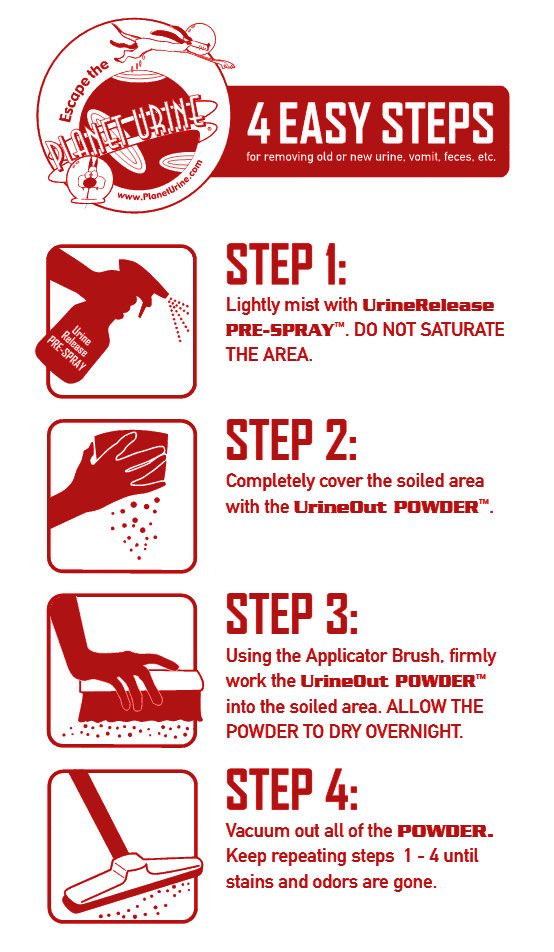
Image Source: www.planeturine.com
Conquering Dog Odor on Hardwood Floors
Dog urine can make your home smell bad. This is extra true for hardwood floors. Urine soaks into the wood. It leaves a bad smell. But don’t worry. You can get rid of it. This guide gives you easy steps. It covers simple cleaning. It also shows you how to handle tough smells.
Grasping the Challenge: Why Dog Urine Smells So Bad
Why does dog pee smell so strong? It is more than just water. Dog urine has urea. It has uric acid. It also has ammonia. These things break down over time. Bacteria on the floor also play a part. This process makes the smell worse.
Wood floors are like sponges. They soak up the liquid. They also soak up the smell. The urine goes deep into the wood. It can even go into the subfloor. This makes the smell hard to remove. The uric acid forms crystals. These crystals stick to the wood. They release a bad smell. They do this especially in humid weather. This is why you need special cleaners. They must break down these crystals.
Immediate Action: First Steps After a Pet Accident
Time is key. Act fast after your dog has an accident. Quick action can stop a bad smell. It can also prevent deep stains.
What to do right away:
- Blot, Don’t Rub: Get paper towels. Or use a clean cloth. Press it firmly onto the wet spot. Do not rub. Rubbing can spread the urine. It pushes it deeper into the wood. Keep blotting until the spot is dry. Use many paper towels if needed.
- Clean the Surface: Mix a little mild dish soap with warm water. Make a light soapy water mix. Dampen a cloth with this mix. Gently wipe the spot. Do not soak the wood. Too much water can harm wood.
- Rinse Lightly: Get a clean cloth. Dampen it with plain water. Wipe the area again. This removes any soap left behind.
- Dry Fully: Use a dry cloth. Or use more paper towels. Dry the area completely. You can also use a fan. Air out the room. This helps it dry faster.
This first step is important for dog pee smell wood floor removal. It helps stop the smell before it sets.
The Power of Enzymatic Cleaners for Wood Floors
When it comes to pet urine odor hardwood floors, enzymatic cleaners are your best friend. These are not like regular cleaners. They use good bacteria. They use enzymes. These tiny helpers eat the bad stuff. They break down the uric acid crystals. They also destroy the odor-causing bacteria. This gets rid of the smell for good. Regular cleaners just cover the smell. They don’t remove it.
Why an enzymatic cleaner for wood floors works:
- Breaks Down Urine: The enzymes target the parts of urine that smell. They break them into tiny pieces. These pieces no longer smell.
- Removes Stains: Many enzymatic cleaners also help with
urine stain removal wood floors. They lift the stain from the wood. - Safe for Wood: Most are safe for sealed wood floors. Always check the label first. Do a small test spot.
- Gets Rid of the Root Cause: This is key. It removes the source of the smell. It does not just cover it up.
How to use an enzymatic cleaner:
- Clean First: Blot up all wet urine. Clean the spot as much as you can. Use mild soap and water.
- Read Directions: Each product is different. Read the bottle carefully. Follow the steps exactly.
- Soak the Area: Pour enough cleaner on the spot. Make sure it soaks into the wood. It needs to reach where the urine went. If the urine soaked deep, the cleaner needs to soak deep too.
- Let it Sit: Let the cleaner sit for a long time. This is important. Some products need hours. Some need a day. The enzymes need time to work.
- Keep it Wet: Do not let the cleaner dry too fast. You can cover the spot with plastic wrap. This keeps it wet. It lets the enzymes do their job.
- Blot and Dry: After the time is up, blot up the extra cleaner. Let the area air dry. You may need to repeat this. Repeat if the smell is still there.
This process is vital for dog pee smell wood floor removal. It attacks the odor at its source.
Deep Cleaning for Set-In Odors
Sometimes, the urine has been there a long time. Or it soaked very deep. Then you need to deep clean pet odor hardwood. This is more than a quick wipe. It needs more work. The goal is to get the enzymatic cleaner for wood floors down deep. It must reach all the urine.
Steps for Deep Cleaning:
- Find All Spots: Use a UV blacklight. Turn off all the lights. Shine the blacklight on your floor. Old urine glows. It will show you all the bad spots. Even ones you can’t see. Mark these spots.
- Clean Surface Well: Clean the floor as before. Use mild soap and water. Dry it fully.
- Apply Enzymatic Cleaner: Use a lot of cleaner. Pour it on the stained areas. Make sure it goes over the edges. Urine spreads. It can go wider than you think.
- Allow Long Soak Time: Let the cleaner sit for a long time. Longer than the label says if needed. Some people let it sit for 24 hours. Keep the area wet. Cover it with plastic. Tape the edges down.
- Gentle Agitation (Optional): For very tough spots, you can gently scrub. Use a soft brush. Or a soft sponge. This helps the cleaner get into the wood. Do not scrub hard. This can scratch the wood.
- Extract the Liquid: After soaking, remove the liquid. Use a wet/dry shop vacuum. This is better than blotting. It pulls the cleaner and urine out. It pulls it from deep in the wood. This is very important. If you don’t have one, blot very well. Use many clean towels.
- Rinse and Dry: Lightly rinse the area with plain water. Use a damp cloth. Do not soak. Then dry the area fully. Use a fan. Or open windows.
- Repeat if Needed: You may need to do this a few times. Do it for very strong smells. The smell should lessen each time.
Dealing with urine stain removal wood floors during deep cleaning:
Dark stains often mean deep urine. Enzymatic cleaners can help lift these stains. But some stains may be too old. They may have damaged the wood. In these cases, you might need to sand. Or you might need to refinish the area. We will talk about this later. But for many stains, the deep enzymatic clean works.
Natural Remedies: Are They Enough?
Many people ask about natural remedies dog smell wood. These often use things like vinegar, baking soda, or hydrogen peroxide. They can help with fresh, mild odors. But they are often not enough for old, strong smells. They don’t break down the uric acid crystals. Enzymatic cleaners do this.
Common Natural Remedies:
- Vinegar and Water: Mix white vinegar with water. Use a 1:1 ratio. Spray it on the spot. Let it sit for 10-15 minutes. Then wipe clean. Vinegar helps with some odors. It can kill some bacteria. But it will not break down uric acid. Be careful. Vinegar is acidic. Too much can dull wood finishes.
- Baking Soda: Sprinkle baking soda on the dry spot. Let it sit overnight. It helps absorb some smells. Then vacuum it up. This is best as a quick fix. Or to help with very mild, fresh smells. It does not get rid of the source of the smell.
- Hydrogen Peroxide: For very dark stains, some use hydrogen peroxide. Mix 3% hydrogen peroxide with water (1:1). Apply with a cloth. Be very careful. Test in a hidden spot first. Peroxide can lighten wood. It can remove finish. Only use this as a last resort for stains. It is not for odor removal.
When natural remedies dog smell wood fall short:
Natural methods are good for minor, fresh accidents. They might make a small dent in the smell. But they cannot handle deep, old pet urine odor hardwood floors. The uric acid crystals stay in the wood. They will keep smelling. For real dog pee smell wood floor removal, you need enzymes.
| Cleaning Method | Pros | Cons | Best For |
|---|---|---|---|
| Enzymatic Cleaner | Removes odor at source, safe for wood | Needs long soak time, multiple uses possible | Deep-set odors, old stains, complete removal |
| Vinegar & Water | Inexpensive, natural, readily available | Can dull finish, not for deep odors/stains | Fresh, mild accidents |
| Baking Soda | Absorbs some surface odors, inexpensive | Not for deep odors, temporary effect | Mild surface smells, quick deodorizing |
| Hydrogen Peroxide | Can lighten dark stains | Can bleach wood, damage finish, not for odor | Very dark, stubborn stains (last resort) |
Specialized Products: Beyond the Basics
Sometimes, even after much cleaning, a faint smell remains. Or you want extra protection. This is where hardwood floor odor neutralizer products come in. These are not cleaners. They trap or cover remaining smells.
- Odor Encapsulants: These products “lock in” odors. They create a seal. This seal stops the smell from escaping. They are good for a final step. They are often used before refinishing floors. They are not cleaners. They don’t remove the urine. They just stop the smell.
- Urine Barrier Primers: Some primers are made to block pet odors. You would use these before painting or sealing wood. They act as a barrier. They stop the smell from coming through.
- Deodorizing Sprays (Temporary): Some sprays smell good. They cover bad smells. These are not
best product for dog smell on hardwoodfor removal. They are only for a quick fix. The smell will come back. They do not get rid of the source.
When picking the best product for dog smell on hardwood, always start with an enzymatic cleaner. Then, if needed, add an odor neutralizer. This is for the best results.
Repairing and Protecting Your Hardwood
Old urine stains can damage wood. They can make it dark. They can lift the finish. In some cases, cleaning is not enough. You might need to repair the floor. And you will want to protect it.
Addressing Damaged Wood:
- Sanding: For dark, deep stains, sanding might be needed. This removes the top layer of wood. It removes the stain and smell. This is a big job. It often needs a professional.
- Board Replacement: If the damage is very bad, some boards might need replacing. This is for extreme cases. Like if the urine soaked through the wood.
- Refinishing: After sanding or replacement, the floor needs a new finish. This makes the floor look new again. It also protects it.
Sealing wood floors against pet odor:
Once the odor is gone (or mostly gone), seal your floors. This is a smart step. It adds a barrier. This barrier helps stop new urine from soaking in. It also locks in any tiny remaining odors.
Types of Sealants:
- Polyurethane: This is a very common finish. It forms a hard, durable layer. It is good at resisting water. It is a good choice for pet owners. It can be oil-based or water-based. Water-based dries faster. It has less smell.
- Shellac: This is a good choice as a primer. It can help seal in smells. It can be used under other finishes. It is often used to block stains and odors.
- Epoxy Floor Coatings: For extreme protection, epoxy can be used. This makes a very strong, waterproof layer. It is often seen in garages. But clear epoxy can be used on wood. It is very durable. It is very hard to scratch. This can be a good idea for high-traffic areas. Or for homes with many pets.
- Penetrating Oils: Some finishes soak into the wood. They harden inside. They don’t form a thick top coat. These can be less resistant to urine. They might need more care.
Benefits of sealing wood floors against pet odor:
- Prevents Future Soaking: It makes a barrier. New accidents stay on top. They don’t soak deep into the wood. This makes cleanup easier.
- Locks in Residual Odor: If a tiny bit of smell is left, a good seal can trap it.
- Protects from Stains: It helps stop new urine from staining the wood.
- Extends Floor Life: A good seal protects your wood floor from daily wear. It makes it last longer.
Before sealing, make sure the floor is very clean and dry. No urine should be left. Any trapped urine will smell later.
When to Call the Pros: Professional Help for Extreme Cases
You have tried everything. The smell is still there. Or the damage is very bad. This is when professional pet odor removal hardwood services are needed. Pros have special tools. They have strong cleaners. They can do what you cannot.
When to consider a professional:
- Severe Damage: The wood is warped. Or it has very dark, widespread stains. Stains that go deep.
- Persistent Odor: You have cleaned many times. The smell keeps coming back. It means the urine is very deep. It might be in the subfloor.
- Large Area Affected: Many spots all over the floor. This is too much for DIY work.
- Subfloor Contamination: Urine has soaked through the hardwood. It is now in the subfloor. This is a big issue. It needs special tools to fix.
- Health Concerns: The smell is causing headaches. Or breathing problems. This can happen with strong ammonia smells.
What professional pet odor removal hardwood involves:
- Advanced Detection: Pros use special meters. They find moisture and urine deep in the wood. They find all the hidden spots.
- Industrial Cleaners: They use stronger, special enzymatic cleaners. Ones not sold to the public.
- Ozone Treatment: Some pros use ozone generators. Ozone can remove odors from the air. It can also help with odors trapped in surfaces. These are powerful machines. They must be used safely. The area must be empty.
- Subfloor Remediation: If the subfloor is soaked, they might remove the hardwood. They clean the subfloor. They seal it. Or they replace it. This is a big job. But it stops the smell for good.
- Full Refinishing: They can sand and refinish the entire floor. This removes the top layer of wood. It removes stains and smells. Then they add a new protective finish.
Cost Considerations:
Professional services cost more. But they can save you time and stress. They can save your floors. Get a few quotes. Ask about what they will do. Ask if they guarantee odor removal. This is a major step. But it is worth it for a truly clean, odor-free home.
Maintenance and Prevention
Keeping your floors clean is key. Preventing accidents is even better. A few steps can keep your hardwood safe. They can keep it smelling fresh.
- Regular Cleaning: Sweep or vacuum often. Mop with a damp (not wet) mop. Use a pH-neutral wood cleaner. This keeps dirt and grime away. It also helps you spot accidents fast.
- Potty Training: A well-trained dog has fewer accidents. Start training early. Be patient and consistent.
- Frequent Walks: Take your dog out often. Give them plenty of chances to go to the bathroom outside.
- Pet Pads/Doggy Diapers: For young puppies or old dogs, use pee pads. Or use doggy diapers. Place pads in common accident areas. This protects your floors.
- Water Bowls: Place pet water bowls on a mat. Or in an area with tile. Spilled water can damage wood. It can also soak up any old urine smell.
- Nail Trimming: Keep your dog’s nails trimmed. Long nails can scratch wood floors. These scratches can make places for urine to hide.
- Mats and Rugs: Use area rugs in high-traffic spots. Use them where your dog spends most time. This adds a layer of protection. It also makes floors less slippery for pets.
- Immediate Cleanup: Always, always clean accidents right away. Do not let them sit. The faster you act, the less damage. The less smell.
By doing these things, you can keep your hardwood floors looking good. And smelling great. You can enjoy your home. You can enjoy your dog. All without that bad pet smell.
Key Takeaways for Odor-Free Hardwood:
- Speed is your best friend. Act fast when an accident happens.
- Enzymatic cleaners are non-negotiable. They are the
best product for dog smell on hardwood. They break down the smell at its root. - Deep cleaning is often needed for old, set-in
pet urine odor hardwood floors. - Natural remedies are usually not enough for tough smells.
- Sealing floors can protect them from future accidents and trap tiny remaining smells.
- Call a pro for very bad, deep, or widespread
urine stain removal wood floorsand odor problems.
Frequently Asked Questions (FAQ)
Q: Does dog pee ruin hardwood floors permanently?
A: Not always permanently. Fresh urine is easier to clean. Old urine can cause deep stains. It can cause a strong, lasting smell. It can even damage the wood. But with the right steps, you can often fix it. Sometimes, you need professional help or refinishing.
Q: Can I use bleach on hardwood floors for dog urine?
A: No, do not use bleach. Bleach is too harsh for hardwood floors. It can damage the finish. It can also strip the color from the wood. It can make stains worse. It also doesn’t break down the uric acid that causes the smell. It just lightens the stain. Stick to enzymatic cleaners.
Q: How long does it take for dog urine smell to go away?
A: This depends on how old the urine is. It depends on how deep it soaked. If it’s a fresh accident, the smell can go away in a day or two after cleaning. If it’s an old, deep smell, it can take days or weeks of cleaning. You might need repeat treatments. In bad cases, the smell won’t go away without professional help or refinishing.
Q: Will resealing my floors get rid of the smell?
A: Resealing helps. It forms a barrier. This can trap any tiny, leftover smells. But it only works if you have cleaned most of the urine out first. If a lot of urine is still in the wood, sealing will trap the smell in the wood. The smell will still come out. So, clean very well before you seal.
Q: What if the smell is coming from the subfloor?
A: If the smell is from the subfloor, it’s a bigger problem. Urine soaked through your hardwood. You might need to remove the hardwood boards. Then clean the subfloor. You might need to seal the subfloor. Or replace parts of it. This often needs a professional. It is a big job. But it’s key for true professional pet odor removal hardwood.