
Thinking about how to pick a dog from the shelter? It is a very kind and rewarding choice. The dog adoption process is a path that helps find good homes for dogs. It starts with deciding you want a dog and ends with bringing a new friend home. This guide will help you understand the steps and what to look for.
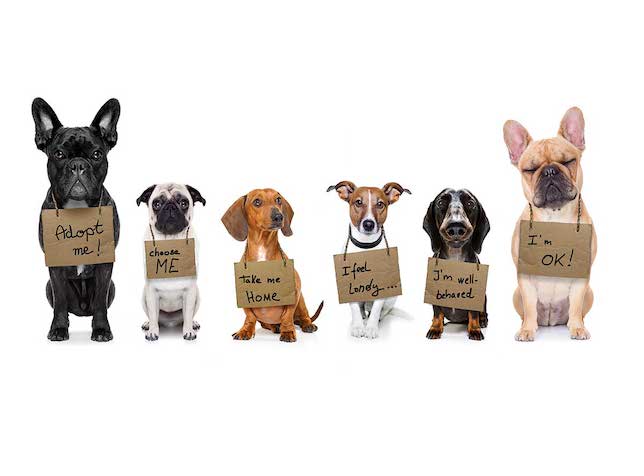
Image Source: www.medicalservicedogs.org
Getting Ready Before You Visit
Before you go to the shelter, think about what kind of dog fits your life. This helps a lot with choosing the right dog.
h4 What Your Life Is Like
Dogs need different things. Think about:
- How big is your home? A big dog needs more space than a small one.
- Do you have a yard? Some dogs need lots of room to run.
- How active are you? If you like to run, maybe a dog that loves to run too is good. If you like quiet time, maybe a calm dog is better.
- How much time do you have? Dogs need walks, play, and training. Puppies need a lot more time than adult dogs.
- Who lives with you? Do you have kids? Other pets? You need a dog that gets along with everyone.
- Can you pay for a dog? Dogs need food, vet visits, toys, and beds. This costs money.
h4 What Kind of Dog You Want
Think about size, age, and energy.
- Puppy: Cute! But they need lots of training. They chew things and have accidents inside. They need constant care.
- Adult Dog: Often calmer. They might already know some rules. Their personality is clear.
- Senior Dog: Quiet and loving. They need comfy beds and maybe special food. They make great friends for calm homes.
- Big or Small: Big dogs eat more. Small dogs might be easier to handle for some people. Think about leash pulling!
- Lots of Energy or Low Energy: Some dogs want to play all day. Others are happy with a short walk and a nap. Match the dog’s energy to yours.
h4 Preparing Your Home
You need some things ready before bringing home a shelter dog. Getting your home ready helps the dog feel safe. Preparing for a rescue dog means having a space for them.
Here are some things you will need:
- Food bowls and water bowls.
- Good dog food. Ask the shelter what they ate. Change food slowly if needed.
- A safe place for them to sleep, like a crate or a comfy bed.
- A collar and leash. Make sure the collar fits well and has an ID tag with your phone number.
- Toys! Chew toys, puzzle toys, soft toys.
- Grooming tools, like a brush and nail clippers.
- Dog treats for training and rewards.
- Cleaning supplies for accidents.
Having these things ready makes the move less stressful for the dog and for you.
Visiting a Dog Shelter Tips
Going to a shelter can be exciting! It is also a bit sad to see so many dogs needing homes. Here are some tips for your visit. Visiting a dog shelter tips can make your trip go better.
h4 How to Act at the Shelter
- Be calm: Dogs can feel how you feel. Stay calm and relaxed.
- Go when it’s not too busy: Weekends can be packed. A quieter time lets you spend more time with the dogs and staff.
- Wear clothes you don’t mind getting dirty: Dogs might jump or slobber.
- Bring your family: Everyone who lives with the dog should meet them. If you have another dog, ask the shelter about bringing your dog for a meeting later.
- Spend time: Don’t rush. Look at many dogs. Read their cards. Watch how they act.
h4 Looking at Shelter Dog Behavior
Dogs act differently in the shelter than they might at home. The shelter is loud and strange. Shelter dog behavior might be shy, scared, or very excited. This does not mean they are bad dogs.
- See shy dogs: Some dogs hide in the back of their cage. They might be scared. Talk softly. Move slowly. See if they become curious.
- See excited dogs: Some bark a lot or jump at the front. They want attention! See if they calm down after a minute.
- See calm dogs: Some dogs lie down or sit quietly. This can be a sign they are relaxed, or maybe they feel defeated.
- Look for body language:
- Wagging tail: Usually happy, but a stiff fast wag can mean nervous.
- Loose body: Good sign! Not stiff or scared.
- Mouth: Open mouth, looks like a smile? Good. Tightly closed mouth? Maybe stressed.
- Eyes: Soft eyes are good. Hard stare? Be careful. Looking away? Maybe shy or stressed.
Don’t judge a dog only by how they act in the cage. Ask staff if you can meet a dog outside the cage.
Meeting Dogs at the Shelter
This is the fun part! But stay smart. What to look for in a shelter dog goes beyond just looks.
h4 Meeting a Dog Outside the Cage
- Go to a quiet area: Shelters usually have meeting rooms or outside pens.
- Let the dog come to you: Do not rush up to them. Sit or croul down to seem smaller. Let them sniff you.
- Offer a hand: Hold your hand out slowly, low down, with fingers curled in a bit. Let the dog sniff it.
- Watch how they act: Do they sniff and then walk away? Do they lean into you? Do they jump all over you?
- Pet them softly: If the dog seems okay, pet their side or shoulder. Avoid petting right on top of the head at first.
- Talk to them: Use a soft, happy voice.
h4 Things to Do During the Visit
- Walk the dog: Ask to take the dog for a walk. See how they walk on a leash. Are they pulling hard? Do they seem scared of things?
- Play with them: Use a toy. Do they like to play? Are they gentle taking the toy?
- See how they act with noises: Drop your keys. See if they jump high or just look.
- See how they like being touched: Gently touch their paws, ears, and tail. See if they seem okay with it. This helps when you need to clean them or check them.
h4 Temperament Testing Dogs
Shelters often do their own temperament testing dogs. This helps them know how a dog might act in different homes. They might test how a dog is with other dogs, kids, or how they act if you take their food bowl away (resource guarding).
- Ask the staff about any tests they have done.
- Remember these tests are just one piece of the puzzle. A dog might act differently with you than with a shelter worker.
Asking Questions
The shelter staff know a lot about the dogs. They spend all day with them. Asking questions to shelter staff is very important.
h4 Questions to Ask Shelter Staff
Here are key questions to ask:
- How did the dog get here? Were they found as a stray? Given up by a family? Knowing this helps.
- Do you know why they were given up? Sometimes families must move or cannot care for the dog. Sometimes there was a problem (like barking too much). Ask honestly.
- How long has the dog been here? Dogs act more stressed the longer they are in a shelter.
- What do you know about their past? (If anything is known)
- How does the dog act in the shelter? (Beyond what you see in the cage) Do they bark a lot? Are they quiet?
- How are they with other dogs? Have you tested them?
- How are they with kids? Have they met kids here?
- Are they house-trained? If not, how can I train them?
- Do they walk well on a leash?
- Do they have any fears? (Like loud noises, certain people, stairs)
- Do they have any behavior problems you know of? (Chewing, digging, separation fear)
- What kind of home do you think would be best for this dog? The staff might have a great idea based on what they’ve seen.
- Have they had any health problems?
h4 Grasping the Health of Shelter Dogs
Shelters work hard to keep dogs healthy. The health of shelter dogs is checked by vets.
- Dogs usually get shots (vaccines).
- They are often spayed or neutered before you take them home.
- They might be tested for heartworms and other issues.
- Ask to see their vet records if they have them.
- Ask if they have any known health problems or need special care (like medicine or a special diet).
- It’s always a good idea to take your new dog to your own vet soon after you bring them home for a check-up.
Choosing the Right Dog
Take your time. Don’t feel pushed to take the first dog you like. Choosing the right dog is about finding a good match for everyone.
h4 Thinking About the Match
Think back to your lifestyle and what you want.
| Your Lifestyle | Dog Traits to Look For |
|---|---|
| Very Active (running) | High energy, loves to run, likes to play fetch |
| Calm & Home-bodied | Low to medium energy, enjoys naps, likes short walks |
| Have Young Kids | Patient, gentle, good temperament with children tested |
| Have Other Pets (Dogs) | Good with other dogs, tested meetings at shelter |
| Have Other Pets (Cats) | Lived with cats before, or tested with cats if possible |
| First-Time Owner | Easy to train, adaptable, not overly complex needs |
| Lots of Time for Training | Intelligent, eager to learn, enjoys challenges |
| Small Living Space | Smaller dog size, lower energy needs |
No dog is perfect. Think about what things you can work with and what things you cannot. Are you okay with a dog that needs lots of training? Can you handle a dog that is shy at first?
h4 Making the Final Decision
- Think with your head AND your heart: It’s easy to feel sad for a dog and want to save them. But you need to pick a dog you can truly care for and be happy with for many years.
- Meet the dog more than once: If possible, visit the dog a few times. See how they act on different days.
- Talk it over with your family: Everyone must agree and be ready to help.
- Trust the staff: They know the dogs well. Listen to their advice. If they say a dog is not a good fit, they likely have a good reason.
- It’s okay to say no: It’s better to wait for the right dog than to pick one that doesn’t work out. Bringing a dog back to the shelter is hard on everyone.
The Dog Adoption Process
Once you have found a dog you want, the shelter has steps to follow. The dog adoption process makes sure dogs go to good homes.
h4 Steps in the Process
- Fill out an application: You’ll give your information and answer questions about your home and lifestyle.
- Meet the dog: You’ve likely done this already, maybe a few times.
- Talk with staff: They might ask more questions or talk about the dog’s needs.
- Home visit (sometimes): Some shelters visit your home to see if it’s safe and a good space for a dog.
- Meet other pets/family: If needed, your current pets or family members will meet the dog.
- Approval: If everything looks good, your application is approved!
- Pay the fee: There is a fee to adopt a dog. This money helps the shelter care for other animals.
- Sign papers: You’ll sign papers saying you will care for the dog.
- Bring them home!
The process can take a few days or even a week or two. Be patient. They want the best home for the dog.
Bringing Home a Shelter Dog
The first days and weeks are a big change for your new dog. Bringing home a shelter dog needs patience and a plan.
h4 The First Day
- Go straight home: Don’t take them shopping or to a busy park.
- Let them explore slowly: On a leash at first in the yard (if you have one). Then let them see inside your home, one room at a time.
- Show them their spot: Show them their bed, crate, or quiet corner.
- Show them where to go potty: Take them outside often. Give praise when they go.
- Have food and water ready:
- Keep it calm: No big parties or lots of visitors right away.
- Watch them closely: Do not leave them alone and loose right away.
h4 The First Few Weeks: The “Rule of Threes”
Many people use the “Rule of Threes” to think about how a rescue dog adjusts.
- 3 Days: The dog is likely to feel stressed, scared, and unsure. They might not eat much or show their real personality. They are just trying to figure things out. Give them space.
- 3 Weeks: The dog starts to settle in. They feel safer. They start to show more of their personality. You start to see some behaviors, good and bad. Start a gentle routine.
- 3 Months: The dog should feel at home. They trust you. Their personality is clear. You have a routine. This is when you really see the dog you adopted.
h4 Important Things to Do Early
- Start a routine: Dogs like knowing what happens when. Set times for waking up, potty breaks, food, walks, playtime, and sleep.
- Start training: Use positive ways (like treats and praise). Teach simple things first, like their name, sit, and stay. Training builds trust and helps the dog feel more sure of themselves.
- Be patient: There will be accidents. They might chew things. They might be scared of new sounds or sights. This is normal. Do not get angry. Guide them gently.
- Give them space: Make sure they have a safe place to go where they can be alone, like a crate with the door open or their bed in a quiet corner.
- Supervise interactions: Always watch kids and other pets when they are with the new dog.
- Visit the vet: As mentioned, go to your vet soon after adoption for a check-up and to talk about future health care.
Common Questions About Adopting a Shelter Dog
Here are some common questions people ask.
h3 FAQ: Your Questions Answered
h4 Is a shelter dog damaged or bad?
No! Most shelter dogs are good dogs who just had a hard time or their owners could not keep them. Some might need help with training because they never had it. Some might be shy or scared because of what they went through. But many are happy, loving dogs who just need a chance.
h4 Can I train a shelter dog?
Yes! You can train a dog of any age. It takes time, patience, and using good methods (like positive reward training). Many shelters offer training help or can tell you about local trainers.
h4 What if the dog doesn’t work out?
This is a fear for many people. Good shelters want the best for the dog. They will often ask that you bring the dog back to them if it does not work out. This is sad, but it is better than the dog ending up in a bad place. Talk to the shelter before adopting about their return policy. Also, try to work through small problems first with training help.
h4 How much does it cost to adopt?
Adoption fees change from shelter to shelter. They are much less than buying a dog from a breeder or pet store. The fee helps the shelter pay for the dog’s care, like shots, spaying/neutering, and food. Fees might be $50 to $300 or more, depending on the dog’s age or breed.
h4 How can I help shelter dogs even if I can’t adopt right now?
You can help in many ways!
* Donate money or supplies: Shelters always need food, blankets, toys, and cleaning stuff.
* Volunteer: Help walk dogs, clean cages, or play with the animals.
* Foster: You can keep a dog in your home for a while to help the shelter and the dog. This is a big help!
* Share pictures: Share shelter dogs’ photos on social media to help them find homes.
Finishing Thoughts
Choosing a dog from a shelter is a wonderful thing to do. You are giving a dog a second chance at a happy life. It needs time, thought, and patience. But the love and joy a rescue dog brings to your home is amazing. By following these tips, you can find the perfect furry friend and start a great life together. Good luck with your search!