
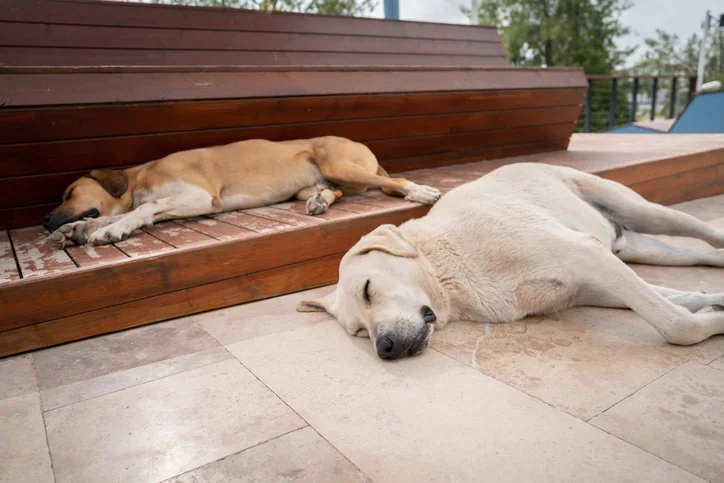
Image Source: palosanimalhospital.net
Health Insights: Why Does Dog Snore? What It Means.
Does your dog snore? Many dog owners ask this question. Dog snoring often happens when air struggles to move freely. This happens through the nose or throat. So, why does dog snore? It is often because of blockages in the breathing path. This can be normal for some dogs. But sometimes, it means a health issue. Is dog snoring normal? For some dogs, especially certain breeds, a little snoring is fine. However, loud or new snoring needs attention. When to worry dog snoring? You should worry if snoring starts suddenly. Also, worry if it gets very loud. Watch out for signs of trouble breathing or distress. Always talk to your vet about concerns. Your vet is the best person to give veterinarian dog snoring advice.
Interpreting Dog Snoring Reasons
Many things can make a dog snore. Snoring happens when air cannot flow smoothly. The air hits soft tissues. This makes them shake. This shaking causes the sound. Let us look at common dog snoring causes. Knowing these reasons helps you know if you should worry.
How Air Moves in Your Dog
Think about how you breathe. Air goes in and out. It moves through your nose and throat. It goes down to your lungs. Your dog breathes the same way. If any part of this path is narrow, snoring can happen. It is like a pinched hose. Water cannot flow well. It makes a strange sound. In dogs, this “pinch” can be in their nose. It can be in their throat. Or it can be higher up in their mouth. Any block in this air path can cause noise.
The Way Your Dog Is Built
Some dogs are just built to snore. This is a big reason for dog snoring. Their bodies are different. These differences make it harder for air to pass. This is often seen in certain types of dogs. Their natural shape plays a role.
Brachycephalic Dog Snoring
This is a key point. Some dog breeds have flat faces. These are called brachycephalic breeds. Think of Pugs, Bulldogs, and Boston Terriers. Their noses are short. Their airways are often squished. This makes them very likely to snore.
Here is why brachycephalic dog snoring happens:
- Short Snouts: Their noses are flat. This makes their nostrils very small. Think of a tiny opening. Air has trouble getting in. It is like trying to breathe through a small straw. This small opening makes air rush. It causes noise.
- Long Soft Palate: The soft part at the back of their mouth is too long. It is the soft tissue hanging down from the roof of their mouth. In these dogs, it can hang down too far. It can block the throat. When they breathe, this long flap vibrates. This makes a loud snoring sound. It can also make it hard to breathe.
- Narrow Windpipe (Trachea): Their windpipe might be too small. The windpipe is the main tube for air. If it is narrow, air flow is limited. This makes breathing noisy. It adds to snoring.
- Everted Laryngeal Saccules: These are small pouches. They are inside their voice box (larynx). In some flat-faced dogs, these pouches turn inside out. They pop into the airway. This blocks the air path even more. They make it much harder for air to get through. This adds to loud snoring.
These things make brachycephalic dog snoring very common. It is part of their body shape. Many of these dogs snore a lot. It is often very loud. This is because of their unique build. Owners of these breeds should always be aware. Their snoring can be a sign of breathing problems.
Body Weight and Snoring
Obesity dog snoring is a real issue. Dogs can gain too much weight. Just like people, extra fat gathers in the body. This includes the throat.
- Fat in the Throat: Fat can build up around the airway. It makes the passage smaller. Imagine a tube. If you put soft fat around it, the tube gets narrower. This makes it harder for air to move.
- Less Space: When a dog lies down, this extra fat pushes down. It makes it even harder to breathe. The weight of the fat presses on the windpipe. This causes more snoring.
So, a heavier dog may snore more. Losing weight can often stop this snoring. It is a simple fix for some dogs. Keeping your dog at a healthy weight is key. Your vet can help you with a diet plan. This helps their health in many ways. It also helps with breathing.
Things Around Your Dog
Things in your home or yard can also cause snoring. Your dog breathes in air from their surroundings. If that air is not clean, it can affect their breathing.
Allergies Dog Snoring
Yes, dogs can have allergies. Just like people, dogs can react to things. This can make their nose or throat swell. When the nose or throat swells, the air path gets smaller. This leads to snoring.
Common things that cause dog allergies include:
- Pollen: From trees or grass. When pollen counts are high, dogs can get stuffy noses.
- Dust Mites: Tiny bugs that live in dust. They are common in carpets or dog beds.
- Mold: Fungi that grow in damp places. Mold spores can irritate a dog’s nose.
- Food: Some foods can cause reactions. These reactions can affect the skin and sometimes the airways.
If a dog has allergies, their nose may get stuffy. Their throat might swell. This narrows the air path. It leads to allergies dog snoring. You might see other signs too. They may sneeze a lot. They may scratch their skin. Their eyes might water or be red. They might lick their paws.
Irritants in the Air
Smoke or strong smells can bother dogs. Think of cigarette smoke. Or very strong cleaning sprays. These can make the airways irritated. They can cause swelling inside the nose and throat. Then, your dog might snore. Keep your home air clean for your dog. Do not smoke indoors. Use natural cleaners.
How Your Dog Sleeps
How your dog sleeps matters. This is a simple dog snoring cause. The position can change how open their airway is.
- On Their Back: Some dogs snore more when on their back. When a dog lies on its back, its tongue can fall back. It can block the throat. This is a common reason for snoring in many dogs.
- Head Position: If their head is in a strange spot, it can kink the airway. A head bent too far forward or too far back can close off the air path.
- Using a Pillow: Some dogs might snore less with a pillow. It can keep their head in a better position.
Try to change their sleeping spot. A dog bed that supports their head might help. Sometimes, just changing how they lie stops the snoring.
Other Medical Causes
Some health problems can cause snoring. These are important to watch for. They might need a vet’s help.
- Colds or Lung Sickness: Like humans, dogs can get colds. They might have a runny nose. They might cough. They might sneeze. This can lead to temporary snoring. It is because of swelling and mucus in the nose and throat.
- Dental Problems: An abscess or swelling in the mouth can push on the airway. A painful tooth infection can cause swelling that affects breathing.
- Something Stuck: A foreign object. Something stuck in the nose or throat. This can be a blade of grass. It could be a small toy piece. This can cause sudden, loud snoring. It is an emergency. Your dog might gag or paw at their face.
- Tumors or Growths: In rare cases, a growth in the nose or throat can block the air path. These growths can be small or large. They can make breathing hard. This is less common but very serious.
- Throat Weakness: As dogs get older, muscles can get weak. This includes muscles in the throat. A weak throat can collapse a bit during sleep. This causes snoring.
It is important to watch for other symptoms. Is your dog breathing hard? Are they coughing? Do they seem uncomfortable? These are signs to see a vet.
Judging If Dog Snoring Is Normal
Many owners ask, “Is dog snoring normal?” The answer is often, “It depends.” A little soft snore is often fine. Especially if your dog has always done it. Think of it like a person’s quiet breathing sound. It does not mean they are sick.
When Snoring is Often Harmless
- Soft and Gentle: A quiet, low snore is usually not a worry. It is a light sound. It is not harsh.
- Consistent: If your dog has snored this way for years, it is likely normal for them. It is their normal sleep sound. It has not changed.
- No Other Symptoms: Your dog eats well. They play. They breathe fine when awake. They are active. They sleep through the night. They are happy. These are all good signs.
When Snoring Might Be a Concern
- New Snoring: If your dog never snored before, and now they do, pay attention. This change can mean a new issue. Something might have changed in their body.
- Loud Snoring: Very loud dog snoring concerns can point to a bigger blockage. It means air is really struggling to get through. It can sound like choking.
- Changes in Snoring: If it gets louder. If it happens more often. These are signs of a problem. If the sound changes from soft to harsh, worry.
- Snoring with other noises: If the snoring comes with gasping, choking, or whistling sounds.
It is about watching your dog. Know what is normal for them. Any big change means you should look closer. A change in snoring is often a signal.
When to Worry Dog Snoring: Signs to Watch For
Sometimes, snoring is more than just a funny sound. It can be a sign of real health issues. You need to know when to worry dog snoring. Look for these signs. They tell you your dog might be in trouble.
Signs of Breathing Trouble
Snoring is a breathing sound. If it comes with other breathing problems, it is serious. This needs quick action.
- Struggling to Breathe: Your dog seems to work hard to get air. Their chest might heave up and down. Their belly might move a lot with each breath. Their sides might pull in. Their nostrils may flare open wide.
- Gasping or Choking: They might make sounds like they are gasping for air. Or like something is stuck in their throat. This happens during sleep. They may wake up with a jolt.
- Bluish Gums: Check their gums. Lift their lip. If their gums look blue or purple, it means they are not getting enough oxygen. This is an emergency. Go to the vet right away. This is a very serious sign.
- Restlessness During Sleep: They might wake up often. They might move around a lot. They cannot find a good sleeping spot. They might change positions many times. This means they are not getting restful sleep.
- Panting When Resting: If your dog is panting a lot even when they are not hot or playing, it can be a sign of trouble. They might be working hard to breathe.
- Collapse or Fainting: This is a severe sign. Your dog might pass out due to lack of air. They might suddenly fall down. This needs emergency vet care.
Dog Sleep Apnea Symptoms
Sleep apnea is a serious condition. It is when breathing stops and starts during sleep. It can happen to dogs, too. Dog sleep apnea symptoms can be scary. It means their brain is not getting enough oxygen at night.
- Loud Snoring Followed by Silence: The dog snores loudly. Then, there is a pause. No breath at all. This pause can last for several seconds. Then, a gasp or choke as they start breathing again. This cycle repeats many times during sleep. This is a clear sign.
- Waking Up Startled: They might wake up suddenly. They may be scared or confused. They might jump up and look around. This is because their body is trying to get air.
- Daytime Sleepiness: Because they do not get good sleep at night, they might be very tired during the day. They might fall asleep often. They might sleep in odd places. They may seem worn out.
- Low Energy: They do not want to play. They seem sluggish. They might not want to go for walks. They just want to rest.
- Behavior Changes: They might be grumpy or irritable. Lack of sleep affects their mood. They might snap or be less patient.
If you see these signs, it is time to act fast. These symptoms mean your dog needs help. Sleep apnea can lead to heart problems. It can also cause other serious health issues over time.
Other Warning Signs
- Change in Bark or Voice: If their bark sounds different, it can mean a problem in the throat. It might sound hoarse.
- Nasal Discharge: Snot coming from their nose. Especially if it is thick or colored (green, yellow). Or if it has blood.
- Coughing or Gagging: More than just a normal cough. They might cough up foam. They might gag like something is stuck.
- Loss of Appetite: They do not want to eat. They turn away from food.
- Weight Loss (unexplained): Losing weight without trying. This can mean a serious illness.
- Weakness or Lethargy: They seem weak and have no energy. They move slowly. They do not want to do anything.
If you see any of these with snoring, call your vet. Do not wait. These signs tell you your dog is in trouble.
Canine Breeds Prone to Snoring
Some dogs are just more likely to snore. This is often because of their body shape. We talked about brachycephalic dogs earlier. They are the top group for snoring. It is very common for them.
Flat-Faced Breeds (Brachycephalic)
These dogs have short, pushed-in faces. This causes many breathing problems. This includes snoring. Their unique head shape makes their airways different.
Here are some dog breeds prone to snoring:
- Pugs: These small dogs have a very flat face. Their noses are very short. They are known for their loud snoring.
- Bulldogs (French and English): These dogs have wide, flat faces. They have many folds of skin. Both French and English Bulldogs snore loudly. They often have severe airway issues.
- Boston Terriers: These dogs have a compact build and a short snout. They are often snorers.
- Shih Tzus: These dogs have long hair and a flat face. They also often snore.
- Pekingese: These dogs have a long coat and a very flat face. Their breathing can be very noisy, including snoring.
- Boxers: These muscular dogs have a short snout. They can be prone to snoring, especially if they have a very flat face.
- Cavalier King Charles Spaniels: These sweet dogs have a slightly flatter face. They can have airway issues that lead to snoring.
- Chow Chows: These dogs have a thick coat and a broad head. Some Chows can also be prone to snoring due to their skull shape.
These breeds often have conditions linked to their flat faces. This is called Brachycephalic Obstructive Airway Syndrome (BOAS). Snoring is a big part of BOAS. These dogs might need special care. Some even need surgery to breathe better. This surgery can greatly improve their comfort.
Other Breeds and Snoring
While not as common, some other breeds might snore more. This is usually due to other factors, not their face shape.
- Larger Breeds: Some larger dogs like Labradors or Golden Retrievers might snore if they are overweight. The extra weight is the main reason.
- Breeds with Loose Skin: Dogs with lots of loose skin around their neck or face. This skin can gather around the throat. It can block the airway. For example, a Basset Hound might snore because of loose skin around its neck.
Here is a table showing common snorers and reasons:
| Breed Type | Examples | Common Snoring Cause | Notes |
|---|---|---|---|
| Brachycephalic | Pugs, Bulldogs, Shih Tzus | Short snouts, long soft palate | Often loud snorers due to genetics and airway problems. Can be serious. |
| Large, Overweight | Labradors, Golden Retrievers | Excess fat around the throat | Can often be fixed with weight loss and exercise. |
| Any Breed | All dogs | Allergies, colds, odd sleep position | Temporary or situational snoring. Often not serious. |
| Breeds with Loose Skin | Basset Hounds, Mastiffs | Excess skin gathering around throat | Skin folds can narrow the airway. |
What a Vet Can Do: Veterinarian Dog Snoring Advice
If you are worried about your dog’s snoring, call your vet. They are the best people to help. Veterinarian dog snoring advice is crucial. Do not try to guess what is wrong. Only a vet can tell you for sure.
When to See the Vet
- New snoring: If your dog just started snoring. This is a big change.
- Louder snoring: If the snoring gets much louder or changes in sound.
- Other symptoms: If you see any signs of breathing trouble. If you see dog sleep apnea symptoms. Or if your dog seems sick.
- Distress: If your dog seems unhappy. If they struggle to breathe. If they are tired all the time.
- Flat-faced dog: If you have a brachycephalic dog, any loud snoring should be checked. It can be a sign of BOAS.
What Your Vet Will Do
Your vet will do a full check-up. They will look for the exact cause of the snoring.
- Ask Questions: They will ask about your dog’s history. When did the snoring start? How loud is it? What other signs do you see? When does it happen? How often?
- Physical Exam: They will check your dog’s nose, mouth, and throat. They will look inside the mouth for any blockages. They will listen to their breathing. They will check their weight. They might gently feel their throat. They might check their gums.
- Tests: Your vet might do special tests. These help find the problem.
- X-rays: They might take X-rays of your dog’s chest and throat. This helps them see if there are blockages. They can check the windpipe size. They can see if the heart is enlarged.
- Blood Tests: These can check for infections or allergies. They can also check overall health.
- Endoscopy: In some cases, they might use a tiny camera. This tiny camera goes inside the nose or throat. It helps find hidden issues. It can show growths or swellings that are hard to see.
- Sedated Oral Exam: Sometimes, the vet might give your dog mild medicine to sleep. Then they can get a better look inside the mouth and throat. They can see the soft palate clearly.
Treatment Options
The treatment depends on the cause. The vet will choose the best plan.
- Weight Management: If your dog is overweight, the vet will help you make a diet plan. They will suggest exercise. This is a big step for obesity dog snoring. Losing weight helps clear their airways.
- Allergy Management: If allergies are the cause, the vet might give medicine. This can be antihistamines or steroids. They might suggest ways to lessen allergens in your home. This helps with allergies dog snoring.
- Medicine: For infections or swelling, the vet might give anti-inflammatory drugs. They might give antibiotics if there is a bacterial infection.
- Changing Sleep Position: Sometimes, simple changes help. A special bed. A pillow. The vet might suggest ideas for how your dog sleeps.
- Surgery: For brachycephalic dogs, surgery might be needed. This can open up the airways. It can shorten the soft palate. It can fix small nostrils. It can remove everted saccules. This surgery can greatly improve their breathing. It can stop loud dog snoring concerns. It can make their lives much better.
- Dealing with Other Issues: If a foreign object or growth is found, the vet will remove it. This might be done with surgery.
Remember, early action is best. Do not wait for things to get worse. Your vet wants to help your dog breathe easier. They want your dog to be healthy and happy.
Managing Snoring at Home
While seeing a vet is key for concerns, some home changes can help. These tips are good for mild snoring or to support vet treatment.
Control Weight
Keep your dog at a healthy weight. This is one of the best things you can do. Feed them good food. Give them enough exercise. This helps avoid obesity dog snoring. It keeps their airway clear. Ask your vet for a healthy weight target for your dog. They can help you with feeding guidelines.
Clean Their Sleeping Area
- Dust and Dander: Dust can irritate airways. Keep their bed clean. Wash blankets often. Use special covers for dog beds that reduce dust mites.
- Air Filters: Use air purifiers in your home. This helps remove pollen and dust. It can help with allergies dog snoring. Change your home’s air filters often.
Change Sleep Positions
- Elevate Head: Some dogs snore less if their head is slightly raised. A small pillow or a rolled towel under their head can help. This keeps the airway more open.
- Side Sleeping: Try to get them to sleep on their side. This keeps the tongue from falling back. A dog bed with sides can help them stay on their side.
- Round Beds: These can make them curl up. This might help open airways. It keeps their body in a natural curve.
Humidify the Air
Dry air can irritate airways. A humidifier can add moisture to the air. This can make breathing easier. It may lessen snoring. Use a cool mist humidifier. Keep it clean.
Limit Allergens
If your dog has allergies:
- Wipe Paws: Wipe their paws and coat after walks. This removes pollen.
- Regular Bathing: Bathe them regularly to wash off allergens from their fur. Use a mild dog shampoo.
- Dust Often: Clean your home well. Vacuum carpets and furniture.
- Change Air Filters: Change HVAC filters often in your home. Use high-quality filters.
- Wash Bedding: Wash their dog bed and your bedding often in hot water.
Avoid Smoke
Do not smoke near your dog. Secondhand smoke is bad for their lungs. It can make snoring worse. It can irritate their airways. Keep your home smoke-free.
Regular Vet Checks
Even if your dog snores a little, regular vet checks are good. Your vet can spot problems early. They can offer new veterinarian dog snoring advice as needed. They can watch for any changes.
Living with a Snoring Dog
Some snoring is normal for some dogs. Especially for breeds known to snore. If your vet says it is okay, you can still help your dog.
- Comfort: Make sure your dog is comfortable. Give them a good bed. Find a quiet place for them to sleep.
- Monitor: Watch for any changes. Any new sounds. Any new signs of trouble. Keep a small diary if you need to. Note when the snoring is worse.
- Love: Snoring does not make your dog less lovable. It is just another part of them. Love them for who they are.
Final Thoughts on Dog Snoring
Snoring in dogs is a common sound. For many dogs, it is a quiet part of their sleep. But it can also be a red flag. It is vital to know the difference. Pay attention to how your dog breathes. Watch for signs of trouble. Look for dog sleep apnea symptoms. If you have any worries, talk to your vet. They are there to help. They can make sure your furry friend gets good, quiet sleep. This helps them live a long, happy life. Your care makes a big difference.
Frequently Asked Questions (FAQ)
Is it ever okay for my dog to snore very loudly?
A: Loud snoring can be normal for some flat-faced breeds. But it is always best to check with a vet. Very loud snoring, especially if new, can mean a problem. It might mean a blocked airway. It could also point to dog sleep apnea symptoms. A vet can tell you if it is safe or not. They can rule out serious issues.
Can a dog snore from getting too hot?
A: Yes, being too hot can make a dog snore more. When dogs are hot, they pant. Panting is fast, shallow breathing. It can make their soft tissues swell. This swelling can narrow the air path. This can lead to snoring. Make sure your dog stays cool. Give them fresh water. Provide a cool place to rest.
What if my dog only snores sometimes?
A: Occasional snoring is often not a big worry. It could be from their sleep position. Or from a mild allergy. If it happens rarely and your dog seems fine, it is likely normal. But if it starts to happen more often, or gets louder, then it is good to see a vet. A quick check can give you peace of mind.
Can anxiety make a dog snore?
A: Anxiety usually does not cause snoring directly. But a stressed dog might breathe faster or harder. This could affect their breathing at night. A stressed dog might not relax enough to breathe well. If your dog is anxious, talk to your vet. They can help with both the anxiety and any breathing issues.
Is dog snoring worse as they get older?
A: Yes, dog snoring can get worse with age. Old dogs might have weaker muscles. Their throat tissues might become softer. They might also gain weight more easily. This can all lead to more snoring. Also, other health issues can arise. Regular vet checks are even more important for older dogs.
My dog snorts and snores. Are these the same?
A: Snorting is often a quick, sharp breath. It can happen when a dog is awake. It is often linked to nose issues. Snoring is a sound during sleep. Both can point to airway problems. If your dog snorts a lot, or if it bothers them, ask your vet. They can check their nose and throat.
Can changing my dog’s diet help with snoring?
A: A healthy diet is very important. If your dog’s snoring is due to obesity, a change in diet will help a lot. Losing weight can clear their airways. If allergies are the cause, a special diet might help. Your vet might suggest a food trial. Always talk to your vet before changing food.
How do I know if my dog has sleep apnea?
A: Watch for loud snoring followed by quiet pauses. This means breathing stops. Then, they might gasp for air. They may wake up suddenly. They will likely be very tired during the day. They may seem slow. If you see these dog sleep apnea symptoms, see your vet right away.