
Losing a beloved dog is incredibly hard. It is a time of deep sadness. Many pet parents want to bury their dog at home. This can give comfort and a sense of closure. You might wonder, “How deep should I bury my dog?” Generally, a good rule of thumb is to bury your dog at least 3 to 4 feet deep. This helps keep the grave safe and sound. You might also ask, “Can I bury my dog in my yard?” Yes, you often can, but rules vary a lot. “What are the rules for burying a dog?” These rules, or home pet burial laws, depend on where you live. Always check local laws first. This guide will help you understand the best ways to bury your dog respectfully and safely.
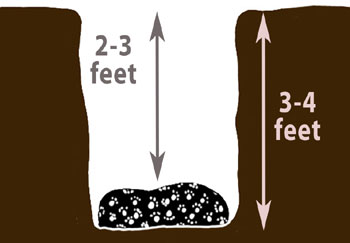
Image Source: www.dfordog.co.uk
The Importance of a Proper Burial Depth
Choosing the right depth for your dog’s grave matters a great deal. It is not just about showing respect for your pet. It is also about safety for animals and people. A deep grave protects the environment. It also helps keep wild animals from disturbing the site. A proper dog grave depth gives your dog a peaceful resting place. It also makes sure the burial follows safe pet burial guidelines.
Why Depth Matters for Your Dog’s Grave
The depth of your dog’s grave serves many key purposes. First, it stops other animals from digging up the body. This is very important. Second, it helps the body break down naturally and safely. It also keeps bad smells away. A deeper grave means less chance of germs spreading. It also ensures the site stays private and undisturbed. This care shows the last bit of love you can give to your loyal friend.
Safety First: For Animals and Humans
A shallow grave can be a risk. Other animals might find it. This can lead to them digging up the remains. This is upsetting for you. It can also be bad for the animals. They might get sick if they come into contact with the body.
A deep grave protects the ground. It stops harmful things from getting into the soil or water. This is good for the environment around your home. It keeps your family and local wildlife safe. This is why safe pet burial guidelines stress proper depth.
Respect for Your Pet: A Lasting Tribute
Burying your dog properly is a final act of love. It gives your pet a quiet and honorable resting place. A well-dug grave means their rest will not be disturbed. This helps you heal. You know you have done your best for them. It creates a lasting memory place in your heart and home.
Legal Aspects of Home Pet Burial
Before you dig, it is very important to know the rules. Home pet burial laws are different in every place. What is fine in one town might not be allowed in another. Not checking these rules can cause problems later. These problems can be fines or having to move the grave.
Grasping Home Pet Burial Laws
Most places let you bury pets on your own land. But there are often specific rules. These rules cover things like how deep the grave must be. They also say how far it must be from water sources. They also cover how far it must be from property lines.
These pet burial depth regulations are in place for good reasons. They protect public health. They also protect the environment. They keep peace with neighbors. For example, some areas do not allow home burial at all. This might be in very crowded towns or near water supplies.
Checking Local Ordinances
To find out the exact rules, you need to talk to local groups.
* Local Health Department: They often have rules about burying dead bodies. This includes pets. They will tell you about health risks and safe practices.
* Animal Control: They can give you info about pet ownership laws. This includes rules for pet loss.
* Environmental Agencies: These groups protect nature. They will have rules about soil and water safety. This is key for environmental pet burial considerations.
* City or County Clerk’s Office: They can point you to the right rule books or staff.
Do not guess. Make a call or check online. It only takes a few minutes. This can save you a lot of trouble and sadness later on. If you live in an apartment or do not own land, home burial is usually not an option. In these cases, you will need to look at other choices.
Deciding the Right Depth for Your Dog
The general rule for dog grave depth is 3 to 4 feet. But many things can change this. The size of your dog is one big factor. The type of soil you have is another. What animals live nearby also matters. Thinking about these points helps you decide the best depth.
Ideal Dog Grave Depth: A General Guide
For most dogs, a grave that is 3 feet deep is a good start. This means the top of the body is at least 3 feet below the ground. For small dogs, like a Chihuahua, 2.5 to 3 feet might be enough. For bigger dogs, you will need to go deeper. We will talk more about this below.
Always think about making the grave a bit wider than your dog. This makes it easier to place them. Also, think about any layers you might add on top of the body. These layers could be soil, a grave marker, or heavy stones.
Preventing Scavenging Animals
This is one of the main reasons for a deep grave. Wild animals are drawn to smells. A shallow grave makes it easy for them to find your pet. Animals like raccoons, foxes, coyotes, or even other dogs might try to dig.
To prevent animal scavenging burial, aim for a depth where scent is less likely to escape. This is usually at least 3 to 4 feet. The deeper the grave, the harder it is for animals to smell the body. It also makes it much harder for them to dig through all that soil.
You can also add things to help:
* Heavy Rocks or Slabs: Place these on top of the filled grave. This adds an extra layer of protection.
* Wire Mesh: Lay a piece of strong wire mesh (like chicken wire or hardware cloth) over the body before filling with soil. This makes it harder for animals to dig down.
* Pack the Soil: Make sure the soil is tightly packed after filling. This makes it harder to dig through.
Accounting for Dog Size
The size of your dog greatly impacts the needed depth. A tiny dog needs less depth than a giant one.
* Small Dogs (under 25 lbs): Examples include Chihuahuas, Dachshunds, small Terriers. A depth of 2.5 to 3 feet is often enough.
* Medium Dogs (25-75 lbs): Examples include Beagles, Border Collies, smaller Labs. A depth of 3 to 4 feet is a good target.
* Large Dogs (over 75 lbs): Examples include German Shepherds, Labradors, Golden Retrievers. For a burial depth for large dog, you should aim for at least 4 to 5 feet.
* Giant Breeds (over 100 lbs): Examples include Great Danes, Mastiffs, St. Bernards. These dogs need a grave of 5 feet or more.
The bigger the dog, the more body mass there is. This means more smell. This also means it takes longer for the body to break down. A deeper grave helps manage both of these issues.
Ground Type Matters
The kind of soil you have also plays a big role in how deep you can dig. It also affects how well the grave stays safe.
* Clay Soil: This soil is dense. It holds water. It is harder to dig. But it also forms a tighter seal around the body. This can slow down decomposition. It also makes it harder for animals to dig.
* Sandy Soil: This soil is loose. It is easy to dig. But it drains water quickly. It is also easier for animals to dig through. You might need to go a bit deeper in sandy soil. You might also need to add more protective layers.
* Rocky Soil: Digging in rocky soil is very hard. You might hit bedrock. If you do, you might not be able to dig deep enough. In such cases, you might need to think about other burial options. These could be a pet cemetery or cremation.
* Water Table: This is the level of water underground. If the water table is high, the grave can fill with water. This is not good for the body. It can also spread bad things. You should dig above the water table. If you hit water while digging, you need to find a different spot. Or you need to choose another burial method.
Always check the soil in your chosen spot. Use a digging tool to see what it is like.
Safe Pet Burial Guidelines
Once you know the rules and the right depth, you need to prepare the burial site. Proper planning makes the process easier. It also makes sure the burial is safe and respectful. These safe pet burial guidelines cover everything from choosing a spot to filling the grave.
Key Steps for a Safe Burial
Location Choice:
- Distance from Water: Pick a spot far from wells, streams, ponds, or lakes. At least 100 feet is a good distance. This prevents anything from getting into the water supply. This is a major
environmental pet burial consideration. - Distance from Utilities: Check for underground pipes or wires. Call your local utility service (like 811 in the US) before you dig. This service helps you find buried lines. Hitting a pipe or wire can be dangerous.
- Property Lines: Keep the grave well away from your neighbor’s land. This respects their property. It also helps avoid disputes. A minimum of 50 feet from property lines is often advised.
- Drainage: Choose a spot that drains well. Avoid low-lying areas that collect water. A raised area is often best.
- Future Plans: Think about what you might do with your yard in the future. Will you build a shed there? Plant a tree? Pick a spot that will not be disturbed later.
- Distance from Water: Pick a spot far from wells, streams, ponds, or lakes. At least 100 feet is a good distance. This prevents anything from getting into the water supply. This is a major
Digging the Grave:
- Size: Make the grave wide enough for your dog. It should be at least one foot wider than your dog on all sides. This allows room to place your pet gently.
- Depth: Dig to the
ideal dog grave depthyou decided on. Remember, for aburial depth for large dog, this means going quite deep. The hole should be deep enough so there are 3 to 5 feet of soil above the body. This is crucial forprevent animal scavenging burial. - Tools: Use strong shovels. A pickaxe might be needed for hard or rocky soil.
- Safety: Watch out for roots. Dig slowly and carefully.
Materials for Burial:
- Shroud or Container: You can wrap your dog in a favorite blanket or towel. Use natural, biodegradable materials. Cotton, wool, or linen are good choices. Avoid plastic. Plastic does not break down. It also traps smells and fluids.
- Biodegradable Coffin: Some people choose a simple wooden box or a strong cardboard box. Make sure it is untreated wood or plain cardboard. Again, no plastic or metal parts. These items should break down over time.
- Placement: Gently place your dog into the grave. You can say a few words or have a small ceremony.
Covering the Grave:
- Soil Layers: Put a layer of soil over your pet. Pack it down firmly. This helps keep smells in and animals out.
- Fill Completely: Fill the grave all the way to the top. Make a small mound over the grave. The soil will settle over time. A mound helps keep the grave from sinking below ground level.
- Protective Layers: Consider adding heavy stones, bricks, or a layer of wire mesh over the fresh soil. This extra step strongly helps to
prevent animal scavenging burial.
Marking the Spot:
- Memorial: Place a stone, a small marker, or plant a tree or bush. This creates a lasting memorial. It also clearly marks the burial site. This is important so the grave is not disturbed by accident later.
Environmental Aspects of Pet Burial
Burying your pet at home means taking care of the environment. Proper burial stops bad things from getting into the soil and water. It also helps the body break down naturally. This makes sure your pet’s resting place is good for the earth. These are important environmental pet burial considerations.
Interpreting Environmental Pet Burial Considerations
When burying a pet, think about the impact on the land.
* Water Contamination: This is the biggest concern. If a pet is buried too close to water sources (like wells or streams) or in soil that does not drain well, fluids from the body can get into the water. This can cause harm. Burying deep and far from water helps prevent this.
* Soil Impact: The chemicals from a decomposing body can affect the soil nearby. If a pet was euthanized, the drugs used can stay in the body. These drugs can harm other animals if they dig up the body. This is another reason for a deep grave and prevent animal scavenging burial.
* Choosing the Right Spot: A high, dry spot is always best. Avoid flood zones or areas with a high water table.
* Avoid Non-Biodegradable Items: Do not bury your pet with plastic toys, nylon collars, or other items that will not break down. These things stay in the ground for a very long time. They can pollute the soil. Stick to natural materials for shrouds or simple wooden boxes.
Pet Decomposition Rate and Burial
How fast a body breaks down depends on many things. These include the size of the animal, the type of soil, and the temperature. Pet decomposition rate burial is a key factor in choosing depth.
* Factors Affecting Decomposition:
* Body Size: Larger bodies take longer to break down. This is because there is more material.
* Temperature: Warmer soil helps decomposition happen faster. Colder soil slows it down.
* Soil Type: Well-drained, oxygen-rich soil helps breakdown. Clay soil, which is dense and wet, slows it down.
* Moisture: Too much moisture (like in a wet grave) can slow decomposition. It can also lead to foul smells.
* Burial Materials: If the body is in a sealed container, it will take much longer to decompose. This is why biodegradable materials are important.
- The Role of Depth in Slowing Decomposition:
- A deeper grave is usually cooler. It has less oxygen. Both of these slow down the decomposition process. This means the body breaks down more slowly and in a more controlled way. This also helps keep smells from reaching the surface.
Shallow pet burial issuesare many. If a pet is buried too shallow, the decomposition process is faster. This leads to stronger smells. It also increases the chance of animals finding the grave. A shallow grave can also be exposed to more heat and moisture changes. This can make the decomposition messy. It makesprevent animal scavenging burialmuch harder.
Common Burial Mistakes to Avoid
Even with the best intentions, mistakes can happen. Knowing what to avoid will help you give your dog a truly respectful and safe burial.
Overlooking Local Laws
This is the biggest mistake. Assuming you can bury your pet anywhere, any way, can cause big problems. Always check home pet burial laws and pet burial depth regulations. A quick call can save you a lot of grief.
Not Digging Deep Enough
One of the most common shallow pet burial issues is not digging deep enough. This leads to:
* Scavenging: Other animals will find and dig up the grave. This is traumatic for you and potentially harmful for them.
* Odor: Smells can escape, bothering you or your neighbors.
* Exposure: The body might become exposed due to soil settling or erosion.
* Environmental Risks: Higher chance of harming local water or soil.
Always aim for the recommended dog grave depth for your pet’s size. For a burial depth for large dog, remember to go extra deep.
Choosing a Poor Location
Burying too close to water sources or utility lines is dangerous. It can pollute water. It can also lead to serious accidents if you hit a pipe or wire. Always call to check for utility lines before digging. Pick a spot far from water, property lines, and any flood risk.
Using Non-Biodegradable Materials
Burying your pet in plastic bags, metal boxes, or synthetic blankets is not good for the environment. These items will not break down. They can stay in the ground for hundreds of years. Stick to natural, plant-based materials. This helps with environmental pet burial considerations.
Not Marking the Grave
While not a safety issue, not marking the grave can lead to accidental disturbance later. You or someone else might dig in the wrong spot years from now. A simple stone or a small garden marker can prevent this. It also serves as a lovely memorial.
Alternatives to Home Burial
Home burial is not for everyone. You might not have the space. Or local laws might not allow it. Maybe you simply prefer other options. Luckily, there are many respectful ways to lay your dog to rest.
Pet Cemeteries
Pet cemeteries are special places designed for pet burials. They are similar to human cemeteries.
* Pros: They offer a permanent, marked grave site. They follow all environmental and legal rules. They provide a peaceful place to visit.
* Cons: They can be expensive. They might not be close to your home.
Cremation
Cremation is a very popular choice. The pet’s body is turned into ashes.
* Individual Cremation: Your pet is cremated alone. You get their ashes back. You can keep them in an urn, scatter them, or bury them.
* Communal Cremation: Several pets are cremated together. You do not get your pet’s ashes back. The ashes are often scattered in a special place.
* Pros: Flexible – you can keep the ashes or scatter them anywhere allowed. No need for a large burial space. Often less expensive than a pet cemetery.
* Cons: Some people prefer a physical burial.
Veterinary Services
Most vets offer options for handling your pet’s remains.
* They can arrange for cremation.
* They might have options for communal burial or pickup by a special service.
* They can guide you through the process. They can help you make choices during a hard time.
Frequently Asked Questions (FAQ)
Can I bury my dog in a blanket?
Yes, you can. It is a very common and loving thing to do. Just make sure the blanket is made of natural fibers. Good choices are cotton, wool, or linen. Avoid synthetic or plastic materials. These do not break down well in the ground.
How long does a dog take to decompose?
The pet decomposition rate burial depends on many things. These include the dog’s size, the soil type, and temperature. A small dog in warm, well-drained soil might decompose in a few months to a year. A large dog in clay soil might take several years. A deeper grave slows this process down.
What if I live in an apartment or don’t own land?
If you do not own the land, you cannot bury your pet there. This includes apartments, rental homes, or public parks. In these cases, cremation or a pet cemetery are your best choices. Your vet can help you with these options.
Is it okay to bury more than one pet in the same spot?
It is often best to bury each pet in its own grave. This makes sure each pet has enough space to decompose properly. It also reduces any environmental risks. If you do bury multiple pets, make sure there is plenty of space between them. Also, check your local home pet burial laws. Some areas might have rules about this.
What’s the ideal dog grave depth in feet/meters?
For most dogs, the ideal dog grave depth is 3 to 4 feet (about 0.9 to 1.2 meters). For larger dogs, aim for 4 to 5 feet (about 1.2 to 1.5 meters) or more. The most important thing is that the top of the body is covered by at least 3 to 5 feet of soil. This helps prevent animal scavenging burial and keeps the site safe.
Concluding Thoughts
Saying goodbye to a dog is one of life’s hardest moments. Choosing to bury your loyal friend at home can bring a lot of comfort. It creates a lasting place for remembrance. By following the safe pet burial guidelines, you ensure your pet rests in peace. You also protect your home and the environment.
Remember to always check your home pet burial laws. Dig deep enough to prevent shallow pet burial issues and prevent animal scavenging burial. A depth of 3 to 5 feet is a good rule for dog grave depth. Consider the burial depth for large dog as needing more space. Choose biodegradable materials. Pay attention to environmental pet burial considerations. These simple steps ensure a respectful farewell. They honor the love and joy your dog brought into your life.