
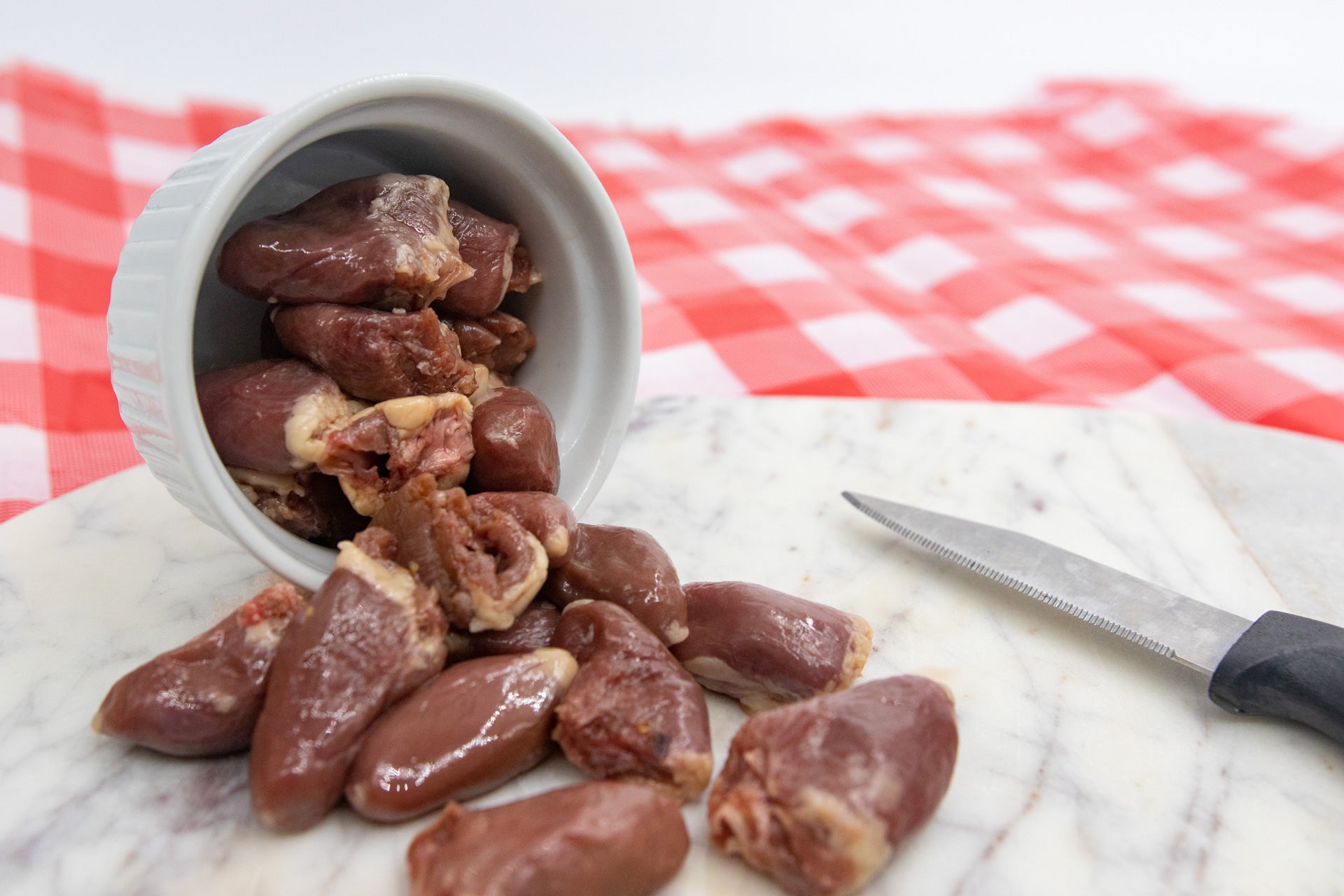
Image Source: www.bjsrawpetfood.com
Can Dog Eat Chicken Heart? Nutritional Benefits & Safety.
Yes, dogs can eat chicken hearts. Chicken hearts are very good for dogs. They are packed with important nutrients. Many dog owners choose to add chicken hearts to their dog’s diet. This can make meals more balanced and healthy.
Grasping the Nutritional Powerhouse: Why Chicken Hearts for Dogs?
Chicken hearts are more than just a tasty treat for your dog. They are tiny bundles of powerful nutrients. These nutrients can help your dog in many ways. They support overall health and energy. Knowing the nutritional value of chicken hearts for dogs helps you see their true worth.
Chicken hearts are a type of organ meat for dog diet. Organ meats are often called “nature’s multivitamins.” They have much higher levels of vitamins and minerals than muscle meat. For example, beef liver is famous for its nutrient content. Chicken hearts are similar. They offer a rich mix of essential elements.
Here is a look at what chicken hearts offer:
- Protein: This is key for strong muscles. It also helps with cell repair and growth. Chicken hearts are a great source of lean protein. This protein is easy for dogs to digest.
- Taurine: This is a vital amino acid. It is very important for heart health. It also helps with eye sight. Dogs need taurine to keep their hearts strong. Chicken hearts are a natural source of taurine.
- B Vitamins (B12, Riboflavin, Niacin): These vitamins help your dog turn food into energy. They support nerve function. They also help red blood cells form. B12 is especially good for brain health and digestion.
- Iron: This mineral helps carry oxygen in the blood. It stops anemia. Anemia means your dog does not have enough healthy red blood cells. Iron also gives your dog energy.
- Zinc: This mineral helps the immune system. It also helps with skin and coat health. Zinc is key for healing wounds. It helps with growth too.
- Phosphorus: This works with calcium for strong bones and teeth. It also helps cells work well.
- Coenzyme Q10 (CoQ10): This is an antioxidant. It helps protect cells from damage. It is also good for heart health. CoQ10 can help older dogs stay active.
Let’s look at the nutrients in more detail. This table shows the typical nutritional content for 100 grams of raw chicken heart:
| Nutrient | Amount (per 100g) | What it does for your dog |
|---|---|---|
| Calories | ~153 kcal | Provides energy for daily activities |
| Protein | ~15.6 g | Builds and repairs muscles, supports all body functions |
| Fat | ~9.9 g | Source of energy, aids in nutrient absorption |
| – Saturated Fat | ~3.4 g | Provides concentrated energy |
| – Cholesterol | ~197 mg | Helps with cell structure, precursor to hormones |
| Iron | ~5.5 mg | Prevents anemia, carries oxygen, boosts energy |
| Zinc | ~2.2 mg | Supports immune system, skin, coat, and healing |
| Phosphorus | ~214 mg | Essential for strong bones, teeth, and cell health |
| Copper | ~0.2 mg | Helps iron absorption, bone health, nerve function |
| Selenium | ~21.7 mcg | Powerful antioxidant, supports thyroid function |
| Thiamine (B1) | ~0.1 mg | Helps turn food into energy |
| Riboflavin (B2) | ~0.8 mg | Aids energy production, cell growth, good for eyes |
| Niacin (B3) | ~4.8 mg | Supports metabolism, nerve function, skin health |
| Vitamin B6 | ~0.2 mg | Helps protein metabolism, nerve and immune function |
| Vitamin B12 | ~7.0 mcg | Crucial for nerve function, red blood cell formation |
| Folate (B9) | ~7.0 mcg | Aids cell growth and division |
| Pantothenic Acid | ~0.7 mg | Helps energy production, hormone synthesis |
| Taurine | ~130 mg | Vital for heart health, eye health, and brain function |
| CoQ10 | ~2.5 mg | Antioxidant, boosts cellular energy, good for heart |
Note: These values are approximate and can vary slightly.
Deciphering the Benefits of Chicken Hearts for Dogs
The rich nutrient profile of chicken hearts brings many benefits of chicken hearts for dogs. These benefits can be seen in various aspects of your dog’s health.
- Boosted Heart Health: This is a big one. Chicken hearts are rich in taurine and CoQ10. These nutrients are super important for a strong, healthy heart. They help the heart muscle work well. They also protect it from damage. This is especially good for large breeds or active dogs.
- High Energy Levels: The B vitamins in chicken hearts help your dog use energy from food. This means more pep in their step. It helps them stay active and playful.
- Strong Immune System: Zinc and selenium are powerful minerals. They help your dog’s body fight off sickness. A strong immune system keeps your dog healthy.
- Healthy Skin and Coat: Zinc and B vitamins also play a role here. They help keep your dog’s skin clear. They make their coat shiny and soft.
- Muscle Growth and Repair: The high-quality protein in chicken hearts supports muscle development. It helps muscles heal after exercise. This is great for active dogs. It also helps puppies grow.
- Good Digestion: Organ meats are easy for dogs to digest. This helps their gut stay healthy. It can also help with nutrient absorption.
- Weight Management: Chicken hearts are fairly low in fat compared to some other meats. They are also full of protein. This can help dogs feel full. It can be a good part of a weight-loss diet if given in the right amounts.
Giving your dog chicken hearts is a simple way to add dense nutrition. It is a natural way to support their well-being. It is a true example of how organ meat for dog diet can make a big difference.
Safeguarding Your Pet: Raw Chicken Heart for Dogs Safety
Feeding raw meat to dogs is a popular choice for some owners. It aims to mimic a dog’s natural diet. However, there are things to think about when it comes to raw chicken heart for dogs safety.
h5. Raw Feeding: Pros and Cons
Pros of Raw Chicken Hearts:
- Nutrient Retention: Raw food keeps all its natural enzymes and nutrients. Cooking can reduce some of these.
- Natural Appeal: Many dogs love the taste and texture of raw hearts.
- Dental Health: Chewing raw meaty bones (not just hearts, but generally in raw feeding) can help clean teeth.
Cons and Risks of Raw Chicken Hearts:
- Bacterial Contamination: This is the biggest risk. Raw meat can carry bacteria like Salmonella or E. coli. These can make your dog sick. They can also make people in your home sick.
- Nutrient Imbalance: If raw feeding is not balanced, it can lead to nutrient problems. Only feeding hearts is not enough. A full raw diet needs careful planning.
- Choking Hazard: While hearts are small, large pieces can still be a risk. Especially for small dogs or dogs that eat too fast.
- Parasites: Less common with commercially sourced meat, but a possibility.
h5. Key Safety Steps for Raw Hearts
If you choose to feed raw chicken hearts, follow these tips:
- Buy from Trusted Sources: Get hearts from butchers or stores that sell human-grade meat. This lowers the risk of bad bacteria.
- Proper Handling:
- Wash your hands before and after touching raw hearts.
- Use separate cutting boards and utensils for raw meat.
- Clean all surfaces that touch raw meat with hot, soapy water.
- Freezing: Freezing hearts for a few weeks can kill some parasites. But it will not kill all bacteria.
- Storage: Store raw hearts in airtight containers in the fridge. Use them within 1-2 days. Freeze any unused portions right away.
- Supervision: Always watch your dog when they eat raw hearts. Make sure they chew properly.
- Hygiene: Clean your dog’s bowls well after each meal.
Important Note: Talk to your vet before starting any raw diet. They can help you understand the risks. They can also guide you on how to make it safe and balanced.
Readying the Feast: How to Prepare Chicken Hearts for Dogs
You have choices when it comes to how to prepare chicken hearts for dogs. The best way depends on your comfort level and your dog’s needs.
h5. Serving Cooked Chicken Hearts
Can dogs eat cooked chicken hearts? Yes, dogs can eat cooked chicken hearts. Cooking makes them safer from bacteria. It is a very popular option.
How to Cook Chicken Hearts:
- Boiling:
- Place hearts in a pot of water.
- Bring to a boil.
- Simmer for about 10-15 minutes, or until cooked through. They should be firm.
- Drain the water. Let hearts cool before giving to your dog.
- Tip: Do not add any salt, seasonings, onions, or garlic. These are bad for dogs.
- Baking/Roasting:
- Preheat oven to 350°F (175°C).
- Place hearts on a baking sheet.
- Bake for 15-20 minutes. Turn them halfway.
- Cool completely before serving.
- Steaming:
- Place hearts in a steamer basket.
- Steam over boiling water for 10-15 minutes.
- This keeps more nutrients than boiling.
- Cool before serving.
Advantages of Cooking:
* Eliminates most harmful bacteria.
* Easier for some dogs to digest.
* Less messy to handle.
Disadvantage of Cooking:
* Some heat-sensitive nutrients might be lost.
h5. Serving Raw Chicken Hearts
As discussed, raw feeding has risks. But if you choose this path, here’s how:
- Whole or Cut: You can give hearts whole to larger dogs. For small dogs or puppies, cut them into smaller, bite-sized pieces. This helps prevent choking.
- As Part of a Meal: Mix raw hearts into their regular food. Or offer them as a special treat.
- Frozen: Some owners freeze whole hearts. They offer them as a cool, long-lasting chew. This can also help with teething puppies.
h5. Freeze-Dried Chicken Hearts
This is another great option. Freeze-dried hearts keep almost all their nutrients. They are also very safe. The freeze-drying process removes water. This stops bacteria growth. They are light, crunchy, and a popular chicken heart dog treat recipe option.
- How to Serve: Give them whole as a treat. Or crumble them over food for added flavor and nutrients.
Mindful Amounts: Portion Control & Frequency
Giving the right amount of chicken hearts is important. Too much can lead to an imbalanced diet. Too little might not give your dog all the benefits.
h5. How Much to Feed?
Chicken hearts should be a supplement to your dog’s main diet. They should not be the only food. A general rule for organ meats is that they should make up about 5-10% of your dog’s total diet.
- Small Dogs (under 20 lbs): A few hearts (1-3) per day, a few times a week.
- Medium Dogs (20-50 lbs): 3-5 hearts per day, several times a week.
- Large Dogs (over 50 lbs): 5-8 hearts per day, several times a week.
Important: These are general guidelines. Adjust based on your dog’s:
* Activity Level: Very active dogs might need more. Less active dogs might need less.
* Overall Diet: If their main food is already rich, you might give fewer hearts.
* Weight: If your dog needs to lose weight, reduce portion sizes.
Always introduce new foods slowly. Start with a very small amount. Watch your dog for any upset stomach.
h5. How Often to Feed?
You can feed chicken hearts a few times a week. Some owners give them daily in small amounts. Others give them 2-3 times a week. The goal is balance. Do not give them every day if it means cutting back on other important foods.
Tailoring the Treat: Feeding Chicken Hearts to Specific Dog Types
Chicken hearts can be a good addition for many dogs. But some dogs benefit even more. And some might need special care.
h5. Feeding Chicken Hearts to Puppies
Feeding chicken hearts to puppies can be very good for their growth. They are rich in protein and essential nutrients. These help bones, muscles, and organs grow strong.
- Start Small: Puppies have sensitive tummies. Introduce a tiny piece first. See how they react.
- Cut Small: Always cut hearts into very small, bite-sized pieces for puppies. This stops choking.
- Cooked is Safer: For puppies, cooked chicken hearts are often recommended. This lowers the risk of bacterial issues while their immune system is still developing.
- Frequency: A few times a week is fine. Do not overdo it. Balance is key for growing pups.
- Growth Spurts: The extra nutrients can be especially helpful during growth spurts.
h5. Adult and Senior Dogs
- Adult Dogs: Most healthy adult dogs can enjoy chicken hearts regularly. They help maintain energy, muscle mass, and overall health.
- Senior Dogs: Chicken hearts are great for older dogs. The CoQ10 and taurine support heart health. This is vital as dogs age. The easy-to-digest protein helps maintain muscle mass. This is important for mobility in senior dogs. If they have dental issues, cooked or finely chopped hearts are best.
h5. Active and Working Dogs
These dogs burn a lot of energy. Chicken hearts give them a powerful nutrient boost. The protein helps muscle recovery. The B vitamins help energy metabolism. They are an excellent snack for active dogs.
h5. Dogs with Health Concerns
- Heart Issues: The taurine and CoQ10 in chicken hearts are very beneficial for dogs with heart conditions. Always talk to your vet before adding new foods if your dog has a medical condition.
- Anemia: The high iron content can help dogs with iron deficiency anemia.
- Weight Management: For dogs needing to lose weight, chicken hearts can be a good lean protein source. They are filling.
- Allergies: If your dog is allergic to chicken, then chicken hearts are not an option. Look for other organ meats like beef or lamb heart.
Navigating the Downsides: Risks of Feeding Chicken Hearts to Dogs
While chicken hearts are generally safe and healthy, there are risks of feeding chicken hearts to dogs. Being aware of these helps you feed your dog safely.
h5. Potential Problems
- Choking Hazard: Even though chicken hearts are small, some dogs might gulp them whole. This can lead to choking. This is especially true for small dogs or puppies. Always cut them into smaller pieces if needed. Supervise your dog while they eat.
- Bacterial Contamination (Raw): As mentioned, raw chicken hearts can carry bacteria like Salmonella. This can make dogs sick. It can also spread to humans. Proper hygiene is key if feeding raw. Cooking eliminates this risk.
- Nutrient Imbalance: Feeding too many chicken hearts, or organ meats in general, can throw off your dog’s diet. Organ meats are very rich. Too much can lead to:
- Vitamin A Toxicity: Liver is very high in Vitamin A. Hearts have some, but less than liver. Still, if you feed a lot of different organ meats, it can build up.
- Loose Stools/Diarrhea: Rich foods can upset a dog’s stomach if given too much. Or if introduced too quickly.
- Weight Gain: If you add hearts without reducing other food, your dog might gain weight. They are caloric.
- Allergic Reactions: Some dogs can be allergic to chicken. If your dog shows signs like itching, vomiting, or diarrhea after eating chicken hearts, stop feeding them. Consult your vet.
- Pancreatitis: Dogs prone to pancreatitis might need a lower-fat diet. While chicken hearts are relatively lean, if given in large amounts, they could be a concern for highly sensitive dogs. Discuss with your vet.
h5. When to Be Cautious
- Dogs with Sensitive Stomachs: Introduce hearts very slowly. Start with a tiny piece.
- Dogs with Pancreatic Issues: Talk to your vet first.
- Puppies: Start with cooked and small pieces.
- Dogs with a History of Choking: Always cut hearts into very small, manageable pieces.
The key is moderation and careful observation. Most dogs do very well with chicken hearts when given properly.
Beyond the Bowl: Chicken Heart Dog Treat Recipe & Serving Ideas
Chicken hearts are versatile. You can do more than just drop them in a bowl. Here are some fun ways to serve them, including a chicken heart dog treat recipe.
h5. Simple Treats
- Boiled & Diced: Cooked, cooled, and cut into small pieces. Perfect for training treats.
- Freeze-Dried: Ready-made, crunchy treats. Great for on-the-go.
- Frozen Whole: For larger dogs, a frozen heart can be a satisfying, cooling chew. Good for dental health.
h5. Meal Toppers
- Chopped Raw or Cooked: Mix finely chopped hearts into your dog’s kibble or wet food. This adds extra nutrients and flavor.
- Pureed: Blend cooked hearts into a smooth paste. Add a spoonful over meals. This is great for picky eaters or dogs with dental problems.
h5. DIY Chicken Heart Dog Treat Recipe: Crunchy Heart Bites
This recipe makes a healthy, crunchy treat.
Ingredients:
* 1 pound (about 450g) raw chicken hearts
* Optional: 1/4 cup finely chopped parsley (for fresh breath and extra vitamins)
Equipment:
* Baking sheet
* Parchment paper
* Sharp knife
* Cutting board
Instructions:
- Preheat Oven: Set your oven to a low temperature, around 200°F (95°C). You want to dehydrate, not cook fast.
- Prepare Hearts: Rinse the chicken hearts under cool water. Pat them very dry with paper towels. This helps them crisp up.
- Slice Thinly: Slice each heart very thinly. Aim for slices about 1/8 to 1/4 inch thick. Thinner slices will be crispier.
- Add Parsley (Optional): If using, mix the parsley with the sliced hearts in a bowl.
- Arrange on Sheet: Lay the heart slices in a single layer on a baking sheet lined with parchment paper. Make sure they do not touch.
- Bake/Dehydrate:
- Bake for 2-4 hours. The time depends on your oven and slice thickness.
- Flip the pieces every hour.
- They are done when they are dry and brittle. They should snap easily.
- Cool & Store: Let the treats cool completely on a wire rack. Store them in an airtight container in the fridge for up to 2 weeks. Or freeze for longer storage.
These crunchy heart bites are a fantastic way to give your dog the benefits of chicken hearts. They are a safe and fun treat option.
Summing It Up: Chicken Hearts for Canine Vitality
Chicken hearts can be a great addition to your dog’s diet. They are a small but mighty source of nutrients. From boosting heart health to improving skin and coat, the benefits of chicken hearts for dogs are clear. They offer high-quality protein, essential vitamins, and vital minerals.
Whether you choose to feed them raw (with proper safety steps), cooked, or freeze-dried, moderation is key. Introduce them slowly. Always consider your dog’s specific needs and health. Talk to your vet if you have any doubts.
By including chicken hearts, you are giving your dog a natural boost. You are supporting their health in a tasty way. This makes chicken hearts a valuable part of a balanced organ meat for dog diet. Your dog’s wagging tail and bright eyes will thank you.
Frequently Asked Questions (FAQ)
h4. Are chicken hearts good for dogs every day?
It’s best to feed chicken hearts a few times a week, rather than every day. They are very rich in nutrients. Feeding them daily in large amounts might lead to an unbalanced diet or stomach upset. They should be a part of a balanced diet, not the whole diet.
h4. Can I feed my dog raw chicken hearts safely?
Yes, you can feed raw chicken hearts. But it comes with risks like bacterial contamination (Salmonella, E. coli). If you choose to feed raw, use human-grade hearts. Practice strict hygiene. Wash hands, surfaces, and bowls well. Freezing can kill some parasites but not all bacteria. Many vets suggest cooking hearts to lower these risks.
h4. Do chicken hearts help my dog’s heart?
Yes, chicken hearts are excellent for heart health. They are rich in taurine and CoQ10. These nutrients are vital for a strong heart muscle. They help keep the heart working well.
h4. How should I prepare chicken hearts for my dog?
You can boil, bake, or steam chicken hearts until they are cooked through. Do not add salt, seasonings, onions, or garlic. You can also feed them raw if you follow safety rules. Or, buy freeze-dried chicken hearts as a ready-made treat.
h4. Can puppies eat chicken hearts?
Yes, puppies can eat chicken hearts. They offer great nutrients for growth. Always cut them into very small pieces to prevent choking. For puppies, cooked chicken hearts are often safer to avoid bacterial risks. Introduce them slowly.
h4. What are the risks of feeding chicken hearts to dogs?
The main risks include bacterial contamination from raw hearts, choking if pieces are too large, and nutrient imbalance if fed in excessive amounts. Too much can lead to stomach upset or, rarely, vitamin A toxicity if combined with other high-A organ meats. Always feed in moderation.
h4. Can I use chicken hearts as training treats?
Yes, absolutely! Boiled and diced chicken hearts make fantastic, high-value training treats. They are small, flavorful, and packed with good nutrients.