
Do you ask, “Why does my dog whine in the car?” It’s a common question for many dog owners. Dogs whine in the car for several reasons. These include fear, true sickness, too much excitement, or even pain. You can calm a dog in the car by using gentle training, special safety gear, and sometimes simple home remedies. Dogs often pant in the car because they are hot, stressed, or very excited. Sometimes, panting is a sign of car sickness. Let’s look deeper into these car ride puzzles to help your furry friend.
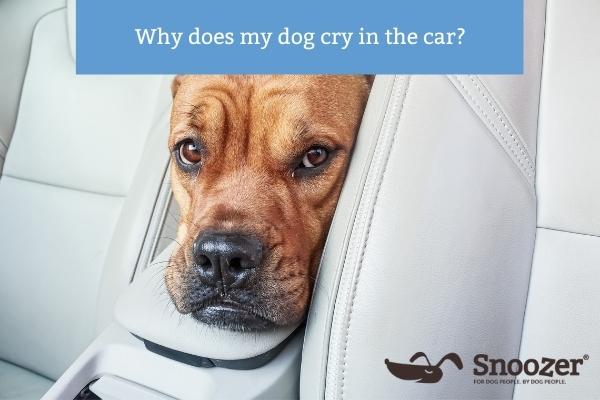
Image Source: snoozerpetproducts.com
Decoding Canine Car Talk
Dogs cannot speak our language. But they do tell us how they feel. Whining is a big sign. It tells us something is not right. We need to watch our dogs closely. We need to learn their signals. This helps us make car rides better.
Dog Car Anxiety: A Common Foe
Many dogs feel fear when in a car. This is called dog car anxiety. It’s like a bad feeling inside them. They might not know what to expect. Think of it as a fear of the unknown.
* New sights and sounds: Cars move fast. They make loud noises. Other cars zoom by. These things can scare a dog. They are not like home.
* Bad past rides: Maybe a past car ride ended badly. A trip to the vet for a shot can make a dog fear cars. If a dog had a scary crash, it will remember that. This can make them whine on future rides.
* Not enough early trips: Puppies need to ride in cars often. This helps them get used to it. If a puppy does not ride much, cars can seem strange. They might whine more when older.
* Feeling trapped: Dogs like to move freely. A car can feel like a small box. They cannot get out. This can cause fear.
Motion Sickness in Dogs Car: The Tummy Trouble
Some dogs get sick in cars. This is motion sickness in dogs car. It is like people getting seasick. Their body tells them they are moving, but their eyes do not see the same. This mix-up makes them feel ill.
* Inner ear issues: Dogs have an inner ear system. It helps them balance. When a car moves, this system sends signals. If these signals do not match what the dog sees, it can cause sickness.
* Young dogs more prone: Puppy crying car ride often links to motion sickness. Young dogs have inner ear parts that are still growing. This makes them more likely to feel sick. Most puppies grow out of this by about one year old.
* Anxiety makes it worse: A dog who is already worried about the car might also feel sick. Fear can make tummy troubles worse. Sickness can also make fear worse. It is a bad cycle.
Excitement or Overstimulation
Not all whining is bad. Some dogs whine from being too excited.
* Going to fun places: Your dog might know you are going to the park. Or to see a favorite friend. This can make them too excited. They whine because they cannot wait.
* Too much going on: Cars offer many new sights and smells. A dog might get too much sensory input. This can lead to overstimulation. They might whine to let out all that extra energy.
Discomfort or Pain
Sometimes a dog whines because they are not comfy. Or they hurt.
* Wrong gear: A harness might rub their skin. A crate might be too small. These things can cause pain.
* Hidden injury: Your dog might have a small injury. The bumps of the car ride could make it hurt more.
* Older dog aches: Older dogs can have stiff joints. Car rides might make them feel pain.
Attention Seeking or Boredom
Dogs are smart. They learn fast. If whining gets them attention, they might do it more.
* Learned habit: If you always talk to your dog when they whine, they learn. They think, “Whining gets me notice!”
* Wanting action: Some dogs get bored easily. They might whine because they want to play. Or they want the ride to end.
Grasping Dog Car Signals
Whining is just one sign. Dogs show us many things when they are not happy in the car. We need to look for other clues too. These signs help us know what is really wrong. This is key to figuring out dog hates car symptoms.
Signs of Dog Car Anxiety
When a dog feels worried in the car, they show it in many ways. This is part of dog car anxiety.
* Whining: As we know, this is a big one. It can be soft or loud.
* Barking: Dog barking in car can be a sign of fear. They might bark at things outside. Or bark at you.
* Panting: Why dogs pant in car often ties to stress. They might pant very fast. Their mouth may be open wide. This is not always about heat. It can mean they are very worried.
* Drooling: More drool than usual is a big sign. It means stress. It can also mean they are sick.
* Trembling or shaking: They might shake all over. This is a clear sign of fear.
* Yawning: This is a stress signal, not just being tired.
* Lip licking or swallowing: They might lick their lips a lot. This means they are nervous.
* Cowering or hiding: They might try to hide under the seat. Or push themselves into a corner.
* Stiff body: Their body might be tense. They might not relax.
* Refusing to get in: If your dog runs away from the car, it hates car rides. This is a clear dog hates car symptom.
Signs of Motion Sickness
Motion sickness shows different signs. It is mostly about the tummy.
* Excessive drooling: This is often the first sign. Their mouth will be very wet.
* Lip licking, swallowing: They try to calm their stomach.
* Vomiting: This is the most clear sign. They throw up their food.
* Lethargy: They might become very quiet. They might seem tired.
* Restlessness: Some dogs cannot get comfy. They move around a lot.
* Whining: Like anxiety, they might whine because they feel bad.
Puppy Crying Car Ride Specifics
Puppies have special reasons to cry in the car.
* New to the world: Everything is new to a puppy. A car ride is a big change.
* Missing their family: Puppies miss their mom and brothers and sisters. Being alone in a car can be scary.
* Small bladders: Puppies cannot hold their pee for long. They might cry because they need to go out.
* Fear of new sounds: The loud engine. Other cars honking. These sounds can make a puppy scared.
Interpreting Dog Barking in Car
Dog barking in car is not always the same. What it means depends on why your dog is barking.
* Alert barking: They might bark at something they see outside. Another dog. A person. This is like saying, “Hey, look!”
* Frustration barking: They want to get to something. Or they want out. This barking is often loud and steady.
* Excitement barking: If they are super excited, they might bark. This can happen if they know they are going somewhere fun.
* Fear barking: This is a high-pitched, shaky bark. It means they are truly scared. This is part of dog car anxiety.
Calming the Car Ride Chaos
Now we know why dogs whine. Let’s find out how to calm dog in car. It takes time and effort. But it is worth it for a happy dog.
Training Dog for Car Travel: Step by Step
Good training is key for training dog for car travel. It makes cars a fun place.
* Positive Exposure:
* Start small: Do not just put your dog in the car and drive. First, open the car door. Let your dog sniff inside. Give treats. No pressure.
* Car as a happy place: Play games near the car. Put their favorite toy inside. Give yummy treats only near or in the car.
* Short visits: Let your dog sit in the car. Close the door for a minute. Then open it. Praise them. Give treats. Build up this time slowly.
* Gradual Acclimation:
* Engine off: Once your dog is happy sitting in the car, turn the engine on. Just for a few seconds. Then off. Praise. Treat.
* Engine on, not moving: When they are okay with the engine on, sit in the car. Engine on. Do not move. Give treats.
* Very short trips: Drive down the driveway and back. Or around the block. Keep it super short. End on a good note. Always go to a fun place first. Like a park, not the vet.
* Longer trips: Slowly make trips longer. Go to more exciting places. If your dog gets scared, go back to shorter trips.
* Desensitization to Motion:
* Smooth rides: Drive very smoothly. Avoid sudden stops or turns. This helps with motion sickness in dogs car.
* Keep it calm: Talk in a soft voice. Do not get upset if they whine. Stay relaxed. Dogs feel your calm.
* Safety First:
* Crates or harnesses: Always make sure your dog is safe. A travel crate or a car harness keeps them secure. This stops them from moving too much. It also keeps them safe if you stop fast.
* Reduces distraction: A secure dog will not jump on you while you drive. This makes the trip safer for everyone.
Car Sickness Remedies for Dogs: Easing the Tummy
If your dog gets car sickness remedies for dogs can help. Always talk to your vet first.
* Natural Aids:
* Ginger: A tiny piece of fresh ginger can calm a tummy. Ask your vet about the right amount. Do not give too much.
* Acupressure: There are bands for dogs that press on a point on their wrist. This can help with nausea.
* Calming sprays: Some sprays use dog pheromones. These can make a dog feel calmer. Spray it in the car before the ride.
* Over-the-Counter:
* Dramamine: Some vets suggest human Dramamine for dogs. But the dose is very small. Always ask your vet first!
* Benadryl: This can make dogs sleepy. It might help with mild fear and sickness. Again, ask your vet about the dose.
* Prescription:
* Cerenia: This is a strong medicine for motion sickness. Only your vet can give this to you. It works very well.
* Feeding Schedule:
* Empty stomach: It’s often best not to feed your dog right before a car ride. An empty or almost empty stomach helps. Give a small, light meal a few hours before.
Dog Travel Stress: Proactive Steps
Besides training and medicine, other things help with dog travel stress.
* Comfort Items:
* Favorite blanket or toy: Bring something from home. It smells familiar. It brings comfort.
* Scent of home: A shirt you wore can also help. Place it near them.
* Music/White Noise:
* Calming sounds: Play soft classical music. Or special dog calming music. White noise can block scary outside sounds.
* Plenty of Breaks:
* Stop often: On long trips, stop every few hours. Let your dog pee and poop. Let them stretch their legs. A short walk helps.
* Offer water: Always have fresh water ready.
* Secure Environment:
* Crate or car seat: A secure spot helps. It limits too much movement. This reduces motion sickness. It also makes them feel safer.
* Blocking view: For some dogs, seeing too much outside makes them anxious. A crate can help. Or a window shade.
* Driver Calmness:
* Stay relaxed: Your dog can feel your mood. If you are stressed, they will be too. Stay calm. Speak in a soft, happy voice.
Managing Excessive Panting
If you ask, why dogs pant in car often, it is linked to stress or heat.
* Cooling measures: Make sure the car is cool. Use the AC. Open windows a bit. Provide fresh water often. A cooling mat can also help.
* Stress reduction: If panting is from fear, use the training tips above. Make the car a happy place.
* Vet check: If your dog pants a lot even when cool and calm, see your vet. It could be a health issue.
Quieting Dog Barking in Car
Dog barking in car can be annoying. More importantly, it shows your dog is not calm.
* Distraction: Give them a special chew toy. A Kong filled with peanut butter can keep them busy.
* Blocking view: If they bark at things outside, try a crate cover. Or put them in a spot where they cannot see out much.
* “Quiet” command: Teach them the “quiet” command at home. When they bark, say “quiet.” When they stop, give a treat. Practice this in the car too.
* Address the cause: Is it fear? Boredom? Excitement? Fix the root cause. This will stop the barking better than just telling them “no.”
Tools for a Smoother Ride
Special gear can make car rides better for your dog. They help keep them safe and comfy.
Car Harnesses and Seatbelts
These are very important for safety.
* Safety first: A car harness connects to the car’s seatbelt. It keeps your dog safe in a crash. It stops them from jumping around.
* Control movement: If your dog moves too much, it can make motion sickness worse. A harness keeps them steady.
* Comfort: Look for a harness that is crash-tested. Make sure it fits well. It should not rub or pinch.
Travel Crates and Carriers
Crates can be a dog’s safe spot.
* Safe, secure den: Many dogs feel safe in a crate. It is like their own small room. In a car, it gives them a secure space.
* Minimizes motion sickness: A crate limits what your dog sees. This can help if they get motion sickness. It also stops them from rolling around.
* Protects in crash: A sturdy, crash-tested crate is the safest way for your dog to travel. It protects them from harm.
Car Seats/Boosters
These are good for smaller dogs.
* Elevates view: A car seat lifts your small dog up. They can see out the window. This can make some dogs happier.
* Security: Like harnesses, they keep small dogs safe and in one spot.
Window Shades and Reflectors
These simple items can make a big difference.
* Reduces glare, heat: Sun can make the car hot. It can also cause glare. Shades keep the car cooler and block bright light.
* Blocks outside triggers: If your dog barks at things outside, a shade can help. It limits what they see.
Spill-Proof Water Bowls
Keeping your dog hydrated is key.
* Easy hydration: These bowls stop water from splashing out. You can keep fresh water in the car for your dog.
| Item Type | Best Use | Benefits |
|---|---|---|
| Car Harness/Seatbelt | Safety, preventing movement | Keeps dog secure, reduces injury risk, less distraction |
| Travel Crate/Carrier | Safe den, limiting views, crash protection | Sense of security, reduces motion sickness, highest crash safety |
| Car Seat/Booster | Small dogs, seeing out window | Elevates view, keeps dog contained, safer than loose |
| Window Shades | Reducing sun, blocking triggers | Cooler car, less glare, fewer outside distractions |
| Spill-Proof Water Bowl | Hydration, keeping car clean | Easy access to water, prevents messes |
| Calming Chews/Treats | Mild anxiety, stress relief (vet approval) | Natural calming, distraction |
| Familiar Blanket/Toy | Comfort, scent of home | Reduces stress, provides security |
Knowing When to Call the Vet or Trainer
Sometimes, you need extra help. If your dog’s whining is severe or does not get better, it’s time to ask a pro.
Persistent Symptoms
- Vomiting often: If your dog keeps throwing up on rides, even with changes, see your vet. They can give strong medicine.
- Extreme fear: If your dog shows very strong fear (shaking, drooling, cowering) and training alone does not help, talk to your vet.
- Harm to self: If your dog hurts itself trying to get out of the car, get help fast.
Behavioral Specialists
- Severe anxiety: For very bad dog car anxiety, a dog behavior expert can help. They are trained to fix deep-seated fears.
- Aggression: If your dog shows aggression in the car (growling, snapping), a trainer can guide you.
Medical Issues
- Rule out other causes: Sometimes, panting or whining can be a sign of a health problem, not just car stress. Your vet can check your dog’s health. They can make sure there is no hidden pain or illness.
Frequently Asked Questions
Can I give my dog human motion sickness medicine?
No, do not give your dog human medicine without asking your vet first. Many human medicines are not safe for dogs. The dose is also very different. Always talk to your vet. They can tell you what is safe and how much to give.
How long does car sickness last in dogs?
Most puppies tend to outgrow car sickness by the time they are about one year old. Their inner ears develop fully by then. However, some dogs, especially those with strong dog car anxiety, might continue to feel sick their whole lives. For these dogs, ongoing support and vet-approved remedies are very helpful.
Is it okay for a dog to hang its head out the window?
It looks fun, but it is not safe. Dust, bugs, or rocks can hit their eyes. This can cause serious injury. Also, a dog could fall out of the window if the car turns sharply or hits a bump. It is much safer to keep your dog inside the car with a secure harness or in a crate.
What about specific breeds? Do some breeds get car sick more?
No, any dog can get car sick or have car anxiety. It is not really tied to their breed. Some dogs are just more sensitive to motion. Others might have bad past experiences. Each dog is different. It is more about the individual dog than their breed.
Making car rides better for your dog takes time. It needs patience and effort. But seeing your dog calm and happy in the car is a great reward. By learning their signs, using good training, and getting help when needed, you can turn car rides into happy trips for everyone.