
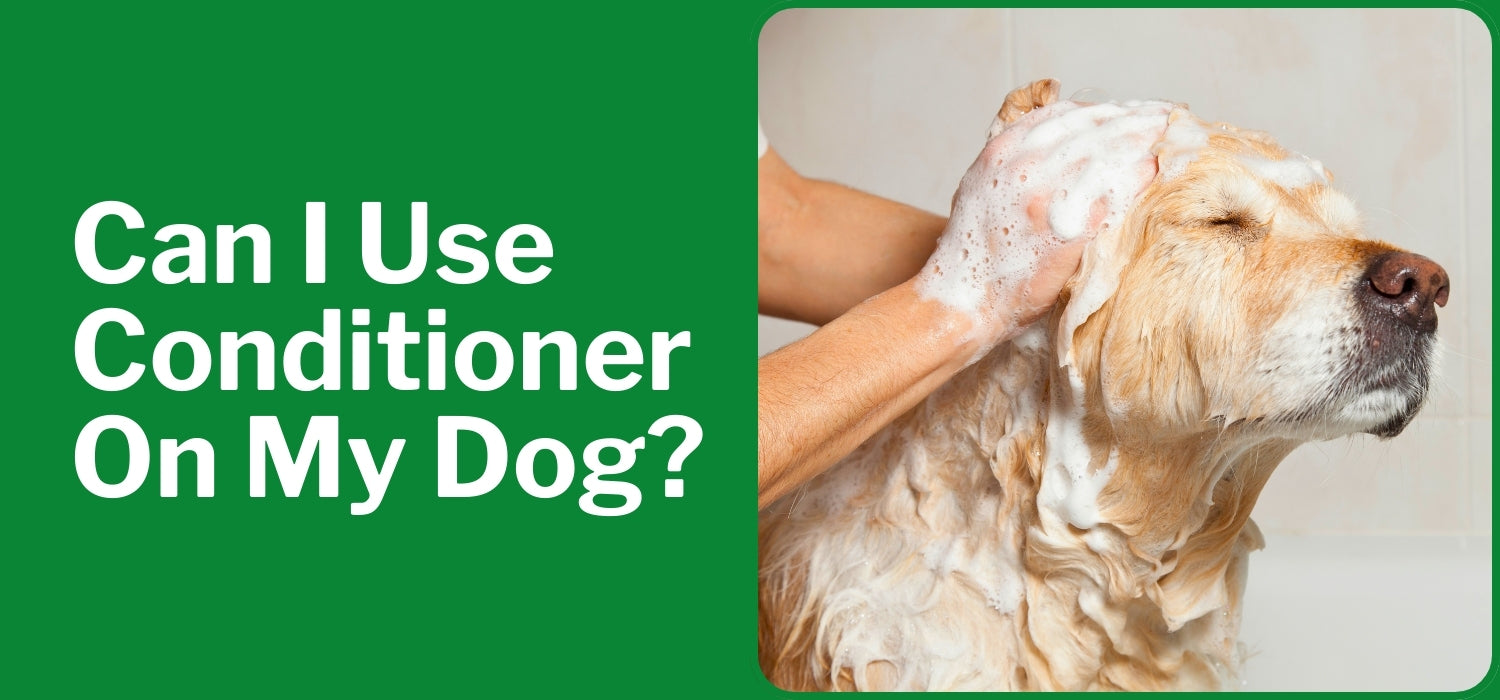
Image Source: thedogdoctors.co.uk
Can I Use Conditioner On My Dog? Vet-Approved Advice.
Can you use conditioner on your dog? Yes, you can use conditioner on your dog. But, it must be a special conditioner made just for dogs. Do not use human conditioner. This includes baby conditioner. Baby conditioner is not safe for dogs either. Dog skin is very different from human skin. Using the wrong product can hurt your dog’s skin and coat.
Why Your Dog Might Need Conditioner
Dogs need care for their skin and fur. A good bath helps keep them clean. But, shampoo alone can strip natural oils. This can make their skin dry. It can also make their fur dull. Conditioner helps fix these problems.
Beyond Just Clean Fur
Shampoo cleans away dirt and oils. This is good. But, it can also take away helpful oils. These oils keep the skin healthy. They make the fur shiny and soft. Conditioner puts moisture back. It helps the skin stay soft. It makes the fur easier to comb. This is important for dogs with long fur.
Signs Your Dog Needs Conditioner
Look for these signs. They tell you your dog might need conditioner:
- Dry, flaky skin: You might see white flakes on their fur. Their skin might look red.
- Dull, rough fur: The coat looks lifeless. It does not shine. It feels coarse.
- Mats and tangles: Fur gets knotted easily. It is hard to brush.
- Excessive scratching: Your dog scratches a lot. This can mean dry or irritated skin. This can be a sign they need itchy dog skin treatment.
- Static electricity: Their fur might stand on end. You might hear crackling sounds.
Crucial Differences: Human vs. Dog Conditioner
Do not use your own conditioner on your dog. Your dog’s skin and fur are not like yours. Human products are made for human needs. These needs are very different from a dog’s.
pH Balance Matters
The pH level is very important. pH tells us how acidic or alkaline something is. It is a scale from 0 to 14.
* 0 to 6 is acidic.
* 7 is neutral.
* 8 to 14 is alkaline (basic).
Human skin is acidic. Our pH is about 5.5. Most human conditioners match this. They help our acidic skin and hair.
Dog skin is different. Dog skin is more neutral. Their pH is about 6.2 to 7.5. It varies by breed. But it is always higher than human skin.
What happens if you use human conditioner on a dog?
* It is too acidic for their skin.
* It can upset their skin’s natural balance.
* This can lead to dry skin.
* It can cause irritation.
* It can make them more likely to get infections.
Here is a simple look at pH levels:
Table: Human vs. Dog Skin pH
| Feature | Human Skin pH | Dog Skin pH |
|---|---|---|
| pH Range | 4.5 – 6.0 | 6.2 – 7.5 |
| Type | Acidic | More Neutral |
| Products | Human | Dog-Specific |
This difference in pH is a big reason why human products are bad for dogs. They can harm the dog’s skin barrier.
Ingredients Differ Greatly
Human conditioners have many ingredients. Some are good for people. They can be very bad for dogs. Dogs lick their fur. They might eat some conditioner left on their coat. This can make them sick.
Table: Common Human Conditioner Ingredients (and why they are bad for dogs)
| Ingredient Group | Example Ingredient(s) | Why It’s Bad for Dogs |
|---|---|---|
| Fragrances | Perfumes, synthetic scents | Can cause skin irritation, allergies, or respiratory issues. Harmful if ingested. |
| Dyes | Artificial colors | Can cause skin reactions. No benefit for dogs. |
| Sulfates | Sodium Lauryl Sulfate (SLS) | Harsh detergents that can dry out skin. Irritating. |
| Parabens | Methylparaben, Propylparaben | Preservatives that may disrupt hormones. Bad if ingested. |
| Phthalates | Found in fragrances | Potential hormone disruptors. |
| Alcohol | Ethanol, Isopropyl Alcohol | Very drying to skin. Can cause irritation and discomfort. |
| Silicone | Dimethicone | Can build up on fur, trapping dirt. May irritate skin over time. |
| Coal Tar | Used in some dandruff shampoos | Toxic if ingested, causes severe irritation. |
| Artificial Thickeners | Carbomers | Can be irritating to sensitive skin. |
These ingredients are common in human products. They are often found in baby conditioner too. Even baby products are not safe for dogs. They are made for human baby skin. This skin is still more acidic than dog skin. Always check labels. Look for dog safe conditioner ingredients.
The Risks of Using Human Conditioner on Dogs
Using human conditioner on dogs carries many risks. It is not just about a bad hair day for your dog. It can cause serious health problems.
Skin Irritation and Allergies
This is one of the biggest risks using human conditioner on dogs. The wrong pH can strip the skin. It can make it very dry. It can cause redness. Your dog might get itchy. They might scratch a lot. This scratching can lead to open sores. These sores can get infected.
Also, many human conditioner ingredients cause allergies. Dogs can react to scents or chemicals. This reaction can show as:
* Red, inflamed skin.
* Bumps or rashes.
* Excessive licking or chewing of the skin.
* Hair loss in spots.
These symptoms mean your dog is having a bad reaction.
Damaging the Skin Barrier
Your dog’s skin has a natural barrier. This barrier protects them from germs. It keeps moisture in. The wrong pH or harsh chemicals can break this barrier. When the barrier is weak:
* Bacteria and fungi can get in easily.
* Your dog might get skin infections.
* Their skin becomes very dry and sensitive.
* They might feel constant discomfort.
A damaged skin barrier makes your dog prone to many issues. This includes skin infections. It also includes ongoing itching.
Ingesting Harmful Chemicals
Dogs lick themselves. It’s how they clean. After a bath, they will lick their fur. If you use human conditioner, they will lick it too. Many human conditioner ingredients are toxic. They can be harmful if eaten.
Ingesting these chemicals can cause:
* Upset stomach.
* Vomiting.
* Diarrhea.
* Lethargy (being very tired).
* In severe cases, organ damage or poisoning.
Always think about what goes on their skin. Because it can also go in their mouth.
Itchy Skin and Other Problems
Even if no severe allergy happens, your dog might just feel itchy. This can be from dry skin. It can be from a mild irritation. Constant itching is not good. It affects their quality of life. They might chew their paws. They might rub against furniture. This can lead to hot spots. Hot spots are painful, raw skin lesions. They are hard to heal. Proper itchy dog skin treatment starts with preventing irritation. This means using safe products.
The Good Stuff: Benefits of Dog-Specific Conditioner
Now you know what not to use. Let’s look at the good options. Dog-specific conditioners offer many benefits. They are made for your dog’s unique needs.
For a Healthy Coat and Skin
Dog conditioners help maintain a healthy pH. This supports their skin barrier. It keeps the skin moisturized. A well-hydrated skin means:
* Less dryness.
* Less flaking.
* Less itching.
For the fur, dog conditioner:
* Adds shine.
* Makes fur soft.
* Helps repair damaged strands.
* Reduces static.
This leads to a beautiful, healthy coat. It also means happy, comfortable skin for your dog. These are key benefits of dog specific conditioner.
Preventing Mats and Tangles
Dogs with long hair or double coats often get mats. Mats are tight knots of fur. They are painful for your dog. They pull on the skin. They can hide skin problems. They can also trap dirt and moisture. This can cause skin infections.
Conditioner smooths the hair shaft. It makes the fur slippery. This makes brushing easier. It helps prevent tangles from forming. If tangles do form, they are easier to brush out. This makes grooming a much nicer experience for both of you. It also means less need for painful de-matting sessions.
Soothing Dry, Itchy Skin
Many dogs suffer from dry skin. This can be due to:
* Weather changes.
* Allergies.
* Certain health conditions.
* Just naturally dry skin.
Dog conditioners often have ingredients that soothe skin. These can include:
* Oatmeal.
* Aloe vera.
* Chamomile.
These ingredients help calm irritated skin. They add moisture. They reduce itching. This provides great relief for dogs with dry or sensitive skin. This is also a good step for itchy dog skin treatment.
What to Look For: Dog Safe Conditioner Ingredients
Choosing the right dog conditioner is key. Read the label carefully. Look for specific ingredients. Avoid others.
Beneficial Ingredients to Seek Out
When looking for dog safe conditioner ingredients, aim for natural and gentle options. These ingredients help nourish the skin and coat. They are less likely to cause irritation.
Here are some good ingredients:
- Oatmeal: This is a top pick for itchy and dry skin. It soothes and moisturizes. It is a natural moisturizer for dog coats.
- Aloe Vera: Known for its calming properties. It helps reduce redness and inflammation. It adds moisture.
- Coconut Oil: A natural emollient. It helps make fur soft and shiny. It also moisturizes dry skin.
- Shea Butter: A rich moisturizer. It conditions the coat and skin.
- Vitamin E: An antioxidant. It helps protect skin cells. It supports healthy skin.
- Chamomile: Has anti-inflammatory properties. It helps calm irritated skin.
- Glycerin: A humectant. It draws moisture from the air to the skin.
- Botanical Extracts: Look for extracts like calendula or lavender. They can be soothing. Make sure they are pet-safe.
- Essential Fatty Acids (e.g., Omega-3, Omega-6): These nourish the skin barrier. They help keep skin healthy. They are often found in higher-end conditioners.
When you see these ingredients, it is a good sign. They suggest a product made with your dog’s health in mind. Many natural moisturizers for dog coats can be found in these products.
Ingredients to Avoid
Just as important as knowing what to look for, is knowing what to avoid. Steer clear of these ingredients to protect your dog:
- Artificial Fragrances and Dyes: These are common causes of skin irritation and allergies.
- Parabens (e.g., Methylparaben, Propylparaben): These are preservatives. Some studies suggest they might have negative health effects.
- Phthalates: Often hidden in “fragrance” ingredients. They are linked to health issues.
- Sulfates (e.g., Sodium Lauryl Sulfate, Sodium Laureth Sulfate): Harsh detergents that can strip natural oils. They can dry out and irritate the skin.
- Alcohol: Very drying and irritating. Look for “alcohol-free” products.
- Formaldehyde-releasing Preservatives: These can be irritating and are potential carcinogens. Examples include DMDM Hydantoin.
- Mineral Oil/Petroleum: While not directly harmful in small amounts, they can clog pores. They do not allow the skin to breathe.
- Tea Tree Oil (in high concentrations): Can be toxic to dogs, especially if ingested or used in high amounts. Small, diluted amounts in professional products might be okay, but it’s best to avoid if unsure.
Always choose products labeled “hypoallergenic” or “for sensitive skin” if your dog has known allergies. Or, if they have reacted to products before.
Choosing the Right Dog Conditioner
Not all dog conditioners are the same. Pick one that fits your dog’s coat type and skin needs.
For Different Coat Types
- Long-haired breeds (e.g., Golden Retrievers, Afghan Hounds): Need heavy conditioning. Look for rich formulas. These help prevent mats and add shine. They also make brushing easier.
- Double-coated breeds (e.g., Huskies, German Shepherds): Need conditioners that penetrate both layers. They help maintain the undercoat. They prevent shedding. Look for products that promote healthy shedding cycles.
- Short-haired breeds (e.g., Bulldogs, Beagles): Can use lighter conditioners. These add moisture without weighing down the fur. They focus on skin health.
- Curly-haired breeds (e.g., Poodles, Bichon Frise): Need conditioners that define curls. They help prevent frizz. They add moisture to keep curls bouncy.
- Wire-haired breeds (e.g., Terriers): Need conditioners that do not soften the coat too much. Look for formulas that maintain texture.
For Special Skin Needs
Some dogs have ongoing skin problems. They need special care.
- Dry, Itchy Skin: Look for conditioners with oatmeal, aloe vera, or rich natural oils. These are the best dog conditioner for dry skin. They add moisture and calm irritation. They soothe the skin.
- Sensitive Skin: Choose fragrance-free and dye-free options. Look for “hypoallergenic” labels. Avoid common irritants.
- Allergies: If your dog has known allergies, show the ingredient list to your vet. They can help you pick a safe product.
- Puppies: Use conditioners made just for puppies. These are extra gentle. They have mild formulas.
Tackling Itchy Skin
If your dog has itchy skin, conditioner can be a part of the solution. But it is not the whole answer.
* Medicated conditioners: Your vet might suggest a medicated conditioner. These have ingredients that fight yeast or bacteria. They help treat the root cause of itching.
* Regular use: For chronic dryness, use conditioner often. This helps keep skin hydrated.
* Diet: A good diet supports skin health from inside. Talk to your vet about diet changes.
* Allergy control: If allergies cause itching, managing allergies is key. This might mean medication or avoiding triggers.
Always consult your veterinarian for persistent itchy skin. They can diagnose the cause. They can give the best itchy dog skin treatment plan. They can also recommend veterinarian recommended dog grooming products.
Applying Conditioner the Right Way
Using conditioner correctly is important. It ensures your dog gets the full benefits. It also helps avoid problems.
Step-by-Step Guide
- Brush first: Always brush your dog before bathing. This removes loose fur and tangles. It makes washing easier. It helps the conditioner spread evenly.
- Wash thoroughly: Bathe your dog with a dog-specific shampoo. Make sure to rinse all the shampoo out. Any shampoo left can cause irritation.
- Apply conditioner: Squeeze a good amount of dog conditioner into your hand. Start from the neck. Work your way down their body. Use your fingers to rub it into the fur. Make sure it reaches the skin.
- For long-haired dogs, focus on the ends and tangled areas.
- For short-haired dogs, spread it evenly over their body.
- Let it sit: Follow the product directions. Most conditioners need 3-5 minutes to work. This lets the ingredients sink in. It allows them to moisturize the skin and fur. You can use this time to gently massage your dog. This can be relaxing for them.
- Rinse well: This is the most crucial step. Rinse your dog until the water runs clear. Feel their fur. It should not feel slimy or soapy. Any conditioner left behind can irritate the skin. It can also attract dirt. This can lead to skin problems.
Rinsing is Key
Rinsing is vital. If conditioner is left on the skin, it can:
* Clog pores: This can lead to breakouts or infections.
* Leave residue: The fur will feel greasy. It will attract dirt.
* Cause irritation: Even dog-specific conditioners can irritate if not fully rinsed.
Spend extra time rinsing. Use cool or lukewarm water. Lift up fur to check. Make sure no product remains on the skin.
Beyond Conditioner: Other Grooming Helpers
Conditioner is a great tool. But other products can help too. They keep your dog looking and feeling great.
Pet Friendly Detangler Spray
For dogs prone to tangles, a detangler spray is a lifesaver. You can use it between baths. Or you can use it before brushing.
* How it works: It makes the fur smoother. It helps your brush glide through knots.
* Benefits: Reduces pulling and pain during brushing. Prevents new tangles. Keeps fur smooth.
* What to look for: Choose a pet friendly detangler spray. It should be non-greasy. It should have natural ingredients. Many are “leave-in” formulas. This means you do not rinse them out. This makes them easy to use.
A good detangler spray can save a lot of grooming time. It makes the experience more pleasant for your dog.
Veterinarian Recommended Dog Grooming Products
Your vet is the best source for advice. They know your dog’s health history. They know their specific skin and coat needs. Ask your vet for their top picks.
* Specialized Shampoos: For allergies, skin infections, or excessive shedding.
* Medicated Products: If your dog has a skin condition, your vet might prescribe special shampoos or conditioners.
* Supplements: Some supplements (like fish oil) improve skin and coat health from the inside out. Your vet can tell you if these are right for your dog.
* Brushes and Tools: Your vet can suggest the best brush for your dog’s coat type. The right tools make grooming easier and more effective.
Don’t guess when it comes to your dog’s health. Always ask your vet. They can help you choose the best products.
Key Takeaways
- Yes, you can use conditioner on your dog, but it MUST be a conditioner made for dogs.
- Never use human conditioner or baby conditioner on your dog. Their skin pH is different. Human products have bad chemicals.
- Dog-specific conditioners help with dry skin, tangles, and overall coat health.
- Look for natural ingredients like oatmeal, aloe vera, and coconut oil.
- Avoid harmful ingredients like artificial fragrances, dyes, sulfates, and parabens.
- Rinse thoroughly after conditioning.
- Ask your vet for advice on the best products for your dog.
Giving your dog the right care means using the right products. A good conditioner helps your dog feel and look their best. It makes their skin healthy. It makes their fur soft and shiny. It is a key part of good grooming.
Frequently Asked Questions (FAQ)
Can you use baby conditioner on dogs?
No, you should not use baby conditioner on dogs. Even though it is gentle for human babies, it is not made for dog skin. Human skin, even baby skin, has a different pH level than dog skin. Baby conditioner can dry out your dog’s skin. It can cause irritation and itching. It might also have ingredients that are harmful if your dog licks them. Always use a conditioner made just for dogs.
How often should I use conditioner on my dog?
How often depends on your dog’s coat type and skin needs.
* For most dogs: Conditioning every 3-4 weeks is fine. This is usually when they get a bath.
* For dogs with long or curly hair: You might use it every 2-3 weeks. This helps prevent mats.
* For dogs with very dry or itchy skin: You might use it more often. Perhaps every 1-2 weeks. Use a soothing formula.
* Talk to your vet: Your vet can give the best advice. They know your dog’s specific needs.
Do not over-condition. Too much product can weigh down the fur. It can also build up on the skin. This can lead to problems.
What if my dog licks conditioner?
If your dog licks a small amount of dog-specific conditioner, it is usually okay. Most dog conditioners use safe, non-toxic ingredients. Still, it is always best to rinse all product from their fur. If you used human conditioner and your dog licked it, watch them closely. Look for signs of illness like:
* Vomiting.
* Diarrhea.
* Lethargy (being very tired).
* Lack of appetite.
If you see these signs, call your vet right away. Keep all human products away from your dog.
Can I use human leave-in conditioner on my dog?
No, you should not use human leave-in conditioner on your dog. Just like rinse-out conditioners, human leave-in products are not made for dogs. They have the wrong pH. They can contain harsh chemicals, fragrances, or dyes. Since they are left on the fur, the risks of skin irritation or ingestion are even higher. If your dog needs a leave-in product, choose a pet friendly detangler spray or a leave-in conditioner made specifically for dogs. These products are formulated to be safe.