
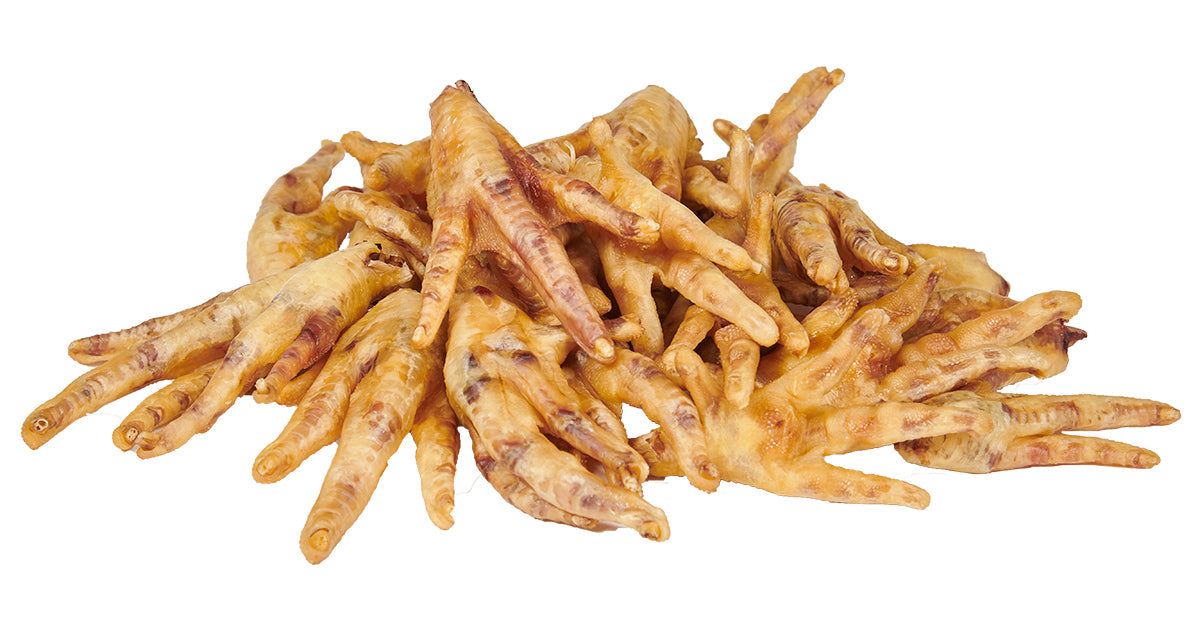
Image Source: campfiretreats.com
How Many Chicken Feet Can A Dog Eat? Safety First!
Most dogs can safely eat one to three raw chicken feet a day. This depends on their size and diet. Always start with a small amount. Watch your dog closely when they eat chicken feet. They give good nutrients. But eating too many can cause problems. Raw chicken feet are much safer than cooked ones. Cooked chicken feet can be very dangerous for dogs.
Chicken feet are a popular treat for many dog owners. They are natural and chewy. They offer many good things for your dog’s health. But it is very important to give them the right way. This guide will tell you all you need to know. We will talk about how many chicken feet are safe. We will cover the good parts and the bad parts. We will focus on dog chicken feet safety.
The Good Side of Chicken Feet for Dogs
Chicken feet are more than just a fun chew. They offer great health benefits. Many dog owners choose them as part of a natural diet. They are packed with special parts that help your dog stay healthy.
Full of Joint Helpers
Chicken feet are rich in things that help dog joints. These include collagen, glucosamine, and chondroitin.
* Collagen: This is a key building block. It helps make healthy skin, strong nails, and flexible joints. It is a protein. It keeps tissues working well.
* Glucosamine and Chondroitin: These are natural helpers for joints. They are often found in joint health supplements. They help keep cartilage healthy. Cartilage is the soft tissue between bones. It stops bones from rubbing. This can ease joint pain. It can help dogs with arthritis. This is why many people use chicken feet for dog joint health.
Great for Dental Health
Chewing raw chicken feet can help clean your dog’s teeth.
* The chewing action helps scrape off plaque and tartar. Plaque is a sticky film. Tartar is hardened plaque.
* This is like a natural toothbrush for dogs. It helps keep teeth clean. It makes breath fresher.
* It is a good way to improve your dog’s mouth health. It can reduce the need for deep dental cleanings at the vet. This saves money and stress.
Good Source of Nutrients
Chicken feet have other good things too.
* They offer calcium. Calcium is key for strong bones. It also helps nerves and muscles work.
* They have phosphorus. This mineral works with calcium. It keeps bones strong.
* They contain healthy fats. These give your dog energy. They help absorb vitamins.
* They have good proteins. Proteins are vital for muscle growth and repair.
A Satisfying Chew
Dogs love to chew. Chewing helps dogs in many ways.
* It eases boredom.
* It reduces stress.
* It can stop dogs from chewing on furniture.
* Chicken feet offer a natural, lasting chew. This keeps your dog busy and happy.
Safety Comes First: What You Must Know
While chicken feet offer many good things, safety is key. There are risks. Knowing these risks helps you keep your dog safe.
Raw vs. Cooked Chicken Feet
This is perhaps the most important safety rule.
* Cooked chicken feet for dogs danger: Never give your dog cooked chicken bones. This includes chicken feet. Cooking makes bones brittle. They can easily splinter. These sharp pieces can cause serious harm. They can get stuck in your dog’s throat. They can tear the stomach or intestines. This can lead to big problems. It can even cause death. Avoid all cooked bones. This is a very serious dog chicken feet safety rule.
* Raw chicken feet: Raw bones are flexible. They are soft enough to chew and digest. They are safer. A dog’s digestive system can break down raw bones. This is because raw bones still have moisture and are not as hard. Always give raw chicken feet only.
Risk of Choking
Even raw chicken feet can pose a risk.
* Chicken feet choking hazard dogs: Some dogs, especially those who eat too fast, might swallow a foot whole. This can lead to choking.
* Small dogs might struggle with a whole foot.
* Always watch your dog when they eat. Do not leave them alone with a chicken foot.
* You can hold one end of the foot for them. This slows them down. It helps them chew it properly.
* If your dog tends to gulp food, consider crushing the feet a bit. Or cut them into smaller pieces. This might be safer for them.
Digestive Upset
Some dogs might not handle chicken feet well.
* A sudden new food can cause an upset tummy. This includes chicken feet.
* Your dog might get loose stools. They might vomit.
* Introduce chicken feet slowly. Start with a very small amount. Watch for any bad signs.
* Too many chicken feet can also cause tummy problems. This is part of the can dogs eat too many chicken feet concern. We will talk more about this soon.
Bacteria Risk
Raw meat can carry bacteria.
* Salmonella and E. coli are examples. These can make your dog sick. They can also make people sick.
* Buy chicken feet from trusted sources. Make sure they are fresh.
* Handle them with care. Wash your hands after touching them. Clean surfaces well.
* Freeze chicken feet before giving them. Freezing helps kill some bacteria. Thaw them before serving.
How Many Chicken Feet Can a Dog Eat? Serving Guidelines
Knowing the right amount is key. It helps you give enough for benefits without causing problems. This covers recommended chicken feet serving size for dogs.
General Guidelines
The amount depends on your dog’s size, age, and diet.
* Small Dogs (under 20 lbs): 1 chicken foot, 2-3 times a week.
* Medium Dogs (20-50 lbs): 1-2 chicken feet, 3-4 times a week.
* Large Dogs (over 50 lbs): 2-3 chicken feet, 3-5 times a week.
* Giant Breeds (over 100 lbs): 3-4 chicken feet, 4-6 times a week.
These are just general rules. Always watch your dog. See how they react. Some dogs might need less. Some might handle a bit more.
A Gradual Introduction
Always start slow. Give one foot at first. Wait a day or two. See if your dog has any problems.
* Check their poop. Look for soft stools or diarrhea.
* Watch for vomiting or discomfort.
* If they do well, you can slowly give more.
* Do not give too many at once. This can shock their system.
Table: Recommended Serving Sizes
Here is a quick look at serving sizes:
| Dog Size Category | Weight Range | Daily Serving (Raw Chicken Feet) | Frequency Per Week |
|---|---|---|---|
| Small Dog | Up to 20 lbs | 1 | 2-3 times |
| Medium Dog | 20-50 lbs | 1-2 | 3-4 times |
| Large Dog | 50-100 lbs | 2-3 | 3-5 times |
| Giant Dog | Over 100 lbs | 3-4 | 4-6 times |
Note: These are guidelines. Adjust based on your dog’s health and diet.
Can Dogs Eat Too Many Chicken Feet?
Yes, they can. Eating too many chicken feet can lead to issues. This is a common question: can dogs eat too many chicken feet?
* Diarrhea or Loose Stools: Too much bone content can firm up poop too much. Or it can cause diarrhea. Bones can be constipating. Or too much fat can cause loose stools.
* Vomiting: Their stomach might not handle a large amount.
* Nutrient Imbalance: While chicken feet have good things, they are not a full meal. Relying too much on them can lead to an unbalanced diet. Your dog needs a mix of nutrients.
* Weight Gain: Chicken feet have calories. Too many snacks can lead to extra weight. Keep this in mind when adding them to your dog’s diet.
If you notice any of these signs, reduce the amount. Or stop giving them for a few days. Then restart with a smaller amount.
How Often Can Dogs Eat Chicken Feet?
This relates to the serving size. How often can dogs eat chicken feet?
* For most dogs, 2-4 times a week is a good plan.
* For very active dogs, or those needing more joint support, daily might be okay. But keep the quantity small.
* Think of them as a treat or supplement. Not a main meal.
* It’s best to mix them with other healthy chews and a balanced diet.
Special Cases: Puppies and Senior Dogs
Different life stages need different care.
Puppy Chicken Feet Dosage
Puppies can eat chicken feet. They need to chew. It helps their teeth grow. But be extra careful with them.
* Puppy chicken feet dosage: Start with half a chicken foot. Or even less.
* Give them only 1-2 times a week.
* Watch them very closely. Puppies are more likely to gulp. They might be more prone to choking.
* Make sure their adult teeth are coming in well. Too much chewing on hard items can harm baby teeth.
* Check their poop. Puppies have more sensitive tummies.
* Always talk to your vet before giving new foods to a puppy.
Senior Dogs and Chicken Feet
Senior dogs can also benefit from chicken feet.
* The joint-supporting parts are great for older dogs. Many seniors have joint pain.
* But senior dogs might have weaker teeth. Their digestive system might be slower.
* Watch how easily they chew. If they struggle, crush the feet. Or give softer chews.
* Check for any tooth pain. If they seem to hurt, stop giving bones.
* Start with a small amount. See how their body handles it.
What About the Toes and Nails?
Yes, dogs can eat the whole chicken foot. This includes the toes and nails.
* The nails are small and soft. They break down easily.
* The toes are also made of bone and cartilage. They are fully edible.
* Some people might remove the nails. This is for personal comfort. It is not needed for safety.
Possible Side Effects of Chicken Feet for Dogs
Even with proper care, some dogs might have bad reactions. It’s good to know what to look for. These are the side effects of chicken feet for dogs.
Digestive Issues
- Diarrhea or soft stools: Too much bone or fat can cause this. It’s common if you give too much too fast.
- Constipation: Too much bone can make poop hard. This can lead to straining. Your dog might have trouble going to the bathroom.
- Vomiting: Their stomach might reject the food. This can happen with a sudden change in diet. Or if they eat too fast.
- Stomach upset/pain: Signs include acting tired, not wanting to eat, or a hunched posture.
Allergic Reactions
Though rare, some dogs can be allergic to chicken.
* Signs can include itchy skin, ear infections, or digestive problems.
* If your dog has a chicken allergy, do not give them chicken feet.
Tooth Damage
- While chicken feet are softer than weight-bearing bones, very hard chewers might still chip a tooth.
- Always check your dog’s teeth regularly. Look for chips or cracks.
- If your dog is an aggressive chewer, consider crushing the feet. Or giving softer chew options.
Choking or Internal Blockage
- This is the most serious risk. It happens if a dog swallows a piece too large.
- Signs of choking: gagging, coughing, pawing at the mouth, blue gums.
- Signs of blockage: repeated vomiting, not eating, stomach pain, no poop.
- If you think your dog is choking or has a blockage, get to the vet right away. This is an emergency.
If you see any of these bad signs, stop giving chicken feet. Talk to your vet. They can help figure out the problem.
Getting and Storing Chicken Feet
Where you get chicken feet matters. How you store them matters too. This impacts their safety.
Sourcing Them Right
- Butcher Shops: These are often the best places. They usually have fresh, good quality chicken feet. Ask if they are pasture-raised or organic if that matters to you.
- Farmers Markets: Local farmers might sell them. This can be a great source for fresh, local products.
- Grocery Stores: Some stores carry them. Look in the frozen meat section.
- Online Raw Pet Food Stores: Many companies sell chicken feet for dogs. They often ship frozen. These are usually safe and made for pets.
Storage Tips
- Fresh: If using within a day or two, keep them in the fridge. Store them in a sealed container. This keeps them from touching other foods.
- Freezing: For longer storage, freeze them. This is the best way to keep them fresh. It also helps kill some bacteria. You can store them in the freezer for several months.
- Thawing: Thaw frozen chicken feet in the fridge. Do not thaw them on the counter. This helps prevent bacteria growth.
More Than Just Chicken Feet: Other Chews for Dogs
Chicken feet are great. But it is good to offer a variety of chews. This gives different nutrients. It keeps chewing interesting.
Other Raw Edible Bones
- Duck Feet: Similar to chicken feet. They are a bit bigger. Good for medium to large dogs. Offer similar joint benefits.
- Turkey Necks: Larger than chicken feet. Good for bigger dogs. Provide more meat and bone.
- Sardines: Not bones, but a great source of Omega-3s. Good for skin and coat. Small and easy to eat.
- Rabbit Parts: Ribs or heads can be good raw bone options.
Non-Edible Chews
These are not for eating. They are for chewing only.
* Bully Sticks: Made from beef. They are fully digestible. They are a good chew. But they can be high in calories.
* Yak Chews: Hard cheese chews. They last a long time. Good for strong chewers.
* Antlers: Very hard. Last very long. Can be too hard for some dogs. May cause tooth damage.
* Dental Chews: Designed to help clean teeth. Many different types.
* Rubber Chews (like Kongs): Can be stuffed with food. Great for mental work. Safe and durable.
Always pick chews that are right for your dog’s size and chewing style. Watch them with any new chew.
When to Talk to Your Vet
Your vet is your best friend when it comes to your dog’s health.
* Before Starting: Always talk to your vet before adding new foods. This is extra true for raw items or bones. This is especially important for puppies or dogs with health issues.
* If You Have Questions: If you are unsure about serving size, frequency, or safety, ask your vet.
* If Problems Happen: If your dog shows any bad signs after eating chicken feet, call your vet right away. This includes severe diarrhea, vomiting, choking signs, or signs of pain.
* For Health Conditions: If your dog has kidney disease, pancreatitis, or other health issues, discuss chicken feet with your vet. They might not be right for every dog.
Your vet knows your dog’s full health history. They can give the best advice for your dog.
Final Thoughts on Chicken Feet for Dogs
Chicken feet can be a very healthy and fun addition to your dog’s diet. They offer great benefits for joints and teeth. They are a natural way to satisfy a dog’s need to chew.
But remembering dog chicken feet safety is very important. Always feed them raw. Never give cooked chicken feet. Start slow. Watch your dog closely every time. Pay attention to how many you give. Too many can cause problems.
By following these simple rules, you can let your dog enjoy this tasty and beneficial treat. It will help them live a healthier, happier life. Make sure to choose good quality chicken feet. Store them well. And always put your dog’s safety first.
Frequently Asked Questions (FAQ)
Are raw chicken feet safe for dogs?
Yes, raw chicken feet are generally safe for dogs. The bones in raw chicken feet are soft and flexible. They do not splinter like cooked bones. This makes them safe for a dog’s digestive system.
Can chicken feet upset a dog’s stomach?
Yes, if given too much, or too fast, chicken feet can upset a dog’s stomach. This can lead to diarrhea, loose stools, or vomiting. Introduce them slowly. Start with a small amount. Watch your dog for any signs of upset.
How many chicken feet can a dog eat daily?
The amount depends on your dog’s size. Small dogs (under 20 lbs) might have one every other day. Large dogs (over 50 lbs) might eat 2-3 a few times a week. It’s usually best to treat them as a snack or supplement. Do not give them daily as a main food.
Are chicken feet good for dog teeth?
Yes, chewing raw chicken feet can help clean your dog’s teeth. The chewing action helps scrape off plaque and tartar from the tooth surfaces. This can lead to better dental health and fresher breath.
My dog swallowed a chicken foot whole. What should I do?
If your dog swallowed a chicken foot whole and seems fine, just watch them closely. If they show signs like gagging, coughing, extreme drooling, repeated vomiting, or stomach pain, get to your vet right away. This could mean choking or a blockage.
Can puppies eat chicken feet?
Yes, puppies can eat chicken feet. Start with a very small amount. Give half a foot or less, maybe once or twice a week. Always watch them closely. Puppies have sensitive tummies. Their teeth are still growing. Make sure they chew it well.
Should I remove the nails from chicken feet before giving them to my dog?
No, it is not necessary to remove the nails. The nails are small and soft. They are fully digestible. Most dogs can eat the whole chicken foot without a problem. Some owners remove them for personal comfort, but it’s not a safety rule.
What are the best places to buy chicken feet for dogs?
You can buy chicken feet at local butcher shops, farmers’ markets, or larger grocery stores. Many online raw pet food suppliers also sell them. Look for fresh, good quality chicken feet.
Can chicken feet help with dog joint pain?
Yes, chicken feet are rich in collagen, glucosamine, and chondroitin. These natural things help support joint health. They can help keep cartilage healthy. This may reduce pain and stiffness in dogs with arthritis or other joint issues. They are a good addition for chicken feet for dog joint health.
How often should I give my dog chicken feet for joint health?
For joint health, you can give chicken feet 3-5 times a week, depending on your dog’s size. Always stick to the recommended serving sizes. It’s a supplement, not a cure. A balanced diet and vet care are still most important for joint health.