
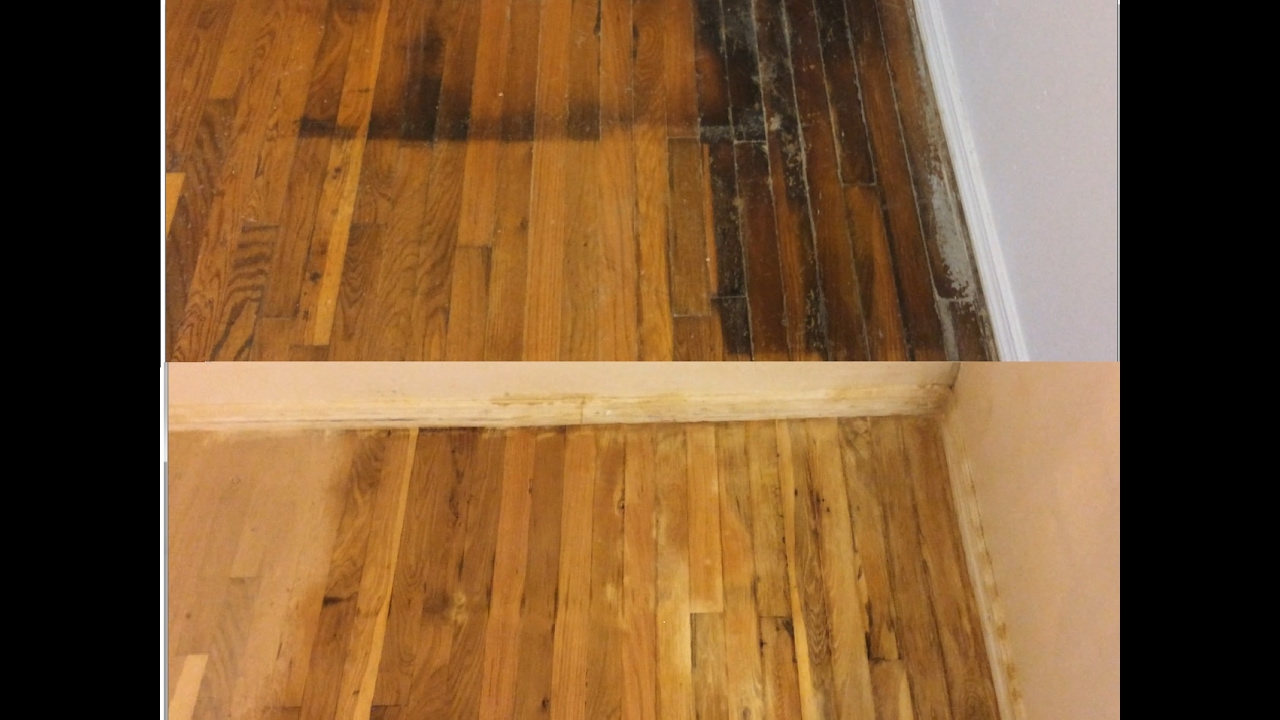
Image Source: i.ytimg.com
How To Remove Dog Urine Smell From Wood Floors Effectively
Dog urine smell on wood floors is a common and tough problem for many pet owners. Can dog urine smell be removed from wood floors? Yes, it can, but it takes careful steps and the right products. This guide will show you how to find, clean, and get rid of the odor for good, even old urine smell. We will look at different methods, from easy home fixes to when you need help from a professional.
Grasping the Challenge: Why Dog Urine is So Hard to Clean
Dog urine leaves a very bad smell, especially on wood floors. Why is it so hard to get rid of? It’s not just the liquid itself. Dog urine has chemicals like ammonia and urea. As it dries, these change into new smelly compounds. Bacteria in the urine also grow and make the smell worse.
Wood floors are tricky because wood is porous. This means it has tiny holes and gaps. Urine can soak deep into these holes. It can go past the top finish, into the wood itself, and even down to the subfloor below. Once it soaks in, the smell sticks around. Removing the smell means not just cleaning the surface but getting rid of the urine deep inside the wood.
The Difference Between Fresh and Old Urine
- Fresh Urine: When urine is fresh, it’s easier to clean. The compounds have not fully broken down yet. Acting fast can stop the smell from setting in.
- Old Urine Smell Wood Floor: This is much harder. Over time, the uric acid crystals in the urine dry and become very hard. These crystals hold the smell. When the air is humid, these crystals can draw in moisture and release the bad smell again. This is why you might notice the smell more on a rainy day. Old stains also often mean the urine has soaked deeper, perhaps even into the subfloor.
Detection: Finding the Hidden Spots
Sometimes, you can smell the urine but can’t see the stain. This is often the case with old urine or when it has dried without leaving a dark mark. Finding all the affected spots is a key first step.
Using Your Nose
Walk around the room slowly. Get down on your hands and knees. This lets you get closer to the floor. Sniff carefully, especially near baseboards, corners, and areas where your dog often stays. Your nose can often find even light stains.
UV Light Pet Urine Detection
One of the best tools for finding hidden urine is a UV (ultraviolet) or “black” light.
* How it Works: Dog urine glows under a UV light because of the phosphorus in it.
* Steps to Use a UV Light:
1. Make the Room Dark: The darker the room, the better the UV light works. Close curtains and turn off all lights.
2. Scan the Floor: Hold the UV light close to the floor. Move it slowly over the entire wood surface. Pay extra attention to edges, corners, and spots your dog likes.
3. Look for Glow: Urine spots will often show up as a dull yellow, green, or even orange glow. Fresh urine might glow brighter than old urine.
4. Mark the Spots: Use tape, chalk, or small sticky notes to mark every glowing spot you find. This way, you know exactly where to clean.
* Important Note: Not all glows are urine. Some cleaning products or other spills can also glow. However, if you smell urine in that area, it’s likely a urine spot.
Checking Under Rugs and Furniture
Urine can easily soak into rugs and the floor beneath. Lift all rugs. Move furniture. Check the floor underneath. Urine might also splash onto the bottom of baseboards or furniture legs.
Immediate Action: Fresh Urine Cleanup
If you catch an accident right away, you have a much better chance of fully removing the smell. Speed is very important here.
Blot, Don’t Rub
- Grab Absorbent Material: Use paper towels, old cloths, or a thick stack of newspaper.
- Press Firmly: Place the absorbent material over the wet spot. Press down hard with your hand or foot.
- Blot, Don’t Rub: Rubbing can spread the urine and push it deeper into the wood. Blotting lifts the urine out.
- Repeat: Keep blotting with fresh, dry materials until no more moisture comes up. You want to remove as much liquid urine as possible.
Basic Surface Cleaning (Temporary)
After blotting, you can do a quick surface clean. This is not for deep odor removal, but it helps.
* Damp Cloth: Wipe the spot with a damp cloth. Use plain water.
* Mild Soap (Optional): For a very light clean, you can use a tiny bit of mild dish soap mixed in water. Do not use too much water.
* Dry Thoroughly: Always dry the area completely with a clean, dry cloth. Wood and water don’t mix well.
Deep Cleaning Solutions: Tackling Odor and Stains
Once you’ve found the spots and removed any fresh liquid, it’s time for deeper cleaning. This is where you address the actual smell and any lingering stains.
Enzyme Cleaner Wood Floors Dog Urine
This is often the most important step for true odor removal.
* What They Are: Enzyme cleaners contain special bacteria and enzymes. These are natural substances.
* How They Work: The enzymes break down the uric acid crystals, proteins, and other organic matter in the urine. They “eat” the smell-causing parts. They don’t just cover up the smell; they get rid of it.
* Why They Are Crucial: For old urine smell wood floor, enzyme cleaners are key. They break down the hard, dry uric acid crystals that trap the smell.
* Application Steps:
1. Clean Surface First: Make sure the wood is clean and dry from any previous efforts.
2. Read Instructions: Always follow the directions on the enzyme cleaner bottle.
3. Apply Generously: Pour or spray enough cleaner to fully soak the urine spot. You need it to get down into the wood where the urine soaked. If the urine went deep, use enough cleaner so it can reach that deep.
4. Let It Sit: This is vital. Enzyme cleaners need time to work. This can be hours or even a full day. Some products say to keep the area wet for a long time. You can cover the spot with a damp cloth soaked in the cleaner, then cover that with plastic wrap to stop it from drying too fast.
5. Blot Dry: After the time is up, blot up any extra liquid. Let the area air dry completely.
6. Repeat if Needed: For tough or old smells, you might need to use the enzyme cleaner more than once.
Natural Remedies (Use with Caution)
Some people prefer natural options. These can help with lighter smells, but they might not fully remove deep, old urine odors. Always test these in a small, hidden spot first, as they can harm wood finishes.
Baking Soda Vinegar Urine Wood
- Baking Soda: Baking soda is good at soaking up smells.
- How to Use: After cleaning with an enzyme cleaner and letting it dry, sprinkle a thick layer of dry baking soda over the smelly spot. Let it sit for several hours, or even overnight. Then vacuum it up.
- Vinegar: White vinegar is a mild acid that can neutralize ammonia. It also kills some bacteria.
- How to Use: Mix equal parts white vinegar and water. Lightly spray or wipe the solution onto the urine spot. Be very careful not to use too much, as too much water or acid can damage wood. Let it sit for 5-10 minutes. Wipe it dry.
- Combined Use: You can use baking soda after the vinegar. Apply the vinegar mix, blot dry, then sprinkle baking soda.
- Caution: Vinegar has a strong smell itself. It also can dull wood finishes or, if used too much, cause swelling. Always use sparingly and dry quickly. It won’t break down uric acid crystals like an enzyme cleaner.
Hydrogen Peroxide Wood Floor Urine
Hydrogen peroxide is a mild bleach. It can help remove stains and kill bacteria.
* How to Use:
1. Test First: Very important! Hydrogen peroxide can lighten or bleach wood finishes. Test it on a hidden area first to see how your floor reacts.
2. Apply: Pour a small amount of 3% hydrogen peroxide directly onto the stain.
3. Let It Sit: Let it bubble for 10-15 minutes. For tough stains, you might cover it with a peroxide-soaked cloth and plastic wrap for a few hours.
4. Blot Dry: Blot up any extra liquid. Let the area dry completely.
* Caution: Use with extreme care. It can damage wood finish, especially on darker woods. It’s better for stains than for deep odor removal.
Specialized Pet Odor Eliminator Hardwood Products
Beyond general enzyme cleaners, there are many pet odor eliminator hardwood products on the market.
* Types: These can include strong enzyme formulas, odor encapsulation sprays (which trap smells), or specific cleaning agents.
* Choosing: Look for products specifically designed for pet urine and safe for hardwood. Read reviews.
* How to Use: Always follow the product’s directions carefully. Some are sprays, some are pour-ons. They often work best when allowed to sit for a period.
Tackling Stains: Beyond Just Smell
Removing the smell is one thing, but what about the dark urine stains? Remove pet urine stain from wood can be harder than just removing the smell.
* Light Stains: If the stain is light and only on the surface, repeated use of an enzyme cleaner might lessen it. Hydrogen peroxide (with caution and testing) can also help lighten fresh, light stains.
* Dark Stains: Dark stains mean the urine has soaked deep into the wood. The wood itself has changed color.
* Sanding: For very dark stains, sanding the affected area might be needed. This removes the top layer of stained wood. You would then need to re-stain and re-finish that spot to match the rest of the floor. This is a big job.
* Refinishing: If many spots are stained, a full floor refinishing might be the only way to get a uniform look. This involves sanding down the entire floor to bare wood, then applying new stain and finish.
* Bleaching (as a professional step): Sometimes, wood bleach can be used on a bare, sanded spot before re-staining, but this is a very advanced step best left to professionals.
Addressing Deeper Issues: Subfloor and Beyond
Sometimes, the urine has soaked through the wood floor and into the subfloor dog pee odor. This is a big problem because the subfloor holds the smell.
* Signs It’s Seeped:
* The smell is very strong, even after cleaning the surface.
* The wood floor itself might show buckling, lifting, or severe dark stains.
* If you lift a floorboard and the wood underneath is dark or visibly wet.
* Accessing the Subfloor: This is usually a job that requires taking up the top wood flooring in the affected area. This is a major repair.
* Cleaning the Subfloor:
1. Remove Affected Wood: Take up the damaged wood flooring. This lets you see the subfloor clearly.
2. Clean Subfloor: Clean the subfloor thoroughly with an enzyme cleaner. Pour or spray it on liberally and let it soak. You might need to repeat this several times.
3. Dry Completely: Make sure the subfloor is completely dry. You can use fans to help.
4. Seal the Subfloor: Once dry, apply a high-quality odor-blocking primer or sealer to the affected subfloor area. Products like Kilz or Zinsser BIN are often used. These primers create a barrier that traps remaining odors and stops them from coming back up.
5. Replace Flooring: After sealing, you can then replace the damaged wood flooring.
* Consider Replacing Subfloor: If the subfloor is very badly soaked, stained, or damaged (like swollen or moldy), you might need to cut out and replace that section of the subfloor entirely. This is a bigger, more costly job.
Specific Floor Types: Laminate and Hardwood
While the basics are similar, different floor types need slightly different care.
Hardwood Floors
- Porous Nature: Hardwood is natural wood. It’s porous. This means it soaks up liquids. This is why urine can go deep.
- Finish is Key: The type and condition of your hardwood finish matter. A strong, sealed finish will protect the wood more than an old, worn one. Urine can get through cracks or worn spots in the finish.
- Cleaning:
- Enzyme cleaners are your best friend.
- Be careful with water. Do not flood the floor.
- Always dry the floor completely after cleaning.
Laminate Floor Dog Urine Smell
Laminate floors are different. They are made of layers of materials, with a top protective layer.
* How Laminate is Different:
* Seams: The biggest problem with laminate is the seams between planks. Urine can easily seep into these seams. Once under the top layer, it can soak into the core layer, which is often made of particle board. This core layer swells when wet and holds odors.
* Less Porous Top: The top layer is often very good at resisting spills. This helps for quick cleanups.
* Cleaning Laminate:
1. Act Fast: Clean fresh urine immediately to stop it from getting into the seams.
2. Blot and Wipe: Blot up liquids. Wipe the surface with a barely damp cloth.
3. Enzyme Cleaner (Careful): Use an enzyme cleaner. Spray or wipe it on, but use less liquid than you would on hardwood. Do not let it pool on the seams. Wipe it away quickly.
4. Dry Immediately: Dry the laminate thoroughly after cleaning. Use a dry cloth.
5. Air Flow: Use fans to help dry the area, especially near seams.
* When Urine Gets Underneath: If the laminate floor dog urine smell is strong, and the floor looks swollen or lifted at the seams, the urine has gone under.
* Problem: Once the core of laminate swells and holds odor, it’s very hard to fix without replacing the affected planks.
* Solution: You may need to remove and replace the specific laminate planks that are damaged and smelly. Clean and seal the subfloor underneath before laying new planks.
Professional Help: When to Call the Experts
Sometimes, DIY methods are not enough. This is especially true for old urine smell wood floor that has deeply soaked in.
* When to Call a Professional Dog Urine Removal Wood Service:
* Persistent Smell: If you’ve tried everything and the smell won’t go away.
* Extensive Damage: If there are many large, dark stains, or if the wood is warped.
* Subfloor Issues: If you suspect the urine has soaked into the subfloor and you’re not comfortable opening up your floor.
* Valuable Flooring: If you have expensive or antique wood floors that you don’t want to damage.
* What Professional Dog Urine Removal Wood Specialists Do:
* Advanced Detection: They might use stronger UV lights or other tools to find all spots.
* Specialized Cleaning Products: They have stronger, professional-grade enzyme cleaners and other chemicals.
* Deep Extraction: Some might use special equipment to extract urine from deep within the wood.
* Ozone Treatment: For very bad airborne odors, they might use an ozone generator. Ozone breaks down odor molecules. (Room must be empty during this process).
* Floor Refinishing/Replacement: They can sand, refinish, or replace parts of your wood floor or subfloor if needed. They have the tools and skills to do this properly.
* Sealing: They can apply special sealers to the subfloor or underside of planks to block odors.
* Benefits: Professionals can save you time and hassle. They have the right tools and knowledge to fix tough problems and prevent more damage.
Prevention: Stopping Future Accidents
The best way to deal with dog urine smell is to stop it from happening in the first place.
* Training:
* Consistent Potty Breaks: Take your dog outside often, especially after waking up, eating, and playing.
* Positive Reinforcement: Praise and reward your dog when they potty outside.
* Crate Training: A crate can help teach your dog to hold it, as dogs usually don’t want to soil their sleeping area.
* Manage Accidents:
* Clean Up Quickly: Always clean accidents right away. Speed is your best defense.
* Restrict Access: While training, keep your dog in areas that are easy to clean (e.g., tiled floors, or areas with a waterproof mat).
* Dog Diapers/Wraps: For older dogs, puppies, or dogs with medical issues, dog diapers or belly wraps can prevent accidents on the floor.
* Protect Your Floors:
* Pet-Friendly Floor Coverings: Place washable rugs, runners, or waterproof mats in high-traffic areas or where your dog spends a lot of time.
* Proper Floor Finish: Make sure your wood floors have a good, durable finish. A strong finish helps protect the wood from liquid spills. If your finish is old and worn, consider having it re-finished.
* Regular Cleaning: Keep your floors clean. This helps you spot small spills before they become big problems.
Table: Common Cleaning Methods Compared
| Method | Pros | Cons | Best For |
|---|---|---|---|
| Blotting (Fresh) | Quick, prevents soaking, easy | Only for fresh urine, does not remove smell completely | Immediate cleanup of wet spots |
| Enzyme Cleaner | Breaks down odors, very effective, safe for most wood | Needs time to work, may need repeated uses for old smell | Deep odor removal, old urine smell, hardwood, laminate |
| Baking Soda | Absorbs odors, natural, safe | Surface odor absorption, not deep cleaning | Removing light surface smells after cleaning |
| Vinegar (Diluted) | Neutralizes ammonia, mild disinfectant | Strong smell, can dull finish, can damage wood if overused | Light odor, fresh urine, spot treatment (with care) |
| Hydrogen Peroxide | Bleaches stains, kills germs | Can lighten/damage wood, test first | Removing light urine stains (use with extreme care) |
| Professional Service | Deep cleaning, advanced methods, removes worst smells | Costly, might involve floor removal | Severe odors, extensive damage, valuable floors |
Frequently Asked Questions (FAQ)
Q: How long does dog urine smell last on wood floors?
A: The smell can last for a very long time, even years, if the urine is not properly removed. This is because uric acid crystals can stay in the wood and release odor when humidity changes.
Q: Will bleach remove dog urine smell from wood floors?
A: No. Bleach can remove stains, but it does not break down uric acid crystals, which cause the odor. It can also severely damage or discolor your wood floors, so it’s not a good choice.
Q: Can dog urine really ruin hardwood floors forever?
A: Not necessarily forever, but it can cause severe damage. Deep stains may need sanding and refinishing. If the urine soaks the subfloor, that part of the floor might need replacement. But with effort, much of the damage can be fixed.
Q: What if the smell comes back after cleaning?
A: If the smell returns, it means the urine was not fully removed. This often happens with old, deep stains or if the urine reached the subfloor. You likely need to re-apply enzyme cleaner, let it soak longer, or consider addressing the subfloor.
Q: Are all enzyme cleaners the same?
A: No, quality varies. Look for reputable brands with good reviews. Make sure the cleaner is specifically for pet urine and safe for wood floors. Some are stronger than others.
Q: Should I seal my wood floors after cleaning pet urine?
A: If the wood finish was damaged by the urine, or if you had to sand a spot, then yes, you should re-seal or re-finish that area. For subfloors that were affected, using an odor-blocking primer is highly recommended.
Q: Can steam cleaners remove dog urine smell from wood?
A: Steam cleaners use heat and moisture. While they clean surfaces, the heat can set the urine smell and bacteria deeper into the wood. The moisture can also cause wood to swell or warp. It’s generally not recommended for deep urine removal on wood floors.
Removing dog urine smell from wood floors is a patient process. By following these steps, using the right products like enzyme cleaners, and knowing when to call a professional, you can get your home smelling fresh again. Remember, quick action and thorough cleaning are your best tools.