
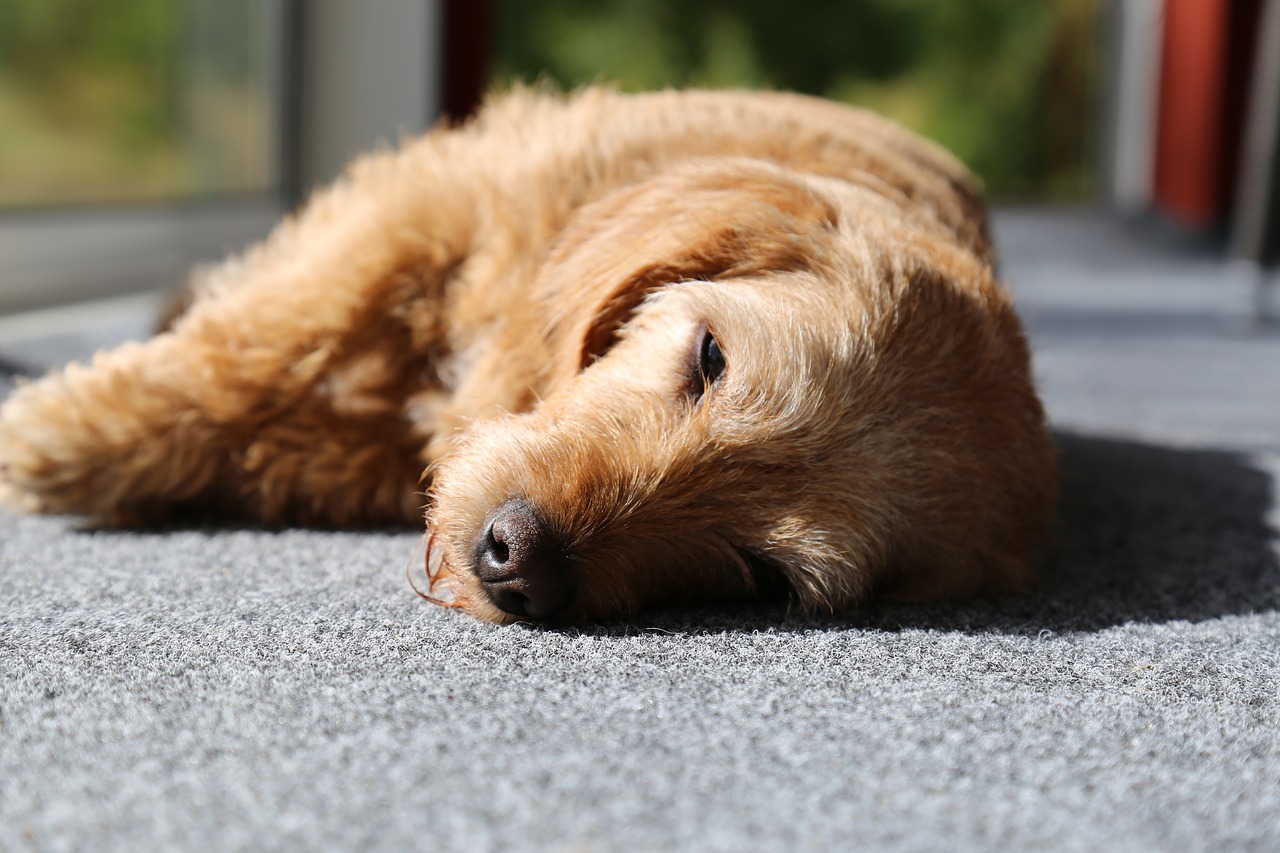
Image Source: static-az.vets-now.com
Why Is My Senior Dog Collapsing: Is It Serious & What to Do?
Is your senior dog collapsing? Yes, it is serious. You must act fast. If your old dog falls down or cannot stand, get them to a vet right away. This can be a sign of many health issues. Some are mild. Others are very bad. Fast action can save your dog’s life. We will talk about why senior dogs suddenly weaken. We will cover what causes older dogs to fall. We will also tell you what to do. Keep reading to learn more.
What Collapse Means in Senior Dogs
A senior dog collapsing means they lose strength. They cannot stand up. Or they may fall over. This can happen fast. It may look like they faint. Or it can be a slow loss of power. They may drag their hind legs. They might just drop. It is a scary sight for any pet owner. It shows a big problem. This problem needs a vet’s look. It is never normal for an old dog to collapse.
Signs of Collapse
Knowing the signs is key. Your dog may show these before or during a collapse:
- Sudden Weakness: Your dog might look tired. They may not want to walk. They might shake. This is a sign of senior dog sudden weakness.
- Wobbly Walking: They may sway. They might trip over their feet. Their back legs might give out. This often points to old dog rear leg collapse.
- Loss of Balance: They cannot keep steady. They might bump into things. This is a sign of a senior dog losing balance.
- Falling Over: They simply drop. They cannot get back up.
- Breathing Trouble: Fast or hard breathing can happen.
- Pale Gums: Their gums might look white or very light pink. This means less blood flow.
- Confusion: They might seem lost. They might not know where they are.
- Not Responding: They may not react to your voice. They might not open their eyes. This can be like fainting spells in senior dogs.
Deciphering Why Senior Dogs Collapse: Common Causes
Many things can make an older dog collapse. The body of an old dog is fragile. Their systems wear down. This makes them more likely to have problems. We will look at common causes of collapse in older dogs. It is important to know these. This helps the vet find the problem.
Neurological Causes: When Nerves and Brain Are the Issue
The brain and nerves control movement. If they have problems, a dog can collapse. This is often seen as dog neurological issues collapse.
- Spinal Cord Issues: The spine holds the nerves. These nerves go to the legs. If the spine gets hurt, legs can get weak. Old dogs can get disc disease. Discs are cushions between bones. They can slip or bulge. This presses on nerves. It can cause hind leg weakness senior dogs. Dogs may drag their back paws.
- Degenerative Myelopathy (DM): This is a serious nerve disease. It slowly causes weakness. It usually starts in the back legs. Dogs lose control. They may stumble. They cannot stand. It is not painful. But it gets worse over time. It can lead to full collapse.
- Brain Problems: The brain controls everything. A stroke can happen. A stroke is when blood flow to the brain stops. Or a tumor can grow in the brain. Brain problems can cause:
- Seizures: A seizure is like a short circuit in the brain. The dog might shake. They might fall down. They might lose awareness. After a seizure, they might be confused. They may seem weak.
- Loss of Balance: Brain problems can make a dog dizzy. They cannot walk straight. They may fall to one side. This shows a senior dog losing balance.
- Vestibular Disease: This affects balance. It is like vertigo in people. The dog’s head might tilt. Their eyes might dart back and forth. They might walk in circles. They may fall over. This can be sudden. It is often not serious. But it needs vet care.
Cardiovascular Causes: When the Heart Is the Problem
The heart pumps blood. Blood carries oxygen. If the heart is weak, not enough oxygen goes to the brain or muscles. This can lead to fainting spells in senior dogs. This is a common old dog heart problems collapse.
- Heart Disease: Old dogs often have heart disease. The heart may not pump well. Or valves in the heart may leak.
- Congestive Heart Failure (CHF): The heart cannot pump enough blood. Fluid builds up. This fluid can go into the lungs. It makes it hard to breathe. The dog gets weak. They might collapse from lack of oxygen.
- Arrhythmias: The heart beats too fast or too slow. Or it beats unevenly. This stops blood flow. The dog can faint. This is a true collapse.
- Low Blood Pressure: Blood pressure can drop too low. This means not enough blood goes to the brain. The dog will faint. This can happen with heart problems. It can also happen from shock or too much blood loss.
- Blood Clots: A blood clot can block a blood vessel. If it blocks a vessel to a leg, that leg gets weak. If it blocks a lung vessel, the dog can collapse.
Musculoskeletal Causes: When Bones and Muscles Are the Issue
These problems affect how a dog moves. They cause weakness. They can make a dog collapse. This often appears as hind leg weakness senior dogs.
- Arthritis: Old dogs get arthritis. Joints get stiff and painful. It hurts to move. They might not want to stand. Their legs may give out from pain or weakness. This can cause old dog rear leg collapse.
- Muscle Weakness: Muscles get weaker with age. This is normal. But it can be severe. This causes senior dog sudden weakness. They may just not have the power to stand.
- Ligament Tears: A torn ligament in a leg can make it weak. The dog might not be able to put weight on it. They may collapse when trying to stand.
- Bone Cancer: Tumors can grow in bones. This makes bones weak. They can break easily. This pain can cause a dog to collapse.
Other Systemic Issues: Full Body Problems
Sometimes, the problem is not just one system. It affects the whole body.
- Anemia: This means not enough red blood cells. Red blood cells carry oxygen. Less oxygen means less energy. The dog gets weak. They might collapse. This can be from bleeding or other diseases.
- Low Blood Sugar (Hypoglycemia): This is rare in dogs. But it can happen. If blood sugar drops too low, the brain does not get enough fuel. The dog can become confused. They can get weak. They might collapse.
- Kidney Disease: Bad kidneys lead to toxin buildup. These toxins make dogs feel sick. They can get weak. They may collapse.
- Liver Disease: A sick liver cannot clean the blood. Toxins build up. This makes dogs weak. They can collapse.
- Respiratory Issues: Problems breathing mean less oxygen. Less oxygen makes a dog weak. They may collapse. This can be from lung disease or fluid in the lungs.
- Cancer: Many types of cancer can cause weakness. Tumors can bleed inside the body. This causes anemia. Some cancers release bad chemicals. This makes the dog feel sick. They can collapse. A tumor on the spleen can burst. This causes major blood loss. The dog can collapse fast. This is very serious.
- Heat Stroke: If a dog gets too hot, their body stops working right. They become weak. They can collapse. This is very serious. It needs fast action.
- Side Effects of Medicine: Some medicines can make a dog weak or dizzy. They might collapse. Always tell your vet about all medicines your dog takes.
This table shows common causes:
| Type of Cause | Common Problems Leading to Collapse | Symptoms Often Seen |
|---|---|---|
| Neurological | Spinal cord problems (DM, disc disease), Brain tumors, Seizures, Vestibular disease | Hind leg weakness, Wobbling, Head tilt, Eye flicking, Falling to one side, Confusion, Shaking |
| Cardiovascular | Heart failure, Arrhythmias, Low blood pressure, Blood clots | Fainting spells, Pale gums, Weakness, Fast breathing, Coughing |
| Musculoskeletal | Arthritis, Muscle weakness, Ligament tears, Bone cancer | Limping, Pain, Hind leg weakness, Not wanting to move, Unable to stand |
| Systemic | Anemia, Low blood sugar, Kidney/Liver disease, Respiratory issues, Cancer, Heat stroke, Medicine side effects | General weakness, Vomiting, Diarrhea, Changes in thirst/hunger, Pale gums, Fast breathing, Overheating |
When Collapse Is a True Emergency
Any time your senior dog collapses, it is serious. But some cases are more urgent. These mean you need an emergency vet dog collapsing visit right now.
Call your vet or an emergency clinic right away if your dog:
- Cannot Get Up At All: They are fully down. They cannot move their legs.
- Is Not Breathing Well: They struggle to breathe. Their gums are blue or gray.
- Is Not Responsive: They do not wake up. They do not know you are there.
- Is Bleeding: You see blood coming from them. Or their gums are very pale.
- Has Very Cold or Hot Body: Their temperature is not normal.
- Has Seizures That Do Not Stop: The shaking does not end.
- Has Bad Pain: They cry out. They resist being touched.
- Has Sudden Swelling: A part of their body swells fast.
These signs mean danger. Time is very important.
What to Do If Your Senior Dog Collapses
Seeing your dog collapse is scary. Stay calm. Your dog needs you to be steady. Here are steps to take.
Immediate First Aid
- Stay Calm: Panic helps no one. Your dog can feel your stress.
- Move Them Safely: If they are in danger, move them. Do it gently. Use a blanket or towel as a stretcher. A collapsed dog is often heavy. Be careful not to hurt your back.
- Check Breathing and Gums:
- Breathing: Is it slow? Is it fast? Is it noisy?
- Gums: Lift their lip. Are the gums pink? Or are they pale, white, or blue? Press a gum with your finger. It should turn white, then pink fast. If it stays white, it means trouble.
- Keep Them Warm or Cool:
- If cold, use a blanket.
- If very hot (like in summer), wet a towel with cool water. Put it on their paws or neck. Do not use ice water.
- Do Not Force Food or Water: They might choke.
- Do Not Give Medicine: Unless your vet told you to. Giving the wrong drug can make things worse.
- Call the Vet NOW: Describe what happened. Tell them how your dog looks. They will tell you what to do next. Most likely, they will tell you to come in right away.
When to Seek Emergency Care
As mentioned, some collapses are true emergencies. If your vet clinic is closed, find the nearest emergency vet. Do not wait. This is about saving your dog’s life. Do not delay.
Vet Visit: What to Expect
When you get to the vet, they will work fast. They need to find out why your dog collapsed.
Diagnosis Steps
- Quick Check-Up: The vet will first check your dog’s heart. They will check breathing and vital signs. They will see if your dog is in a crisis.
- Your Story: You will tell the vet everything.
- When did it happen?
- How did it look?
- How long did it last?
- Has it happened before?
- What food do they eat?
- What medicines do they take?
- Any other health issues?
- Any recent changes at home?
- Full Physical Exam: The vet will check your dog’s whole body. They will feel the muscles. They will check the joints. They will listen to the heart and lungs. They will test nerve reflexes. This helps them guess where the problem might be.
- Tests: The vet will need tests. These help them see inside the body.
- Blood Tests: These show if there is anemia. They check kidney and liver health. They look for infections. They check sugar levels.
- Urine Test: Checks kidney health. Looks for infection.
- X-rays: Pictures of bones, chest, and belly. These can show arthritis. They can show fluid in lungs. They can show tumors. They can help spot bone problems.
- Ultrasound: This uses sound waves. It makes live pictures of organs. It is good for seeing the heart (echocardiogram). Or it can check the belly for tumors or bleeding.
- MRI or CT Scan: These are advanced scans. They give very detailed pictures. They are good for brain or spinal cord issues. These often need a trip to a special hospital.
- ECG (Electrocardiogram): This checks heart rhythm. It finds problems like arrhythmias.
The vet will choose tests based on your dog’s signs. They want to find the cause fast.
Treatment Approaches: Collapsed Dog Treatment Options
Treatment depends on what caused the collapse. The vet will aim to fix the main problem. They will also help your dog feel better.
- Emergency Care:
- IV Fluids: A drip of fluids into a vein. This helps with shock. It helps with low blood pressure. It keeps dogs hydrated.
- Oxygen: If your dog cannot breathe well, they get oxygen. This helps them get air.
- Medicines: To control pain, seizures, or heart rate.
- Surgery: In some cases, like a bleeding tumor or a slipped disc, surgery may be needed.
- Long-Term Care for Specific Causes:
- Heart Disease: Medicines to help the heart pump better. Medicines to remove fluid. Diet changes.
- Arthritis: Pain pills. Anti-inflammatory drugs. Joint supplements. Special diets. Physical therapy.
- Neurological Issues: Medicines for seizures. Pain relief for spine problems. Physical therapy. For DM, care is about support and comfort.
- Anemia: Find the cause of bleeding. May need a blood transfusion.
- Kidney/Liver Disease: Special diets. Medicines to help these organs.
- Cancer: Chemotherapy. Radiation. Surgery. Or just comfort care.
- Vestibular Disease: Often dogs get better on their own. Medicines can help with nausea and dizziness.
The vet will talk with you about the best plan. They will explain all collapsed dog treatment options.
Caring for a Senior Dog with Collapse Issues
Even after vet care, your dog may need special help at home. This is true if the cause is long-term.
- Manage Pain: If your dog has arthritis or other painful issues, give pain medicine as told.
- Help with Movement:
- Ramps: Use ramps for steps or cars. This stops jumping.
- Non-Slip Mats: Put rugs or mats on slippery floors. This helps them grip.
- Harnesses/Slings: A special harness can help you lift their back end. This helps with hind leg weakness senior dogs.
- Wheelchairs: For dogs with severe hind leg weakness. These help them move around and stay active.
- Comfortable Bedding: A soft, thick bed helps sore joints.
- Diet and Weight: Keep your dog at a healthy weight. Extra weight puts stress on joints. Ask your vet about special senior diets.
- Mental Health: Old dogs still need mental input. Use puzzle toys. Take them for slow, easy walks.
- Watch for Changes: Keep a close eye on your dog. Note any new weakness or changes in how they act. Tell your vet about these.
Preventative Steps and Long-Term Care
You cannot stop all causes of collapse. But you can do things to keep your senior dog healthier.
- Regular Vet Check-Ups: Old dogs need checks more often. At least once a year. Maybe twice a year. The vet can find problems early.
- Good Diet: Feed a high-quality senior dog food. It should be right for their age and size.
- Proper Exercise: Keep them moving. But do not overdo it. Short, gentle walks are better. Swimming can be good for joints.
- Weight Control: Keep your dog at a healthy weight. Extra pounds hurt joints and the heart.
- Dental Care: Bad teeth can lead to other health problems. Brush teeth often. Get vet dental cleanings.
- Watch for Signs: Be alert to changes.
- Is your dog less active?
- Are they drinking more?
- Are they eating less?
- Are they limping?
- Are they showing senior dog sudden weakness?
- These little changes can be early signs of big problems.
Remember, a senior dog collapsing is always serious. It needs fast vet care. With quick action and good care, you can help your old friend live a better, longer life.
Frequently Asked Questions (FAQ)
Q1: Can a senior dog recover fully from a collapse?
A1: Yes, it depends on the cause. If it is something treatable, like low blood sugar or a mild heart problem, full recovery is possible. For problems like advanced degenerative myelopathy, recovery might mean managing symptoms, not a full cure.
Q2: How can I tell if my senior dog’s collapse is a fainting spell or something else?
A2: Fainting spells in senior dogs often mean a short loss of awareness. They might fall, but wake up fast. They might be confused for a moment. Other collapses might mean they are awake but cannot move. Or they are not responding for a longer time. Any collapse needs vet care.
Q3: My old dog’s hind legs collapse often. Is this normal aging?
A3: No, old dog rear leg collapse is not normal aging. It often points to a medical issue. This could be arthritis, disc disease, or a nerve problem. You need to see a vet to find the cause. They can offer collapsed dog treatment options.
Q4: What if my dog collapses but seems fine a minute later? Should I still go to the vet?
A4: Yes, always go to the vet. Even if they recover fast, it means something caused the collapse. It could be a brief heart issue or a small seizure. These small events can lead to bigger problems if not found and treated.
Q5: What tests will the vet likely do for a collapsing senior dog?
A5: The vet will usually do a full exam, blood tests, and X-rays. They might do a urine test. Depending on what they find, they might suggest an ultrasound, ECG, or more advanced scans like an MRI. The goal is to find the causes of collapse in older dogs.