
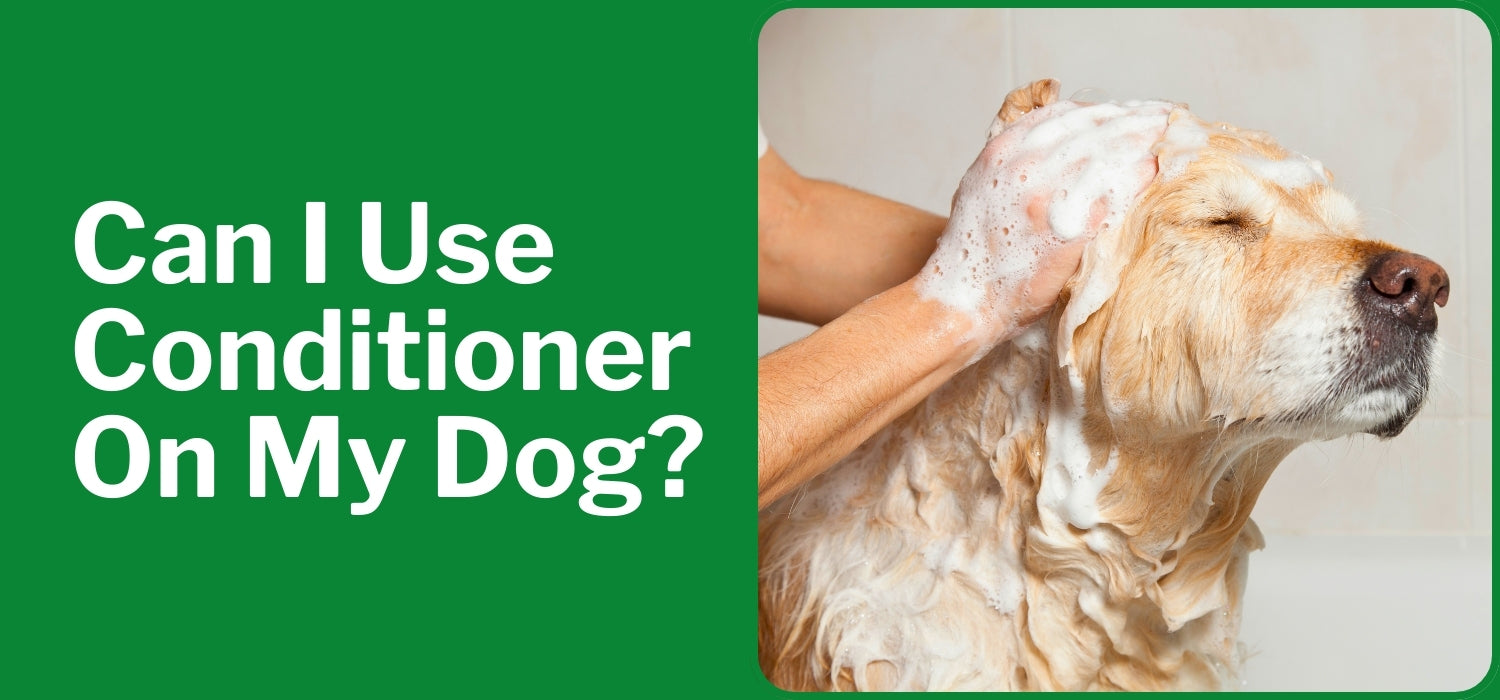
Image Source: thedogdoctors.co.uk
Can I Use My Conditioner On My Dog? Risks & Rewards.
No, you generally should not use your human conditioner on your dog. While it might seem like a quick fix to make their coat soft, human conditioner is not safe for dogs. It can cause many problems for your pet’s skin and fur. Dogs need special products made just for them. Their skin and hair are very different from ours. Using human products on them can lead to skin issues, irritation, and even toxicity. It’s always best to choose products made for dogs. These products keep their skin and coat healthy and safe.
Why Dogs Need Different Products
Our furry friends are special. Their bodies work differently from ours. This includes their skin and fur. Many people think a conditioner is just a conditioner. But this is not true for dogs. Using human items on them can be risky. There are key differences. These differences explain why you need pet friendly hair products.
Grasping Dog Skin pH
One main reason not to use human conditioner on dogs is pH. What is pH? It tells us how acidic or basic something is. Our skin has a pH level. Dog skin pH is different.
- Human Skin pH: Our skin is a bit acidic. Its pH is around 5.5 to 5.6. This low pH helps keep our skin healthy. It stops bad germs from growing.
- Dog Skin pH: A dog’s skin is more neutral. Its pH ranges from 6.2 to 7.4. This is a big difference.
Using a product with the wrong pH can harm a dog’s skin. Human conditioners are made for human pH. They are too acidic for dogs. This can strip natural oils from a dog’s skin. It makes their skin dry. It can cause itchiness. It can also lead to skin infections. The skin’s natural barrier gets weak. This lets bad things in.
Pet Hair Care Differences
Our hair is different from a dog’s coat. Human hair grows from single follicles. It also grows much longer. A dog’s coat is usually thicker. It has many hairs growing from each follicle. Dogs also have different types of hair. They can have a double coat. This means they have a soft undercoat and a tougher topcoat.
Human conditioners might be too heavy for a dog’s coat. They can leave a residue. This can make the coat feel greasy. It can also trap dirt. A heavy conditioner can also mat a dog’s fur. This is especially true for dogs with long or thick coats. It makes brushing hard. It can even lead to skin problems under the mats.
Harmful Human Shampoo for Dogs: A Closer Look
Before conditioner, we often use shampoo. It is important to know that harmful human shampoo for dogs also exists. Human shampoos have strong cleaning agents. They are too harsh for a dog’s skin. They can remove the natural oils. This makes the skin dry and itchy. This can lead to flaking. It can also cause red spots.
Many human shampoos and conditioners have perfumes. They also have dyes. These can irritate a dog’s skin. Dogs can also be allergic to these things. They might start scratching a lot. This can lead to open sores. These sores can get infected. Dogs also lick their fur. They can eat the chemicals on their skin. This can make them sick.
Chemicals in Human Conditioner: What to Avoid
Human conditioner ingredients are designed for human hair. They are not made for dogs. Many ingredients found in human conditioners can be bad for dogs. Some can be mildly irritating. Others can be toxic if a dog licks them.
Here are some common ingredients in human conditioners. These can be problematic for dogs:
- Artificial Fragrances and Dyes: These are common irritants. They can cause skin reactions. Dogs are sensitive to smells. Strong perfumes can upset them.
- Parabens (e.g., Methylparaben, Propylparaben): These are preservatives. Some studies question their safety. They might affect hormones. It’s best to avoid them for pets.
- Phthalates: These make scents last longer. They are often hidden under “fragrance.” They can also affect hormones.
- Sulfates (e.g., Sodium Lauryl Sulfate, Sodium Laureth Sulfate): These are harsh detergents. They are mostly in shampoos. But traces can be in conditioners. They strip oils. They can cause skin irritation.
- Formaldehyde Donors (e.g., DMDM Hydantoin, Imidazolidinyl Urea): These chemicals release formaldehyde. Formaldehyde is a known irritant. It can cause skin and breathing problems.
- Propylene Glycol: This helps products spread. It can be irritating. It can be toxic in large amounts if ingested.
- Cocomide DEA: This is a thickener and foam booster. It can be an irritant. Some sources say it may be a possible carcinogen.
- Essential Oils: Some essential oils are fine for humans. But many are toxic to dogs. Tea tree oil, citrus oils, and peppermint oil are examples. They can cause liver damage or other issues if licked.
- Silicones (e.g., Dimethicone): These make hair feel smooth. They can build up on a dog’s coat. They can make it greasy. They can also trap dirt. This can lead to skin problems.
It’s clear that human conditioner safe for dogs is a myth. The chemical makeup is just not right.
The Dangers of Using Human Conditioner on Dogs
Using human conditioner on your dog brings many risks. These risks range from mild skin problems to serious health issues.
Skin Irritation and Dryness
As discussed, the pH mismatch is a big issue. It dries out the dog’s skin. It makes it itchy. Your dog might scratch a lot. This scratching can lead to cuts. These cuts can get infected. The skin can become flaky and red. It can look like dandruff. This harms canine coat health.
Allergic Reactions
Many ingredients in human conditioners can cause allergies in dogs. Scents, dyes, and preservatives are common triggers. Symptoms of an allergic reaction can be:
- Severe itching
- Red, inflamed skin
- Hives or bumps on the skin
- Hair loss in patches
- Swelling of the face or paws
- Vomiting or diarrhea if ingested
If you see these signs, rinse your dog well. Then contact your vet right away.
Toxicity from Ingestion
Dogs lick themselves. It’s part of how they groom. If you put human conditioner on your dog, they will lick it off. They will eat the chemicals. Many chemicals in human products are not meant to be eaten. This can lead to tummy upset. It can cause vomiting or diarrhea. In some cases, it can be more serious. Some ingredients can harm their liver or other organs.
Coat Problems
Instead of a shiny, soft coat, you might get the opposite. Human conditioner can make a dog’s coat:
- Greasy: Silicones and heavy oils can weigh down the fur. They make it look oily.
- Dull: Over time, the coat can lose its natural shine.
- Matted: Residue can make fur stick together. This creates mats. Mats are painful. They pull on the skin. They can hide skin problems. They make grooming very hard.
- Dry and Brittle: Even if it feels soft at first, the wrong pH can strip natural oils. This makes the hair brittle. It can break easily.
Opting for the Right Solution: Dog-Specific Products
The best way to care for your dog’s coat is to use products made for them. There are many pet friendly hair products. They are made for a dog’s unique skin and coat. They keep canine coat health in mind.
What to Look For in a Dog Conditioner
When choosing a dog conditioner, look for these things:
- pH-Balanced: The label should say “pH-balanced for dogs.” This means it matches their skin’s natural pH.
- Natural Ingredients: Look for conditioners with natural ingredients. Aloe vera, oatmeal, and vitamin E are good examples. They soothe and moisturize.
- No Harsh Chemicals: Avoid products with artificial fragrances, dyes, parabens, and sulfates.
- Hypoallergenic: If your dog has sensitive skin, choose a hypoallergenic option.
- Specific Formulas: Some conditioners are for specific coat types. There are formulas for dry skin, shedding, or detangling.
Best Dog Grooming Conditioner Options
Many brands offer excellent dog conditioners. Here are some types to consider:
- Moisturizing Conditioners: Great for dry, itchy skin. They often contain oatmeal, shea butter, or coconut oil.
- Detangling Conditioners: These help remove mats and tangles. They make brushing easier. They are perfect for long-haired breeds.
- Shed Control Conditioners: These help reduce shedding. They often contain omega fatty acids.
- Hypoallergenic Conditioners: For dogs with allergies or very sensitive skin. They have very few ingredients. They are often fragrance-free.
- Puppy Conditioners: Extra mild formulas for young dogs.
Always read reviews. Ask your vet or groomer for recommendations. They can guide you to the best dog grooming conditioner for your pet.
Why Can’t Dogs Use Human Products: A Summary
Let’s recap why you should not use human products on your dog. This goes beyond just conditioner. It applies to human shampoo, lotions, and even some wipes.
- pH Differences: Human skin is acidic. Dog skin is more neutral. Using human products upsets a dog’s skin pH. This leads to dryness, irritation, and infections.
- Ingredient Mismatch: Human products contain chemicals. These are safe for humans. They are not safe for dogs. They can cause allergies, irritation, or be toxic if ingested.
- Coat Type: Human hair is different from a dog’s coat. Human products can weigh down a dog’s fur. They can make it greasy or matted.
- Licking Behavior: Dogs lick themselves. Anything on their fur can be eaten. This is why pet-safe products are so important.
These reasons make it clear why canine coat health depends on dog-specific items.
Addressing Dog Detangler Human Conditioner
Sometimes, a dog’s fur gets very tangled. People might think of using human detangler. Or even a human conditioner as a detangler. This is not a good idea for all the reasons listed above. A dog detangler human conditioner will likely contain the same harmful ingredients.
Instead, use a dog-specific detangling spray or conditioner. These products are made to loosen knots without harming the skin. They also have the right pH. Many contain silicone-free ingredients. They help to smooth the hair shaft. This makes brushing easier.
Tips for Detangling Your Dog’s Fur
- Brush Before Bathing: Always brush out tangles before you wet your dog. Water can make mats tighter.
- Use a Detangling Spray: Spray a dog-specific detangler on the matted areas.
- Work Slowly: Use a wide-toothed comb or a slicker brush. Gently work out the tangles. Start from the ends of the hair. Work your way up.
- Be Patient: Do not pull or rip at the fur. This hurts your dog. It can damage their skin.
- Professional Help: For severe mats, see a professional groomer. They have the tools and skills to remove them safely.
Caring for Canine Coat Health: Beyond Conditioner
Conditioner is just one part of keeping your dog’s coat healthy. Good canine coat health involves a few things:
Regular Brushing
Brushing removes loose hair. It stops mats. It spreads natural oils. This makes the coat shiny. The type of brush depends on your dog’s coat.
- Slicker brush: Good for most coat types. Removes loose hair and tangles.
- Pin brush: Best for long, silky coats. Prevents mats.
- Bristle brush: For short, smooth coats. Adds shine.
- Undercoat rake: For double-coated breeds. Removes loose undercoat.
Brush your dog often. This helps keep their coat healthy between baths.
Proper Bathing Techniques
- Gather Supplies: Have everything ready. Dog shampoo, dog conditioner, towels, brushes.
- Brush First: Always brush out any mats before bathing.
- Use Lukewarm Water: Test the water with your wrist. It should not be too hot or too cold.
- Wet Thoroughly: Get your dog’s coat fully wet. Be careful around their ears and eyes.
- Shampoo: Apply dog-specific shampoo. Work it into a lather. Massage gently. Avoid getting it in their eyes or ears.
- Rinse Completely: This is very important. Rinse all the shampoo out. Leftover shampoo can irritate the skin.
- Condition: Apply dog-specific conditioner. Follow the product’s directions. Leave it on for the right amount of time.
- Rinse Again: Rinse all the conditioner out. Make sure the water runs clear.
- Dry Your Dog: Use towels to remove most of the water. You can use a dog-specific blow dryer on a cool setting. Or let them air dry in a warm spot.
Nutrition and Diet
A healthy diet is key for a healthy coat. Good quality dog food provides needed nutrients. These include:
- Omega-3 and Omega-6 Fatty Acids: These are vital for skin and coat health. They reduce dryness and improve shine.
- Proteins: Hair is mostly protein. Good protein sources help hair grow strong.
- Vitamins and Minerals: Vitamins A, E, and biotin are important. Zinc also helps.
Talk to your vet about your dog’s diet. They can recommend supplements if needed.
Regular Vet Checks
Your vet can spot skin or coat issues early. They can help with allergies or infections. They are a good source for grooming advice.
Are There Any Exceptions?
In almost all cases, you should not use human conditioner on your dog. However, there might be extremely rare, specific situations. A vet might suggest a highly diluted, very mild human product. This would only be for a very specific medical reason. Even then, it would be under strict vet guidance. This is not for general grooming. It is critical to stress: do not try this at home without direct vet advice. Even then, dog-specific products are almost always better.
Homemade or DIY Dog Conditioner?
Some people try to make their own dog conditioner. This can be risky. It is hard to get the pH right. It is also hard to make sure all ingredients are safe.
If you want to try a very simple, natural rinse, consult your vet first. An example might be a very diluted apple cider vinegar rinse. But this must be highly diluted. It also has to be used with extreme care. It is still often better to stick to tried and true commercial dog conditioners. These are tested for safety and effectiveness.
In Conclusion
Using human conditioner on your dog is a big no-no. The differences in skin pH, coat structure, and ingredient safety are too great. Human products can cause skin irritation, dryness, allergies, and even toxicity. They can make a dog’s coat worse.
The best way to ensure canine coat health is to use products made for dogs. Invest in best dog grooming conditioner options. Look for pH-balanced, natural, and chemical-free choices. Regular brushing and a good diet also help. When in doubt, always ask your vet. They can help you choose the right pet friendly hair products for your beloved companion. Keep your dog safe and healthy. Give them the care they deserve.
Frequently Asked Questions (FAQ)
Can I use baby conditioner on my dog?
No, you should not use baby conditioner on your dog. Even though baby products are gentle for humans, they are not designed for dogs. They have a different pH balance than a dog’s skin. They can also contain ingredients that might harm or irritate your dog. It’s best to use a conditioner made specifically for puppies or dogs.
What can I use to detangle my dog’s hair instead of human conditioner?
Use a dog-specific detangling spray or conditioner. These products are made to loosen tangles safely. They will not upset your dog’s skin pH. They are also safe if your dog licks their fur. Brush your dog regularly to prevent tangles in the first place.
How often should I condition my dog’s coat?
How often you condition depends on your dog’s coat type and lifestyle. Most dogs benefit from conditioning every 4-6 weeks after shampooing. Dogs with long hair or prone to tangles might need it more often. Dogs with very short coats may need it less. Ask your vet or groomer for advice specific to your dog.
My dog accidentally licked some human conditioner. What should I do?
Watch your dog closely for any signs of illness. Look for vomiting, diarrhea, drooling, or lethargy. If your dog shows any of these signs, call your vet right away. If they only licked a tiny amount and show no symptoms, they might be fine. But it’s always safer to contact your vet for advice.
What is pH balance for dogs?
pH balance refers to the acidity or alkalinity of your dog’s skin. Dog skin has a pH level between 6.2 and 7.4. This is more neutral than human skin, which is around 5.5 to 5.6 (more acidic). Using products with the wrong pH can dry out your dog’s skin. It can cause irritation. It can also lead to skin infections.
Can using human products cause my dog’s fur to fall out?
Yes, using human products can harm your dog’s coat. They can strip natural oils. This makes the skin dry. It can cause irritation. Severe irritation or allergic reactions can lead to hair loss in patches. It can also make the fur brittle and break off easily.
Are there any natural ingredients safe for dog conditioners?
Yes, many natural ingredients are safe and good for dog conditioners. Look for things like:
* Oatmeal
* Aloe vera
* Coconut oil
* Shea butter
* Vitamin E
* Chamomile
These ingredients can soothe and moisturize the skin. They also help improve coat health. Make sure these are in a product made for dogs.