
A dog C-section, or Cesarean section, is a surgery. It helps deliver puppies when a dog cannot give birth naturally. The cost of a vet C-section for a dog can be very different. It often ranges from $500 to $5,000 or more. This wide range depends on many things. These include if it’s an emergency, where you live, and if there are problems.
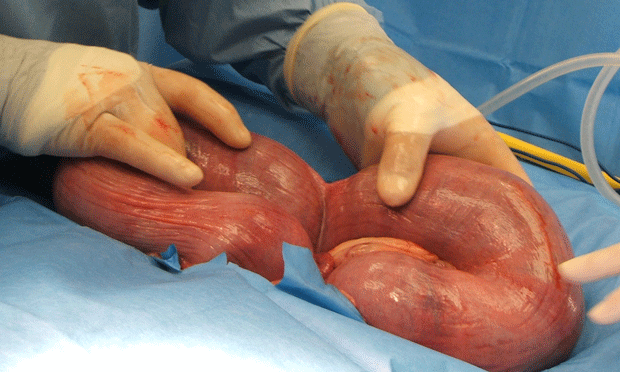
Image Source: images.ctfassets.net
Grasping Dog C-Sections
A C-section is a major surgery. A vet cuts into the mother dog’s belly and womb. This helps to take out the puppies. It is a vital surgery. It saves the lives of both the mother and her puppies.
Sometimes, a dog can give birth on its own. Other times, it needs help. A C-section becomes a must in some cases. It is a big choice for any dog owner. It comes with risks. It also comes with costs. Knowing these things helps you be ready.
Why Dogs Need C-Sections
Dogs may need a C-section for many reasons. Some breeds often need them. Bulldogs, French Bulldogs, and Boston Terriers have large heads. Their puppies might be too big to pass. Small breeds like Chihuahuas can also have trouble. Their birth canals are tiny.
Here are common reasons for a C-section:
- Dystocia: This is hard labor. The puppies are not moving. Or the mother is too tired. This is a common reason for a vet bill for dog dystocia.
- Large Puppies: A puppy is too big for the birth canal.
- Wrong Position: A puppy is stuck. It is not coming out head first.
- Small Pelvis: The mother dog has a very small pelvis.
- Health Issues: The mother dog is sick. Or she has a medical problem. Giving birth might be too risky for her.
- Puppy Distress: Puppies are in danger. Their heart rates are low.
- Previous Problems: The mother had trouble with past births.
- Planned Reasons: The vet knows ahead of time there will be problems. This leads to a planned C-section cost for dogs.
Deciphering the Dog C-Section Average Cost
The average cost for a dog C-section can vary a lot. In some places, it might be around $1,000 to $2,500. In others, it can be much higher. Factors like location, clinic type, and timing play a big role. It’s not a fixed price.
Let’s look at the numbers.
| Service Type | Cost Range (Estimated) | Notes |
|---|---|---|
| Planned C-section | $500 – $2,000 | Often cheaper. Done during normal vet hours. |
| Emergency C-section | $1,500 – $5,000+ | Much more expensive. Done at night or on weekends. Higher risk. |
| Simple Cases | $500 – $1,500 | No major complications. Quick surgery. |
| Complex Cases | $2,000 – $5,000+ | Complications, extensive monitoring, extended stay. |
This table gives a general idea. The actual cost can be higher or lower. It depends on many things. We will talk about these things in more detail.
Factors Influencing Dog C-Section Cost
Many things change the price of a dog C-section. Knowing these factors helps you guess the total expense.
1. Emergency Versus Planned Surgery
This is a big factor.
- Planned C-section Cost for Dogs: If you know your dog will need a C-section, it’s often cheaper. You can schedule it during regular vet hours. Vets have more time. They can plan staffing. This is usually the lower end of the cost scale. You might pay $500 to $2,000.
- Emergency Canine C-section Price: This is much more costly. An emergency means your dog needs surgery right away. This often happens at night, on weekends, or holidays. Emergency clinics charge more for after-hours care. They need staff on standby. They might have special equipment ready. The price can jump to $1,500 to $5,000 or even more. This makes the vet bill for dog dystocia very high.
2. Geographic Location
Where you live matters a lot. Vet costs are higher in big cities. They are also higher in areas with a higher cost of living. A C-section in New York City will likely cost more than one in a small town. This is true for all veterinary services.
3. Type of Veterinary Clinic
Different clinics charge different prices.
- General Practice Vet: Your regular vet might do C-sections. Their prices might be lower than a specialist. But they might not handle very complex cases.
- Emergency Vet Clinic: These clinics are open 24/7. They are ready for any emergency. They have higher overheads. So, their prices are higher. This is where you will get the emergency canine C-section price.
- Specialty or Referral Center: These places have advanced tools. They have vets with special training. They handle very tough cases. Their costs are often the highest.
4. Time of Day and Week
As mentioned, after-hours care costs more. A C-section done at 2 AM on a Sunday will cost more. It will be more expensive than one done at 10 AM on a Tuesday. This is because of overtime pay for staff.
5. Dog’s Health and Complications
The dog’s health before surgery affects the cost.
- Healthy Dog: A healthy dog has a smoother surgery. This keeps costs down.
- Health Problems: If the dog has other health issues, it adds to the cost. The vet might need more tests. They might need special care during surgery. This can increase the overall cost of dog whelping surgery.
- Dog Delivery Complications Vet Bill: If there are problems during labor, the cost goes up. Puppies might be stuck. The mother might be bleeding. The vet might need more time. They might need more tools. This makes the bill much higher. Examples of complications include:
- Puppy Resuscitation: Puppies might not breathe on their own. They need extra help.
- Uterine Bleeding: The mother might bleed too much.
- Infection: The mother might get an infection.
- Length of Surgery: The longer the surgery, the more expensive.
6. Breed and Size of Dog
Larger dogs need more anesthesia. They need bigger surgical tools. Their recovery might need more space. This can make their C-section a bit more costly. But breed type is often more important. Breeds known for birth problems (like Bulldogs) often need C-sections. This is often factored into the total cost.
7. Number of Puppies
More puppies mean more work for the vet. Each puppy might need care after birth. This can add to the total canine C-section expenses breakdown.
8. Pre-Operative Diagnostics
Before surgery, the vet might do tests.
- X-rays: To count puppies. To check their size and position.
- Ultrasound: To check puppy heartbeats. To see if puppies are in distress.
- Blood Work: To make sure the mother dog is healthy enough for surgery. To check for bleeding problems.
These tests add to the bill. They are crucial for a safe surgery.
9. Anesthesia and Monitoring
Anesthesia is a big part of the cost. The vet must watch the dog closely. They monitor heart rate, breathing, and blood pressure. This needs special equipment. It needs a skilled person to watch the dog. All these add to the cost.
10. Post-Operative Care and Medication
The dog needs care after surgery. This is the post-op care for dog C-section price.
- Pain Medication: To keep the mother comfortable.
- Antibiotics: To prevent infection.
- Hospital Stay: The dog might stay at the vet for a day or two. This is for monitoring. It is to make sure she recovers well.
- Follow-up Visits: You might need to bring the dog back. The vet will check the incision. They will make sure she is healing.
All these add to the final cost.
Canine C-Section Expenses Breakdown
Let’s look closer at what makes up the cost. This is the canine C-section expenses breakdown.
1. Initial Exam and Diagnostics:
* Emergency Exam Fee: $100 – $300 (Higher for emergency visits)
* X-rays (to count puppies, check size/position): $150 – $400
* Ultrasound (to check puppy viability/distress): $150 – $500
* Blood Work (pre-surgical screening): $100 – $300
* IV Catheter and Fluids: $50 – $150
2. Surgical Procedure:
* Anesthesia (induction, maintenance, monitoring): $300 – $1,000 (Varies by dog size, time under)
* Surgeon’s Fee: $500 – $2,500 (This is the core cost of the surgery itself)
* Surgical Supplies (sutures, drapes, blades): $100 – $300
* Assistant/Support Staff: Often included in surgeon’s fee, but sometimes listed separately.
3. Puppy Care (Neonatal Resuscitation):
* Puppy Care Fee (per puppy): $25 – $100 (For warming, cleaning, stimulating, clearing airways)
* Incubator Time: $50 – $200 (If puppies need extra support)
4. Hospitalization and Recovery:
* Overnight Stay/Hospitalization Fee: $100 – $500 per night (Depends on clinic type and monitoring needed)
* Post-operative Monitoring: Often included in hospitalization.
5. Medications:
* Pain Medication (sent home): $30 – $100
* Antibiotics (sent home): $30 – $100
* Other Medications (e.g., to help milk production): $20 – $50
6. Follow-up Care:
* Recheck Exam: $50 – $150
* Suture Removal: Often included in recheck, or a small fee.
These are estimates. Each clinic lists things differently. Always ask for a detailed quote. This helps you grasp the full cost.
Planning for a Dog C-Section
If you know your dog will need a C-section, plan ahead. This can save you money. It can also reduce stress.
Choosing a Vet
Talk to your vet early. Ask if they do C-sections. Some vets prefer to send cases to a specialty clinic. Find out their planned C-section cost for dogs. Ask for a written estimate.
Preparing Your Dog
Your vet will tell you how to prepare your dog. This might include:
* X-rays: To count puppies. To check their size. This helps the vet pick the best day for surgery.
* Blood Tests: To ensure your dog is healthy.
* Fasting: No food or water for a few hours before surgery.
Financial Planning
Saving money for potential vet bills is wise. Consider pet insurance. Some plans cover C-sections. But check the policy carefully. Some plans do not cover breeding. Or they have a waiting period.
Other options include:
* Payment Plans: Some clinics offer payment plans.
* CareCredit: This is a credit card for health expenses. It offers low or no interest for a set time.
* Emergency Funds: Set aside money for pet emergencies.
When is a C-Section Needed? Signs of Trouble
Knowing when to call the vet is key. You need to act fast if your dog has trouble. This can prevent a higher dog delivery complications vet bill.
Call your vet right away if you see these signs:
- No Puppies After 24 Hours: Your dog’s temperature drops. It means labor is near. If no puppies come after 24 hours, call the vet.
- Strong Pushing, No Puppy: Your dog is straining hard for 30-60 minutes. No puppy comes out.
- Weak or Irregular Pushing: Your dog has weak pushes for 2-3 hours. No puppy comes.
- Long Time Between Puppies: More than 2-4 hours pass between puppies.
- Green/Black Discharge: Before any puppies are born. This means the placenta is separating too early.
- Excessive Bleeding: More than a few drops of blood.
- Mother Dog is Sick: She is very weak. She is shaking. She has pain. Or she collapses.
- Stuck Puppy: A puppy is partly out. It is not moving. Do not try to pull it. Call the vet.
These signs mean your dog needs help fast. This will likely lead to an emergency canine C-section price.
Post-Op Care for Dog C-Section Price
After the C-section, your dog needs special care. This care is important for her recovery. It also helps the puppies. The cost for this care is part of the overall post-op care for dog C-section price.
Immediate Post-Surgery Care
- Monitoring: The vet watches your dog closely. They check vital signs. They look for bleeding. They watch for pain.
- Pain Management: Your dog will get pain medicine. This helps her feel better.
- Warmth: Puppies and the mother need to stay warm.
- Puppy Care: The vet staff helps the puppies. They dry them. They clear airways. They make sure they are breathing. Some puppies need extra help. This can add to the canine C-section expenses breakdown.
Care at Home
When your dog comes home, you have a big role.
- Quiet Place: Give your dog a quiet, warm, clean place to rest.
- Monitor Incision: Check the surgical cut every day. Look for redness, swelling, or bad smells.
- Medication: Give all medicines as the vet says. This includes pain pills and antibiotics.
- Limit Activity: Keep your dog calm. No jumping or rough play.
- Watch for Complications:
- Infection: Red, swollen, hot incision. Pus. Fever.
- Bleeding: Lots of bleeding from the incision.
- Pain: Dog whimpers, avoids touch, hides.
- No Appetite: Dog does not want to eat or drink.
- No Milk: Mother dog is not making enough milk for puppies.
- Mastitis: Red, hot, painful mammary glands.
- Retained Placenta: Mother dog is sick. She still has a placenta inside.
- Nutrition: Make sure the mother dog eats well. She needs good food to recover. She needs it to make milk.
- Puppy Health: Watch the puppies. Make sure they are nursing. Make sure they are gaining weight. If puppies are weak or not nursing, call the vet. This might mean extra vet visits. This can add to the cost of dog whelping surgery.
Reducing the Cost of a Dog C-Section
While emergencies happen, you can take steps to manage costs.
- Plan Ahead: If you breed dogs, always have a plan. Know which vet to call. Have emergency funds.
- Regular Vet Visits: Keep your dog healthy. Regular check-ups can catch problems early. This might help prevent emergencies.
- Choose the Right Breed: If you are new to breeding, pick breeds that rarely need C-sections.
- Pet Insurance: Get pet insurance before your dog gets pregnant. Check what it covers. Not all policies cover breeding or C-sections related to breeding.
- Communicate with Your Vet: Talk openly about costs. Ask for estimates. Ask about options.
Interpreting the Cost: Is It Worth It?
The price of a dog C-section can be high. But for many owners, it is worth it. It saves the lives of beloved pets. It ensures healthy puppies. The bond with a pet is priceless. The cost covers the skills of the vet team. It pays for their time, the tools, and the care. It is an investment in your dog’s life. It is an investment in the lives of her puppies.
Fathoming the Need for Expert Care
A C-section is not a simple procedure. It needs a skilled vet. It needs a team. They must watch the mother. They must also care for each new puppy. Each puppy needs attention right away. They need to be dried, warmed, and helped to breathe. This expert care is why the costs are what they are. It ensures the best chance for everyone.
Frequently Asked Questions (FAQ)
Q1: How much is a vet C-section for a dog normally?
A1: The cost varies. For a planned C-section, it can be $500 to $2,000. For an emergency, it can be $1,500 to $5,000 or more.
Q2: What is included in the emergency canine C-section price?
A2: It often includes the emergency exam, diagnostics (X-rays, ultrasound, blood work), anesthesia, surgeon’s fee, hospitalization, puppy care, and post-operative medications. It’s higher due to after-hours staffing and urgency.
Q3: Why is the vet bill for dog dystocia so high?
A3: Dystocia means difficult labor. It often becomes an emergency. This raises the cost. Also, complications might arise. These can include distressed puppies or issues with the mother dog. More time, tools, and staff are needed.
Q4: Does pet insurance cover the cost of dog whelping surgery?
A4: Some pet insurance plans might cover C-sections. But many plans do not cover breeding-related costs. Or they have specific limits. Always read your policy details carefully. Ask your insurance provider before breeding.
Q5: What are the main factors influencing dog C-section cost?
A5: Key factors are: if it’s an emergency or planned, your geographic location, the type of vet clinic, the time of day, the dog’s health, any complications, and the number of puppies.
Q6: What is included in the canine C-section expenses breakdown?
A6: It usually includes pre-surgical exams and tests (X-rays, blood work), anesthesia, the surgeon’s fee, surgical supplies, immediate puppy care, hospitalization, and post-operative medications like pain relief and antibiotics.
Q7: What is the post-op care for dog C-section price?
A7: This covers monitoring after surgery, pain management, any necessary extra medications, and potentially an overnight stay at the vet. Follow-up visits for check-ups or suture removal are also part of this.
Q8: Is a planned C-section cost for dogs cheaper than an emergency one?
A8: Yes, usually. A planned C-section is scheduled during regular vet hours. This avoids emergency fees and extra staff costs.
Q9: What increases a dog delivery complications vet bill?
A9: Complications like puppies being stuck, heavy bleeding, the mother being very weak, or puppies needing resuscitation will increase the bill. These issues require more vet time, resources, and expert intervention.
Q10: How long does a dog C-section recovery take?
A10: Most dogs start feeling better within a few days. The incision typically heals in about 2-3 weeks. Full recovery, especially with nursing puppies, can take 4-6 weeks or longer. Always follow your vet’s specific instructions.