
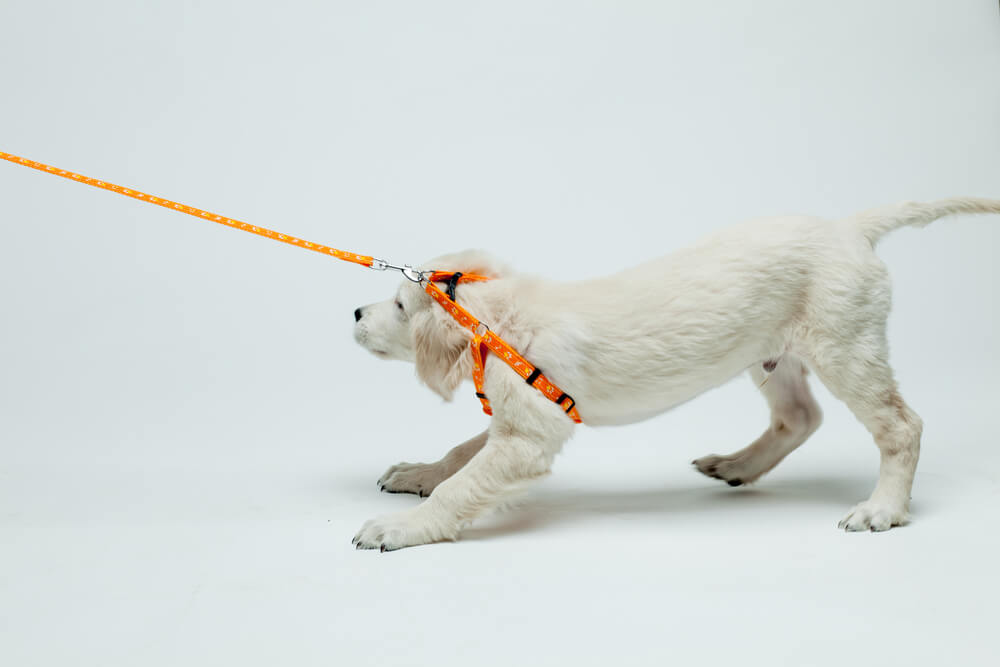
Image Source: blog.myollie.com
Why Is My Dog Refusing To Walk? Uncover the Reasons
Has your dog suddenly stopped walking? You might wonder, “Why is my dog refusing to walk?” Many reasons can cause this behavior. It could be due to pain, fear, or a simple dislike of the weather. When a dog won’t walk, it often means something is wrong. We will look at the many possible causes, from health problems to feelings and surroundings. We will also share ways to help your dog get back to enjoying walks.
Your dog is trying to tell you something. They cannot speak with words. So, they use their actions. Refusing a walk is a big sign. It needs your close attention. Do not just pull on the leash. First, try to figure out what is wrong. This guide will help you do just that.
Signs Your Dog Doesn’t Want to Walk
Before we look at the “why,” let’s spot the signs. Your dog might show many clues. They might not just stop walking. They may show dislike even before the walk starts.
- Pulling Back: Your dog hides or pulls away when you get the leash.
- Sitting Down: They sit or lie down and will not move.
- Whining or Barking: They make noises showing they are unhappy.
- Limping: They walk strangely or put less weight on a paw. This is a clear sign of pain.
- Shaking or Panting: They may look scared or anxious.
- Slow Movement: They walk very slowly or drag their feet.
- Turning Around: They try to go back home.
If you see these signs, it’s time to find the root cause.
Deciphering Physical Ailments: Pain and Sickness
One of the most common reasons a dog won’t walk is pain. Dogs are good at hiding pain. But if they stop walking, the pain might be strong. This is especially true if your dog suddenly stops walking.
h4 Body Pain and Injuries
Think about how you feel with a sore muscle. Dogs feel pain too. It can come from many places.
* Paw Problems: This is a big one. Dog paw pain walking can be very bad.
* Cuts or Scrapes: Your dog might have stepped on something sharp. Check between their paw pads. Look for glass or thorns.
* Burns: Hot pavement can burn paw pads. This is common in summer.
* Nail Issues: Long nails can hurt. Broken or torn nails are very painful.
* Thorns or Foxtails: These can get stuck in their paw. They cause much pain.
* Ice or Salt: In winter, ice can hurt paws. Salt used on roads can also irritate.
* Joint Pain: Older dogs often have joint problems. Senior dog mobility issues are very common.
* Arthritis: This is swelling in the joints. It makes moving stiff and painful. Your dog may be slow to get up. They may limp after rest.
* Hip or Elbow Dysplasia: These are problems with how joints form. They cause ongoing pain.
* Luxating Patella: This is a knee cap that slips out of place. It causes sudden limping.
* Muscle Strains or Sprains: Dogs can hurt muscles. This happens during play or exercise. It might cause dog limping refusing walk.
* Back or Neck Pain: Problems with the spine can be very painful. They can make it hard to walk.
* Intervertebral Disc Disease (IVDD): Discs in the spine can bulge or rupture. This puts pressure on nerves. It can cause weakness or paralysis.
* Pinched Nerves: Like in people, nerves can get trapped. This leads to sharp pain.
* Other Hidden Injuries: Your dog might have a small injury you cannot see. This could be in their shoulder or leg.
Table 1: Common Physical Reasons for Walk Refusal
| Type of Pain / Issue | Common Signs Beyond Walk Refusal | What to Look For / Check |
|---|---|---|
| Paw Pain | Licking paws, limping, holding paw up | Cuts, burns, thorns, broken nails, redness |
| Joint Pain | Stiffness, trouble standing, slow to move, limping | Swelling around joints, favoring a limb |
| Muscle Strain | Tenderness, limping, reluctance to jump/climb | Swelling, specific spot hurting when touched |
| Back/Neck Pain | Yelping when touched, hunched posture, weakness in legs | Reluctance to turn head, unsteady gait |
| Internal Issues | Vomiting, diarrhea, lethargy, poor appetite | Fever, weight loss, unusual belly size |
h4 General Illness and Lethargy
Sometimes, your dog just feels sick. A sick dog won't move much. They might not want to walk at all.
* Fever: Just like us, a fever makes a dog feel weak.
* Infections: Any kind of infection can drain energy.
* Internal Issues: Problems with organs can make your dog feel unwell. This includes kidney disease or heart problems.
* Digestive Upset: If their tummy hurts, they won’t want to move.
* Lethargy: A general lack of energy. This is a common sign of illness. Your dog might sleep more. They might not want to eat.
If your dog is not just refusing to walk, but also shows other signs of sickness, see your vet.
h4 Age-Related Changes
As dogs get older, their bodies change. Senior dog mobility issues are normal.
* Weak Muscles: Older dogs lose muscle strength. Walks become harder.
* Vision or Hearing Loss: They might not see or hear as well. This can make them scared outside. They might not want to go to new places.
* Dementia (Canine Cognitive Dysfunction): Their minds can change too. They might get confused. They may forget what walks are. They might get lost or scared easily.
Adjust walks for older dogs. Make them shorter. Choose softer paths.
h4 Weight and Fitness Levels
Being overweight makes walks hard. It puts more stress on joints. A dog who is not fit might tire quickly. They might just sit down. They cannot keep up.
* Obesity: Too much weight hurts joints. It makes breathing harder.
* Lack of Exercise: If your dog is not used to long walks, they will tire fast. Build up their fitness slowly.
Always check your dog’s weight. Ask your vet if your dog is at a healthy size.
Interpreting Emotional and Behavioral Cues
Not all reasons are about pain. Your dog’s feelings matter too. Behavioral reasons dog won't walk are very common.
h4 Fear and Anxiety
Fear can stop a dog in their tracks. A dog afraid of walks outside is not rare.
* Past Bad Experiences: Maybe something scared them on a walk before.
* Loud noises like thunder or fireworks.
* A mean dog or person they met.
* Falling or slipping.
* New or Strange Things: Your dog might be scared of new sights or sounds.
* Construction noises.
* New people or dogs.
* Strange objects like trash cans or signs.
* Separation Anxiety: Some dogs do not want to leave the house. They get anxious when alone. The walk might make them feel more alone.
* Leash or Collar Aversion: Some dogs hate their leash or collar. They might have had a bad past with it. An anxious dog leash refusal is a clear sign.
* It might be too tight or uncomfortable.
* They might link it to something bad.
* General Anxiety: Some dogs are just more anxious by nature. They find the outside world scary.
Watch your dog for signs of fear. These include tail tucked, ears back, shaking, or panting.
h4 Lack of Training and Socialization
A dog needs to learn about walks. If they never learned, they might not like them.
* Puppy Socialization: Young dogs need to meet new things. If they do not, the world can be scary.
* Leash Training: Some dogs never learned to walk nicely on a leash. They might pull or fight it. This makes walks stressful for both of you.
* Rewarding Good Behavior: If walks are not fun, why would they go? Make walks a good thing.
h4 Stubbornness or Boredom
Sometimes, your dog just does not want to go. Or they are bored with the same route.
* “I Don’t Wanna!”: Some breeds are known for being stubborn. They might dig their heels in.
* Boredom with Routine: Walking the same path every day can get old. Your dog might want new smells and sights.
* Too Tired: Maybe they had a big day. They just need a rest.
* Attention Seeking: Your dog might learn that refusing a walk gets your attention. They might get treats or extra petting.
h4 Overstimulation
The world outside is full of sights, sounds, and smells. For some dogs, this is too much.
* Sensory Overload: Too much noise or activity can be overwhelming. They might freeze or try to hide.
* Excitement Overload: Some dogs get too excited. They cannot focus on walking. They just want to sniff or chase.
Fathoming Environmental Factors
The world around your dog plays a big role. What is outside? How does it feel?
h4 Weather Conditions
Weather affecting dog walks is very common.
* Extreme Heat: Hot ground can burn paws. Dogs can get heatstroke easily. They might just sit down to cool off.
* Extreme Cold: Ice and snow can hurt paws. Some dogs hate the cold. Short-haired breeds feel the cold more.
* Rain or Snow: Many dogs do not like getting wet. They might refuse to go out in bad weather.
* Wind: Strong winds can scare dogs. They can also carry new, scary smells.
Always check the weather. Protect your dog’s paws. Use boots if needed.
h4 Unfamiliar or Scary Surroundings
A new place can be scary.
* New Route: Your dog might be unsure of a new path.
* Loud Noises: Construction, loud vehicles, or fireworks can be very frightening.
* Strange Objects: Bins, statues, or flags can look odd to a dog.
* Threatening Presence: Another dog, a person, or even a leaf blowing can seem scary to an anxious dog.
Try to introduce new places slowly. Make them fun.
h4 Uncomfortable Equipment
The wrong collar or harness can cause pain.
* Ill-fitting Collar/Harness: If it pinches or rubs, it hurts. Your dog will link the walk to pain.
* Prong or Choke Collars: These can cause pain and fear. Many dogs will resist walking on them.
* Too Loose: A collar or harness that is too loose can also be bad. Your dog might slip out. This makes them anxious.
Always use gear that fits well. It should be comfortable for your dog.
When to Seek Expert Help
If your dog suddenly stops walking, especially if they are limping or seem sick, call your vet. Do this right away. Sick dog won't move is a red flag.
* Sudden Onset: If it happens fast, it’s often pain.
* Other Symptoms: Vomiting, diarrhea, not eating, or weakness.
* Limping or Favoring a Leg: This clearly points to pain.
* Changes in Behavior: Hiding, aggression, or unusual sounds.
A vet can check for injuries or illness. They can give pain relief. They can also tell you if your dog needs more tests.
How to Get Your Dog to Walk Again: Solutions and Tips
Once you have an idea why your dog won’t walk, you can help them. How to get dog to walk depends on the reason.
h4 Addressing Physical Issues
If your dog is in pain or sick, treat that first.
* Vet Visit: This is step one for any physical issue. Get a proper diagnosis.
* Pain Management: Your vet might give medicine. This could be for arthritis or an injury.
* Physical Therapy: For joint issues, special exercises can help.
* Weight Management: If your dog is overweight, work with your vet. A diet and gentle exercise plan can help.
* Paw Care:
* Check paws often for cuts or foreign objects.
* Use paw balm for dryness or cracks.
* Use dog boots in hot or cold weather.
* Keep nails trimmed.
* Senior Dog Comfort:
* Shorter, more frequent walks.
* Softer surfaces (grass instead of pavement).
* Support harnesses can help older dogs move.
* Ramps for stairs or car entry.
h4 Resolving Behavioral Concerns
Behavioral reasons dog won't walk need patience and training.
* Positive Reinforcement: Make walks fun and rewarding.
* Use high-value treats.
* Praise your dog often.
* Use toys they love.
* Reward them for every step forward.
* Counter-Conditioning and Desensitization:
* If your dog fears the leash, just bring it out. Give a treat. Put it away. Do not put it on yet.
* Slowly work up to putting it on. Reward each step.
* If they fear specific sounds, play them softly at home. Give treats. Slowly increase the sound.
* Start walks in quiet, calm places. Slowly introduce busier areas.
* Leash Training:
* Teach loose-leash walking. Use a front-clip harness. This stops pulling.
* Practice short, happy walks at home first.
* Build Confidence:
* Enroll in obedience classes. This helps build trust.
* Socialize them slowly with calm dogs and people.
* Try different routes to keep things interesting.
* Avoid Force: Never pull or drag your dog. This will make their fear worse. It breaks trust.
h4 Adapting to Environmental Factors
Change the environment or how you deal with it.
* Check Weather:
* Walk early morning or late evening in summer.
* Dress your dog in a coat in winter.
* Use rain gear for wet weather.
* If the weather is bad, play indoors instead.
* Choose Calm Routes:
* Avoid busy streets if your dog is scared.
* Find quiet parks or trails.
* Walk at less busy times.
* Comfortable Gear:
* Get a well-fitting harness. A Y-shaped front-clip harness is often good.
* Make sure it does not rub or restrict movement.
* Never use tools that cause pain.
Table 2: Solutions Based on Cause
| Cause Category | Specific Issue | Recommended Action (How to Get Dog to Walk) |
|---|---|---|
| Physical Pain | Paw injury, limping | Vet visit, gentle paw cleaning, dog boots, pain meds |
| Arthritis, joint pain | Vet visit, pain meds, joint supplements, physical therapy | |
| General sickness | Vet visit, rest, follow vet instructions | |
| Behavioral | Fear of outside/leash | Desensitization, counter-conditioning, positive reinforcement |
| Lack of training | Leash training, basic obedience, reward good behavior | |
| Stubbornness/Boredom | Vary routes, use high-value treats, make walks exciting | |
| Environmental | Bad weather | Adjust walk times, use paw protection, rain gear, indoor play |
| Scary sounds/places | Find quiet routes, slow introduction to new places, confidence building | |
| Uncomfortable equipment | Get properly fitting harness/collar, avoid pain-inducing tools |
Creating a Positive Walk Routine
Consistency is key. A good routine helps your dog know what to expect.
* Routine: Try to walk at the same time each day. This gives your dog a sense of safety.
* Keep it Short and Sweet: Do not push your dog too far. End the walk before they get tired or scared.
* Make it Fun: Bring toys. Play games. Let them sniff new things.
* Patience: Changing a dog’s behavior takes time. Be patient and kind. Your dog is doing their best.
* Praise and Reward: Always make walks a good experience. Lots of praise and treats help.
Frequently Asked Questions (FAQ)
h5 Q1: My dog suddenly stops walking and sits down. What should I do first?
A1: Check for obvious signs of pain. Look at their paws. Gently feel their legs and body. If they show pain or seem sick, call your vet right away. If not, try to coax them with a treat. See if they are just being stubborn or if something scared them.
h5 Q2: How can I tell if my senior dog mobility issues are just age or something more serious?
A2: Normal aging causes some stiffness. But if your senior dog suddenly stops walking, yelps in pain, or struggles a lot, it is more serious. A vet visit is best. They can tell you if it’s arthritis, an injury, or another medical issue. Early care helps a lot.
h5 Q3: My dog limping refusing walk after a short time. Is it always a vet emergency?
A3: Not always an emergency, but always needs attention. If the limping is severe, they cannot put weight on the leg, or it is getting worse, see a vet fast. If it is mild and they can still walk a little, you can watch them. But if it lasts more than a day or two, or gets worse, call the vet.
h5 Q4: My dog afraid of walks outside and shakes when I try to leave. What steps can I take?
A4: Start with very small steps. Just put on the leash indoors. Give treats. Take it off. Do this many times. Then, step just outside the door. Treat. Go back inside. Slowly build up. Use calm praise. Never force them. A trainer specializing in fear can help a lot too.
h5 Q5: What if my sick dog won't move at all?
A5: If your dog is not moving, seems weak, or has other signs of sickness like vomiting or not eating, this is serious. Call your vet or an emergency vet right away. This is not normal behavior and needs fast medical help.
h5 Q6: What are common causes of dog paw pain walking?
A6: Common causes are cuts from glass, thorns, or sharp objects. Also, burns from hot pavement. Long or torn nails, ice or salt irritation, and small stones stuck between pads can also cause pain. Always check your dog’s paws carefully after walks.
h5 Q7: My dog is refusing walks due to behavioral reasons dog won't walk. How can I make walks more appealing?
A7: Make walks fun! Bring high-value treats and favorite toys. Vary your routes so they get new smells. Let them sniff more. Play short games during the walk. Keep walks short and end on a high note. Positive reinforcement is key. Never punish them for refusing.
h8 Q8: What if nothing works? How to get dog to walk if they still refuse?
A8: If you have tried everything and ruled out medical issues, seek help from a certified dog trainer or a veterinary behaviorist. They can watch your dog and offer a plan. They might see things you missed.
h5 Q9: My dog shows anxious dog leash refusal. How do I help them?
A9: Start by making the leash a positive thing. Let them see it. Give treats. Touch it to them. Treat. Slowly put it on. Treat. Take it off. Practice this many times a day for short periods. This builds a good link between the leash and good things.
h5 Q10: How much does weather affecting dog walks really matter?
A10: It matters a lot! Extreme heat can burn paws and cause heatstroke. Extreme cold can cause frostbite. Rain and strong winds can make dogs very uncomfortable or scared. Always check the weather. Protect paws with balms or boots. Dress them in coats if needed. If the weather is too bad, skip the walk and play indoors.
Final Thoughts
It can be worrying when your dog refuses to walk. But remember, your dog is trying to tell you something important. Take time to check their health. Look at their feelings. Think about their surroundings. With patience and the right steps, you can help your dog enjoy walks again. If you are unsure, always reach out to your vet first. They are your best partner in keeping your dog healthy and happy.