
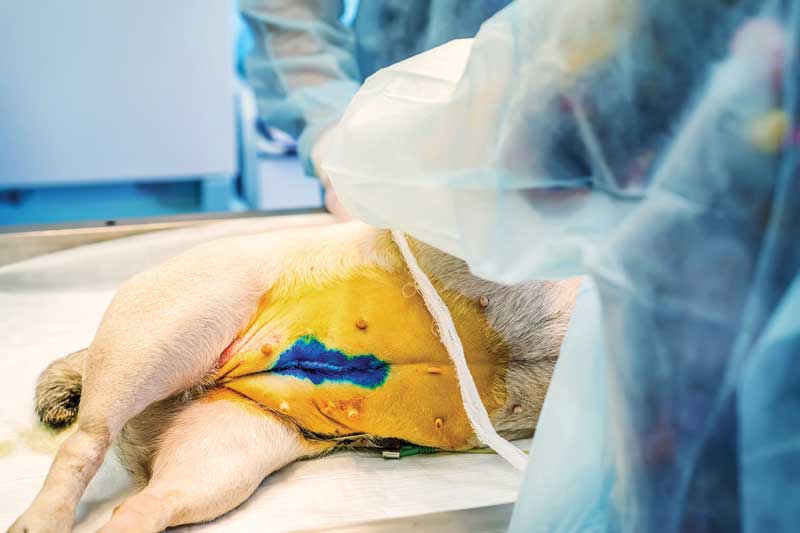
Image Source: www.veterinarypracticenews.com
Vets Explain: Can You Have A Dog Spayed While In Heat?
Yes, you can have a dog spayed while she is in heat. However, vets often suggest waiting if possible. Spaying a dog in heat means higher risks. It can also lead to more problems during the surgery. It might take longer for your dog to heal. Most vets prefer to spay a dog when she is not in heat. This makes the surgery safer for your pet.
Appreciating a Dog’s Heat Cycle
To grasp why spaying a dog in heat is tricky, we first need to know about her heat cycle. A female dog goes through a heat cycle. This is also called estrus. It is when she can get pregnant. This cycle happens every 6 to 12 months. It lasts about 2 to 4 weeks.
Stages of the Heat Cycle
Dogs go through four main stages in their heat cycle:
- Proestrus: This is the start of heat. It lasts about 9 days. You might see some bleeding. Her vulva, or private area, starts to swell. Male dogs will be drawn to her. But she will not let them mate yet.
- Estrus: This is the main part of heat. It lasts about 9 days. This is when she is ready to mate. Her vulva is very swollen. The bleeding might slow or stop. She might “flag” her tail. This means she moves her tail to the side. She is showing she is ready.
- Diestrus: This stage follows estrus. It lasts about 60 to 90 days. If she got pregnant, she would be carrying pups now. If not, her body still acts like she might be. Her hormone levels change.
- Anestrus: This is the resting stage. It is between heat cycles. It lasts about 2 to 3 months. Her body is calm during this time. This is often the best time to spay her.
When a dog is in proestrus or estrus, her body changes a lot. These changes make spaying harder.
Spaying a Dog in Heat: The Difficulties
Spaying a dog means taking out her ovaries and uterus. It is a major surgery. Doing this when she is in heat adds many problems. The body of a dog in heat is different inside. These differences make the surgery tougher for the vet. They also make it riskier for your dog.
Increased Blood Flow
One big issue is blood flow. When a dog is in heat, her body gets ready for pregnancy. Her blood vessels get much larger. They carry more blood to her reproductive organs. This includes her uterus and ovaries. This is a natural body change. But it means an increased bleeding spay during heat. During surgery, vets must cut these blood vessels. With more blood flowing, there is a higher chance of a lot of bleeding. This can make the surgery take longer. It also makes it more dangerous. A lot of blood loss is very risky for a dog. It can lead to needing a blood transfusion. It can even lead to death in bad cases.
Swollen Tissues
Another problem is swollen tissues spay during heat cycle. Hormones make the reproductive organs grow larger. The uterus gets thicker. The ovaries also get bigger. The tissue around them gets puffy. This swelling makes it hard for the vet to see clearly. It also makes the organs harder to handle. The vet has less room to work. This makes the surgery more delicate. It increases the chance of something going wrong. Imagine trying to work with soft, squishy, enlarged parts instead of firm, small ones. It is much more complex.
Surgical Challenges
These physical changes lead to real difficulty spaying dog in heat.
* Longer Surgery Time: Because of more bleeding and swollen tissues, the surgery takes much longer. A normal spay might be 30-60 minutes. A spay in heat can take 1.5 to 2 hours or more.
* Higher Anesthetic Risk: Longer surgery means more time under anesthesia. More time under drugs means more risk. It puts more stress on your dog’s heart and lungs. Older dogs or dogs with other health issues face even higher risks.
* Increased Risk of Complications: The risk of harm to other organs goes up. It is harder to see and work around other parts. There is a higher chance of stitches not holding well. Infection risk can also be higher.
Table: Comparison of Spay Surgery in Heat vs. Not in Heat
| Feature | Spay While Not in Heat | Spay While in Heat |
|---|---|---|
| Blood Loss | Low | High |
| Tissue Swelling | Minimal | Significant |
| Surgery Time | Shorter (30-60 min) | Longer (90-120+ min) |
| Anesthesia Risk | Lower | Higher |
| Visibility for Surgeon | Good | Reduced |
| Recovery Period | Shorter | Longer, more complex |
| Overall Cost | Lower | Higher |
| Risk of Complications | Lower | Higher |
Risks of Spaying a Dog in Estrus
Beyond the direct surgical challenges, there are specific risks of spaying a dog in estrus that pet owners should know. These risks are why vets usually tell you to wait.
- Higher Chance of Internal Bleeding: Even after surgery, the body still has more blood flow. There is a greater chance of bleeding inside. This can form a hematoma. This is a pool of blood under the skin. It can also cause bleeding into the belly. This is very serious.
- Increased Pain and Discomfort: Swollen tissues and more cutting can mean more pain for your dog after surgery. They may need more pain medicine. Their healing process might be more painful.
- Longer Recovery: Your dog will likely take longer to get back to normal. We will talk more about this soon.
- Increased Risk of Infection: Any surgery carries a risk of infection. With more swollen tissue and longer surgery, this risk can go up.
- Possible Need for Blood Transfusion: In severe cases of blood loss, a dog might need a blood transfusion. This adds to the cost and complexity of the vet care. It also adds more risk.
- Anesthetic Reactions: Any time a dog is under anesthesia, there is a risk of a bad reaction. The longer they are under, the higher this risk can be.
Veterinarian Recommendations Spaying Heat Cycle
So, what do vets say about spaying a dog in heat? Most veterinarian recommendations spaying heat cycle are to wait. They want what is best for your dog’s health and safety.
Vets will often tell you to delay the surgery. They usually ask you to wait until 2 to 4 weeks after the heat cycle ends. This waiting period allows your dog’s body to return to normal. The hormones go down. The blood vessels shrink back to their usual size. The tissues become less swollen. This makes the surgery much safer and easier.
However, there are times when a vet might decide to spay a dog in heat. This might happen in certain urgent cases. For example, if a dog is rescued and needs spaying right away. Or if there is a severe health issue. But these cases are rare. They are decided one by one. The vet will explain all the higher risks involved.
Can Vets Refuse to Spay Dog in Heat?
Yes, can vets refuse to spay dog in heat? Most vets can and will refuse to spay a dog during her heat cycle. They do this for medical reasons. They want to avoid problems. A vet has a duty to provide the safest care. If they feel the surgery is too risky at that time, they have the right to decline. They will usually ask you to reschedule. They will explain why it is safer to wait.
If you have a dog in heat and want her spayed, call your vet. They will talk to you about the best plan. They might suggest giving a small dose of medicine to help her hormones settle. But usually, they just ask for a waiting period.
Optimal Time to Spay Female Dog
So, if not in heat, what is the optimal time to spay female dog? The best time to spay a female dog is usually before her first heat cycle. This is often around 5 to 6 months of age.
Spaying before the first heat offers many health benefits. It greatly reduces the risk of mammary (breast) cancer. Every heat cycle a dog goes through raises her risk for this cancer. Spaying also prevents pyometra. This is a very serious and life-threatening infection of the uterus. It often needs emergency surgery. It can be fatal.
If your dog has already had a heat cycle, the best time to spay her is when she is in anestrus. This is the resting stage of her cycle. It is when her hormones are lowest. Her body is calm. This is typically 2 to 4 weeks after her heat has ended. Some vets might even suggest waiting 3 months. This ensures all swelling and blood flow are back to normal.
Benefits of Waiting to Spay After Heat
There are many benefits of waiting to spay after heat. These benefits make the surgery safer and easier for your dog. They also help her recover better.
- Reduced Bleeding: The blood vessels return to their normal size. This means much less blood loss during surgery. This makes the procedure safer.
- Less Swelling: The reproductive tissues go back to their normal size. They are less delicate. This makes them easier for the vet to work with. It lowers the risk of accidental damage.
- Shorter Surgery Time: With less bleeding and swelling, the vet can work more quickly. A shorter surgery means less time under anesthesia. This is better for your dog’s body.
- Lower Anesthetic Risk: Less time under anesthesia lowers the chance of bad reactions to the drugs. This is always a good thing.
- Faster, Smoother Recovery: When surgery is less invasive, dogs tend to heal faster. They feel better sooner. There is less pain and discomfort.
- Lower Risk of Complications: Overall, waiting reduces the chance of problems. This includes bleeding, infection, and issues with stitches.
By waiting, you are choosing the safest path for your beloved pet. It helps ensure a smooth operation and a quick return to good health.
Cost to Spay Dog While in Season
Many owners wonder about the cost to spay dog while in season. Spaying a dog in heat often costs more. This is because the surgery is more complex.
Here is why the cost might go up:
- Longer Surgery Time: As noted, surgery takes more time. Vets often charge by the hour for surgery. More time means a higher fee.
- Extra Staff and Care: The vet might need an extra tech in the room. They might need more tools or special supplies. This adds to the cost.
- More Anesthesia: Your dog will need more anesthetic drugs for a longer surgery. These drugs cost money.
- Increased Risk, More Monitoring: Vets might need to watch your dog more closely during and after surgery. This needs more staff time and special machines.
- Possible Complications: If bleeding is heavy, or if there are other issues, more care is needed. This can include medicines, fluids, or even a blood transfusion. These extras add up quickly.
- Emergency Care: In rare but serious cases, a dog might need emergency care. This happens if there are major complications. Emergency care is much more expensive.
It is wise to ask your vet for a price quote. Always mention if your dog is in heat. They can give you a more accurate estimate. Some vets might have a set extra fee for in-heat spays. Others might charge based on time or complications.
Table: Factors Affecting Spay Cost (In Heat vs. Not)
| Factor | Standard Spay Cost (Not in Heat) | Spay in Heat Cost |
|---|---|---|
| Surgical Time | Less | More |
| Anesthesia Use | Less | More |
| Materials Used | Standard | Potentially More (e.g., more sutures) |
| Risk Factor | Lower | Higher (may require more monitoring) |
| Complication Rates | Lower | Higher (may need extra care) |
| Overall Price | Base price | Higher, often 1.5x – 2x the base |
Recovery Period After Spaying in Heat
The recovery period after spaying in heat can be tougher. It often takes longer than for a dog spayed when not in heat.
- More Pain: Dogs spayed in heat may feel more pain. This is due to the increased swelling and blood loss. They may need stronger pain relief for a longer time.
- Longer Healing Time: The tissues might take longer to heal. The incision might be more swollen. It might look more bruised. This means it takes more time for your dog to feel well again.
- Higher Chance of Swelling at the Site: You might see more swelling or bruising around the spay incision. This is normal but can be concerning. It is often due to the extra blood flow.
- Activity Restriction: Your dog will need strict rest. No running, jumping, or rough play. This is true for any spay. But it is even more vital for dogs spayed in heat. Too much activity can cause internal bleeding. It can also cause the incision to open. This restriction might last longer. It might be 14-21 days instead of the usual 10-14 days.
- Cone of Shame: Your dog will need to wear a cone (E-collar). This stops her from licking or chewing the incision. Licking can cause infection or make stitches come out. It is very important to keep the cone on.
- Watch for Complications: You will need to watch your dog closely. Look for signs of trouble. These include:
- Excessive bleeding from the incision.
- Pus or bad smell from the incision.
- Extreme swelling.
- Lethargy (very tired).
- Not eating or drinking.
- Vomiting or diarrhea.
- Pale gums.
- Pain when touched.
If you see any of these signs, call your vet right away.
Making the Decision: When It Might Be Necessary
While vets usually advise against spaying a dog in heat, there are rare cases where it might be needed.
- Emergency Situations: Sometimes, a dog is very sick. She might have a life-threatening uterine infection (pyometra) that happens during heat. In such cases, the spay becomes an emergency surgery. The vet will do it even with the higher risks. This is to save her life.
- Shelter Dogs/Rescue Animals: Many shelters spay dogs right away. They might not know a dog’s exact heat cycle stage. They do this to prevent unwanted litters. They also want to make sure the dog is spayed before adoption. The risks are known, but the benefits of preventing more puppies outweigh them.
- Uncertain Heat Cycle: Sometimes, an owner might not be sure if their dog is in heat. The signs can be subtle. The vet will check. If she is close to finishing heat, they might suggest waiting just a short time.
In these situations, your vet will talk to you openly. They will explain all the higher risks. They will make sure you know what to expect. They will also talk about how they plan to lower these risks during surgery.
Final Thoughts for Pet Parents
As pet owners, we want what is best for our furry friends. Spaying is a vital part of responsible pet ownership. It prevents unwanted puppies. It also lowers the risk of many health problems.
The best time to spay your female dog is when she is not in heat. Waiting those few weeks after her heat cycle ends makes a big difference. It means a safer surgery. It leads to less pain. And it results in a quicker, smoother recovery.
If your dog is currently in heat, do not panic. Call your vet. Talk to them about it. They will help you make the right choice for your dog. They will set up the safest time for her surgery. Your vet is there to help you protect your dog’s health for years to come.
Frequently Asked Questions (FAQ)
Is it bad to spay a dog in heat?
It is not “bad” in the sense of being wrong, but it is much riskier. Vets prefer not to do it because of more bleeding, swollen tissues, and a longer recovery time.
How long after heat can I spay my dog?
Most vets advise waiting 2 to 4 weeks after your dog’s heat cycle ends. This allows her hormones and body to return to normal. Some might suggest waiting up to 3 months.
What are the main signs my dog is in heat?
Signs include a swollen vulva, bloody discharge, frequent urination, and acting restless. Male dogs will be very attracted to her.
Does spaying a dog in heat cost more?
Yes, spaying a dog in heat often costs more. This is due to the longer surgery time, more materials used, and higher risks that require extra care.
What happens if I accidentally spay my dog in heat?
If your dog was spayed while in heat, the surgery would have been more complex. Your vet likely handled the increased bleeding and swollen tissues. Your dog might have a longer and more painful recovery. Follow all post-op care instructions very closely.
Can a dog get pregnant right after her heat cycle?
A dog can get pregnant during the estrus phase of her heat cycle. This is when she is receptive to mating. Once heat truly ends, her chance of getting pregnant drops. But it’s best to keep her away from male dogs until she is spayed.
Will my dog be in more pain if spayed in heat?
Yes, it is possible. Due to more tissue manipulation and potential swelling, dogs spayed in heat might experience more pain and discomfort after the surgery. They may need more pain medicine.
How can I prevent my dog from getting pregnant while waiting to spay?
Keep your dog strictly confined. Do not let her outside alone, even in a fenced yard. Walk her on a leash only, and avoid dog parks. Keep her away from all male dogs. This is the only way to prevent pregnancy.