
Timing Matters: How Soon Can A Dog Be Spayed After Heat?
Most vets agree on a good time to spay a dog after her heat cycle. They often suggest waiting 2 to 3 months after her last heat ends. This waiting period helps her body return to its normal state. It also lowers the chances of problems during and after the surgery. This advice covers key aspects like the Optimal spay timing after dog heat and When to spay a dog post estrus. It is vital for your dog’s health and safety.
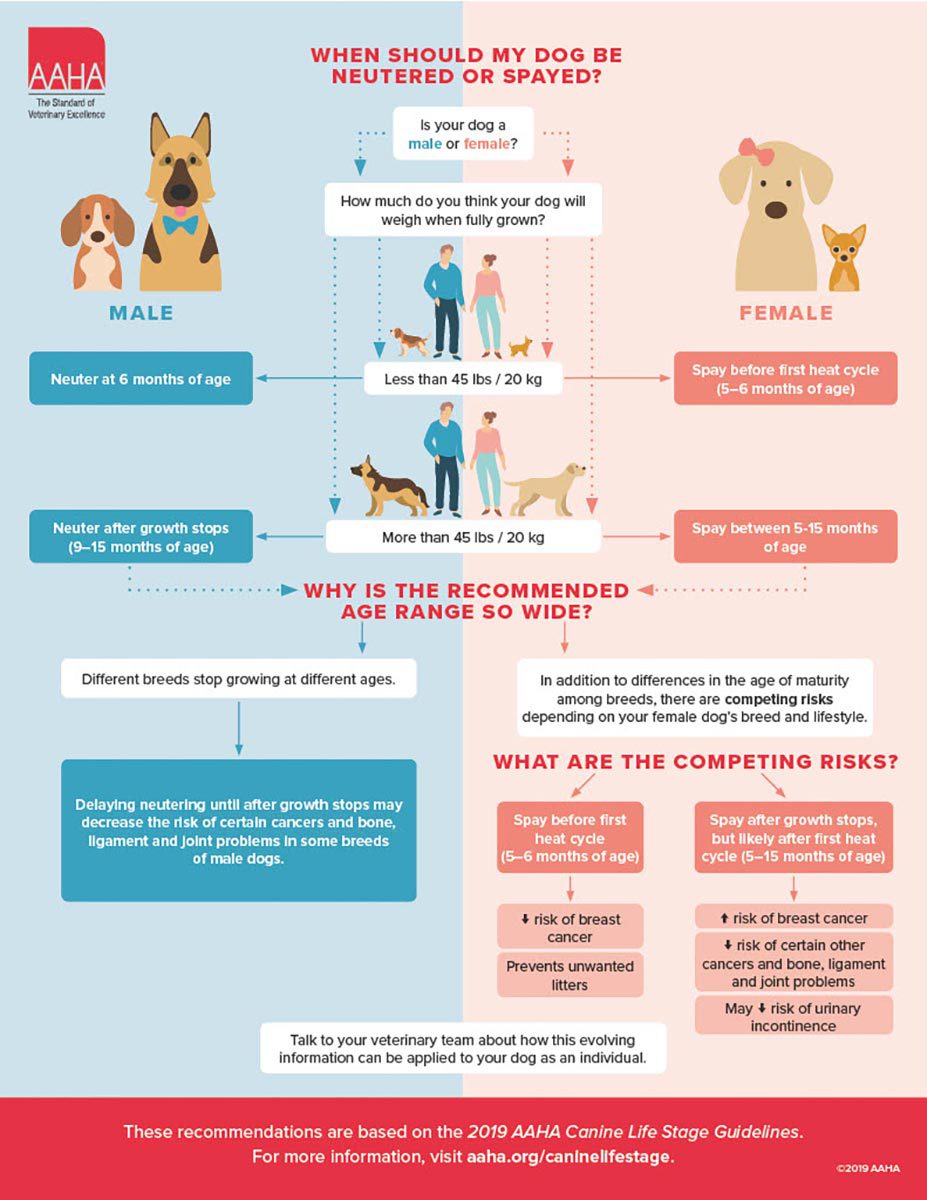
Image Source: southeastoakvillevet.ca
The Right Time for Spaying: Why Waiting Matters
Spaying your dog is a big step. It is a common surgery. It helps control pet numbers. It also offers many health benefits for your furry friend. Deciding when to spay your dog is key. Many owners wonder about the best time, especially after a heat cycle. The timing is not just a guess. It is based on a deep grasp of your dog’s body. It also factors in what makes surgery safe. The general rule is to wait. This wait is important for her body to heal. It lets her body get ready for the surgery. It makes the procedure much safer.
The Dog’s Heat Cycle: A Quick Look
To grasp why waiting matters, it helps to know about a dog’s heat cycle. This cycle is also called estrus. It is when she can get pregnant. It happens in stages. Each stage brings changes to her body and hormones.
- Proestrus: This is the first stage. It lasts about 9 days. You might see a swollen vulva. There might be some bloody discharge. Male dogs may show interest. But your female dog will not let them mate yet. Her body is just starting to get ready.
- Estrus: This is the mating stage. It also lasts about 9 days. The discharge might be lighter. It can even be a straw color. This is when she will accept male dogs. Her body is ready for pregnancy. Her hormone levels are very high now. These high levels are a big part of why we wait to spay. This stage is key for Hormone levels spaying after heat.
- Diestrus: This stage comes after estrus. It lasts about 60 to 90 days. If she got pregnant, she carries puppies during this time. If not, her body still acts like she is pregnant. Her hormones change slowly. They start to go back to normal. This stage is important for the waiting period.
- Anestrus: This is a resting stage. It lasts a few months. Her body rests. It gets ready for the next heat cycle.
Knowing these stages helps us decide When to spay a dog post estrus. It helps us pick the safest time.
Why Wait? The Gold Standard of Timing
Many vets say to wait 2 to 3 months after a dog’s heat ends. This is not a random rule. It is based on what is best for your dog’s health. This timeframe is known as the Optimal spay timing after dog heat.
The Body’s Return to Normal
After heat, a dog’s body goes through big changes. Her uterus and blood vessels grow much larger. They become full of blood. They are more delicate. High hormone levels cause these changes. Waiting gives these tissues time to shrink back to normal. It allows hormone levels to drop. This is crucial for her safety during surgery. If you spay too soon, these tissues are still large. They are still delicate. This makes surgery harder and riskier.
Lowering Surgical Risks
Spaying too soon after heat can lead to problems. These problems are serious. They are why vets recommend waiting.
- More bleeding: Enlarged blood vessels can bleed a lot during surgery. Her uterus is full of blood. Cutting into it means more blood loss. This makes the operation harder for the vet. It can put your dog at risk. More blood loss means a longer recovery. It can even mean needing a blood transfusion.
- Fragile tissues: The uterus is bigger and softer. It is also more delicate. This makes it harder for the vet to work with. It raises the chance of tearing or damage. A torn uterus means more complications. It makes the surgery more complex.
- Longer surgery: Due to the above, the surgery takes more time. More time under anesthesia means more risk for your dog. Anesthesia itself has risks. The longer a dog is under, the higher these risks become.
This waiting period is important to avoid the Risks of spaying too early post heat. It ensures the best outcome for your dog. It gives her the best chance for a smooth surgery and quick recovery.
The Waiting Period: What Happens If You Don’t Wait?
Let’s look closer at why the Waiting period for spaying after heat is so important. It is about biology. It is about reducing risks.
Engorged Tissues and Increased Blood Flow
Imagine a balloon blown up full of water. After heat, a dog’s uterus and blood vessels are like that balloon. They are full of blood. They are swollen. They are larger than normal. If a vet cuts into these tissues, there will be more bleeding. This makes the surgery messy. It makes it hard for the vet to see clearly. It also means the dog loses more blood. This can be very dangerous. Too much blood loss can cause shock. It can lead to a longer, harder recovery. In some cases, it can be life-threatening.
Hormonal Impact on Spaying
During and right after heat, a dog’s body has very high levels of estrogen and progesterone. These hormones cause the uterus to become thicker. They make it full of blood. If you spay while these hormones are high, the uterus is harder to handle. It is more likely to bleed too much. The vet needs time for these Hormone levels spaying after heat to go down. This allows the uterus to shrink. It lets the blood vessels return to normal size. This makes the surgery safer and easier for the vet. It also means less risk for your dog.
Risk of False Pregnancy
Some dogs can have a false or phantom pregnancy after heat. This means their body acts like they are pregnant. This happens even if they are not. They might nest. They might gather toys like puppies. Their mammary glands might swell. They might even make milk. Their hormone levels stay high during this time. Spaying during a false pregnancy can be tricky. It can cause ongoing hormonal issues. It can also make mammary glands more swollen. This adds to the surgical risk. It is better to wait until these false pregnancy signs are gone. Her body needs to be completely back to normal.
Spaying After the First Heat Cycle: A Specific Concern
Many people wonder about Spaying dog after first heat cycle. There are different views on the best age to spay. Some say before first heat. Others say after.
Pros and Cons of Spaying Before First Heat
- Pros: Spaying before the first heat greatly lowers the risk of mammary (breast) tumors. For dogs spayed before their first heat, the risk is almost zero. This is a huge health benefit. It also prevents any heat cycles. This means no mess and no unwanted pregnancies.
- Cons: Some studies suggest that spaying very early might affect bone growth. It could lead to certain joint problems in large breeds. This is still being studied. For large breeds, vets might suggest waiting for them to grow fully.
Spaying After One Heat: Is It Okay?
Yes, it is often fine to spay a dog after her first heat. If you missed spaying her before, waiting the suggested 2-3 months after her first heat is the next best step. This is a common Dog spay recommendation after period. It helps get the best health benefits while avoiding immediate post-heat risks. The risk of mammary tumors still goes down, though not as much as spaying before the first heat. Still, it is much better than not spaying at all.
Deciphering Your Dog’s Reproductive Cycle
To make the best spay decision, it helps to grasp the Spaying dog’s reproductive cycle. Each dog is unique. Her cycle might be a little different from another dog’s. Your vet can help you understand her specific cycle.
Factors That Influence Timing
- Breed Size: Large breeds might mature slower. Some vets suggest waiting longer for these dogs to fully grow. This could mean spaying after their first heat, or even later. Giant breeds, like Great Danes, might not be fully grown until 18-24 months. Spaying them too early could affect their joints.
- Individual Health: A dog’s overall health plays a part. A sick dog might need to wait longer. Any ongoing health issues must be stable before surgery. Your vet will do a full health check before planning the spay. They want to make sure she is fit for the surgery.
- Vet’s Opinion: Your vet knows your dog best. Always follow their specific advice. They can examine your dog. They can check her health. They can tell you the ideal time for your dog. This is key Veterinarian advice spaying after heat. They can address any special concerns you have.
Signs Her Heat is Over
How do you know when to start counting the 2-3 months? It is important to know when her heat truly ended. Watch for these clear signs:
- No more bloody discharge: The bleeding or discharge will stop. The color should also return to normal.
- Vulva goes back to its normal size: The swelling in her vulva will go down. It will look like it did before her heat.
- She no longer seeks out or accepts male dogs: Her behavior will change. She will not flag her tail or present herself to males. She will show no interest in mating.
- Male dogs stop showing interest in her: Male dogs will no longer be attracted to her scent. They will stop trying to approach her.
Once these signs are clear, you can start counting. Mark the date on a calendar. Plan for her spay 2 to 3 months from then. This will be the Best time to spay dog post estrus.
The Spay Procedure: A Quick Look
Spaying is a routine surgery. It is called an ovariohysterectomy. It is one of the most common surgeries in veterinary medicine.
- The vet makes a small cut on the dog’s belly.
- They then remove the dog’s ovaries and uterus.
- This stops her from having heat cycles.
- It also stops her from getting pregnant.
- The dog goes under general anesthesia for the surgery. She will be asleep and feel no pain.
- It is a very safe surgery when done at the right time. Most dogs recover quickly.
After the Spay: Recovery and Care
After surgery, your dog will need rest and care. This helps her heal fast and well.
- Keep her quiet: No jumping, running, or rough play for 10-14 days. This lets the incision heal. Too much activity can cause stitches to break.
- Stop her from licking: She must not lick the incision site. Use an Elizabethan collar (e-collar or “cone”) if needed. Licking can cause infection or pull out stitches.
- Check the incision daily: Look for any redness, swelling, or discharge. A little swelling is normal. But a lot, or any pus, means you need to call the vet.
- Give all medicines: Give all pain relief or other medicines as directed by your vet. This helps her stay comfortable.
- Follow-up with your vet: You will likely have a follow-up appointment. This lets the vet check her healing.
Proper care helps her heal fast. It ensures she has a smooth recovery.
Navigating Special Situations
Not every dog fits the perfect 2-3 month rule. Some dogs have unique situations. Your vet can give advice for these cases.
What if a dog was just bred?
If your dog was just bred, but you do not want puppies, you can discuss options with your vet. Sometimes, early spay can be done to prevent pregnancy. But it carries higher risks. It is a big decision. It should only be made after talking fully with your vet. They can explain all the pros and cons.
What if the dog had a false pregnancy?
If your dog has a false pregnancy, wait until all signs are gone. Her body needs to return to normal before surgery. Her hormones need to settle. This might extend the waiting period beyond the usual 2-3 months. Rushing the surgery could lead to more problems. Always get your vet’s opinion in such cases.
Table: Spay Timing After Heat – Quick Guide
| Event | Recommended Action | Why |
|---|---|---|
| End of Heat Cycle | Mark the date. Note when bleeding and swelling stop. | This is the starting point for counting the waiting period. |
| 2-3 Months After Heat Ends | Schedule spay surgery with your vet. This is Optimal spay timing after dog heat. | Uterus shrinks, blood vessels normalize, hormone levels drop. This greatly reduces surgical risk. This is the Best time to spay dog post estrus. |
| Too Soon (e.g., 2 weeks after heat) | Avoid surgery if possible. Delay if already scheduled. | Increased bleeding, fragile tissues, higher anesthetic risk due to hormonal changes. These are the Risks of spaying too early post heat. |
| During False Pregnancy | Wait until all signs resolve completely. | Hormonal fluctuations and enlarged mammary glands can complicate surgery and recovery. |
Key Takeaways for Pet Owners
Spaying your dog is a responsible choice. It helps her live a longer, healthier life. It also plays a role in controlling pet numbers.
- Patience is vital. Waiting 2-3 months after your dog’s heat cycle ends is the safest choice. This is the Optimal spay timing after dog heat.
- This wait lets your dog’s body heal. It reduces surgery risks greatly. It makes the procedure safer and easier.
- Always talk to your vet. They will give you the best advice for your dog. They offer key Veterinarian advice spaying after heat. They can address your dog’s specific needs.
- Spaying has many health benefits for your dog. It prevents unwanted pregnancies. It reduces the risk of deadly diseases like pyometra and certain cancers. It also helps control pet overpopulation.
Frequently Asked Questions
Q1: Can my dog get spayed right after her heat ends?
A1: No, it is not recommended. Vets typically suggest waiting 2 to 3 months after her heat cycle finishes. This allows her body, especially her uterus and blood vessels, to return to normal. Spaying too soon can lead to more bleeding and higher risks during surgery.
Q2: What happens if I spay my dog too soon after her heat?
A2: Spaying too soon after heat can cause problems. The uterus and blood vessels are still swollen and fragile. This means more bleeding during the surgery. It also makes the operation harder for the vet and riskier for your dog. It can increase blood loss and recovery time.
Q3: What is the ideal age to spay my dog?
A3: The ideal age can vary. For most small to medium breeds, it is often before their first heat, around 6 months old. For larger breeds, some vets suggest waiting until after their first heat, or even older (up to 12-18 months), to allow for full bone growth. Always talk to your vet for advice specific to your dog’s breed and size.
Q4: Will spaying change my dog’s personality?
A4: Spaying usually does not change a dog’s core personality. She will likely remain the same loving pet. It can reduce hormone-driven behaviors. These include roaming, marking, or aggression linked to heat cycles. You might see less restless behavior during what would have been her heat.
Q5: How long does a dog’s heat cycle last?
A5: A dog’s heat cycle typically lasts about 2 to 4 weeks. The most visible signs, like bleeding and swelling, might last for about 2-3 weeks. The entire cycle, including the period of sexual receptivity, averages around 21 days but can vary widely among dogs.
Q6: What are the main benefits of spaying my dog?
A6: Spaying offers many health benefits. It prevents unwanted pregnancies and greatly reduces the risk of mammary (breast) cancer. It also stops uterine infections like pyometra, which can be deadly. Spaying can also reduce behaviors like roaming, marking, and messes during heat.
Q7: My dog just had a false pregnancy. When can she be spayed?
A7: If your dog had a false pregnancy, it is best to wait until all signs of it have fully gone away. Her body needs to return to its normal state, and her hormones need to stabilize. This might mean waiting longer than the usual 2-3 months. Always talk to your vet for personalized advice.