
A common question for pet owners is, “How long does spaying take?” For dogs, the spay surgery length typically lasts from 20 to 90 minutes. This range depends on the dog’s age, size, and health. The total dog spay appointment time, from drop-off to pick-up, often spans several hours, usually a full day. This includes pre-surgery checks, the surgery itself, and a period for your dog to wake up safely. The recovery time, from the day of surgery until your dog is fully healed and back to normal activity, usually takes about two weeks. Most of the healing happens during the first 7 to 10 days.
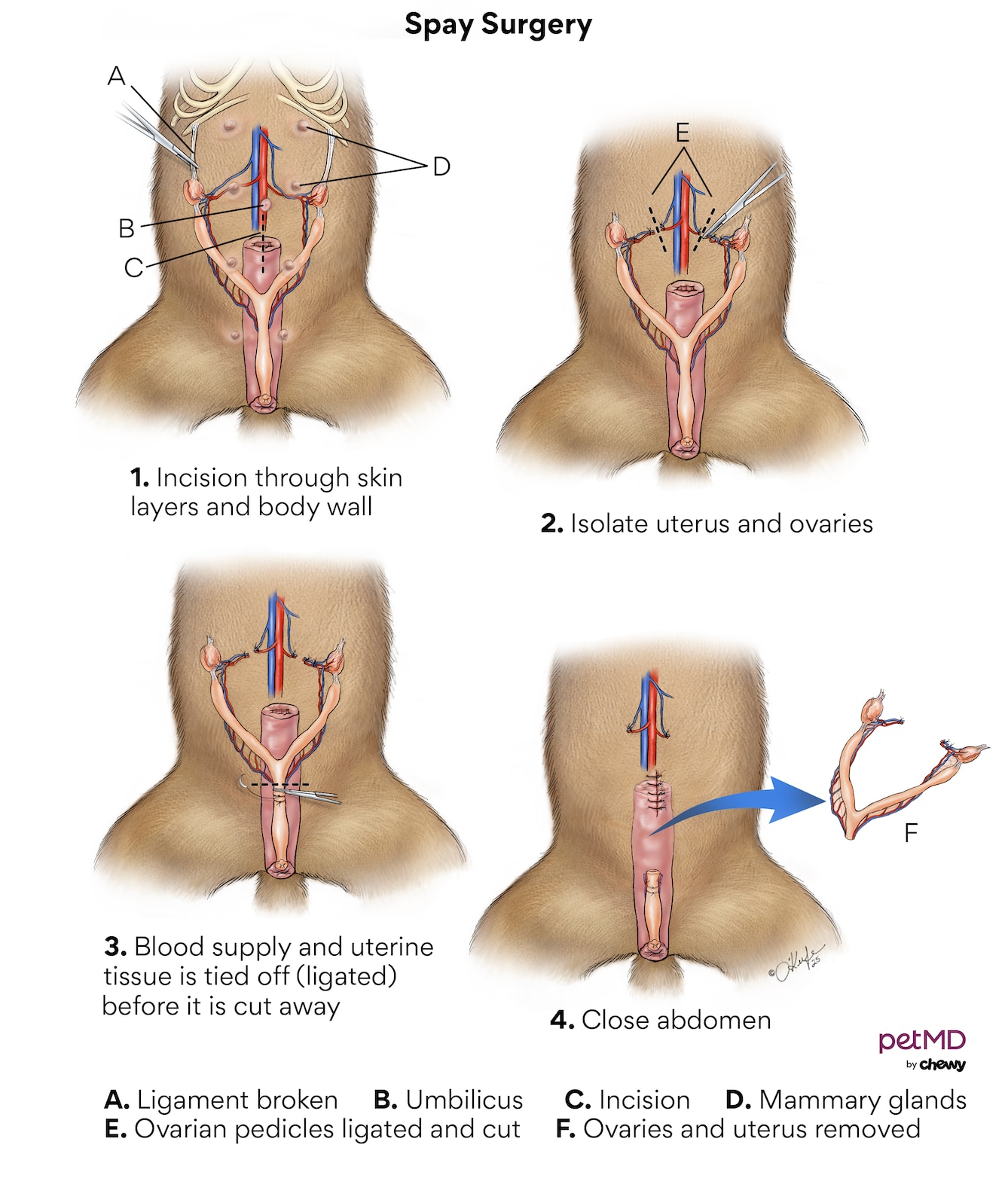
Image Source: image.petmd.com
Grasping the Spay Procedure
Spaying a female dog is a common surgical process. It removes the dog’s uterus and ovaries. Vets call this an ovariohysterectomy. This surgery stops female dogs from getting pregnant. It also helps prevent many health problems. These problems include breast cancer and uterine infections. Knowing what happens helps you prepare your dog.
The Steps of Spay Surgery
The full process has a few main steps. Each step is important for your dog’s safety and comfort.
- Pre-Surgery Checks: Before the surgery, your vet will do a full health check. They might do blood tests. These tests make sure your dog is healthy enough for anesthesia. They also check for any hidden problems. This step is key for safety.
- Giving Anesthesia: Your dog will get medicine to sleep deeply. This makes sure they feel no pain during the surgery. It also keeps them still. Vets watch your dog closely while they are asleep. They check heart rate, breathing, and blood oxygen levels. The anesthesia time for spay is a vital part of the overall process.
- The Surgery Itself: The vet makes a small cut on your dog’s belly. They carefully remove the ovaries and uterus. They use special tools for this. This part is quick for many vets. The incision is then closed with stitches.
- Waking Up Slowly: After surgery, your dog moves to a recovery area. Vets and nurses watch them closely as they wake up. They keep them warm and comfortable. They check for any signs of pain or problems.
- Going Home: Once your dog is fully awake and stable, you can take them home. This is usually later the same day. The vet will give you instructions for care at home.
How Long Does Spay Surgery Really Take?
The actual surgery time is often shorter than many people think. However, the total time your dog spends at the clinic is longer. This is for their safety and comfort. The veterinary spay typical duration involves many steps.
Actual Surgical Time
The actual cutting and removal of organs is often very fast.
* For young, healthy puppies, it can be as quick as 20 minutes.
* For older or larger dogs, it might take 45 to 90 minutes.
* Factors like being overweight or having a heat cycle can make it take longer.
The Full Clinic Stay
Your dog will likely stay at the vet clinic for most of the day. This is normal.
* You drop off your dog in the morning, often between 7 AM and 9 AM.
* The surgery happens sometime in the middle of the day.
* Your dog stays for monitoring and recovery.
* You pick up your dog in the late afternoon or early evening, usually between 4 PM and 6 PM.
So, the dog spay clinic stay is often 8 to 10 hours. This full day lets the vet team make sure your dog is ready to go home safely. The post-spay discharge time is when your dog is stable enough to leave.
Table: Typical Spay Duration Breakdown
| Stage of Spay Process | Typical Time Needed | What Happens |
|---|---|---|
| Drop-off to Anesthesia | 1-2 hours | Checks, blood tests, giving sedatives. |
| Anesthesia Time for Spay | 1.5-2.5 hours | Preparing the dog, surgery, waking up. |
| Actual Spay Surgery Length | 20-90 minutes | The vet performs the ovariohysterectomy. |
| Recovery at Clinic | 3-6 hours | Waking up, pain meds, monitoring. |
| Dog Spay Clinic Stay (Total) | 8-10 hours | From arrival to going home. |
Deciphering Factors Affecting Spay Time
Many things can change how long a spay takes. These factors are important to know.
Age and Size of Your Dog
- Young Puppies: Younger, smaller puppies often have quicker surgeries. Their organs are smaller. Their bodies are usually very healthy. This means less time under anesthesia.
- Older Dogs: Older dogs might take longer. Their organs are bigger. They might have more fat around organs. This can make the surgery harder.
- Large Breeds: Large dogs have bigger organs. This can also add a little time to the surgery. The female dog neuter time can vary greatly by size.
Overall Health and Weight
- Healthy Dogs: A healthy dog has an easier, faster surgery.
- Overweight Dogs: Dogs with too much body fat can make the surgery harder. The fat can cover organs. This makes it tough for the vet to see. It can make the spay surgery length longer.
- Dogs in Heat or Pregnant: If a dog is in heat, blood flow to the uterus increases. This makes the surgery riskier and longer. If a dog is pregnant, the uterus is very large and full of blood. This is a much harder, longer surgery. It also has more risks.
The Vet’s Experience
- An experienced vet can often perform the surgery faster. They have done many spays. They know how to handle different situations quickly and safely.
- A newer vet might take more time. This is fine. Safety is always more important than speed.
Journey Through Recovery: What to Expect
The surgical part is just the start. The recovery time is when your dog truly heals. This period needs your full attention and care. It is a vital part of the overall process.
Immediate After-Surgery Care (First 24-48 Hours)
When your dog comes home, they will be sleepy.
* Quiet Space: Set up a quiet, warm, and safe space for them. This should be away from other pets or kids.
* Pain Relief: Your vet will give you pain medicine. Give it exactly as told. Do not skip doses. Pain control is key for comfort and good healing.
* Eating and Drinking: Offer a small amount of water first. Then, a small, bland meal. This might be plain cooked chicken and rice. Do not give too much. Anesthesia can make them feel sick. Some dogs might not want to eat much the first day. This is usually fine.
* Activity: Limit activity strictly. No running, jumping, or playing. Keep them on a short leash for potty breaks.
The First Week of Recovery (Days 1-7)
This week is critical for healing.
* Incision Check: Check the incision site daily. It should look clean and closed. A little redness or swelling is normal. Watch for a lot of redness, pus, bad smell, or if it opens. Call your vet if you see these signs.
* No Licking: Stop your dog from licking the incision. Licking can cause infection. It can also pull out stitches. Use an Elizabethan collar (E-collar or “cone”) if needed. Many dogs hate the cone, but it is very important.
* Activity Restriction: Continue to limit activity. Short, calm leash walks for bathroom breaks only. No stairs, jumping onto furniture, or rough play.
* Pain Management: Keep giving pain medicine as your vet told you.
* Normal Behavior: Your dog should start to feel more like themselves. They should eat and drink normally. They should be alert.
Table: Week 1 Recovery Timeline
| Day Post-Spay | Key Activities | Important Notes |
|---|---|---|
| Day 1 (Surgery Day) | Sleepy, quiet rest. Small water/food. | Very low energy. Give pain meds. Keep cone on. |
| Day 2-3 | More alert, maybe a little more appetite. | Continue strict rest. Check incision twice daily. |
| Day 4-7 | Should be eating well, less sleepy. | Limit walks to potty breaks. No jumping. Keep cone on. |
Full Recovery Timeline (Weeks 2-4 and Beyond)
The full spay recovery time frame spans a few weeks.
* Week 2 (Days 8-14):
* Many vets want to see your dog for a check-up. They might remove stitches if needed.
* Continue to limit activity. Your dog will feel better and want to play. You must resist. Too much activity can hurt the incision.
* The incision should look much better. It should be healing well.
* Week 3-4 (Days 15-28):
* Most dogs are ready to slowly increase activity.
* Start with longer, calm walks.
* Gradually return to normal play over the next week or two.
* The incision should be fully closed and healed.
* Beyond Week 4: Your dog should be back to full normal activity.
It is vital to follow your vet’s advice. Every dog heals at their own speed.
Addressing Potential Complications
Most spay surgeries go smoothly. But it is good to know what to watch for.
* Infection: Signs include much redness, swelling, heat, pus, or bad smell at the incision.
* Opening Incision: If the incision opens or pulls apart. This needs immediate vet help.
* Bleeding: A little oozing might be normal. Lots of fresh blood is not.
* Pain: If your dog seems very painful even with medicine.
* Lethargy/Not Eating: If your dog stays very tired or does not eat after the first day.
* Vomiting/Diarrhea: Some upset stomach is okay. If it lasts or is severe, call your vet.
If you see any of these signs, call your vet right away.
Essential Home Care Tips for Recovery
Your care at home makes a big difference in how fast your dog heals.
Activity Restriction is Key
This is the most important part of home care.
* Leash Walks Only: For the first 10-14 days, only short, calm walks on a leash. This is for potty breaks.
* No Jumping: Stop your dog from jumping on furniture, in and out of cars, or up on people. Jumping can put stress on the incision. It can cause it to open.
* No Running or Rough Play: No playing with other pets. No running in the yard. This can tear stitches. It can also cause internal bleeding.
* Keep Calm: Try to keep your dog calm. Use treats, chew toys, or puzzle toys to keep them busy. This helps stop them from getting too excited.
Incision Care
- Daily Checks: Look at the incision every day. Make sure it looks clean. Look for swelling, redness, or discharge.
- No Licking: Use an E-collar (cone) or a surgical recovery suit. Your dog must not lick or chew the incision. Licking brings germs. It can also pull out stitches. Many dogs hate the cone, but it is a lifesaver. Keep it on all the time, especially when you can’t watch them.
- Keep Dry: Do not bathe your dog for at least 10-14 days. Keep the incision dry. If it gets wet, gently pat it dry.
Feeding and Hydration
- Water First: Offer small amounts of water when they come home.
- Small Meals: Give a small, bland meal. This might be plain chicken and rice. Or your vet might give you special food.
- Return to Normal: Gradually go back to their regular food over a day or two.
- Appetite: Your dog’s appetite should come back to normal within 24-48 hours. If they refuse to eat after this, call your vet.
Pain Management
- Give All Meds: Your vet will send you home with pain medicine. Give it exactly as told. Do not skip doses. Pain makes healing slower. It also makes your dog uncomfortable.
- Don’t Give Human Meds: Never give your dog human pain medicine. It can be very dangerous.
- Call Vet for More Pain: If your dog still seems very painful even with medicine, call your vet.
When to Call the Vet
It is always better to be safe. Call your vet if you see:
* Excessive redness, swelling, or heat at the incision site.
* Any pus or bad smell from the incision.
* The incision opens or has a gap.
* Bleeding from the incision that doesn’t stop.
* Your dog keeps licking or chewing the incision, even with the cone.
* Severe pain or discomfort.
* Not eating or drinking for more than 24 hours after surgery.
* Constant vomiting or diarrhea.
* Extreme tiredness or weakness.
* Pale gums.
* Difficulty breathing.
Interpreting Why Spay is Important
Spaying your female dog is one of the best things you can do for her health. It also helps control the pet population.
Health Benefits for Your Dog
- Prevents Heat Cycles: Spaying stops heat cycles. This means no messy bleeding. It also stops male dogs from being drawn to your home.
- Reduces Cancer Risk: Spaying greatly lowers the chance of breast cancer. This is especially true if done before the first heat cycle.
- Eliminates Uterine Infections: Spaying removes the uterus. This means your dog cannot get pyometra. Pyometra is a very serious, life-threatening uterine infection.
- Prevents Unwanted Pregnancies: This is a big one. Millions of dogs in shelters need homes. Spaying prevents more unwanted puppies.
Behavioral Benefits
- Calmer Behavior: Spaying can help reduce some hormone-driven behaviors. These include roaming, marking, and aggression linked to heat cycles.
- Focus on Training: Without the distraction of heat cycles, dogs may focus better on training.
Frequently Asked Questions (FAQ)
How long does spaying take for an older dog?
Spaying an older dog can take longer, sometimes 45 to 90 minutes or more. Older dogs may have larger organs and more fat, making the surgery more complex. Their recovery might also take a bit more time.
How long does it take for a dog to recover from spay surgery?
Full recovery usually takes about 10 to 14 days. This is when the incision is fully healed. Your dog can then return to normal activity. The first 3-5 days are the most critical for rest.
Can my dog get pregnant after spay?
No, your dog cannot get pregnant after spay surgery. The ovaries and uterus are removed. This makes pregnancy impossible.
What is the typical dog spay appointment time from drop-off to pick-up?
The typical dog spay appointment time is a full day. You usually drop your dog off in the morning and pick them up in the late afternoon or early evening. This allows for pre-op checks, surgery, and proper recovery monitoring.
Will my dog be in pain after spay surgery?
Your vet will give your dog pain medicine during and after surgery. You will also get pain medicine to give at home. This helps manage pain. Your dog might be uncomfortable for a few days, but severe pain is not normal. Call your vet if your dog seems to be in severe pain.
How long should my dog wear the cone after spay?
Your dog should wear the E-collar (cone) for 10 to 14 days. This is until the incision is fully healed. The cone stops your dog from licking or chewing the stitches. Licking can cause infection or make the incision open.
When can my dog run and jump after spay?
Your dog should not run or jump for at least 10 to 14 days after surgery. Sudden movements can open the incision or cause problems. After 2 weeks, you can slowly bring back normal activity. Always follow your vet’s advice.
What if my dog licks the incision?
If your dog licks the incision, it can cause problems. It can lead to infection or open the stitches. Use an E-collar or a surgical recovery suit to stop them from licking. If they lick a lot, or the incision looks bad, call your vet.
Do I need to clean my dog’s incision?
Generally, you do not need to clean the incision. Keep it dry and clean. Do not use creams or washes unless your vet tells you to. Check it daily for any issues.
What is an ovariohysterectomy duration?
An ovariohysterectomy is the medical name for spaying. The surgery itself usually lasts 20 to 90 minutes. This is part of the total anesthesia time for spay, which also includes preparing your dog and waking up.
How soon can my dog return to normal life after spay?
Your dog can usually return to full normal activities about 2 to 4 weeks after spay surgery. The first 10-14 days are for strict rest. After that, you can slowly increase their activity over the next week or two.
Spaying your dog is a big step. But with good care, your dog will heal well. She will live a healthier, happier life.