
A dog needs rabies shots regularly. The first shot for puppies is usually at 12 to 16 weeks old. After that, dogs get a booster shot one year later. Then, most dogs get a rabies shot every one or three years. This depends on the vaccine type and state law. Yes, dog rabies shots are mandatory in most places. This rule protects both pets and people.
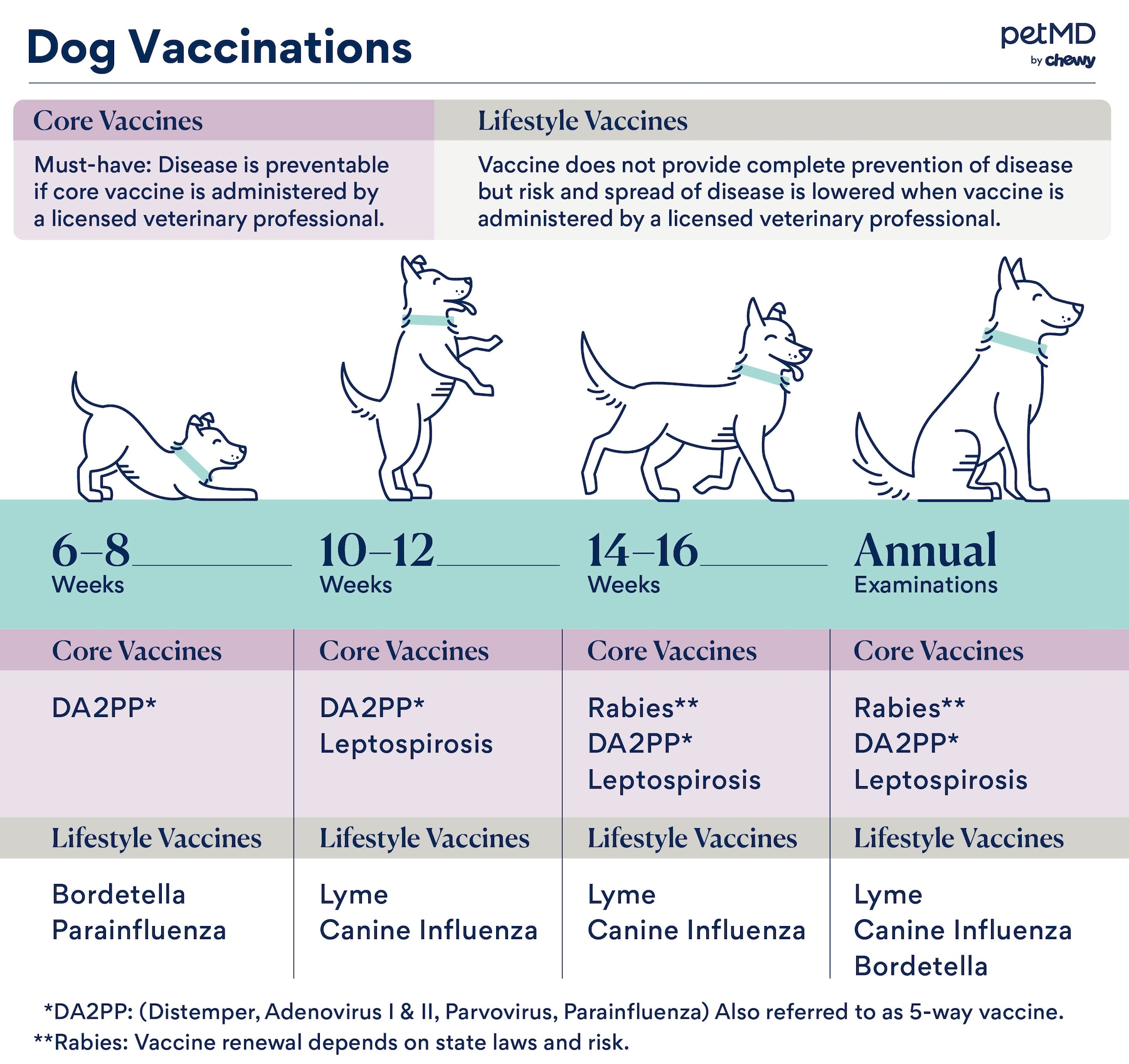
Image Source: image.petmd.com
Grasping Rabies: Why Shots Matter
Rabies is a very bad disease. It attacks the brain and nerves. Animals get it from the bite of an infected animal. Once signs of rabies show, the disease is almost always deadly. It can spread to people too. This is why rabies shots for dogs are so important. They keep your dog safe. They also stop the disease from spreading to humans.
Rabies vaccine works very well. It teaches your dog’s body to fight the virus. If a vaccinated dog gets bitten by a rabid animal, its body can usually fight off the disease. This saves your dog’s life. It also stops the chain of infection.
Think of it as a shield. The vaccine builds a strong shield inside your dog. This shield protects them from harm. Without this shield, your dog is in great danger if bitten. Other animals like cats, ferrets, and even livestock can get rabies shots too. This widespread vaccination is a big reason why rabies cases are low in many places.
Initial Steps: Puppy Rabies Vaccination Age and First Rabies Shot for Puppies
Getting a puppy is fun. Keeping them healthy is key. One of the first big steps is the rabies shot. Puppy rabies vaccination age is a specific window. Vets usually give the first rabies shot for puppies when they are 12 to 16 weeks old.
Why this age? Before 12 weeks, a puppy’s body might not respond well to the vaccine. This is because of antibodies from their mother’s milk. These antibodies protect the puppy early on. But they can also stop vaccines from working fully. By 12-16 weeks, these mother’s antibodies are gone. Then, the vaccine can do its job. It helps the puppy build its own strong defense.
It’s very important to get this shot on time. A young puppy is more at risk. They explore everything. They might meet other animals. A single bite from a rabid animal could be fatal. The first rabies shot for puppies starts their protection.
Here is a simple timeline for puppy shots:
- 6-8 Weeks Old: First round of “distemper combo” shots. These protect against common puppy diseases. Rabies is not usually part of this first round.
- 9-11 Weeks Old: Second round of “distemper combo” shots.
- 12-16 Weeks Old: First rabies shot. This is a critical age.
After the first shot, your puppy is not fully safe yet. The body needs time to build immunity. This can take a few weeks. During this time, keep your puppy safe. Avoid places where they might meet unknown animals. Do not let them roam free. Your vet will tell you when your puppy is fully protected.
Ongoing Shielding: Rabies Vaccination Schedule for Dogs
After the puppy shot, the rabies vaccination schedule for dogs changes. It moves to booster shots. A booster shot strengthens the protection. It reminds the body how to fight the virus.
The first booster shot is very important. It happens one year after the puppy’s first rabies shot. For example, if your puppy got its first shot in May 2024, its first booster would be in May 2025. This booster makes the protection last longer. It makes sure the immunity is strong.
After this one-year booster, the schedule can vary. It depends on the type of vaccine used. It also depends on the laws where you live. This is where the difference between annual and 3-year rabies shots for dogs comes in.
Annual vs 3-Year Rabies Shot Dogs: Choosing the Right Path
Dog rabies booster shot frequency often depends on the vaccine used. There are two main types of approved rabies vaccines for dogs:
- Annual Rabies Vaccine (1-year vaccine): This vaccine provides protection for one year. If your dog gets this type, they will need a booster shot every year.
- 3-Year Rabies Vaccine: This vaccine provides protection for three years. If your dog gets this type, they will need a booster shot every three years.
Most vets use the 3-year rabies vaccine for dogs. It is more common now. It means fewer trips to the vet. This can be easier for pet owners. It can also be less stressful for dogs. However, your vet will always choose the best option for your dog. They will also follow state and local laws.
Table: Typical Rabies Vaccination Schedule
| Dog’s Age/Vaccination History | Type of Shot | Frequency | Notes |
|---|---|---|---|
| 12-16 Weeks Old (Puppy) | First Rabies Shot | Once | Age depends on vet’s advice and local laws. |
| 1 Year After Puppy Shot | Booster Rabies Shot | Once | Mandatory booster to establish long-term immunity. |
| After 1-Year Booster | 1-Year Rabies Shot | Every 1 Year | Used if the 1-year vaccine is chosen or required by law. |
| After 1-Year Booster | 3-Year Rabies Shot | Every 3 Years | Most common choice, depending on local laws. |
It is vital to stick to this schedule. Missing a shot can mean your dog is not protected. It can also cause legal problems. If your dog bites someone and is not up-to-date on its rabies shot, the rules are very strict. This could mean a quarantine period or worse.
The Law’s Reach: Rabies Shot Requirements by State
Rabies vaccination is not just good pet care. It is the law in almost every state. Rabies shot requirements by state vary, but the general rule is clear: dogs must be vaccinated.
States and even local cities have their own rules. These rules cover things like:
- Age of first vaccination: Some states say a puppy must be vaccinated by a certain age (e.g., 4 months old).
- Type of vaccine allowed: Some areas may prefer the 3-year vaccine. Others might accept both 1-year and 3-year.
- Proof of vaccination: You must have a current rabies certificate. This paper shows your dog is vaccinated. It has the date of the shot and when it expires.
- What happens if a shot is missed: Rules for overdue shots vary. Some places treat an overdue dog as unvaccinated.
- What happens after a bite: Strict rules apply if an unvaccinated dog bites a person or animal. Or if an unvaccinated dog is bitten by a wild animal.
Is dog rabies shot mandatory yearly? Not always yearly, but it is mandatory regularly. For dogs getting the 3-year vaccine, it is mandatory every three years after the initial booster. For dogs getting the 1-year vaccine, it is mandatory yearly. The key is that dogs must always be current on their rabies vaccine. There should be no lapse in protection.
This means you must check your local laws. The best way to do this is to ask your vet. They know the rules for your area. They can also tell you what vaccine schedule is best for your dog.
How to Check Rabies Shot Requirements by State:
- Ask Your Vet: This is the easiest way. Your vet knows all the local laws.
- Check Your State’s Department of Public Health Website: Many states have information online. Look for animal control or public health sections.
- Check Local City or County Animal Control Websites: Smaller areas might have extra rules.
Always keep your dog’s rabies certificate in a safe place. You will need it for licensing your dog. You will also need it if you travel with your dog.
The Validity Period: Rabies Shot Validity Period Dogs
The rabies shot validity period for dogs is either one year or three years. This period starts from the day the vaccine is given. It is important to know the expiry date.
For example, if your dog gets a 3-year rabies vaccine on June 1, 2024, its validity period ends on June 1, 2027. You should plan to get the next booster shot before this date. Getting the shot even a day late can make your dog “unvaccinated” in the eyes of the law.
Why is the validity period so strict?
It’s for public safety. Rabies is so dangerous that there is no room for error. Animal control and public health workers rely on these dates. They must know if a dog is truly protected. If a dog bites someone and its shot is overdue, even by a day, it could face a long quarantine. Or worse, if local laws are very strict.
It’s your job to keep track of this date. Most vets send reminders. But it is always best to mark it on your calendar too. Make sure your dog’s rabies tag is on their collar. This tag also shows the year the vaccine is due.
Advanced Considerations: Rabies Titre Test for Dogs
What if your dog cannot get a rabies shot? Or what if you are traveling to a country that has different rules? This is where a rabies titre test for dogs comes in.
A rabies titre test measures the amount of rabies antibodies in your dog’s blood. Antibodies are what your dog’s body makes to fight the virus. A high level means your dog has good protection. A low level means less protection.
When is a rabies titre test used?
- International Travel: Many countries, especially rabies-free islands, require a titre test. This shows your dog has enough antibodies to enter their country. It proves your dog is safe.
- Health Issues: Some dogs cannot get vaccines due to health problems. For example, dogs with certain immune diseases. In these rare cases, a vet might suggest a titre test. If the dog’s titre levels are high, it might show good protection. This could allow for a waiver from re-vaccination in some areas. But this is very rare and depends on local laws and vet advice.
- Proof of Immunity without Re-vaccination: In very specific situations, some people might want to avoid over-vaccinating their dog. A titre test could show if protection still exists. However, for rabies, most states do not accept a titre test in place of a required vaccination. This is because rabies is so serious. The law nearly always demands a valid vaccine certificate.
Important Note: A rabies titre test is not a substitute for vaccination in most places. It is mainly for travel or specific health reasons. It does not replace the legal requirement for a current rabies shot. If your dog’s titre test shows good levels, you still need to follow the vaccination schedule set by law. Do not rely on a titre test to avoid mandatory vaccination.
Beyond the Shot: Keeping Your Dog Safe
Getting the rabies shot is the main way to keep your dog safe. But there are other steps you can take too:
- Supervise Your Dog: Keep your dog on a leash when outside. Do not let them run free. This stops them from fighting with wild animals.
- Report Wild Animals: If you see a wild animal acting strangely, tell animal control. This includes animals that seem too friendly or too aggressive.
- Avoid Unknown Animals: Do not let your dog approach or play with stray animals. Do not touch wild animals yourself.
- Secure Your Yard: Make sure your fence is strong. This keeps your dog in and wild animals out.
- Educate Children: Teach kids not to touch stray animals or wildlife. Tell them to report any animal bites right away.
- Spay or Neuter Your Pet: Spaying or neutering can reduce a dog’s desire to roam. This lowers their chance of meeting infected animals.
Potential Side Effects of Rabies Shots
Most dogs do very well after a rabies shot. Side effects are rare and usually mild. Just like people, dogs can have some minor reactions.
Common, Mild Side Effects:
- Soreness at the injection site: Your dog might feel a little pain or swelling where the shot was given. This is normal.
- Low energy: Your dog might be a bit tired or sleepy for a day or two.
- Low appetite: They might not want to eat as much.
- Mild fever: A slight rise in body temperature.
These mild signs usually go away on their own. They rarely need any treatment.
Less Common, More Serious Side Effects:
These are very rare but can happen. They need a vet’s help right away.
- Allergic reaction:
- Hives (red, itchy bumps on the skin)
- Swelling of the face or muzzle
- Vomiting or diarrhea
- Trouble breathing or collapsing (very rare, very serious)
- Injection site lump: A small, firm lump might form where the shot was given. Most are harmless and go away. But if a lump grows or stays for a long time, tell your vet. Very rarely, a type of tumor can form at vaccine sites in some cats, but this is extremely rare in dogs.
Always tell your vet if your dog has any reactions after a shot. They can give advice or help if needed. The benefits of rabies vaccination far outweigh the small risk of side effects. The shot is a life-saver.
The Importance of Records
Keep good records of your dog’s rabies shots. Your vet will give you a rabies certificate. This paper is very important.
What is on a rabies certificate?
- Your dog’s name and breed.
- The vaccine’s name and batch number.
- The date the shot was given.
- The date the shot expires.
- The vet clinic’s name and address.
- The vet’s signature.
You will need this certificate for many things:
- Dog Licensing: Most cities require proof of rabies vaccination to get a dog license.
- Travel: If you take your dog to another state or country.
- Boarding or Daycare: Kennels often ask for proof of current shots.
- Emergencies: If your dog bites someone or is bitten by a wild animal.
- Selling or Rehoming Your Dog: New owners will need these records.
Keep this certificate with your dog’s other important papers. You can also take a photo of it on your phone. This way, you always have a copy.
Deciphering the Cost of Rabies Shots
The cost of a rabies shot is usually not very high. It is one of the most affordable ways to protect your pet. Prices can change based on where you live. They also change based on the vet clinic.
On average, a rabies shot might cost between $15 and $30. This price often does not include a vet exam fee. Many clinics offer vaccine clinics. These clinics have lower prices for shots. This makes it easier for everyone to get their pets vaccinated.
Think of it as a small investment. It protects your dog from a deadly disease. It also prevents big problems if your dog ever has an incident. Skipping the shot to save money can cost much more later. This could be fines, quarantine fees, or vet bills if your dog gets sick.
Long-Term Health and Rabies Shots
Regular rabies shots are part of long-term health care for your dog. They are as important as good food, exercise, and regular vet check-ups. They help your dog live a long, healthy life.
Rabies is a constant threat from wildlife. Even if you live in a city, wild animals can carry the virus. Raccoons, bats, foxes, and skunks are common carriers. Your dog could meet one in your yard or on a walk. Being vaccinated is the only way to be safe.
Talk to your vet about your dog’s specific needs. They can guide you on the best vaccination plan. They can also answer any questions you have. Your vet is your best partner in keeping your dog healthy and safe.
Frequently Asked Questions (FAQ)
Q1: Can an indoor dog get rabies?
Yes, an indoor dog can get rabies. Bats can get into homes. Or a rabid animal could get into your yard. An indoor dog can also get out by accident. It is best to vaccinate all dogs, even those that stay inside.
Q2: What happens if my dog’s rabies shot is late?
If your dog’s rabies shot is late, it means they are not fully protected. In most places, if a dog is overdue, it is treated as unvaccinated. This can cause legal trouble. If the dog bites someone, the rules are very strict. Get the shot as soon as possible if it’s late.
Q3: Does the rabies shot hurt dogs?
Dogs might feel a small pinch when they get the shot. It is like a quick poke. Some dogs might feel sore for a day or two afterward. But it is not a major pain. Most dogs recover quickly.
Q4: How long does a dog need to stay away from other dogs after a rabies shot?
There is no special time needed. Your dog can be around other dogs right away. The shot does not make them sick or spread anything to other dogs. It takes a few weeks for the vaccine to build full protection. But they are not a risk to others.
Q5: Is it safe to get the rabies shot with other vaccines?
Yes, it is generally safe. Vets often give the rabies shot along with other routine shots. This is common practice. It means fewer visits for your dog. Your vet will make sure it is safe for your dog.
Q6: Can a dog get rabies even if vaccinated?
It is very rare for a vaccinated dog to get rabies. The vaccine is highly effective. No vaccine is 100% perfect. But getting the shot makes the risk very, very small. It offers the best protection possible.
Q7: What if my dog bites someone and is not vaccinated?
This is a serious problem. Local laws will apply. Your dog might have to be quarantined for a certain time. This means they are kept away from others to watch for rabies signs. In some cases, if the dog is aggressive or shows signs, more serious actions may be taken. Always keep your dog’s rabies shot current to avoid this.
Final Thoughts: Prioritizing Protection
Getting your dog vaccinated against rabies is not just a good idea. It is a vital part of responsible pet ownership. It keeps your beloved companion safe. It also protects your family and your community. By following the recommended schedule and understanding the legal rules, you ensure your dog has the best possible defense against this deadly disease. Make sure your dog’s rabies shots are always up-to-date.