
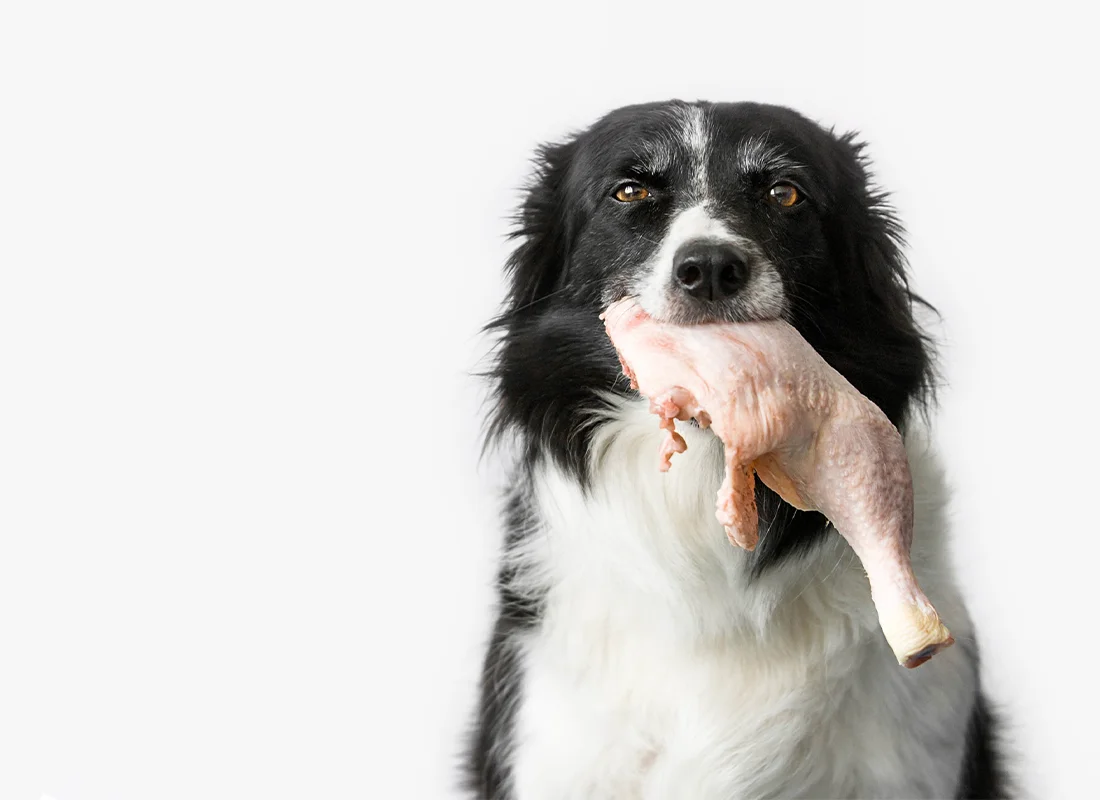
Image Source: boldbynature.com
Can You Give A Dog Raw Chicken Bones? Is It Safe?
Many dog owners ask, “Can I give my dog raw chicken bones?” The short answer is yes, some people do. But is it safe? Many vets say no, due to many serious risks. Raw chicken bones can harm your dog in many ways. They can break into sharp pieces. These pieces can poke holes in your dog’s gut. They can also cause choking or stomach problems. Raw bones can also carry bad germs. These germs can make your dog sick. They can also make you sick. This article will look at all sides of this topic. We will share important facts and safety tips.
Why Many People Ask About Raw Bones
Dogs love to chew. Chewing is natural for them. It helps clean their teeth. It also keeps them busy. Long ago, dogs ate bones in the wild. This makes many owners wonder if raw bones are okay now. Chicken is a common meat. So, chicken bones often come to mind. But our dogs are not wild animals. Their lives are different. Their food is different. What was once natural may now be unsafe. This is especially true for chicken bones.
The Main Risks of Giving Dogs Bones
Giving bones to dogs can be very risky. Many dog bone safety rules exist for good reason. The dangers depend on the bone type. They also depend on how the bone is given. Both cooked and raw bones can cause problems. But cooked bones are far more dangerous.
Harm from Cooked Bones
Cooked chicken bones dogs should never eat. This is a very important rule. Cooking changes bones. It makes them brittle. Brittle means they break easily. When cooked bones break, they form sharp pieces. These sharp pieces are like tiny daggers.
Risks of Cooked Bones:
- Splintering Bones Dogs: Cooked bones can splinter. They break into sharp, jagged shards.
- Choking Hazard: Sharp pieces can get stuck in your dog’s throat. This can block their breathing. Your dog can choke.
- Internal Cuts: These sharp pieces can cut your dog’s mouth. They can also cut the esophagus. This is the tube to the stomach.
- Stomach and Gut Damage: Sharp pieces can poke holes. They can poke holes in the stomach. They can poke holes in the intestines. This is very serious. It can cause a life-threatening infection.
- Blockages: Bone pieces can get stuck. They can cause a blockage in the gut. This stops food from moving through. A blockage is an emergency. It often needs surgery.
- Constipation: Small pieces of bone can make stool hard. This makes it hard for your dog to poop. This can be painful.
It is simple: never give your dog cooked bones. No matter how small. No matter what kind.
The Dangers of Raw Chicken Bones
Some people believe raw chicken bones are safe. They say raw bones are softer. They say raw bones are less likely to splinter. While true to some extent, raw chicken bone dangers are still high. Raw bones still pose many risks to dogs.
Risks with Raw Chicken Bones:
- Splintering Bones Dogs (Still a Risk): Even raw bones can splinter. This is true for small bones. It is true for hollow bones. Chicken bones are often small and hollow. They can break into sharp pieces. These pieces can cause the same internal injuries as cooked bones. Though less common, it still happens.
- Can Raw Bones Choke Dogs?: Yes, they can. Dogs can swallow a bone whole. Or a large piece can get stuck. This can block their airway. It can also get stuck in their esophagus. This is a medical emergency.
- Bacterial Contamination Dog Bones: This is a major risk. Raw chicken often has bad bacteria. These include Salmonella and E. coli.
- Dog Sickness: Dogs can get sick from these bacteria. They can have vomiting. They can have diarrhea. They can get very ill.
- Human Sickness: These bacteria can spread to people. You can get sick from touching raw bones. You can get sick from touching your dog’s mouth. This is a big health concern for families. This risk is higher for young kids. It is higher for older people. It is higher for people with weak immune systems.
- Digestive Issues from Bones:
- Constipation: Raw bones are mostly calcium. Too much calcium can cause hard, chalky poop. This leads to severe constipation. Your dog may strain to poop. It can be very painful.
- Impaction: In severe cases, the bone matter can form a hard mass. This mass gets stuck in the colon. This is called impaction. It needs a vet to fix.
- Blockage: Even raw bones can cause a blockage. If a bone piece is too big, it can get stuck. This stops food from moving. Surgery is often needed.
- Perforation: A sharp piece of bone can still poke a hole in the stomach or gut. This is called perforation. It is very dangerous. It causes serious infection in the belly.
- Dental Problems: Chewing on very hard bones can break teeth. Dogs can fracture a tooth. This is painful. It needs a vet to fix. Often, the tooth must be pulled out.
Table: Cooked vs. Raw Chicken Bone Risks
| Risk Factor | Cooked Chicken Bones | Raw Chicken Bones |
|---|---|---|
| Splintering | Very High (brittle) | High (especially small, hollow bones) |
| Choking Hazard | High (sharp pieces, small size) | High (swallowing whole, large pieces) |
| Internal Injury (Cuts/Pokes) | Very High (sharp shards) | Medium (can still happen) |
| Digestive Blockage | High (bone pieces, hard material) | Medium (too much bone, large pieces) |
| Constipation | High (hard, dry pieces) | High (too much calcium, bone meal) |
| Bacterial Contamination | Low (cooking kills most) | Very High (Salmonella, E. coli, etc.) |
| Dental Damage | Low (less chewing on cooked, but can break if hard) | High (can chip or break teeth on hard raw bones) |
Vet Recommendations Dog Bones
Most veterinarians strongly advise against feeding any type of chicken bone to dogs. They see the dangers too often. This includes raw chicken bones. Their advice is clear: avoid them. This is based on years of medical cases. They treat dogs with serious injuries from bones.
Vets worry about the immediate risks. These are choking, internal cuts, and blockages. They also worry about the long-term effects. These include dental problems and digestive issues.
Dr. Sarah Miller, a vet, says: “It’s simply not worth the risk. While some dog owners feed raw bones without immediate issue, the potential for severe, life-threatening injury is too high. We see dogs come in with perforated intestines, severe blockages, and broken teeth far too often, all due to bones.”
The American Veterinary Medical Association (AVMA) also advises against feeding bones. They say that bones, even raw ones, pose many threats to a dog’s health. Their guidance focuses on keeping pets safe.
The Raw Diet Perspective: Raw Bones and Benefits
Some people feed their dogs a raw diet. This is also called a BARF diet (Bones And Raw Food or Biologically Appropriate Raw Food). For these feeders, raw bones are a key part of the diet. They believe raw bones offer many benefits. They do not use cooked bones.
Reasons for Feeding Raw Bones in a Raw Diet:
- Dental Cleaning: Chewing raw bones can help clean teeth. It scrapes off plaque and tartar. This is like a natural toothbrush. Some people report cleaner teeth.
- Mental Stimulation: Chewing is a natural dog behavior. It can help reduce boredom. It can ease stress. It keeps dogs busy and happy.
- Nutrient Source: Raw bones contain minerals like calcium and phosphorus. They also have bone marrow and fat. These provide some nutrients.
- Natural Digestion: Proponents say a dog’s digestive system is made for bones. They believe dogs can break down raw bones safely.
Important Notes for Raw Diet Bone Benefits:
- Bone Type Matters: Raw feeders usually choose specific bones. They often use “soft” raw bones. These are typically non-weight-bearing bones. Examples include raw chicken necks, backs, or wings. These are thought to be safer. They are more likely to be crushed and digested. They are less likely to splinter into sharp pieces.
- Supervision is Key: Any time a dog gets a raw bone, close watch is needed. An owner must watch the dog chew. This helps prevent choking. It helps spot issues quickly.
- Size and Type: The bone must fit the dog’s size. A small dog needs a small bone. A large dog needs a larger bone. But still, the bone must be soft enough to chew up. Weight-bearing bones from large animals (like beef femurs) are often avoided. They are too dense. They can break teeth.
- Safety Handling: Raw meat and bones need careful handling. This prevents bacterial spread. Wash hands well. Clean surfaces. Store bones safely.
Even with these points, the risks remain. The chance of a problem is still there. This is why vets often advise against it. They weigh the small benefits against the large dangers.
How to Give Raw Bones Safely (If You Choose To)
If you choose to give your dog raw bones, you must be very careful. This is not a recommendation. It is a guide for those who already make this choice. You must know the risks. You must take steps to lower them.
Selecting the Right Raw Bones
- Choose Edible Bones: These are raw, non-weight-bearing bones. They should be soft. They should be easy for your dog to crush. Examples are:
- Raw chicken necks
- Raw chicken wings
- Raw chicken backs
- Raw turkey necks (for bigger dogs)
- Avoid Weight-Bearing Bones: Do not give your dog leg bones from large animals. This includes beef femurs, pork femurs, or other dense, hard bones. These are too hard. They can break teeth. They can also get stuck.
- Bone Size: The bone should be large enough that your dog cannot swallow it whole. But not so large that it is too hard to chew. It should be big enough to make them chew slowly.
- Freshness: Only use fresh, raw bones from reliable sources. This lowers the risk of bad bacteria. Keep them frozen until use. Thaw them in the fridge.
Supervising Your Dog
- Always Watch: Never leave your dog alone with a bone. Watch them the whole time.
- No Gulping: If your dog tries to swallow a large piece, take it away.
- Discard Leftovers: Do not let your dog chew on a bone for too long. Throw away any leftover pieces. Especially small, sharp ones. After 15-20 minutes, throw it out. Bacteria grows fast.
- Know When to Take It Away: If the bone breaks into small, sharp pieces, take it away. If your dog seems to be struggling, take it away.
Cleaning and Hygiene
- Wash Hands: Always wash your hands well after handling raw bones. Use soap and warm water for at least 20 seconds.
- Clean Surfaces: Clean all surfaces that touched the raw bone. Use hot, soapy water. Then use a disinfectant.
- Dog’s Bowl: Clean your dog’s food and water bowls often. Use hot, soapy water.
- Dog’s Mouth/Paws: Be careful about your dog licking your face after eating raw bones. They can spread germs.
What to Do If Your Dog Has a Problem
If your dog eats a chicken bone and shows problems, act fast.
Signs of Trouble:
- Choking: Pawing at mouth, coughing, gagging, difficulty breathing, blue gums.
- Internal Injury/Blockage:
- Repeated vomiting
- Straining to poop, no poop, or black/tarry poop
- Lack of appetite
- Pain in the belly (whimpering, hunched posture)
- Lethargy (very tired, no energy)
- Bleeding from mouth or rectum
- Broken Tooth: Drooling, pawing at mouth, refusing to eat, crying when eating.
- Bacterial Sickness: Vomiting, diarrhea (often bloody), fever, weakness.
Steps to Take:
- Call Your Vet Right Away: Do not wait. This is an emergency. Describe what happened and the symptoms.
- Do Not Induce Vomiting: Never try to make your dog throw up a bone. This can cause more harm. The bone can cut the esophagus on the way back up. It can also cause choking.
- Follow Vet Advice: Your vet will tell you what to do. They may need to do X-rays. They may need to do surgery.
Alternative Bones for Dogs (Safe Chews)
Many safe alternative bones for dogs exist. These let your dog chew safely. They do not have the same risks as real bones. These are much safer choices.
Safe Chew Options:
- Dental Chews:
- Purpose: These are made to help clean teeth. They often have special shapes or enzymes.
- Benefits: Can help reduce plaque and tartar. Many are digestible.
- Things to Know: Choose a size right for your dog. Make sure they are not too hard. Some can cause stomach upset if eaten too fast.
- Durable Rubber Toys:
- Purpose: Toys made from tough rubber are great for chewing.
- Benefits: Very durable. Hard to break into pieces. Can be filled with treats (like Kongs). They clean teeth as dogs chew.
- Things to Know: Check for wear and tear. Throw away toys that are breaking apart.
- Nylon Chews:
- Purpose: These are very hard plastic chews. They last a long time.
- Benefits: Good for strong chewers. They don’t break off easily.
- Things to Know: Can be too hard for some dogs. They can wear down teeth. Or they can break teeth. Watch your dog. If they chew too hard, try something softer.
- Edible Chews (Rawhide Alternatives):
- Purpose: Chews made from digestible materials. Many are softer than rawhide.
- Benefits: Digestible. Less risk of blockages. Can be a good source of protein.
- Things to Know: Check the ingredients. Make sure they are from a good source. Some dogs might swallow large pieces. Always supervise.
- Frozen Treats:
- Purpose: A fun, cooling chew.
- Benefits: No risk of splintering or choking. Can be healthy.
- Things to Know: Freeze low-sodium broth. Freeze yogurt. Freeze pureed pumpkin in a Kong.
- Vegetables and Fruits:
- Purpose: Healthy, crunchy snacks.
- Benefits: Good for dental health. Provide vitamins. Low in calories.
- Things to Know: Give hard vegetables like carrots or celery. Always cut them into safe sizes. Remove pits from fruits like apples. Avoid grapes and onions.
Table: Safe Chew Alternatives for Dogs
| Chew Type | Benefits | Considerations | Best For |
|---|---|---|---|
| Dental Chews | Cleans teeth, digestible, various flavors | Size must fit dog, some can be high calorie | Dogs needing dental help, light/medium chewers |
| Durable Rubber Toys | Long-lasting, mentally stimulating, safe | Check for wear, some dogs may bore of them | All dogs, especially strong chewers |
| Nylon Chews | Very durable, good for heavy chewers | Can be too hard for some teeth, not digestible | Very strong chewers, careful monitoring |
| Edible Chews (non-rawhide) | Digestible, varied textures, good taste | Supervise to prevent gulping, check ingredients | All dogs, good for shorter chew sessions |
| Frozen Kong/Treats | Mentally stimulating, long-lasting, safe | Can be messy, must be frozen beforehand | All dogs, good for enrichment |
| Hard Vegetables | Healthy, crunchy, natural dental cleaner | Cut to safe size, remove pits/seeds, some veggies are toxic (e.g. onions) | All dogs, healthy snack |
Final Thoughts on Bones for Dogs
The question, “Can you give a dog raw chicken bones?” comes with a clear answer from most vets: no. The risks are too high. While some people feed raw bones as part of a raw diet, they do so with great care. They accept the risks. For the average dog owner, the danger of choking, internal injury, or bacterial infection is a big worry.
Your dog’s safety is most important. There are many safe and healthy ways to let your dog chew. These options keep their teeth clean. They keep your dog happy. They do this without putting your dog in danger. Always talk to your vet. They can help you choose the best chew toys for your dog. They can also guide you on dental care.
Frequently Asked Questions (FAQ)
Q1: What if my dog accidentally eats a cooked chicken bone?
A: Call your vet right away. Do not try to make your dog vomit. Watch for signs of trouble like vomiting, not eating, pain in the belly, or straining to poop. The vet will tell you what to do. They might want you to bring your dog in for X-rays.
Q2: Are raw beef bones safe for dogs?
A: Raw beef bones are often bigger and denser. This means they are less likely to splinter like chicken bones. But they can still cause problems. Very hard beef bones (like marrow bones) can break your dog’s teeth. Dogs can also choke on them. Or they can cause blockages. They also carry bacterial risks. Many vets still advise against them. If you do give one, choose a large, raw bone that your dog cannot swallow. Supervise them closely. Throw it away after a short time (15-20 mins).
Q3: How can I clean my dog’s teeth without giving them bones?
A: There are many safe ways to clean your dog’s teeth:
* Daily Brushing: This is the best way. Use dog-specific toothpaste and a toothbrush.
* Dental Chews: Look for chews approved by vet dental groups.
* Dental Diets: Some dog foods are made to help clean teeth.
* Professional Dental Cleanings: Your vet can do a full cleaning. This is done under anesthesia.
* Dental Water Additives or Gels: These can help reduce bacteria in the mouth.
Q4: My dog loves to chew. What are the absolute safest chew toys?
A: Look for durable rubber chew toys (like Kongs). Fill them with treats or peanut butter. This makes them last longer. Many nylon chews are also safe. But watch for sharp edges from chewing. Edible dental chews made from digestible materials are also good. Always make sure the chew toy is the right size for your dog. It should be too big to swallow whole. But not so hard that it breaks teeth. Always watch your dog when they have a new chew toy.
Q5: Can a small raw bone cause a blockage in a big dog?
A: Yes, it can. Even a small bone can cause a blockage. It can get stuck in the throat or digestive tract. Or if a dog eats too many small bones, the bone material can build up. This can form a large, hard mass. This mass can cause a blockage or severe constipation. Size of the bone or dog does not fully remove the risk.