
Does your dog suddenly stop walking? Or perhaps your old dog won’t walk anymore? When your dog refuses to walk, it can be puzzling and upsetting. The main reasons a dog won’t walk often come down to pain, fear, or dislike of something in their surroundings. It could be a sudden injury, a hidden illness, or even just feeling overwhelmed. To help your furry friend, you must look closely at what might be bothering them.
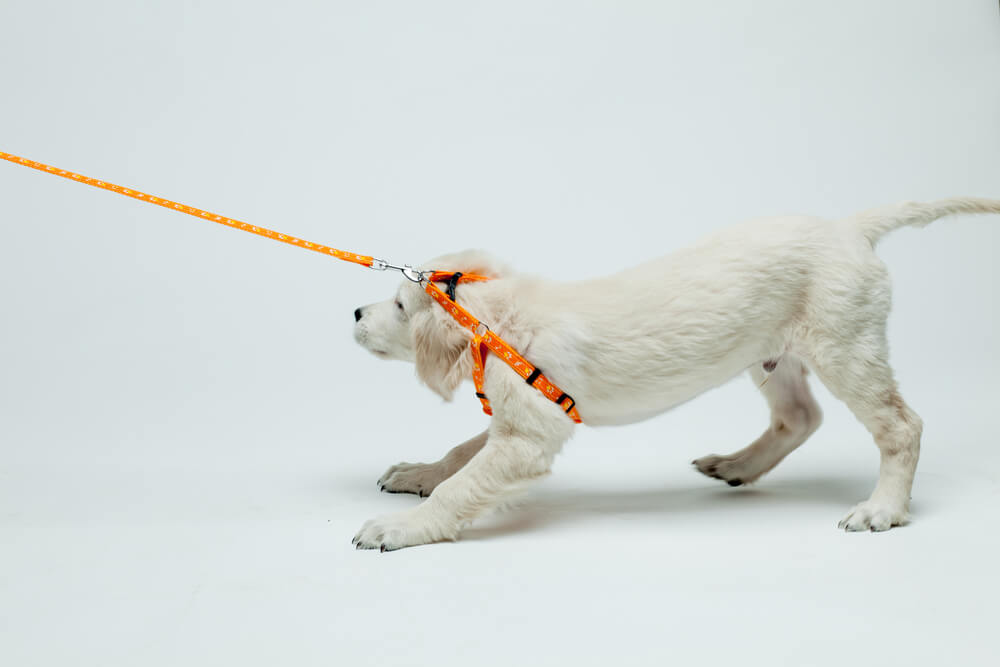
Image Source: blog.myollie.com
Deciphering the Reasons Behind Your Dog’s Walk Strike
When your dog puts on the brakes, it’s a clear signal. They are trying to tell you something. They cannot speak our words. So, their actions are their way of talking. Many things can make a dog stop walking. These often fall into a few main groups. Let’s look at each one.
Medical Causes: When Pain is the Problem
One of the biggest reasons a dog stops walking is pain. Dogs are good at hiding pain. This means you might not see obvious signs. Yet, the pain can be bad enough to make them not want to move.
Signs of Dog Pain Walking
How can you tell if your dog is hurting? Look for these hints:
- Limping: They might favor one leg. It could be slight.
- Stiffness: They move slowly. Getting up might be hard.
- Whimpering: They might cry or whine. This happens when they move.
- Reluctance to Move: They just stand still. They do not want to go forward.
- Changes in Posture: They might hunch their back. Their tail could be tucked.
- Licking or Biting: They might lick a spot too much. This could be where it hurts.
- Panting: They might pant more than usual. This is a sign of stress or pain.
- Loss of Appetite: They might not want to eat. Pain can do this.
- Aggression: A dog in pain might snap. They might growl if touched.
If you see these signs, get help fast. Call your vet right away.
Arthritis and Joint Pain
Old dogs often get joint pain. This is like arthritis in people. It makes joints stiff and sore. An old dog won’t walk anymore due to this. They might struggle on stairs. They might not jump. Their walks get shorter. They might move slowly. They might not want to go far. This is common in senior dogs.
Paw Problems
Think about your dog’s feet. Hot pavement can burn them. A sharp stone can cut them. Thorns can get stuck. Ice can hurt them. Too much walking can make their pads sore. A paw problem can make a dog suddenly stop walking. Check their paws after every walk. Look between their toes. Feel their paw pads. Make sure they are not too hot or cold.
Muscle Sprains or Strains
Just like us, dogs can pull a muscle. They can twist an ankle. This might happen during play. It could happen if they jump wrong. This pain can be sudden. It can make a dog suddenly stop walking. They might limp a little. They might not want to put weight on a leg. Rest is key here.
Back or Neck Issues
Spinal problems can be very painful. A slipped disc can cause a lot of hurt. This pain can make a dog not want to move. They might yelp when touched. They might arch their back. This is a serious issue. It needs a vet’s help fast.
Heart or Lung Problems
If your dog has heart or lung issues, they might get tired fast. They might cough. They might breathe hard. They might slow down. They might not want to walk far. This can make an old dog won’t walk anymore. They just do not have the energy.
Other Illnesses
Sometimes, a general illness makes a dog feel unwell. They might have an upset stomach. They might have a fever. They might just feel weak. This can make them lazy. They just do not feel like walking. A vet check is best for this.
Behavioral Causes: When the Mind is the Problem
Sometimes, pain is not the cause. The problem is in your dog’s mind. Fear, past bad experiences, or even plain stubbornness can make them refuse to walk.
Fear and Anxiety
An anxious dog won’t walk because they are scared. They might be scared of loud noises. A car horn. A big truck. A busy street. They might be scared of new sights. A strange person. Another dog. A bicycle. They might not want to go outside at all. This is a dog afraid to go outside. This fear can be very strong. It makes them freeze.
Past Bad Experiences
If something bad happened on a walk, your dog might remember it. Maybe they got hurt. Maybe another dog attacked them. Maybe they got yelled at. They might link walks with bad things. This makes them not want to go.
Dog Stubborn on Walks
Some dogs are just plain stubborn. They might get to a spot. They decide they want to stay there. They might sit down. They might dig their heels in. This is common if they know the walk ends at the vet. Or if they know you are going home. A dog stubborn on walks might be testing you. They might want to go a different way.
Lack of Training or Socialization
A puppy refuses to walk sometimes because they are new to it. They might not know what a leash is. They might not know what to do. They might be overwhelmed by the outside world. This is where training helps. If they were not socialized well, the outside world might seem scary.
Over-Stimulation
Some dogs get too much input. Too many smells. Too many sounds. Too many sights. This can be too much for them. They might get overwhelmed. They might freeze up. They might just stop. This often happens to sensitive dogs.
Environmental Causes: When the World is the Problem
The world around your dog can also cause problems. The weather. The ground. Strange things. All these can make a dog refuse a walk.
Weather Woes
- Dog Won’t Walk in Heat: Hot weather can be very dangerous. Dogs can get heatstroke easily. Their paws can burn on hot ground. If it is too hot, your dog will not want to walk. They might lie down. They might pant a lot. Always check the ground temperature. If it is too hot for your hand, it is too hot for their paws.
- Cold Weather: Some dogs hate the cold. Especially short-haired breeds. They might shiver. They might lift their paws. Ice and snow can hurt their paws. Salt on sidewalks can burn them.
- Rain and Wind: Many dogs do not like rain. They might hate getting wet. Strong winds can also scare them. They might just want to go back inside.
Surface Aversion
- Rough Ground: Sharp gravel or rocky paths can hurt paw pads.
- Slippery Surfaces: Ice, wet leaves, or polished floors can make a dog feel unsure. They might fear falling.
- Unfamiliar Surfaces: Some dogs dislike grates, metal bridges, or stairs. They might not trust them.
Loud Noises or Strange Objects
A noisy construction site can be very scary. A big, flapping tarp can seem like a monster. A new trash can might look like a threat. Dogs hear and see things differently. What seems normal to us can be terrifying to them. This can make them freeze. They might pull away. They might want to run home.
Life Stage Causes: When Age is the Factor
A dog’s age plays a big role in their willingness to walk. What is normal for a puppy is not normal for a senior.
Puppy Refuses to Walk
A puppy refuses to walk for many reasons.
- New Experience: Everything is new. The leash. The collar. The outside world. It can be scary.
- Small Legs: They get tired fast. Short walks are best for puppies.
- Overwhelm: Too many sights and sounds can be too much.
- Fear: They might be scared of new things.
- Stubbornness: Some puppies are just testing limits.
Be patient with a puppy. Make walks fun. Keep them short. Use lots of praise and treats.
Old Dog Won’t Walk Anymore
As dogs age, their bodies change. An old dog won’t walk anymore for a few main reasons:
- Arthritis: As mentioned, this is very common. Pain makes them reluctant.
- Weakness: Muscles get weaker. They get tired easily.
- Poor Vision or Hearing: They might not see or hear dangers. This can make them scared to go out.
- Dementia: Older dogs can get doggy dementia. They might get confused. They might not remember their way. They might get lost or scared.
- Overall Health Decline: Many old dogs have multiple health issues. This lowers their energy and desire to walk.
Deciphering the Specific Refusal
Sometimes, the way your dog refuses to walk tells you more.
Dog Won’t Leave House for Walk
This often points to fear or pain. If your dog won’t leave house for walk, think about:
- Pain: Is it too painful to even start moving? Check for limping or stiffness inside.
- Fear: Is something outside scary? A new neighbor’s dog? Construction next door? Or are they just generally afraid to go outside?
- Stubbornness: Have they learned that if they wait long enough, they get to stay home?
- Environmental Aversion: Is it too hot or cold outside? Do they hate the rain?
Dog Refusing to Walk on Leash
A dog refusing to walk on leash often relates to:
- Lack of Leash Training: They might not understand what the leash means. Puppies often need to learn this slowly.
- Discomfort: Is the collar or harness hurting them? Is it too tight? Is it rubbing?
- Fear of the Leash: Some dogs have a bad past with leashes. Maybe they were yanked hard.
- Stubbornness: They might just not want to be led. They want to be in charge.
Dog Stops Mid-Walk
If your dog stops mid-walk, this is a clear sign.
- Pain: They might have sudden pain. A thorn. A pulled muscle. They might just be tired.
- Fear: Something new appeared. A loud noise. A strange person.
- Overwhelm: Too much input. They need a break.
- Stubbornness: They might want to go home. Or go a different way. Or they want to sniff something specific for a long time.
Solutions and Strategies: Getting Your Dog Moving Again
Once you have an idea why your dog is refusing to walk, you can take steps to help them.
Consulting a Vet First
This is the most important step. If your dog suddenly stops walking or an old dog won’t walk anymore, call your vet. They can check for hidden pain. They can find underlying health issues. A vet visit is key. They might suggest pain meds. They might suggest supplements for joints. They might find a serious issue that needs treatment.
Addressing Physical Comfort
- Paw Protection: Use dog booties if it is hot, cold, or rough terrain. Check paws daily.
- Proper Gear: Make sure the collar or harness fits well. It should not rub. It should not be too tight. A front-clip harness can help with pulling.
- Temperature Checks: Do not walk when it is too hot or too cold. Walk in the early morning or late evening in summer. Use a coat for cold-sensitive dogs.
- Pace Yourself: Adjust the walk length. An old dog won’t walk anymore if they get tired. A puppy needs short, fun walks.
Positive Reinforcement Training
This is key for behavioral issues. Make walks a good experience.
- Start Small: If your dog won’t leave house for walk, start in the yard. Just go a few steps. Praise and treat.
- Short, Sweet Walks: Keep early walks very short. End on a good note.
- Treats and Praise: Reward every step forward. Make walking fun.
- No Force: Never drag your dog. This creates fear. It makes things worse.
- Leash Training: For a puppy refuses to walk or dog refusing to walk on leash, teach them slowly. Let them wear the leash inside first. Let them get used to it. Then, take small steps outside.
Addressing Fears and Anxieties
For an anxious dog won’t walk or a dog afraid to go outside:
- Desensitization: Slowly expose your dog to scary things. Do it from a distance. Use treats. Make it a game.
- Counter-Conditioning: Pair scary things with good things. Every time a scary car passes, give a high-value treat.
- Safe Space: Find quiet walking routes. Avoid busy areas at first.
- Calm Energy: Your calm mood helps your dog. If you are anxious, they will be too.
- Consult a Professional: A certified dog trainer or behaviorist can help. They can make a plan for your dog.
Managing Stubbornness
A dog stubborn on walks needs a firm but kind hand.
- Consistency: Always end walks on your terms, not theirs. Do not give in to their sitting strike.
- High-Value Rewards: Use amazing treats. Something they only get on walks.
- Change Routes: Keep walks interesting. Vary the path.
- Motivation: Make walking more fun than sitting. Play games.
Environmental Adjustments
- Avoid Triggers: If they hate loud trucks, find a quieter route.
- Surface Check: Choose paths with comfortable surfaces.
- Time of Day: Walk when it is less busy. Or when the sun is not too hot.
Building Confidence
- New Experiences: Introduce new things slowly. Let them sniff new smells. Let them explore safely.
- Playtime: Incorporate play into walks. A quick game of fetch can make them enjoy the outing.
- Socialization (Carefully): If they are okay with it, safe interactions with other dogs can help.
Patience and Consistency
Helping a dog who refuses to walk takes time. It needs a lot of patience. Do not get mad. Stay calm. Keep trying. Celebrate small wins. Even a few steps forward is progress. Your goal is to make walks a happy and safe time for your dog.
| Reason Category | Potential Signs | Solutions |
|---|---|---|
| Medical | Limping, stiffness, whimpering, panting, refusing to move, licking specific spots. | Vet check-up immediately. Pain relief. Joint supplements. Rest. |
| Behavioral | Freezing, pulling back, hiding, digging heels in, general anxiety, not wanting to go outside. | Positive training, desensitization, counter-conditioning, professional help. |
| Environmental | Shivering, panting heavily, lifting paws, pulling towards home, reacting to loud noises, fear of specific surfaces. | Adjust walk times/routes, booties, dog coats, avoid triggers, choose different surfaces. |
| Life Stage | Easy tiring, lack of enthusiasm, confusion (old dog), general overwhelming (puppy), fear of new things. | Shorter walks, slower pace, patience, fun and positive introduction to walking (puppy), vet check for age-related issues. |
Conclusion
When your dog refuses to walk, it is not just being naughty. They are telling you something important. It could be pain, fear, or a dislike of the outside world. Start by checking for medical issues with your vet. Then, look at their behavior and the environment. With patience, positive training, and a deep look at their needs, you can help your dog enjoy walks again. Make walks a safe, happy, and rewarding part of their day. You are their guide.
Frequently Asked Questions (FAQ)
Q1: My dog suddenly stops walking mid-walk. What should I do first?
A1: Check their paws first. Look for cuts, thorns, or heat burns. Then, gently check their legs and body for signs of pain. If you find nothing obvious, wait a moment. They might be overwhelmed or just tired. If it happens often, see your vet right away.
Q2: My old dog won’t walk anymore. Is this normal?
A2: It’s common for old dogs to slow down. But a complete refusal to walk is not normal. It often points to pain from arthritis, joint issues, or other age-related health problems. Always talk to your vet. They can help manage pain and improve your dog’s quality of life.
Q3: My puppy refuses to walk on a leash. How can I fix this?
A3: Start very slow. Let your puppy wear the collar and leash inside for short times. Make it a fun game. Give treats. Then, take a few steps. Praise them a lot. Keep walks short. Make them happy experiences. Never pull or drag them.
Q4: My dog won’t leave the house for a walk. What’s wrong?
A4: This often means fear or pain. Is something outside scary for them? Like loud noises or big vehicles? Or are they hurting inside? If they are generally afraid to go outside, use positive training to build their confidence. Start by just stepping outside the door, giving treats, and slowly moving further. See your vet to rule out pain.
Q5: How can I tell if my dog is being stubborn or actually in pain?
A5: Pain usually shows other signs like limping, stiffness, panting, or licking a sore spot. A stubborn dog might sit down, but often perks up if you offer a high-value treat or change direction. If you are unsure, always assume it might be pain first. Get a vet check.
Q6: My dog won’t walk in heat. What are safe alternatives?
A6: It’s wise to avoid walks in hot weather. Play inside instead. Use mental games like puzzle toys. Try sniff games. If you must go out, only walk in the early morning or late evening. Keep it very short. Carry water for your dog. Consider dog booties to protect paws from hot surfaces.