
Image Source: orthodog.com
Solutions: How To Help Old Dog With Weak Back Legs Today.
Do you have an old dog with wobbly back legs? Are you asking, “What is causing my elderly dog’s leg weakness?” Or “Can I really help my senior dog walk better?” You are not alone. Many older dogs face challenges with their hind legs. This often comes from age-related changes. These include common issues like arthritis or conditions that affect nerves. Yes, you can help your old dog. There are many ways to make them more comfortable. You can help them move around better. This guide will show you how. We will look at causes. We will explore treatments. We will share pain relief for old dogs wobbly legs. We will also cover daily home care.
Deciphering the Causes of Weak Back Legs in Older Dogs
Why do old dogs get weak back legs? Their bodies change as they get older. This can lead to different health problems. These problems often affect their ability to walk. It is important to know the elderly dog leg weakness causes. This helps you get the right help for your dog.
h4: Common Reasons for Hind Leg Weakness
Many things can make an old dog’s back legs weak. Here are some of the most common reasons:
- Osteoarthritis: This is joint disease. It is very common in older dogs. The smooth cushion in their joints wears away. This causes bone to rub on bone. It leads to pain, stiffness, and less movement. Dogs with hip or knee arthritis often have weak back legs.
- Hip Dysplasia: This is a problem where the hip joint does not form right. The hip bone does not fit well in the socket. It can cause arthritis over time. This makes the hips hurt and feel weak. Dogs often have trouble getting up or using stairs.
- Degenerative Myelopathy (DM): This is a nerve disease. It slowly gets worse. DM affects the spinal cord. It is like MS in people. It starts with wobbly back legs. It then leads to loss of use of the legs.
managing degenerative myelopathy in dogsneeds a special plan. We will talk more about this later. - Intervertebral Disc Disease (IVDD): This is a spine problem. The cushions between the bones of the spine can bulge or burst. This pushes on the nerves. It can cause sudden weakness or even paralysis. This often happens in the back legs.
- Fibrocartilaginous Embolism (FCE): This is like a stroke in the spinal cord. A small piece of cartilage blocks blood flow. It can cause sudden weakness in one or more legs. This usually happens very fast. The weakness often does not get worse after the first day.
- Lumbosacral Stenosis (Cauda Equina Syndrome): This happens at the base of the spine. Nerves get squeezed. It causes pain and weakness in the back legs and tail. Dogs may have trouble standing or jumping.
- Muscle Weakness: Just like people, dogs lose muscle as they age. This is called sarcopenia. Less muscle makes legs feel weak. It also makes them less stable. Regular, gentle exercise can help slow this down.
- Nerve Damage: Injuries, tumors, or infections can harm nerves. This can make the back legs weak or not work right.
- Cancer: Tumors can grow in bones, joints, or the spine. They can cause pain and weakness.
h4: Focus on Degenerative Myelopathy (DM)
managing degenerative myelopathy in dogs is a key concern for many owners. DM is a tricky disease. It is not painful in itself. But it causes dogs to lose feeling and strength in their back legs. This leads to wobbling, dragging paws, and falling.
There is no cure for DM. But there are ways to help your dog live well.
- Physical Therapy: This is very important. It helps keep muscles strong. It also improves balance.
- Mobility Aids: A
support harness for weak dog legsor adog wheelchair for back leg supportcan make a big difference. These tools help your dog stay active. - Home Care: Keep your home safe. Use non-slip mats. Keep fur trimmed between paw pads. This gives them better grip.
- Regular Vet Visits: Your vet can help track the disease. They can suggest new ways to help your dog.
DM gets worse over time. It is a tough journey. But with good care, your dog can have a good quality of life for a long time.
First Steps to Help: When to See a Vet
If you notice your dog’s back legs getting weak, do not wait. See your vet right away. Early action is key. It helps find the cause. It starts treatment sooner. This can make a big difference for your dog.
h4: What Your Vet Will Do
When you see the vet, they will:
- Ask Questions: They will ask about when you first saw the weakness. They will ask if it got worse. They will ask about your dog’s eating and peeing habits.
- Do a Physical Exam: They will watch your dog walk. They will feel your dog’s legs and spine. They will check their reflexes.
- Suggest Tests: They might suggest X-rays. This checks for arthritis or bone issues. They might do blood tests. This checks for other health problems. For nerve issues, an MRI or CT scan may be needed. This gives a clear picture of the spine.
Finding the exact cause helps your vet plan the best way to help your dog.
Medical Paths to Better Mobility: Treatment Options
Once your vet knows what is wrong, they can suggest treatments. These treatments aim to lessen pain. They also want to improve how your dog moves. Many old dog arthritis treatment options are available.
h4: Medications for Pain and Inflammation
Medicines are often the first step to help dogs with weak legs. They can reduce pain and swelling.
- NSAIDs (Non-Steroidal Anti-Inflammatory Drugs): These are like ibuprofen for humans. But use only dog-specific ones. Never give human medicines. NSAIDs ease pain and inflammation. They help dogs move more freely. Examples are Carprofen, Meloxicam, or Galliprant.
- Gabapentin: This medicine helps with nerve pain. It can be used alone or with NSAIDs. It calms the nerves.
- Amantadine: This drug can help with long-lasting pain. It works by changing how pain signals are sent.
- Corticosteroids: These are strong anti-inflammatory drugs. They are used for severe pain or nerve issues. They can have side effects. So vets use them with care.
- Muscle Relaxers: Sometimes, muscles spasm due to pain. These medicines can help relax them.
Always give medicines exactly as your vet says. Watch for any side effects.
h4: Supplements for Joint Health
Many owners ask about supplements for senior dog joint health. These can help protect joint cartilage. They can also reduce inflammation. They work best when started early.
- Glucosamine and Chondroitin: These are building blocks for cartilage. They help keep joints healthy. They may slow down cartilage wear.
- Omega-3 Fatty Acids (Fish Oil): These are strong anti-inflammatories. They help reduce joint pain. They also support skin and coat health.
- MSM (Methylsulfonylmethane): This is a natural compound. It helps reduce pain and inflammation.
- CBD (Cannabidiol): Some studies show CBD can help with pain and inflammation. Make sure to use products made for pets. Check with your vet before starting CBD.
Here is a table of common supplements and their benefits:
| Supplement Type | Main Benefit | How it Helps Weak Legs |
|---|---|---|
| Glucosamine & Chondroitin | Supports cartilage repair | Reduces joint stiffness, improves movement |
| Omega-3 Fatty Acids (Fish Oil) | Reduces inflammation | Lessens joint pain, improves flexibility |
| MSM | Anti-inflammatory, pain relief | Decreases discomfort in joints |
| CBD Oil (Pet-Specific) | Pain & inflammation relief | Calms nerves, eases joint and muscle soreness |
| Green Lipped Mussel | Rich in omega-3s, joint nutrients | Reduces inflammation, supports joint function |
h4: Other Medical Treatments
Beyond pills, other treatments can help.
- Injections:
- Adequan (Polysulfated Glycosaminoglycan): This is an injectable drug. It helps protect cartilage. It also improves joint fluid. It is given as a shot under the skin.
- Platelet-Rich Plasma (PRP): Blood is taken from your dog. Platelets are separated. These are rich in growth factors. They are injected into the joint. PRP can help repair tissues and reduce pain.
- Stem Cell Therapy: This is a newer option. Stem cells are taken from your dog’s fat. They are grown and injected into joints. They can help repair damaged tissue.
- Acupuncture: This ancient Chinese practice uses thin needles. They are placed at specific points on the body. It can help reduce pain and improve nerve function. Many dogs find it relaxing.
- Cold Laser Therapy (Low-Level Laser Therapy): This therapy uses light to reduce pain and swelling. It speeds up healing. It is not painful for the dog.
h4: Surgical Options
Surgery is an option for some causes of weak legs.
- For Hip Dysplasia: Surgeries like Total Hip Replacement (THR) or Femoral Head Ostectomy (FHO) can help. THR replaces the bad hip joint. FHO removes the painful part of the hip bone.
- For IVDD: Surgery can remove the bulging disc. This takes pressure off the spinal cord. It can help restore movement.
- For Tumors: If a tumor causes weakness, surgery might remove it. This depends on the type and location of the tumor.
Surgery is a big step. Your vet will discuss if it is right for your dog. They will explain the risks and benefits.
Moving Better: Physical Support & Therapy
Medicines help with pain. But often, dogs need more support to move well. This is where senior dog mobility aids and therapy come in.
h4: Dog Physical Therapy for Hind Legs
dog physical therapy for hind legs is very helpful. It uses exercises to build strength. It improves balance and movement. A certified rehab vet or therapist can guide you.
- Hydrotherapy (Underwater Treadmill): This is very gentle on joints. The water supports the dog’s weight. This lets them move their legs without too much strain. It builds muscle and improves range of motion.
- Therapeutic Exercises: These are specific moves to build muscle. Examples include:
- Weight Shifting: Help your dog stand. Gently shift their weight from side to side or front to back. This improves balance.
- Cavaletti Poles: Have your dog step over low poles. This makes them lift their feet higher. It builds strength and coordination.
- Passive Range of Motion (PROM): Gently move your dog’s joints through their full motion. Do this while they are lying down. It keeps joints flexible.
- Massage: Gentle massage can ease tight muscles. It improves blood flow. Always learn proper techniques from a pro.
- Stretching: Gentle stretches can keep muscles flexible. This prevents stiffness.
- Balance Boards/Wobble Boards: These help improve balance and core strength. Dogs stand on them and try to stay steady.
Physical therapy should always be done with a vet’s advice. Do not push your dog too hard.
h4: Support Harness for Weak Dog Legs
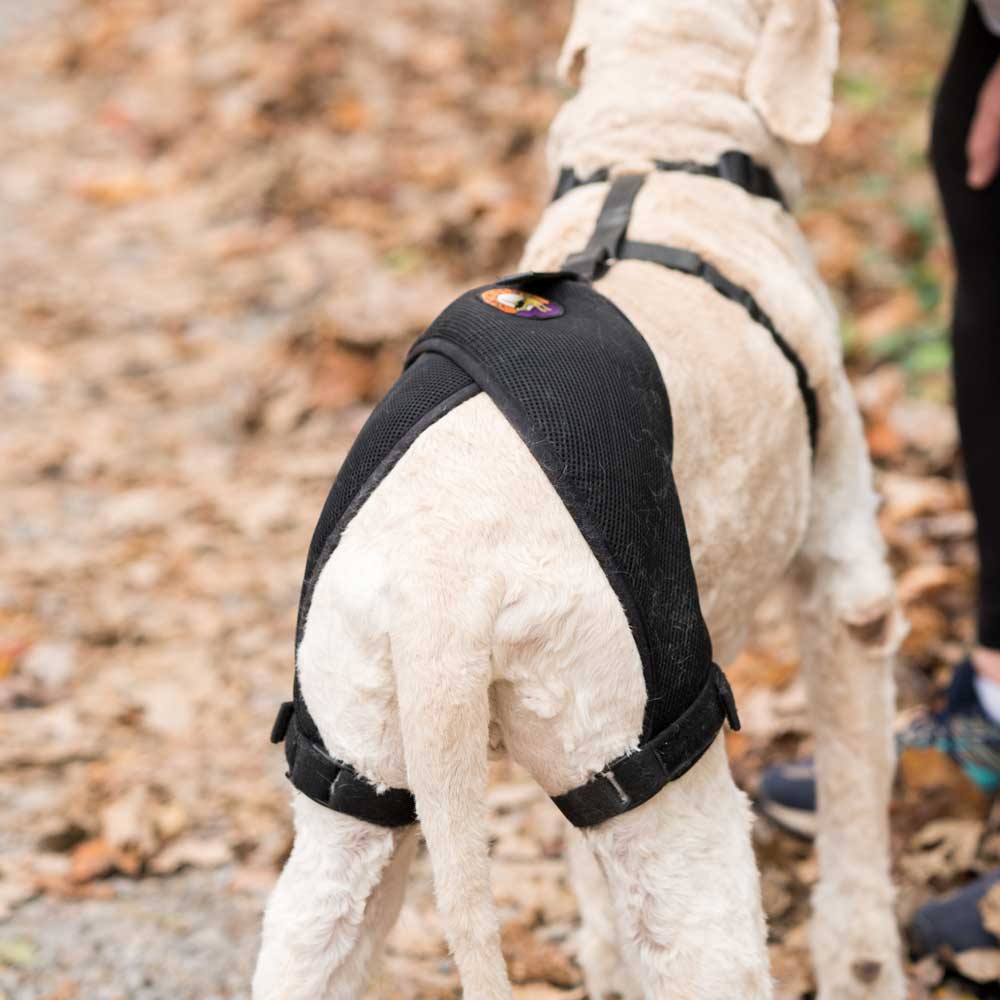
A support harness for weak dog legs is a must-have for many owners. It gives you a way to help your dog stand and walk.
- Full-Body Harnesses: These cover more of the dog’s body. They offer a lot of support. They are good for dogs with overall weakness.
- Rear-Only Harnesses: These wrap around the back legs. They have a handle for you to lift or steady your dog. They are great for dogs with only hind leg weakness.
- Lift Slings: These are simple fabric slings. They go under the dog’s belly. You can use them for short lifts, like getting into a car.
Tips for Using a Harness:
- Proper Fit: Make sure the harness fits well. It should not rub or pinch.
- Comfort: Look for padded options.
- Support: Choose one that gives the right amount of help for your dog.
- Practice: Let your dog get used to wearing it. Start with short times.
A harness can greatly improve your dog’s daily life. It helps them go outside. It helps them get around your home.
h4: Dog Wheelchair for Back Leg Support
For dogs with severe weakness or paralysis, a dog wheelchair for back leg support can be life-changing. It allows them to move freely. They can run and play again.
- How They Work: A dog wheelchair supports the dog’s back end. The front legs still walk. The back legs are held up or can touch the ground if there is some movement.
- Types of Wheelchairs:
- Rear Support Carts: These are for dogs with only back leg weakness.
- Full Support (Quad) Carts: These are for dogs with weakness in all four legs.
- Getting the Right Fit: Proper measurement is key. A custom-fit chair is best. It should be light and strong.
- Getting Used to It: Most dogs learn to use a wheelchair quickly. Start with short periods. Give treats and praise.
- Benefits: A wheelchair helps with exercise. It keeps muscles strong. It prevents pressure sores. Most importantly, it gives your dog back their freedom and joy.
A wheelchair is a big decision. Talk to your vet or a rehab specialist. They can help you choose the best one.
Daily Living and Home Adaptations: Creating a Safe Haven
Making your home safe and easy to move around in is crucial. These home care tips for dogs with hind leg weakness can make a big difference.
h4: Making Your Home Safer
- Non-Slip Surfaces: Weak legs slip easily on smooth floors.
- Place yoga mats, runners, or carpet tiles in high-traffic areas.
- Use non-slip socks or paw pads for extra grip.
- Ramps and Stairs: Avoid stairs if your dog struggles.
- Use ramps for getting in and out of cars.
- Use pet stairs or ramps for beds and sofas. This saves their joints and your back.
- Comfortable Bedding: A good orthopedic bed is a must.
- It supports joints. It lessens pressure points.
- Look for beds with thick memory foam. They should be easy to get in and out of.
- Raised Food and Water Bowls: Bending down can be hard.
- Raised bowls help your dog eat and drink without straining their neck and back.
- Easy Access to Outside: Make it simple for them to go potty.
- Consider a doggy door if they can use it safely.
- Or be ready to help them outside often.
h4: Daily Care Tips
- Nail Care: Keep nails trimmed short. Long nails can make it harder to grip. They can also change how a dog stands.
- Paw Pad Care: Check paw pads often. Keep hair trimmed between them. This helps with grip. It also prevents dirt buildup.
- Hygiene: Dogs with weak back legs may have accidents.
- Keep them clean. Use dog wipes or bathe them gently. This prevents skin issues.
- Consider doggy diapers if accidents are frequent.
- Weight Management: Keep your dog at a healthy weight. Extra weight puts more strain on weak legs. Your vet can help with a diet plan.
- Regular Potty Breaks: They may need to go out more often. Lift them if needed. Use a
support harness for weak dog legsto help. - Mental Stimulation: Even if they cannot move much, keep their minds active.
- Use puzzle toys.
- Play gentle scent games.
- Offer new chew toys.
- Give them plenty of loving attention.
Pain Management: Easing Discomfort
Beyond medicines, other methods can provide pain relief for old dogs wobbly legs. A full plan uses many tools.
h4: Holistic Approaches
- Acupuncture: As mentioned, this can reduce pain. It also improves blood flow.
- Chiropractic Care: A vet chiropractor can adjust the spine. This can relieve nerve pressure. It improves movement.
- Massage Therapy: Gentle massage from you or a trained therapist can ease muscle tension. It improves circulation.
- Warm Compresses: A warm towel on sore joints or muscles can provide comfort. Do not make it too hot.
h4: Lifestyle Changes
- Controlled Exercise: Keep your dog moving. But do not overdo it. Short, frequent walks are better than one long one. This keeps muscles strong without causing pain.
- Weight Management: This is so important. Every extra pound adds stress to painful joints. Work with your vet to find the right diet.
- Stress Reduction: A calm home helps your dog relax. Less stress can mean less perceived pain.
Combining vet-prescribed medicines with these other methods gives the best results. The goal is to make your dog as pain-free and happy as possible.
The Emotional Side: Caring for Their Spirit
Caring for an old dog with weak legs is a labor of love. It can be hard. But remember to care for your dog’s spirit too.
h4: Keeping Their Spirits Up
- Quality Time: Spend extra time with your dog. Pet them. Talk to them. Cuddle.
- Mental Stimulation: Even if they cannot walk far, their mind still needs to work. Puzzle toys, gentle training, or just new smells can help.
- Social Interaction: Let them see their favorite people and dog friends. Make sure these meetings are calm and safe.
- Patience and Love: They might have accidents. They might struggle. Your patience and love mean the world to them. They rely on you.
h4: Knowing When to Say Goodbye
This is the hardest part of pet ownership. As their condition gets worse, you may face this choice. Talk openly with your vet. Think about your dog’s quality of life. Are they still enjoying things? Are they in constant pain that cannot be managed?
Making this decision is personal. It is done out of love. It ensures your dog does not suffer. Focus on giving them comfort and dignity in their final days.
Frequently Asked Questions (FAQ)
h5: How can I tell if my old dog’s leg weakness is just old age or something more serious?
While some slowing down is normal, sudden weakness, pain when touched, crying, dragging paws, or complete inability to stand are not normal. These are signs of a serious problem. See your vet right away. They can tell you the cause.
h5: Can exercise help a dog with weak back legs?
Yes, gentle, controlled exercise can help. It builds muscle and keeps joints flexible. But avoid too much. High-impact activities can cause more harm. Talk to your vet or a rehab specialist first. They can suggest safe exercises.
h5: Are there natural remedies for an old dog’s joint pain?
Many natural options can help. Supplements for senior dog joint health like glucosamine, chondroitin, omega-3 fatty acids, and CBD oil are popular. Acupuncture, massage, and cold laser therapy are also natural ways to ease pain. Always discuss these with your vet first.
h5: How can I make my home safer for a dog with hind leg weakness?
Use non-slip rugs or mats on hard floors. Provide ramps or pet stairs for beds and sofas. Use orthopedic bedding for comfort. Consider raised food and water bowls. Keep nails trimmed. These home care tips for dogs with hind leg weakness help prevent falls and ease movement.
h5: What are the best senior dog mobility aids?
The best aids depend on your dog’s needs. A support harness for weak dog legs is great for helping them stand and walk. A dog wheelchair for back leg support is best for severe weakness or paralysis. Ramps, orthopedic beds, and non-slip mats are also key mobility aids.
h5: Is dog physical therapy for hind legs expensive? Is it worth it?
Physical therapy can be an investment. But it is often very worth it. It can greatly improve your dog’s comfort and quality of life. It can reduce the need for more medicines. Your vet can give you an idea of costs. Many owners see big improvements in their dogs’ movement and happiness.
h5: My dog has degenerative myelopathy. What’s the most important thing I can do?
Managing degenerative myelopathy in dogs focuses on support and slowing progression. Physical therapy is vital to keep muscles strong. Mobility aids like harnesses and wheelchairs are essential for staying active. Daily home care and keeping your dog mentally happy are also very important.
Conclusion
Seeing your old dog struggle with weak back legs can be heartbreaking. But you have many options to help. From vet visits and medicines to special harnesses, wheelchairs, and home changes, every step makes a difference. Focus on lessening pain relief for old dogs wobbly legs. Provide good old dog arthritis treatment options. Use senior dog mobility aids and dog physical therapy for hind legs. With patience, love, and the right tools, your old friend can still enjoy a happy, comfortable life. Your dedication truly means the world to them.