
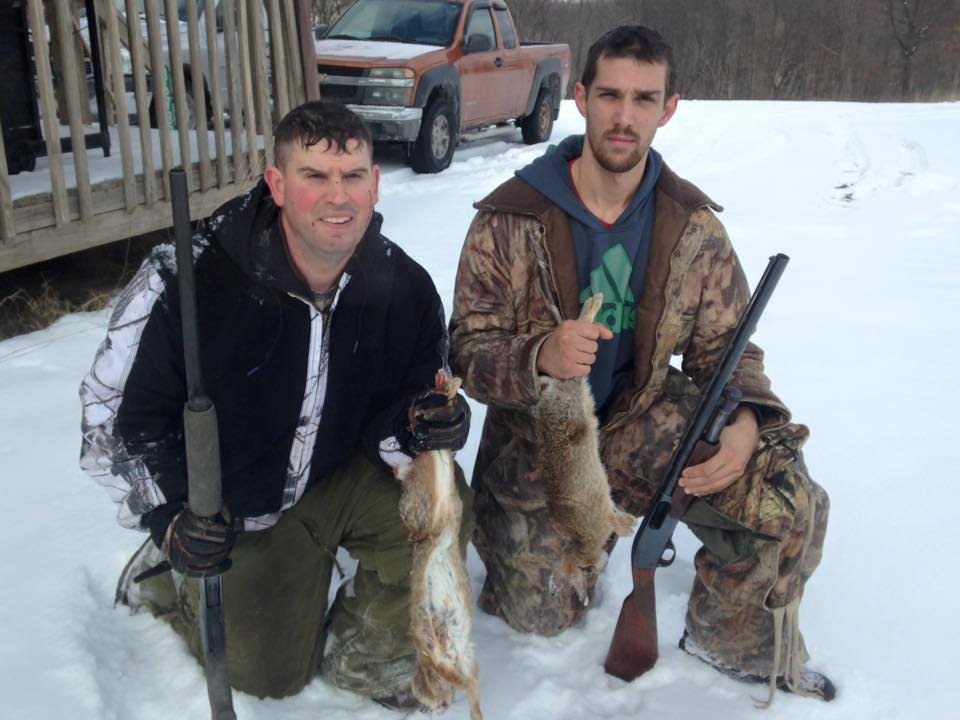
Image Source: i.ytimg.com
DIY: How To Rabbit Hunt Without A Dog – Your Complete Guide
Yes, you can hunt rabbits without a dog. It is absolutely possible. You do not need a barking friend to find these small, quick animals. It takes skill, patience, and a good eye. This guide will show you how. We will cover everything you need. You will learn about finding rabbits, using the right gear, and smart hunting methods. This way of hunting is very rewarding. It tests your outdoor skills. It also lets you enjoy nature in peace. Many hunters prefer to go alone. It is a great way to hunt small game.
Gearing Up for Solo Success
Going hunting alone means you must rely only on yourself. Your gear is very important. It must be right for the job. It helps you stay safe and comfy. It also helps you find and get rabbits.
Essential Gear for the Lone Hunter
You need good gear for solo rabbit hunting. Think about clothes, your weapon, and other tools. Here is a list of what you should bring:
- Proper Clothing: Wear layers. This helps you stay warm or cool. Choose clothes that blend in with nature. Avoid bright colors. Your clothes should also be quiet. Noisy fabrics can scare rabbits.
- Good Boots: Waterproof boots are a must. You will walk a lot. Good boots keep your feet dry and comfy. They also give you good grip.
- Your Weapon: Pick the right rifle or shotgun. We will talk more about this soon. Bring enough ammo.
- Hunting Knife: A sharp knife is for many tasks. Use it for cleaning rabbits.
- Backpack: Carry water, snacks, and your gear. It should be big enough but not too bulky.
- First-Aid Kit: Small cuts or scrapes can happen. A basic kit is very important.
- Navigation Tools: A map, compass, or GPS helps you know where you are. Your phone can work too. Make sure it has a charge.
- Flashlight or Headlamp: It gets dark fast. This helps you see.
- Binoculars: They help you spot rabbits from far away. They save you from walking too much.
- Game Bag or Vest: A way to carry your rabbits cleanly.
Here is a quick look at some key gear:
| Item | Why You Need It |
|---|---|
| Camo Clothing | Blend in with nature, stay hidden. |
| Waterproof Boots | Stay dry and comfortable, good grip on trails. |
| Rifle/Shotgun | Your main tool for hunting. |
| Ammo | Enough for your trip, specific to your weapon. |
| First-Aid Kit | For small injuries, safety first. |
| Backpack | Carry water, snacks, and extra gear. |
| Binoculars | Spot rabbits from a distance, saves walking. |
| Game Bag | Carry harvested rabbits cleanly. |
Safety First in the Field
Safety is always the top rule. When hunting alone, you must be extra careful.
- Gun Safety: Always follow gun safety rules. Treat every gun as if it is loaded. Point the muzzle in a safe direction. Keep your finger off the trigger until ready to shoot. Know your target and what is beyond it.
- Tell Someone Your Plans: Always tell a friend or family member where you are going. Tell them when you expect to be back. This is key for your safety.
- Check the Weather: Look at the weather report before you go. Bad weather can make hunting hard. It can also be dangerous. Rain, snow, or extreme cold can cause problems.
- Know Your Area: Learn the land before you hunt. Look at maps. Know property lines. Do not hunt on private land without permission.
- Stay Hydrated and Fed: Bring enough water and snacks. Hunting can be hard work. You need energy to stay sharp.
Deciphering Rabbit Territory
Finding rabbits is the first big step. You must know where they live. You also need to spot their signs. This is like solving a puzzle. Look for clues.
Finding Rabbit Habitat
Rabbits like specific places. They need food, water, and cover. Cover means places to hide from danger. Think thick brush. (LSI: Rabbit habitat)
Look for these spots:
- Briar Patches: These are thick bushes with thorns. Rabbits love them. They offer great protection.
- Thickets and Brush Piles: Dense groups of small trees or bushes. Piles of old tree limbs are perfect hiding spots.
- Tall Grass and Weedy Fields: Rabbits feed in these areas. They hide in them too.
- Field Edges: Where a field meets woods or thick brush. Rabbits often move between these two spots. They feed in the open field. They run to the brush for safety.
- Abandoned Farms or Buildings: Old sheds, fences, and overgrown areas around them can hold rabbits.
- Swamps and Creek Beds: Wet areas with dense growth are also good. Rabbits like to be near water.
Rabbits often stay close to their homes. They do not travel far. Find good cover, and you will likely find rabbits. They like “edge habitats.” These are places where two different types of land meet. For example, a fence line next to a field. Or where woods meet a clearing. These spots offer both food and safety.
Reading Rabbit Tracks and Sign
Rabbits leave clues. These clues tell you if they are in the area. They can even tell you how fresh the signs are. (LSI: Rabbit tracks and sign)
Look for these signs:
- Tracks: Rabbit tracks are easy to spot, especially in snow or mud. They have four toes on their front feet. They have five on their back feet. The hind tracks are usually larger. When they hop, the hind feet land in front of the front feet. This makes a unique pattern. Fresh tracks mean a rabbit is nearby.
- Droppings: Rabbit droppings are small, round pellets. They look like tiny balls. They are dark brown or black. You will find them where rabbits feed or rest. Lots of fresh pellets mean a lot of rabbits.
- Chew Marks: Rabbits eat twigs, bark, and plants. Look for twigs with fresh chew marks. The ends will look cut at an angle.
- Dust Baths: Rabbits sometimes roll in dusty spots. They do this to clean their fur. These spots will be small, shallow depressions in the dirt.
- Well-Worn Trails: In thick brush, rabbits make small trails. These paths connect their feeding areas to their hiding spots. Look for flattened grass or disturbed ground.
Finding fresh tracks or droppings is a great sign. It means rabbits are active in that spot. This is where you should focus your hunting.
Masterful Hunting Approaches Without a Dog
Hunting rabbits without a dog means you must use smart tactics. You become the tracker and the flusher. You rely on your eyes and ears. These methods take patience and skill.
The Art of Still Hunting Small Game
Still hunting is a very quiet way to hunt. It is perfect for solo hunters. You move very slowly. You stop often. You use your senses to find rabbits. (LSI: Still hunting small game)
Here is how to do it:
- Move Slowly: Take only a few steps at a time. Then stop. Do not rush.
- Look and Listen: When you stop, scan the area. Look for any movement. Use your binoculars. Listen for sounds. A rustle in the leaves. A twig snapping. These could be rabbits.
- Scan Ahead: Look not just at your feet. Look far ahead. Look behind bushes. Look under logs. Rabbits often freeze when they hear you. They might hide from plain sight.
- Use Your Eyes: Look for small details. An ear sticking up. A patch of brown fur in the brush. Rabbits blend in well.
- Patience is Key: This method takes time. Do not get frustrated. The more patient you are, the more you will see.
- Wind Direction: Try to walk into the wind. Rabbits have a great sense of smell. The wind will carry your scent away from them.
Still hunting works best in places with good cover. It helps you find rabbits that are hiding. It lets you get close without scaring them.
Spot and Stalk Hunting Methods
Spot and stalk hunting is different. You first find the rabbit from a distance. Then you slowly move closer for a shot. This works well in more open areas. It also works on the edges of fields. (LSI: Spot and stalk hunting, Stalking rabbits)
Here are the steps:
- Find a Good Viewpoint: Climb a small hill. Or find a tree that gives you a good view.
- Scan with Binoculars: Use your binoculars to scan wide areas. Look for any sign of a rabbit. Look for movement. Look for a rabbit sitting still.
- Spot the Rabbit: Once you see a rabbit, do not move. Watch it. See what it does. Does it move or stay put?
- Plan Your Stalk: Find a path to get closer. Use trees, bushes, or dips in the land for cover. Plan your approach.
- Move Quietly: Take slow, careful steps. Avoid breaking twigs. Do not make noise. If the rabbit looks your way, freeze. Do not move until it looks away.
- Use Cover: Stay behind trees or bushes. Keep them between you and the rabbit. Move from cover to cover.
- Get in Position: Get close enough for a clean shot. Be ready when you stop.
Spot and stalk hunting needs sharp eyes. It also needs very quiet movement. This method is exciting. It is very rewarding when it works.
Flushing Rabbits Manually
Without a dog, you are the flusher. This means you make the rabbits move. You push them out of their hiding spots. This method is more active. It works well in dense cover. (LSI: Flushing rabbits manually)
Here is how to do it:
- Walk Through Dense Cover: Go into briar patches, thickets, and brush piles. Walk slowly through them.
- Kick and Prod: Use your boots to kick brush piles. Use a long stick to poke into thick bushes. This often makes a hidden rabbit bolt.
- Make Noise: Some hunters stomp their feet. Or they clap their hands. The sudden noise can scare rabbits into running.
- Be Ready to Shoot: Rabbits will burst out quickly. They run fast. You must be ready to raise your weapon and shoot. Keep your finger off the trigger. Only put it on when you are ready to fire.
- Look for Escape Routes: Think about where a rabbit might run. If you flush from one side, it will likely run the other way. Position yourself to have a clear shot.
- Work in a Grid: For large areas, walk back and forth in a grid pattern. This helps you cover the area fully. You will not miss any hiding spots.
Flushing rabbits manually can be tiring. But it is very effective. It gets rabbits out of thick cover where they might be hiding all day.
Hunting Rabbit Burrows and Cover
Rabbits often hide in burrows. These are holes in the ground. They also hide in thick brush piles. Or under fallen trees. Hunting these spots can be very effective. (LSI: Hunting rabbit burrows)
Here is what to do:
- Find Burrow Openings: Look for holes in the ground. They can be along stream banks. Or under tree roots. Or in dirt mounds.
- Check and Listen: Get close to the burrow. Listen carefully. You might hear a rabbit inside. A soft scratching sound.
- Use a Stick: Gently poke a long stick into the burrow. Or tap the ground near the opening. This might make the rabbit come out.
- Be Ready: If a rabbit comes out, it will be fast. Be ready to take your shot.
- Brush Piles and Logs: Rabbits love to hide in large brush piles. They also hide under old logs. Walk around these spots. Kick them gently. This can flush out a rabbit.
- Respect Private Land: If you are on private land, make sure you have permission to disturb burrows. Some landowners do not like this. Also, be careful not to damage the land.
- Safety Around Burrows: Be careful of other animals. Snakes or other creatures might live in burrows too. Always be aware of your surroundings.
Hunting burrows is a direct way to find rabbits that are holed up. It needs patience and quick reactions.
Seasonal Advantages: Winter Rabbit Hunting
Winter is often the best time for rabbit hunting. The conditions are just right. Many hunters wait for the cold months. (LSI: Winter rabbit hunting)
Here is why winter is great:
- Less Cover: In winter, leaves fall from trees and bushes. This makes the cover thinner. Rabbits have fewer places to hide. They are easier to spot.
- Snow Helps: If there is snow, it makes hunting even better.
- Tracks are Clear: Rabbit tracks stand out clearly in the snow. You can follow fresh tracks right to a rabbit. This helps you find their paths.
- Contrast: A dark rabbit on white snow is easy to see.
- Rabbits Group Up: In cold weather, rabbits sometimes group together for warmth. You might find several in one area.
- Rabbit Behavior: Rabbits need to eat more in winter. They also need to save energy. They might be out more during the day. This gives you more time to hunt.
Tips for Winter Hunting:
- Dress Warm: Wear many layers of warm clothes. Use good insulated boots and gloves.
- Stay Dry: Wet clothes can make you very cold. Wear waterproof outer layers.
- Bring Warm Drinks: A thermos with hot coffee or tea can be nice.
- Check Batteries: Cold drains batteries fast. Carry extra batteries for your phone and flashlight.
- Be Careful on Ice/Snow: Watch your footing. Slipping can cause injury.
Winter hunting is a bit tougher on you. But the rewards can be great. It is a prime time to fill your game bag.
Choosing Your Tool: The Best Rifle for Rabbit Hunting
Picking the right weapon is very important. It needs to be safe. It needs to be effective. For rabbits, you have a few good choices. (LSI: Best rifle for rabbit hunting)
Rimfire Rifles
These are popular for small game. They are accurate and use small, cheap bullets.
- .22LR (Long Rifle): This is the classic rabbit gun. It is quiet. It has very little kick (recoil). It is accurate at 50-75 yards. The bullets are cheap. It is great for head shots. This saves meat.
- .17 HMR (Hornady Magnum Rimfire): This is a faster, flatter-shooting round. It is good for longer shots, maybe 100-150 yards. It has more power than a .22LR.
Shotguns
Shotguns shoot a spread of small pellets. They are good for moving targets.
- .410 Bore: This is a small shotgun. It is light and has little kick. Good for beginners or kids. It works best at close range.
- 20 Gauge: A bit more power than a .410. Still light and easy to use. Good for rabbits in thick cover.
- 12 Gauge: The most common shotgun. It has a lot of power. It can be too much for rabbits up close. But it is very versatile. Use smaller shot sizes like #4, #5, or #6.
Air Rifles
Modern air rifles are powerful. Some are good for hunting small game.
- PCP (Pre-Charged Pneumatic) Air Rifles: These are very accurate. They are quiet. They can be very effective at close ranges (under 50 yards). They use compressed air.
Choosing the Best for You:
- Accuracy: If you want to take clean, precise shots on sitting rabbits, a rimfire rifle is great.
- Moving Targets: If you plan to flush rabbits and shoot them while they run, a shotgun is better.
- Range: Consider how far your shots will be.
- Recoil: If you do not like kick, a .22LR or .410 is good.
- Local Laws: Always check local laws about what weapons you can use for hunting.
Here is a simple table to compare weapons:
| Weapon Type | Pros | Cons | Ideal Use |
|---|---|---|---|
| .22LR Rifle | Accurate, low recoil, cheap ammo. | Less power, not ideal for fast movers. | Sitting shots, head shots. |
| Shotgun (20ga) | Good for moving targets, wider spread. | Less precise, can damage more meat. | Flushing rabbits in thick cover. |
| Air Rifle (PCP) | Very quiet, accurate, low recoil. | Limited range, needs external air tank. | Close-range, quiet hunting. |
Keys to Solo Rabbit Hunting Success
Hunting alone is a special challenge. It needs you to be very sharp. It needs skills you build over time. (LSI: Solo rabbit hunting)
Here are the most important keys to success:
- Patience and Persistence: Rabbits can be hard to find. They hide well. Do not give up easily. Keep looking. Keep moving slowly. Wait them out.
- Observational Skills: Train your eyes. Look for small movements. Look for subtle changes in the brush. Learn to see a rabbit shape even when it is still. Listen for soft sounds.
- Know Your Hunting Area Well: Spend time in your chosen spot. Learn the trails. Learn where the thick cover is. Know where the food sources are. The more you know the land, the better you will hunt it.
- Practice Your Shooting: An ethical hunter aims for quick, clean kills. Practice shooting your chosen weapon often. Know its limits. Practice at different ranges.
- Quiet Movement: This cannot be stressed enough. Rabbits have keen hearing. Any loud noise will send them running. Walk softly. Wear quiet clothes. Do not break twigs.
- Wind Direction: Pay attention to the wind. Always try to hunt with the wind in your face. This way, your scent blows away from the rabbits. They will not smell you coming.
- Think Like a Rabbit: Where would a rabbit hide? Where would it eat? Where would it run if scared? If you can answer these, you will find more rabbits.
- Early Morning or Late Afternoon: Rabbits are most active at dawn and dusk. This is when they feed. These are the best times to hunt them.
Solo hunting lets you set your own pace. You can stop when you want. You can go where you want. This freedom helps you connect with nature. It also makes you a better hunter.
Ethical Hunting and Regulations
Being an ethical hunter is very important. This means following rules. It also means respecting the animals and the land.
- Local Laws and Regulations: Always check your state or local hunting laws. They tell you:
- When you can hunt (hunting season dates).
- How many rabbits you can take (bag limits).
- What weapons you can use.
- Where you can hunt.
- If you need a hunting license. You almost always need one.
- Fair Chase: Hunt in a way that gives the animal a fair chance. Do not shoot rabbits in their nest (form). Do not use illegal methods.
- Respect for the Animal: Aim for a quick, clean kill. This avoids suffering. Only shoot if you have a clear shot. Do not take risky shots.
- Cleaning and Processing: Once you get a rabbit, clean it quickly. This keeps the meat fresh. Learn how to clean a rabbit properly. Then store the meat well.
- Leave No Trace: Pack out everything you pack in. Do not leave trash. Respect the land. Leave it better than you found it.
- Hunt Safely: Always think about safety. Your own safety and the safety of others.
Hunting is a privilege. It is a way to get food. It is also a way to be part of nature. Follow these rules. Be a good hunter.
Frequently Asked Questions About Solo Rabbit Hunting
Can I hunt rabbits without a dog?
Yes, absolutely! You can hunt rabbits alone. It requires more personal skill and scouting. But it is a very rewarding way to hunt. This guide is all about how to do it.
What time of day is best for rabbit hunting?
Rabbits are most active during dawn (early morning) and dusk (late afternoon/evening). These are the best times to hunt them. They come out to feed then. On cloudy or rainy days, they might be active throughout the day.
Do I need a license to hunt rabbits?
Yes, in most places, you need a valid hunting license. Always check your local state or provincial wildlife regulations before you go hunting. Rules can be different for residents and non-residents.
What is the hardest part of hunting rabbits without a dog?
The hardest part is often finding the rabbits in thick cover. Without a dog to flush them, you have to rely on your own scouting skills, patience, and ability to move quietly. It takes practice to spot them.
Can I use a slingshot or bow for rabbit hunting?
Some local laws might allow slingshots or bows for small game. However, for effective and ethical hunting, a rifle (like a .22LR) or a shotgun is usually much better. They offer more power and accuracy for a quick, clean kill. Always check your local regulations for legal hunting methods.