
The question of how many toys a dog should have is common. The ideal number of dog toys is not fixed. It changes based on your dog’s age, breed, energy level, and what they like. Generally, having 3-5 toys easily available at one time is a good starting point. You can keep more toys in a rotation. This guide will help you find the right balance for your furry friend.
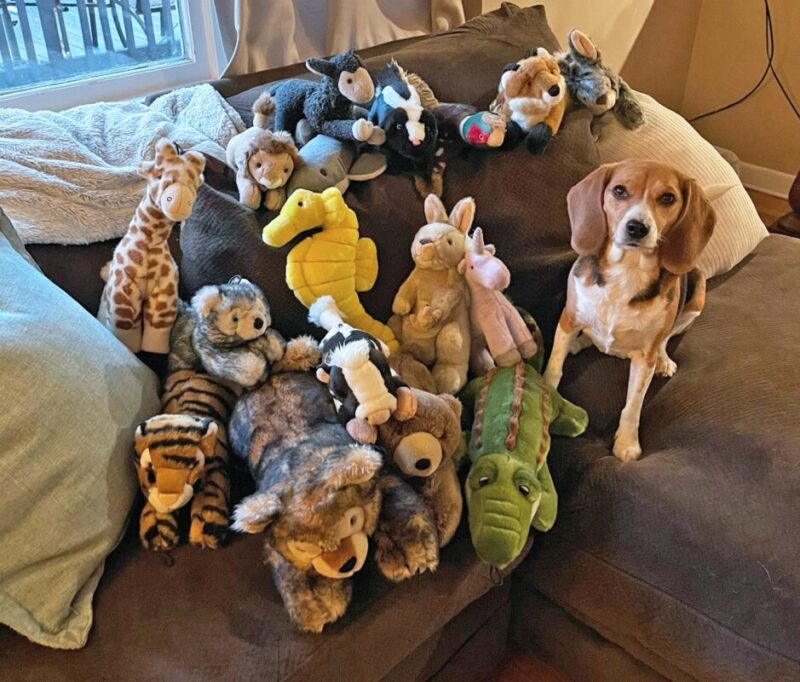
Image Source: www.northpointpets.com
Discovering the Right Toy Amount
Finding the perfect number of toys for your dog is a journey. There is no one-size-fits-all answer. Each dog is unique. What works for one dog may not work for another. We will explore key factors to help you decide.
Factors Shaping the Ideal Number of Dog Toys
Many things play a part in finding the ideal number of dog toys. Think about your dog’s personal traits. These traits help you pick the right amount of toys.
- Dog’s Age: Puppies have different needs than adult or senior dogs. Puppies explore more. They chew a lot. Senior dogs might prefer softer toys. They may play less often.
- Breed and Energy Level: A high-energy Border Collie needs many ways to burn off steam. They might need more interactive or puzzle toys. A low-energy Basset Hound might be happy with fewer, simpler toys. They still need mental and physical activity.
- Play Style: Does your dog love to chew? Do they enjoy fetching? Do they like to cuddle soft toys? A chewer needs durable chew toys. A fetcher needs balls. A cuddler needs plush toys.
- Living Space: Do you live in a small apartment? A big house with a yard? Less space means fewer toys on display. It can lead to clutter quickly.
- Dog’s Personality: Some dogs get bored fast. They need variety. Others have a favorite toy. They might ignore all others. Watch your dog’s behavior. See what makes them happy.
- Presence of Other Pets: If you have more than one dog, toy sharing can be an issue. You might need more toys to prevent fights. Or you might need to manage toy access.
Why Too Many Toys Can Be a Problem
It might seem nice to give your dog many toys. But having too many dog toys can lead to problems. It can hurt your dog’s joy. It can also cause issues for you. Let’s look at why less can be more when it comes to toys.
Signs Your Dog is Overwhelmed by Toys
How can you tell if your dog has too many toys? Your dog might show clear signs. Pay attention to these behaviors. They tell you your dog feels overwhelmed.
- Loss of Interest: Your dog might ignore most of their toys. They may walk past a pile of toys without picking one up. They show little excitement when you offer a toy. This means the toys have lost their special appeal.
- Resource Guarding: A dog with too many toys might start guarding them. They might growl or snap if you come near their toys. This happens when they feel a need to protect their items. It can be a safety risk.
- Anxiety or Stress: A cluttered play area can make a dog anxious. They might pace. They might pant. They might have trouble relaxing. Too much choice can be stressful.
- Mess and Clutter: Your home becomes a toy junkyard. Toys are everywhere. You trip over them. This is not just a human problem. It makes your dog’s space less tidy. It can make playtime less fun.
- Damaging Toys Faster: If a dog has too many choices, they might pick a different toy every few minutes. They might chew on one toy for a short time. Then they move to another. This can lead to faster wear and tear on all toys. No single toy gets the focused play it deserves.
- Lack of Value: When something is always available, it loses its worth. Toys are no different. If your dog has too many toys out all the time, they do not value any of them much. They do not get excited about playtime.
The Magic of Toy Rotation
Toy rotation is a powerful tool. It keeps playtime fresh and exciting. It helps prevent boredom. It also gives toys a longer life. The dog toy rotation benefits are clear.
How to Rotate Dog Toys
Toy rotation is simple. You only keep a few toys out at a time. The rest are put away.
- Divide and Conquer: Group your dog’s toys into 2-4 sets. Each set should have a mix of toy types. Include chew toys, puzzle toys, and fetch toys.
- Display a Few: Choose one set of toys. Place these toys where your dog can easily get them. Aim for 3-5 toys available at a time. This is the “appropriate dog toy amount” for active play.
- Store the Rest: Put the other sets of toys out of sight. A closet, a storage bin, or a drawer works well. Make sure your dog cannot get to them.
- Switch Them Out: After a few days, or a week, swap out the current toys for a new set. Your dog will think these “new” toys are exciting. They will smell different. They will feel different. This renews interest.
Frequency of Toy Rotation
How often should you rotate toys? It depends on your dog.
- Every Few Days: For dogs who get bored easily, switch toys every 2-3 days.
- Weekly: For most dogs, once a week works well. This keeps things fresh.
- As Needed: If you notice your dog losing interest, rotate them sooner. If they are still happy with their current toys, wait a bit longer.
Toy rotation saves you money. You buy fewer new toys. It also keeps your dog more engaged. They will love their “new” toys again and again.
Building a Minimalist Dog Toy Collection
A minimalist dog toy collection is about quality, not quantity. It means having a smaller number of carefully chosen toys. These toys provide maximum joy and enrichment. This approach helps avoid the problems of too many toys.
The Core of a Quality Collection
When building a minimalist collection, think about function. What purpose does each toy serve? Aim for a variety of types. This meets all your dog’s play needs.
- Chew Toys: These are key for dental health and stress relief. Choose durable ones. Pick toys that match your dog’s chewing power. Examples include Kongs, Nylabones, or natural chews.
- Puzzle Toys: These challenge your dog’s mind. They make your dog think to get treats. Puzzle toys help with mental enrichment. They prevent boredom. Examples include treat-dispensing balls or snuffle mats.
- Interactive Toys: These are for play between you and your dog. Think fetch toys like balls or frisbees. Tug ropes are also great. These toys build your bond. They provide exercise.
- Comfort/Plush Toys: Some dogs love to cuddle. Soft toys offer comfort. They can be a source of calm. Make sure they are safe if your dog tends to rip and eat stuffing.
- Squeaky Toys: The sound can grab a dog’s attention. Use these for supervised play. Some dogs love the sound. Others might get too excited.
Benefits of a Smaller Collection
- Increased Value: Each toy becomes more special. Your dog gets more excited when a toy reappears.
- Less Clutter: Your home stays tidier. You trip over fewer toys.
- Easier Management: You spend less time picking up and cleaning toys.
- Better Focus: Your dog concentrates more on the toys they have. They learn to love them.
- Cost Savings: You buy fewer toys overall. You invest in better quality ones that last.
A minimalist dog toy collection truly is about having the right dog toy enrichment quantity. It’s not about having countless items. It’s about having the right items that serve a purpose.
Dog Toy Enrichment Quantity: More Than Just Number
The term “dog toy enrichment quantity” means more than just how many toys you have. It means how well your toys meet your dog’s needs. A large pile of boring toys offers little enrichment. A few well-chosen toys offer a lot.
How Toys Offer Enrichment
Toys are not just for fun. They serve vital roles in a dog’s life.
- Physical Exercise: Fetch toys, flirt poles, and tug ropes get your dog moving. This is crucial for their health and energy levels.
- Mental Stimulation: Puzzle toys make your dog think. They solve problems. This prevents boredom. It can tire them out more than physical exercise alone.
- Chewing Outlet: Chewing is a natural dog behavior. It helps keep teeth clean. It relieves stress. The right chew toys are vital.
- Emotional Comfort: Plush toys or soft blankets can provide comfort. They help dogs feel safe. This is especially true for anxious dogs.
- Bonding: Interactive play builds a stronger bond between you and your dog. It teaches them impulse control. It reinforces training.
The Right Balance for Enrichment
To ensure good enrichment, focus on variety, not just volume.
- Variety of Textures: Offer toys with different feels. Hard, soft, squeaky, crinkly.
- Variety of Purposes: Include toys for chewing, puzzles, fetching, and cuddling.
- Appropriate Size: Make sure toys are safe for your dog’s size. Too small can be a choking hazard. Too big can be hard to play with.
- Safety First: Always check toys for damage. Throw away broken toys.
- Engagement: The most enriching toy is one your dog actively plays with. If a toy sits untouched, it is not enriching.
Think of it this way: 5-7 high-quality, varied toys in rotation offer more enrichment than 20 random, worn-out toys lying around. This approach helps ensure an appropriate dog toy amount for true enrichment.
Puppy Toy Quantity Guide
Puppies have special needs. They are learning about the world. They are teething. A puppy toy quantity guide focuses on safety, chew relief, and early learning.
Key Toy Types for Puppies
Puppies explore with their mouths. They need toys that are safe and help with teething.
- Teething Toys: Look for rubber toys designed to soothe gums. These can be frozen for extra relief.
- Soft Plush Toys: For comfort and gentle play. Make sure they have no small parts that can be chewed off and swallowed.
- Small Chew Toys: Appropriate for puppy mouths. They should be durable enough not to break into small pieces.
- Puzzle Toys: Simple puzzle toys are great for puppies. They teach problem-solving. They keep a puppy busy.
- Balls (Appropriate Size): For fetch and early interaction. Make sure they are too big to swallow.
How Many Toys for a Puppy?
Start with a small number.
- 3-4 toys available at a time: This lets your puppy explore different textures and uses. It is enough variety. It is not overwhelming.
- Rotate frequently: Puppies get bored fast. Rotate their toys every day or two.
- Supervise Play: Always watch your puppy when they play. They might try to eat stuffing or small pieces. Remove any toy that breaks.
- Introduce New Toys Slowly: Add one new toy at a time. See how your puppy reacts. This helps them learn what each toy is for.
Puppies need a good range of toys. These toys should be safe and help them grow. As they get older, their toy needs will change.
Managing Dog Toy Overload
Do you feel like toys are taking over your house? Many pet owners face this. Managing dog toy overload is key for a happy home and a happy dog. It’s about decluttering and smart storage.
Decluttering Your Dog’s Toy Collection
This is the first step to gaining control. Be honest about what toys your dog truly uses.
- Gather All Toys: Collect every single dog toy from every corner of your home.
- Sort into Piles:
- Keep: Toys your dog loves and plays with often.
- Rotate: Toys your dog likes but does not need out all the time. These are for future rotations.
- Donate/Give Away: Toys in good condition that your dog never plays with. Maybe another dog will love them.
- Discard: Broken, ripped, or unsafe toys. Toys with missing parts. Toys that pose a choking hazard. Be ruthless here. Safety comes first.
- Clean Toys: Wash all the “keep” and “rotate” toys. Get rid of dirt, slobber, and germs. Check washing instructions for each toy.
Smart Storage Solutions
Once you have sorted, store toys wisely. This keeps them tidy and ready for rotation.
- Baskets or Bins: Use open baskets or bins for the toys currently in rotation. Place them in your dog’s main play area. Your dog can easily get to them.
- Closed Storage: Use lidded bins, drawers, or closets for toys waiting in rotation. This keeps them out of sight. It keeps them feeling “new” when you bring them out.
- Designated Spots: Teach your dog where their toys belong. Some dogs can learn to put their toys away!
- Vertical Storage: Use shelves or wall-mounted organizers if space is tight.
By actively managing your dog’s toy collection, you create a less cluttered home. You also ensure your dog gets more joy from each toy. This practice promotes a true minimalist dog toy collection.
Appropriate Dog Toy Amount: Tailoring to Dog Types
The appropriate dog toy amount changes greatly based on the dog. A senior dog has different needs than a high-energy adult. Let’s look at different dog types.
Puppies (0-12 months)
- Amount: 4-6 toys in active rotation. Have another 4-6 stored for rotation.
- Focus: Teething relief, safe chewing, introducing different textures and sounds, early interaction toys.
- Reason: Puppies need many outlets for chewing and energy. They get bored quickly. They are also learning. A variety helps them explore. Safety is paramount.
Adult Dogs (1-7 years)
- Low to Moderate Energy Breeds (e.g., Basset Hound, Greyhound, Bulldog):
- Amount: 3-5 toys in active rotation. Have 5-7 more stored for rotation.
- Focus: Durable chew toys, comfort toys, some interactive toys for walks/yard time.
- Reason: These dogs still need mental and physical activity. But they may not need as many high-energy toys. Quality chew toys are important.
- High Energy Breeds (e.g., Border Collie, Labrador, German Shepherd):
- Amount: 5-7 toys in active rotation. Have 8-10 more stored for rotation.
- Focus: Durable chew toys, puzzle toys, fetch toys, tug toys, toys that require mental work.
- Reason: These dogs need lots of ways to burn energy. Both physical and mental stimulation are vital. More variety helps prevent boredom and destructive behaviors.
- Anxious or Destructive Chewers:
- Amount: 5-8 toys in rotation. Focus on indestructible options.
- Focus: Very durable chew toys, puzzle toys that last, comfort toys if anxiety is present.
- Reason: These dogs need safe, strong outlets for their urges. Toys can help redirect destructive chewing.
Senior Dogs (7+ years)
- Amount: 2-4 toys in active rotation. Have 3-5 more stored.
- Focus: Softer toys, puzzle toys that are easy to use, gentle chew toys, comfort toys.
- Reason: Senior dogs may have sore joints or dental issues. They may not play as much. Comfort and gentle mental stimulation are often key. Avoid hard toys that could hurt their teeth.
This tailoring ensures that the “ideal number dog toys” truly fits your dog’s specific life stage and needs.
How Often to Buy Dog Toys
This is a common question. You do not need to buy dog toys all the time. Focus on quality, not frequent buying.
When to Replace Old Toys
- Damage: If a toy is torn, frayed, or broken, throw it away. Small pieces can be swallowed. This can cause choking or internal problems.
- Hygiene: If a toy cannot be cleaned properly, it is time for it to go. Toys collect dirt and bacteria.
- Loss of Function: If a puzzle toy no longer works or a squeaker stops squeaking, it might be time to replace it.
- Wear and Tear: Some toys are simply worn out. They might not be unsafe yet. But they offer little enjoyment.
When to Add New Toys
- Meeting New Needs: Is your dog growing? Are they chewing more? Do they need more mental challenge? Buy a toy that meets that new need.
- Replacing a Favorite: If a beloved toy is destroyed, getting a similar replacement is a good idea.
- Special Occasions: Birthdays or holidays are good times for a new toy.
- Introducing Novelty: Occasionally adding a truly new type of toy can be exciting. This is different from just replacing an old one. It offers a new play experience.
- Filling Gaps in Rotation: If you have a toy rotation system, you might buy a new toy to add to your stored collection. This keeps the variety fresh over time.
You don’t need a weekly trip to the pet store. Instead, buy new toys thoughtfully. Choose durable, safe options. This makes sure your money is well spent. This approach supports a “minimalist dog toy collection” ethos. It also helps in “managing dog toy overload.”
Conclusion
Finding the right number of toys for your dog is a journey. It is not about having the most toys. It is about having the right toys. The “ideal number dog toys” balances mental and physical needs with practicality. Too many toys can lead to “too many dog toys problems.” These include disinterest and clutter.
Instead, embrace “dog toy rotation benefits.” Keep a small, active set of toys out. Store the rest. This makes old toys feel new. It keeps your dog engaged. Think about a “minimalist dog toy collection.” Focus on quality over quantity. Ensure your “dog toy enrichment quantity” meets your dog’s unique needs. This includes safe chewing and mental challenge. Remember the “puppy toy quantity guide” for young dogs. Be mindful of “managing dog toy overload” through smart sorting and storage. Lastly, know “how often to buy dog toys.” Replace broken items and add new ones only when needed.
By following these guidelines, you can create a joyful and enriching play environment for your dog. Your dog will be happier, and your home will be less cluttered.
Frequently Asked Questions (FAQ)
h4 Is it bad for a dog to have too many toys?
Yes, it can be bad. Too many toys can make a dog lose interest in playtime. It can also lead to guarding behaviors. It can create clutter in your home. This is one of the “too many dog toys problems.”
h4 How many toys should a puppy have?
A puppy should have about 3-4 toys out at a time. These should be safe, durable, and good for teething. Have another 3-4 toys in rotation. This helps meet their changing needs. This is part of the “puppy toy quantity guide.”
h4 How do you store dog toys?
Store toys in an open basket or bin for current use. Keep toys for rotation in a closed bin or drawer. This keeps them out of sight. It keeps them feeling “new” when you bring them out. This helps with “managing dog toy overload.”
h4 What are the benefits of dog toy rotation?
Dog toy rotation benefits include: keeping your dog interested in toys, preventing boredom, making toys last longer, and reducing clutter. It makes toys feel “new” when they reappear.
h4 What is an appropriate dog toy amount for an adult dog?
For an adult dog, 3-5 toys out at a time is often an “appropriate dog toy amount.” The exact number depends on their energy and play style. Always have more toys in a rotation system.
h4 How often should I buy new dog toys?
Buy new dog toys only when needed. Replace old toys that are broken, unsafe, or worn out. You can also buy new toys for special occasions. Or when your dog needs a different type of toy for enrichment. This answers “how often to buy dog toys.”
h4 How do I know if my dog is overwhelmed by toys?
Signs your dog is overwhelmed by toys include: ignoring most toys, guarding toys, showing anxiety, or a general lack of interest in play. Your dog might also chew toys quickly.