
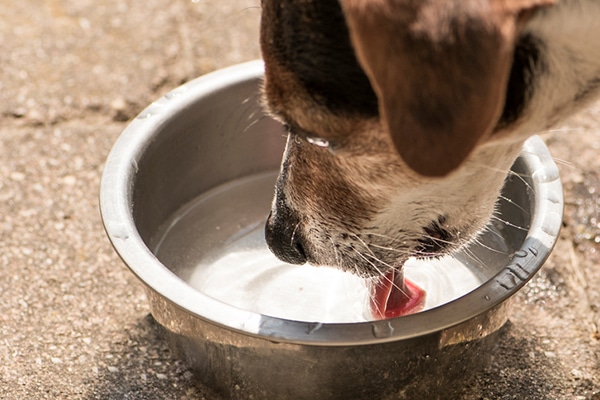
Image Source: www.dogster.com
Why Does My Dog Cough Every Time He Drinks Water: FAQ
A Common Concern: Coughing After Water
Many dog owners worry when their furry friends cough right after drinking water. It is a common sight. Dogs cough after drinking water for many reasons. Sometimes, they drink too fast. Other times, it means a deeper health issue. This can include problems like canine dysphagia (trouble swallowing). It might also point to more serious conditions. These include laryngeal paralysis dogs (a problem with the voice box) or megaesophagus in dogs (a wide food pipe). In some cases, coughing can even lead to canine aspiration pneumonia (a lung infection). This post will help you learn more about these causes. It will also help you know when to seek help for your beloved pet.
Simple Reasons for a Cough
Not every cough is a sign of a big problem. Sometimes, a dog coughs for simple reasons. These are often easy to fix at home.
Drinking Water Too Quickly
Dogs can be very thirsty. They might gulp water down very fast. When they drink too quickly, they can suck in air. They might also let water go down the wrong pipe. This pipe is for air, not water. It leads to a quick cough. The cough helps clear the windpipe. It is a natural reflex.
Signs of this type of cough are usually clear. It is a sudden, short cough. It often stops quickly. Your dog will seem fine right after. There are often no other signs of illness. This is a common cause for dog drinking water too fast.
Ways to Help:
- Slow Down Drinking: You can help your dog drink slower.
- Ice Cubes: Put a few large ice cubes in the water bowl. Your dog will lick the ice. This makes drinking slower.
- Smaller Amounts: Fill the bowl with less water at a time. This way, your dog cannot gulp a lot at once.
- Slow-Feeder Bowls: Some bowls have ridges or bumps inside. These make your dog work harder to get water. This slows them down. You can also put a large, clean rock in the bowl. This takes up space. It also makes your dog drink around it.
- Multiple Bowls: Have several water bowls around the house. This lets your dog drink small amounts more often. They might not feel the need to gulp.
Too Much Air While Drinking
When dogs drink fast, they often take in a lot of air. This air can make them burp. Sometimes, it can make them cough. The air can cause a small irritation in the throat. This leads to a mild cough.
This is usually not a big worry. The cough goes away fast. It is just like when people drink too fast and get air in their throats. Your dog will act normal right after. Watch for other signs if the cough keeps happening or gets worse.
When the Cough Means More
Sometimes, a cough is not just from drinking fast. It can be a sign of a health issue. These issues can range from mild to serious. It is good to know what to look for.
Grasping Dog Gagging After Drinking
A dog gagging after drinking is a strong sound. It sounds like your dog is trying to get something out of its throat. It can be scary to hear. This sound can happen for many reasons.
- Fast Drinking: Just like a cough, gagging can happen from drinking too fast. Water might irritate the back of the throat.
- Something in the Throat: Sometimes, a small piece of food or grass could be stuck. Even a hairball can cause gagging.
- Throat Pain: If your dog has a sore throat, drinking water might hurt. This can make them gag.
- Underlying Health Issues: Gagging can be a sign of something more serious. It might be related to problems with the esophagus (food pipe) or larynx (voice box).
When to Worry:
- It keeps happening: If your dog gags often after drinking.
- Other signs: If your dog also seems sick. This includes no energy, not eating, or weight loss.
- Difficulty breathing: If the gagging makes it hard for your dog to breathe.
- Vomit or Regurgitation: If your dog brings up water or food after gagging.
Link to Dog Choking on Water:
Gagging is different from true choking. When a dog choking on water, they cannot breathe. They might struggle. They might turn blue. This is an emergency. Gagging means the dog can still breathe, but it is trying to clear its throat. However, frequent gagging can be a risk for actual choking or aspiration if the dog has other swallowing issues.
Deciphering Canine Dysphagia
Canine dysphagia is a medical term. It means your dog has trouble swallowing. This can be food, water, or even saliva. It is not a disease itself. It is a sign of another problem. The problem can be anywhere from the mouth to the throat.
Signs of Canine Dysphagia:
- Dropping Food: Your dog might drop food while eating.
- Coughing or Gagging: They cough or gag when eating or drinking.
- Swallowing Issues: They might seem to try to swallow many times.
- Eating Slowly: It takes a long time to eat a meal.
- Weight Loss: Because they cannot eat or drink well.
- Bad Breath: Food stuck in the throat can cause bad breath.
- Ptyalism (Drooling): More drool than normal.
- Nasal Discharge: Food or water coming out of the nose.
Causes of Canine Dysphagia:
Many things can cause dysphagia.
* Mouth Problems: Issues with teeth, gums, or the tongue.
* Throat Problems: Inflammation, tumors, or nerve damage.
* Muscle Weakness: Muscles used for swallowing might be weak.
* Foreign Objects: Something stuck in the throat.
Need for Vet Help:
If you think your dog has dysphagia, see your vet right away. A vet must find the cause. They will do a full check-up. They might do X-rays. Or other tests. Fixing the cause of dysphagia is key to help your dog eat and drink safely.
Interpreting Laryngeal Paralysis Dogs
Laryngeal paralysis dogs is a health issue. It affects the larynx. The larynx is also called the voice box. It is at the top of the windpipe. It has small folds of tissue. These folds open wide when your dog breathes in. They close when your dog swallows. This keeps food and water out of the lungs.
With laryngeal paralysis, these folds do not open or close well. They stay partly closed. This makes breathing hard. It also makes swallowing water tricky. Water can go into the windpipe. This causes coughing.
How it Affects Drinking:
When a dog with laryngeal paralysis drinks, the voice box may not close fast enough. Water can then “go down the wrong pipe.” This irritates the airway. The dog coughs strongly to clear it. This puts them at risk for lung infections.
Signs of Laryngeal Paralysis:
- Loud Breathing: Your dog might make a harsh, panting sound. Especially when hot or active.
- Voice Changes: The bark might sound hoarse. Or it could be softer.
- Gagging: They might gag often, especially after eating or drinking.
- Coughing When Drinking: This is a key sign.
- Exercise Intolerance: They get tired easily. They do not want to play as much.
- Bluish Gums: In severe cases, they might not get enough oxygen. Their gums can look blue. This is an emergency.
Breeds at Risk:
This problem often affects older, bigger dogs. Labrador Retrievers, Golden Retrievers, and Setters are common breeds to get it.
Vet Steps:
If you see these signs, see your vet. A vet can do a special check. They will look at the voice box. They might do an X-ray of the chest. Surgery can help some dogs. It helps the voice box open wider. This makes breathing and swallowing easier.
Exploring Megaesophagus in Dogs
Megaesophagus in dogs means the food pipe (esophagus) gets too wide. It loses its normal muscle tone. It cannot push food and water to the stomach well. Instead, food and water sit in the wide pipe. They can then flow back up. Or, worse, they can go into the windpipe. This leads to coughing.
How it Affects Drinking:
Normally, muscles in the esophagus push food and water down. With megaesophagus, these muscles do not work. Water collects in the widened esophagus. When the dog lowers its head, the water can easily come back up. It can then be inhaled into the lungs. This causes a cough.
Signs of Megaesophagus:
- Regurgitation: This is a key sign. Your dog spits up food or water. It is different from vomiting. Regurgitation is quiet. It happens without effort. The food usually looks undigested. It can happen hours after eating.
- Weight Loss: Because food and water do not reach the stomach.
- Bad Breath: Food stuck in the esophagus can cause bad breath.
- Coughing After Eating or Drinking: A very common sign. It happens because food or water goes into the lungs.
- Lethargy: Your dog might seem tired. They have no energy.
- Muscle Wasting: Loss of muscle mass due to poor nutrition.
Management:
There is no cure for megaesophagus itself. But you can manage it. Special feeding ways are key. The goal is to use gravity. This helps food and water go down.
- Elevated Feeding: Feed your dog from an
elevated water bowl dog. This means the bowl is raised off the floor. Your dog eats and drinks with its head up. This lets gravity pull the food down. - Upright Position: Your dog must stay upright after eating and drinking. Keep them in a sitting or standing position for 10-15 minutes.
- The Bailey Chair: This is a special chair. It keeps your dog in an upright position while eating. And for a while after. It looks like a tall, narrow high chair for dogs. Many owners find it very helpful.
- Small, Frequent Meals: Give smaller meals more often. This is easier for the esophagus to handle.
- Wet Food: Softer, wetter food is easier to swallow than dry kibble. Some vets suggest making a slurry (a thin liquid mix) of food.
Always talk to your vet about megaesophagus. They will help you make the best plan for your dog. This condition needs careful care.
Serious Health Risks
Sometimes, a cough after drinking is a warning. It can point to a very serious health problem.
Fathoming Canine Aspiration Pneumonia
Canine aspiration pneumonia is a very serious lung infection. It happens when food, water, or vomit goes into the lungs instead of the stomach. The lungs are not meant to have these things in them. Bacteria are often carried with the inhaled material. These bacteria then cause an infection in the lungs.
Why It Is Serious:
The lungs are vital for breathing. An infection in the lungs can make it very hard for your dog to breathe. It can spread fast. If not treated quickly, it can be deadly.
Signs of Aspiration Pneumonia:
- Hard Breathing: Your dog might breathe fast or with effort. Their sides might move a lot.
- Deep, Wet Cough: This cough often sounds wet. It can bring up phlegm.
- Fever: Your dog might have a high body temperature.
- No Energy: They seem very tired. They do not want to move or play.
- Not Eating: They lose their appetite.
- Pale or Bluish Gums: A sign of not getting enough oxygen. This is an emergency.
- Nasal Discharge: Mucus might come from the nose.
How it Relates to Drinking:
Conditions like laryngeal paralysis or megaesophagus greatly raise the risk of aspiration pneumonia. When water goes down the wrong pipe often, it can lead to this infection. Even severe cases of dog drinking water too fast can lead to it, though less common. Any dog that often coughs, gags, or seems to choke on water is at risk.
Emergency Care:
If you see signs of aspiration pneumonia, get to your vet right away. This is an emergency. Your vet will take X-rays of the chest. They will give antibiotics. They might also give oxygen or fluids. Early and strong treatment is very important.
Other Cough-Like Sounds
Sometimes, a sound that seems like a cough is not a cough at all. It is important to know the difference.
Comprehending Reverse Sneezing Dogs
Reverse sneezing dogs is a common sound. It can be startling to hear. It sounds like the dog is inhaling strongly and quickly. It can sound like a loud snort. People often confuse it with choking or a cough. But it is not.
What It Is:
A reverse sneeze happens when there is an irritation in the back of the throat or nose. The dog quickly pulls air in through its nose. This makes a loud, snorting sound. The dog usually stands still. Its neck might extend. Its eyes might bulge a bit.
Why It Happens:
Many things can trigger a reverse sneeze.
* Irritation: Dust, pollen, or strong smells.
* Excitement: Being very happy or playing hard.
* Eating or Drinking Quickly: Sometimes, drinking water too fast can irritate the throat. This can cause a reverse sneeze.
* Tight Collar: A collar pulling on the throat.
Is It Serious?
No. Reverse sneezing is usually not serious. It passes quickly. It lasts only for a few seconds to a minute. The dog is fine after. They return to normal behavior.
How to Help:
* Stay Calm: Do not panic. Your dog will pick up on your fear.
* Gently Rub Throat: Lightly rub your dog’s throat. This can help them swallow. Swallowing often stops the sneeze.
* Cover Nostrils: You can briefly cover your dog’s nostrils. This makes them swallow. This can also stop the sneeze.
If reverse sneezing happens very often, or if your dog seems sick otherwise, talk to your vet.
Helping Your Dog Drink Safely
There are many simple ways to help your dog drink water without coughing.
Simple Changes to Water Bowls
- Slow Down Bowls: These bowls have built-in obstacles. They make your dog drink slower. You can also put a large, clean, non-toxic rock or a few ice cubes in a regular bowl. This makes your dog work around them. This naturally slows drinking.
- Smaller Water Amounts: Fill the bowl with less water at a time. This prevents your dog from gulping a lot at once. You can refill it often.
- Ice Cubes: Many dogs love to lick ice cubes. This is a very slow way for them to get water. It is also fun for them.
- Water Source: Some dogs do better with a water fountain. The moving water might entice them to drink more often. It also allows them to lap at a smaller stream of water. This can help slow them down.
The Role of an Elevated Water Bowl Dog
An elevated water bowl dog is a bowl that sits off the floor. It is raised on a stand.
When It Helps:
* Neck Pain: For some dogs, reaching down to a floor bowl causes neck or joint pain. An elevated bowl means less bending. This can make drinking more comfortable.
* Megaesophagus: For dogs with megaesophagus in dogs, an elevated bowl is often a must. It helps gravity pull the water down the food pipe. It is part of keeping them upright while drinking.
* Large Breeds: Taller dogs might find it more comfortable to drink from a raised bowl.
When It Might Not Help:
* Fast Drinkers: For some dogs that drink very fast, an elevated bowl can make it worse. They might gulp even more easily.
* Risk for Bloat: Some studies suggest that elevated bowls might increase the risk of bloat (GDV) in certain deep-chested breeds. However, research is mixed on this. It is best to discuss this with your vet.
Talk to Your Vet:
Always ask your vet if an elevated water bowl dog is right for your dog. Your vet knows your dog’s health needs best. They can give you the best advice.
When to Seek Expert Help
Knowing when to see a vet is very important. A veterinary consultation dog cough can save your dog’s life. Do not wait if you see certain signs.
The Need for a Veterinary Consultation Dog Cough
You should call your vet right away if:
- Coughing is New or Gets Worse: A cough that just started, or one that is getting stronger or more frequent.
- Coughing Happens Often: If your dog coughs after drinking water more than a few times a day.
- Dog Seems Sick: If your dog has no energy, is not eating, has a fever, or seems weak.
- Dog Has Trouble Breathing: If you see fast breathing, noisy breathing, or your dog seems to struggle for air.
- Coughing Leads to Gagging or Choking Often: If your dog regularly gags or struggles to breathe after drinking. This can lead to serious lung problems.
- Weight Loss: If your dog is losing weight without trying.
- Nasal Discharge: If water or food comes out of your dog’s nose.
- Voice Changes: If your dog’s bark sounds different.
What a Vet Does:
When you visit the vet for a dog cough:
* Physical Exam: The vet will listen to your dog’s lungs and heart. They will check your dog’s mouth and throat.
* X-rays: The vet might take X-rays of your dog’s chest. This helps them see the lungs and esophagus. They can check for canine aspiration pneumonia or megaesophagus in dogs.
* Fluoroscopy: This is a special X-ray that shows swallowing in real time. It can help see canine dysphagia or laryngeal paralysis dogs.
* Blood Tests: These can check for infection or other health problems.
* Laryngoscopy: For laryngeal paralysis dogs, the vet may need to look directly at the voice box. They do this while your dog is lightly sedated.
Your vet will find the real cause of the cough. They will make a plan for your dog. This plan might include medicine, changes in diet, or even surgery.
Prevention and Ongoing Care
A little care every day can go a long way.
Daily Watchfulness
- Watch Your Dog: Pay attention when your dog eats and drinks. Notice if they gulp, cough, or gag.
- Notice Small Changes: Is your dog more tired? Is their breathing different? Are they eating less? Small changes can be early signs of a problem.
- Keep Water Clean and Fresh: Always provide clean, fresh water. Change the water daily. Clean the bowl often.
Regular Vet Visits
- Check-ups: Take your dog for regular vet check-ups. These visits help catch problems early.
- Talk About Worries: Never hesitate to talk about any worries with your vet. Even small things can be important. They can give you peace of mind.
Frequently Asked Questions (FAQ)
Q: Can a dog get water in its lungs from drinking too fast?
A: Yes. If a dog drinks too fast, water can go down the windpipe instead of the food pipe. This can cause coughing. If it happens often, or if a lot of water goes into the lungs, it can lead to serious problems like canine aspiration pneumonia.
Q: Is dog gagging after drinking serious?
A: It can be. If it happens once, it might be just from drinking too fast. If it happens often, or if your dog seems sick, it is a sign of a problem. Frequent dog gagging after drinking could point to canine dysphagia or other issues. See your vet to be safe.
Q: How do I know if my dog has laryngeal paralysis?
A: Signs include loud breathing, a change in your dog’s bark, and coughing when drinking. Your dog might also seem tired easily. They might not want to exercise. A vet must do a special check to know for sure. This often means looking at the voice box while the dog is sedated.
Q: What is the best bowl for a dog that coughs when drinking?
A: A slow-feeder bowl can help. These bowls have ridges to make your dog drink slower. Some dogs benefit from an elevated water bowl dog, especially if they have megaesophagus in dogs or neck pain. Or, simply add large ice cubes to a regular bowl. Always ask your vet what is best for your dog’s specific needs.
Q: Can stress cause a dog to cough after drinking?
A: Stress itself does not directly cause coughing from drinking. But a stressed or very excited dog might drink water very fast. This fast drinking could then lead to a cough. The cough is from the fast drinking, not the stress itself.
Q: My dog gags, but no water comes up. What does that mean?
A: This could be a mild dog gagging after drinking from drinking fast. It might be due to a slight irritation in the throat. Or it could be a sign of canine dysphagia, meaning your dog is struggling to swallow properly. If it happens often, or if your dog seems unwell, a vet visit is a good idea. They can find out why your dog is gagging.
Final Thoughts
A dog coughing after drinking water can be a simple thing. Or it can be a sign of a major health problem. Paying close attention to your dog’s habits is key. Simple changes in their water bowl can often help. But if the coughing is frequent, severe, or comes with other sick signs, do not wait. A prompt veterinary consultation dog cough is the best step. Your vet can find the true cause. They can help your dog live a healthier, happier life.