
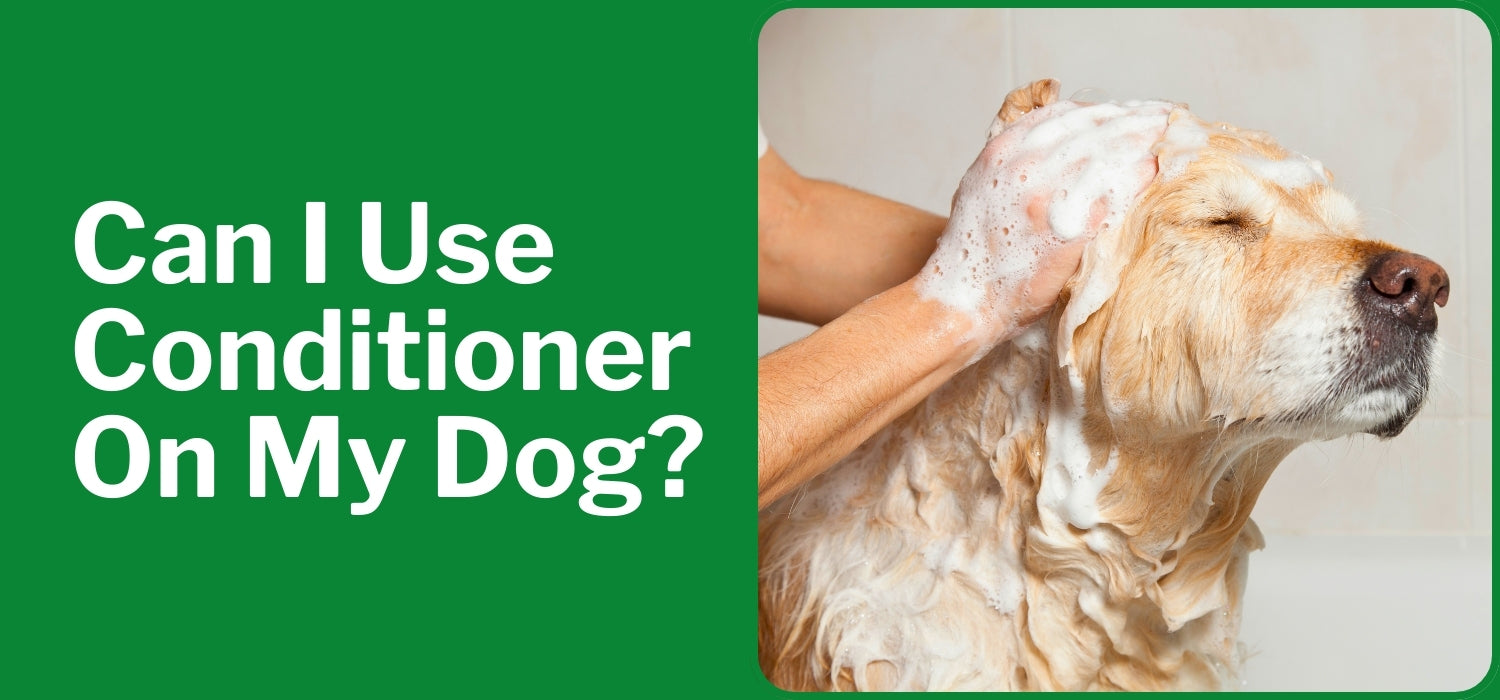
Image Source: thedogdoctors.co.uk
So; Can I Put Conditioner On My Dog? The Truth Revealed!
No, you should not use human conditioner on your dog. Using products made for people on your dog can cause harm. Yes, you should use a conditioner made just for dogs. Dog-specific conditioners are safe and good for your pet’s skin and fur. They are made to match your dog’s unique needs. This helps keep their coat healthy and shiny.
Why Human Conditioner Is Bad for Dogs
You might think, “Conditioner is conditioner, right?” Wrong. Human and dog skin are very different. This means their needs for hair products are also very different. Using human conditioner on your dog can lead to serious problems. These problems include skin irritation, dryness, itching, and even infections.
Skin Differences: A pH Story
Think of pH as a measure of how acidic or basic something is. This measure goes from 0 to 14. A pH of 7 is neutral. Anything below 7 is acidic. Anything above 7 is basic, or alkaline. This pH level is very important for skin health.
Human skin has a pH level that is usually between 5.2 and 6.2. This makes our skin slightly acidic. This slight acidity helps protect our skin from germs and keeps it moist. Our conditioners are made to work with this pH level.
Dog skin is different. A dog’s pH level is usually between 6.2 and 7.4. This means a dog’s skin is more neutral than human skin. Some dog breeds might even have skin that is a bit basic. This higher pH level is normal for dogs.
When you use human conditioner on a dog, you put an acidic product on their more neutral skin. This upsets the natural balance of their skin. It can strip away natural oils. This makes their skin dry and flaky. It can also make their skin more open to bacteria and fungi. This can lead to itching, rashes, hot spots, and skin infections. Keeping the correct pH balance for dog skin is key for their health.
Harmful Human Conditioner Ingredients
Human conditioners often have many ingredients that are bad for dogs. These ingredients might make our hair feel soft and smell nice. But they can be very toxic or irritating to a dog’s skin. Dogs also lick their fur. This means they can swallow these harmful ingredients.
Here are some common human conditioner ingredients to avoid dog conditioner:
- Artificial Fragrances: These are often chemicals that can cause skin reactions. Dogs have a much stronger sense of smell than humans. Strong scents can bother their noses and even lead to breathing issues. If your dog licks them, they can cause upset stomachs.
- Dyes and Artificial Colors: These add no benefit to the conditioner. They are just for looks. They can cause skin irritation and allergic reactions in dogs.
- Sulfates (like Sodium Lauryl Sulfate – SLS): While more common in shampoos, some conditioners might contain them. These are harsh cleaning agents. They strip away natural oils from the skin and fur. This leads to dryness and irritation.
- Parabens: These are chemicals used as preservatives. They stop bacteria from growing in products. But some studies suggest parabens might affect hormones. They are best avoided for pets.
- Phthalates: These chemicals make fragrances last longer. Like parabens, they are linked to health issues. They should not be on your dog’s skin.
- Propylene Glycol: This is a wetting agent. It can be irritating to sensitive skin.
- Ethanol and Isopropyl Alcohol: These alcohols can dry out the skin and cause irritation.
- Strong Preservatives (like Formaldehyde-releasing agents): These can be very harsh and cause allergic reactions.
Table: Bad Ingredients in Human Conditioner and Their Effects on Dogs
| Ingredient Category | Why It’s Bad for Dogs |
|---|---|
| Artificial Fragrances | Cause skin irritation, strong smell bothers dogs, tummy upset if licked. |
| Dyes / Artificial Colors | Lead to skin allergies, rashes, and unnecessary chemical exposure. |
| Sulfates (SLS, SLES) | Strip natural oils, cause dry and itchy skin, irritation. |
| Parabens | May affect dog hormones, potential long-term health risks. |
| Phthalates | Linked to hormone problems, bad for overall health. |
| Propylene Glycol | Can irritate sensitive skin and mucous membranes. |
| Alcohols | Dry out skin and fur, cause flakiness and itching. |
| Harsh Preservatives | Trigger allergic reactions, skin irritation, and dryness. |
These chemicals are not safe for your dog’s skin. They are also not safe if your dog licks them off their fur. This is why human conditioner safe for dogs is a myth. Always choose products made just for pets.
Why Dog-Specific Conditioner Is Best
Now that we know what not to use, let’s talk about what works. Dog-specific conditioners are made with your dog’s unique skin and coat in mind. They help keep your dog healthy and comfortable.
The Benefits of Proper Canine Hair Care Products
Using a conditioner made for dogs offers many benefits. These products are designed to support your dog’s natural skin barrier and coat health.
- Moisture and Hydration: Dog conditioners put moisture back into the skin and fur. This is very important, especially after shampooing. It helps prevent dryness and flakiness.
- Softness and Shine: A well-conditioned coat is soft to the touch. It also has a healthy shine. This makes your dog look and feel great.
- Reduced Shedding: Conditioners help loosen dead fur. This makes it easier to brush out. Less dead fur means less shedding around your home.
- Easier Brushing and Detangling: Conditioners smooth the hair cuticle. This makes the fur less prone to tangles and mats. Brushing becomes much easier and less painful for your dog. This is great for detangling dog fur.
- Stronger Hair: Some conditioners have ingredients that strengthen the hair shafts. This can reduce breakage and promote healthy hair growth.
- Skin Protection: Many dog conditioners have soothing ingredients. These can calm irritated skin. They also help create a protective barrier against environmental irritants. This supports the pH balance dog skin needs.
- Deodorizing: Some dog conditioners have natural deodorizing agents. These help remove lingering odors from your dog’s coat. They leave your dog smelling fresh, but with scents safe for them.
These dog specific conditioner benefits make a huge difference in your dog’s comfort and appearance. They are part of proper canine hair care products.
Tailored Formulas for Your Dog’s Needs
Dogs come in all shapes, sizes, and coat types. A good dog conditioner knows this. There are many types of dog conditioners, each made for specific needs:
- Puppy Formulas: These are extra gentle. They are made for a puppy’s very sensitive skin and delicate fur.
- Sensitive Skin Formulas: For dogs prone to allergies or skin irritation. These often have soothing ingredients like oatmeal or aloe vera. They avoid common irritants.
- Anti-Itch Formulas: If your dog scratches a lot, these conditioners can help. They often contain anti-inflammatory ingredients to calm irritated skin.
- Deodorizing Formulas: For smelly dogs! These conditioners tackle odors at the source. They leave a fresh, clean scent that is safe for dogs.
- Hypoallergenic Formulas: For dogs with known allergies. These conditioners have very few ingredients. They avoid common allergens.
- Shed Control Formulas: These help release dead fur during the bath. This helps reduce shedding between baths.
- Detangling Formulas: For dogs with long or curly fur that mats easily. These conditioners make brushing much smoother.
- Brightening Formulas: For white or light-colored dogs. These help keep their fur looking bright and prevent yellowing.
Choosing the right type of dog conditioner is important. It ensures your dog gets the best care for their specific coat.
Picking the Best Conditioner for Your Dog
With so many choices, how do you pick the best one? Knowing what to look for can help you make a good choice.
Spotting a Good Dog Conditioner
When shopping for dog conditioners, read the labels carefully. Look for these signs of a good product:
- pH Balanced for Dogs: This is the most important factor. The label should state it is pH balanced for canine skin.
- Natural Ingredients: Look for conditioners with natural, soothing ingredients. Good examples are oatmeal, aloe vera, Vitamin E, shea butter, and coconut oil.
- Free of Harsh Chemicals: Check for “free from” claims. This means no sulfates, parabens, phthalates, artificial dyes, or strong fragrances.
- Veterinarian Approved/Recommended: This shows that the product meets high standards.
- No Added Perfumes: While a faint, natural scent is okay, strong perfumes should be avoided.
- Clear Ingredient List: The company should be open about what is in their product.
- Reputable Brand: Choose brands known for making quality pet care products. Ask your vet for recommendations.
- Cruelty-Free and Eco-Friendly: Many brands now offer products that are kind to animals and the planet. This is a good bonus.
Finding the Best Dog Conditioner for Dry Skin
Dry, flaky skin is a common problem for dogs. It can cause a lot of discomfort and itching. If your dog has dry skin, choosing the right conditioner is key. The best dog conditioner for dry skin will focus on adding moisture and soothing irritation.
Look for conditioners that contain:
- Oatmeal: Colloidal oatmeal is a classic skin soother. It helps calm itching and reduce inflammation.
- Aloe Vera: Known for its healing and moisturizing properties. It can cool irritated skin.
- Vitamin E: An antioxidant that helps protect skin cells and promotes healing. It also helps with moisture.
- Essential Fatty Acids (Omega-3s and Omega-6s): These fatty acids are vital for skin health. They help build the skin’s natural barrier. Some conditioners include them in topical form.
- Glycerin: A humectant, meaning it draws moisture from the air into the skin and fur.
- Hyaluronic Acid: Another powerful humectant that helps skin retain moisture.
- Coconut Oil: A natural emollient that can moisturize and add shine.
- Shea Butter: Rich in vitamins and fatty acids, it deeply moisturizes and softens.
Avoid conditioners with drying ingredients like alcohol or strong detergents. These will only make dry skin worse.
Conditioners for Detangling Dog Fur
Long-haired or curly-haired dogs often get tangles and mats. A good detangling conditioner can make brushing much easier and less painful. When looking for conditioners for detangling dog fur, seek out ingredients that smooth the hair cuticle. This helps the fur glide past itself.
Key ingredients for detangling include:
- Silicones (safe, dog-specific): Look for pet-safe silicones like dimethicone or cyclomethicone. These create a smooth, slippery coating on the hair. This reduces friction and prevents tangles. They are different from harsh silicones found in human products.
- Silk Proteins: These can bond to the hair shaft, making it smoother and stronger. They add shine and reduce frizz.
- Argan Oil: A natural oil rich in Vitamin E and fatty acids. It deeply moisturizes and adds slip to the fur.
- Coconut Oil: Helps to smooth the hair and provide lubrication for detangling.
- Shea Butter: Adds rich moisture and helps coat the hair, making it softer and easier to comb.
- Panthenol (Vitamin B5): Helps to moisturize and strengthen the hair. It also improves elasticity, making hair less likely to break.
A good detangling conditioner will allow your brush or comb to pass through the fur more easily. This reduces pulling and discomfort for your dog. Using these products alongside regular brushing is the best way to prevent mats.
How to Use Dog Shampoo and Conditioner Correctly
Using the right products is only half the battle. Knowing how to use dog shampoo and conditioner correctly is just as important. Proper technique ensures your dog gets the full benefit. It also prevents skin issues from product residue. These pet grooming conditioner tips will help.
Step-by-Step Bathing Guide
Follow these steps for a safe and effective bath and conditioning session:
- Pre-Bath Brush: Before any water touches your dog, brush their coat thoroughly. This helps remove loose fur and tangles. Mats hold water and product. They become tighter and harder to remove once wet.
- Gather Supplies: Have everything ready before you start. This includes dog shampoo, dog conditioner, towels, a non-slip mat for the tub, and cotton balls for ears.
- Wet Thoroughly: Use lukewarm water. Make sure your dog’s coat is completely wet down to the skin. Work slowly and gently.
- Shampoo Application: Apply a small amount of dog shampoo. Work it into a lather, massaging it all over your dog’s body. Be careful around their face. Use a damp cloth for their face.
- Rinse Shampoo Completely: This is very important. Rinse until all suds are gone and the water runs clear. Shampoo residue can irritate the skin.
- Conditioner Application: Now, apply the dog conditioner. Read the label for how much to use and how long to leave it on. Spread it evenly through the coat. For longer coats, work it in sections.
- Allow Soaking Time: Most conditioners need a few minutes to work. This lets the ingredients get into the fur and skin. Keep your dog calm during this time.
- Rinse Conditioner Completely: Rinse your dog’s coat even more carefully than the shampoo. Any conditioner left behind can attract dirt, cause irritation, and make the coat greasy. Rinse until the fur feels “squeaky clean.” This means there is no slippery feel left.
- Towel Dry: Gently squeeze excess water from the fur. Then use a soft, absorbent towel to pat your dog dry. Rubbing too hard can cause tangles.
- Blow Dry (Optional): If your dog has a thick coat, you might use a dog-specific blow dryer on a cool or low heat setting. Keep the dryer moving. Never use a human hair dryer on high heat. This can burn your dog’s skin.
Following these steps ensures proper dog shampoo and conditioner use.
Important Pet Grooming Conditioner Tips
Here are extra tips for a better grooming experience:
- Never Leave Conditioner On Too Long: Follow the product directions. Leaving conditioner on for too long can lead to skin irritation or a greasy coat.
- Rinse, Rinse, Rinse! This cannot be stressed enough. Most skin problems after bathing come from poor rinsing. If you think you’ve rinsed enough, rinse for another minute.
- Consider Your Dog’s Coat Type for Bath Frequency: Some dogs need baths often, like active outdoor dogs. Others only need them every few months. Over-bathing can strip natural oils. Talk to your vet or groomer if you are unsure.
- Use a Comb or Brush During Rinsing (for long coats): For dogs with long or thick coats, gently comb or brush their fur while rinsing out the conditioner. This helps ensure even product distribution and thorough rinsing. It also starts the detangling process while the hair is slippery.
- Protect Ears and Eyes: Place cotton balls gently in your dog’s ears to prevent water from getting in. This helps avoid ear infections. Be very careful to keep shampoo and conditioner out of their eyes. If it gets in, rinse with plenty of water.
- Use a Non-Slip Mat: This keeps your dog safe and calm in the tub. It prevents slips and falls.
- Make it Positive: Use treats and praise. Make bath time a happy time for your dog. This makes future baths easier.
- Check Water Temperature: Always use lukewarm water. Test it on your inner wrist to make sure it’s not too hot or too cold.
By following these pet grooming conditioner tips, you can give your dog a healthy, happy bath.
More Ways to Care for Your Dog’s Coat
Conditioning is just one part of keeping your dog’s coat healthy. A truly healthy coat comes from a mix of good habits.
Regular Brushing: The Foundation
Brushing your dog’s coat is probably the most important thing you can do between baths. It does so much more than just make them look neat.
- Removes Loose Fur: Regular brushing pulls out dead hair. This means less fur shedding around your house.
- Prevents Mats and Tangles: For dogs with longer fur, daily brushing stops knots from forming. Mats can be painful and lead to skin issues.
- Spreads Natural Oils: Brushing helps spread the natural oils from your dog’s skin all over their coat. These oils moisturize the fur. They also keep the skin healthy.
- Improves Circulation: The brushing motion can stimulate blood flow to the skin. This promotes healthy hair growth.
- Bonding Time: Brushing is a great way to spend quality time with your dog. It strengthens your bond.
- Checks for Issues: When you brush, you can check your dog’s skin for bumps, cuts, fleas, ticks, or dry patches. Catching these early helps your vet treat them fast.
Choose the right brush for your dog’s coat type. A slicker brush works well for many coats. A de-shedding tool can help with heavy shedding breeds.
Good Food for a Healthy Coat
What your dog eats greatly affects their coat and skin health. A dull coat or flaky skin can be signs of a poor diet.
- Omega-3 and Omega-6 Fatty Acids: These are key for healthy skin and a shiny coat. Look for dog foods that include sources like fish oil, flaxseed, or sunflower oil. Many vets recommend adding fish oil supplements.
- High-Quality Protein: Protein is the building block of hair. Make sure your dog’s food has a good source of animal protein. Examples are chicken, beef, or fish.
- Vitamins and Minerals: A balanced diet with enough vitamins (like A, E, and B vitamins) and minerals (like zinc) is vital. These support skin cell health and hair growth.
Always choose high-quality dog food. Talk to your vet about the best diet for your dog. They can also suggest supplements if needed.
Natural Remedies for Dog Coat Health
Beyond conditioners, some natural remedies can help keep your dog’s coat healthy. Always talk to your vet before trying new remedies, especially if your dog has allergies or health issues.
- Coconut Oil (External): A small amount of pure, virgin coconut oil can be rubbed into dry patches of skin or lightly massaged into the coat. It moisturizes and adds shine. Ensure your dog doesn’t eat too much, as it can cause an upset stomach.
- Oatmeal Baths: For itchy or irritated skin, an oatmeal bath can be very soothing. Grind plain, unflavored oatmeal into a fine powder. Add it to lukewarm bath water or make a paste to apply to irritated areas.
- Apple Cider Vinegar (Diluted Rinse): A highly diluted apple cider vinegar rinse (about 1 part ACV to 10 parts water) can help with shine and deter fleas. Use with care. Do not use on broken skin or open wounds. Rinse thoroughly afterward.
- Fish Oil Supplements: These are a great source of Omega-3 fatty acids. They can improve skin dryness and coat shine from the inside out. Always use a pet-specific fish oil and follow your vet’s dosage advice.
- Flaxseed Oil: Another source of Omega-3s. It can be added to food.
- Egg Yolk: Some people add a raw egg yolk to their dog’s food once a week. Egg yolks are rich in biotin and fatty acids, which are good for coats. However, be aware of the small risk of salmonella. Only use fresh, high-quality eggs.
Table: Natural Aids & Their Uses for Dog Coat Health
| Natural Aid | Primary Benefit(s) | How to Use (Always consult vet first) |
|---|---|---|
| Coconut Oil | Moisturizes skin, adds shine, soothes dry spots | Rub small amount into coat/skin, or add tiny bit to food. |
| Oatmeal (Colloidal) | Calms itchy/irritated skin, reduces inflammation | Use in bath water or make a paste for irritated areas. |
| Apple Cider Vinegar | Adds shine, mild flea deterrent | Highly diluted rinse (1:10 ratio with water), avoid broken skin. |
| Fish Oil | Improves skin dryness, enhances coat shine | As a supplement added to food, follow vet’s dosage. |
| Flaxseed Oil | Provides Omega-3s for skin and coat health | As a supplement added to food, follow vet’s dosage. |
| Egg Yolk | Rich in biotin for coat health, adds shine | Add raw egg yolk to food once a week (use fresh eggs). |
These natural remedies for dog coat care can be a great addition to your dog’s routine. But they should never replace proper vet care.
When to Ask for Help
Most minor skin and coat issues can be fixed with good grooming and diet. But sometimes, you need expert help.
- Persistent Itching or Rashes: If your dog keeps scratching, or has red, inflamed skin even with proper care, see your vet. It could be allergies, parasites, or a skin infection.
- Hair Loss or Bald Patches: Unusual hair loss needs a vet check.
- Dandruff or Dry Skin That Won’t Go Away: If your dog’s dry skin doesn’t get better with a good conditioner, a vet can find the cause.
- Strong Odor: A bad smell that doesn’t go away after a bath could mean a skin issue.
- Matted Fur That’s Too Hard to Remove: If your dog has severe mats, a professional groomer can often remove them safely. Trying to cut them yourself can be dangerous.
Your veterinarian can diagnose underlying health issues. A professional groomer can give specialized advice and care for your dog’s specific coat.
Final Thoughts on Canine Coat Care
So, can you put conditioner on your dog? Yes, but only conditioner made for dogs. Human conditioner is simply not safe or good for your furry friend. Dog-specific conditioners are designed to match your dog’s pH. They have ingredients that nourish their skin and fur.
A healthy coat is a sign of a healthy dog. It helps them stay comfortable and look their best. This health comes from a holistic approach. It includes:
- Using the right canine hair care products: Always choose pH-balanced, dog-specific shampoos and conditioners.
- Regular grooming: Daily brushing is key for preventing mats and spreading natural oils.
- A balanced diet: Good food provides the building blocks for healthy skin and fur.
- Professional care: Don’t hesitate to seek advice from your vet or a professional groomer for persistent issues.
By taking these steps, you will keep your dog’s coat shiny, soft, and healthy for years to come.
Frequently Asked Questions (FAQ)
Can I use baby shampoo on my dog?
No, you should not use baby shampoo on your dog. While baby shampoo is gentle, it is still made for human skin, which has a different pH than dog skin. Using it can upset your dog’s skin balance. This can lead to dryness and irritation. Always use a shampoo made for dogs.
How often should I condition my dog?
The frequency depends on your dog’s breed, coat type, and activity level. Many dogs benefit from conditioning every 4 to 8 weeks. Dogs with long, thick, or curly coats that mat easily might need it more often. Dogs with sensitive skin might need it less often. Ask your vet or groomer for advice specific to your dog.
What if my dog licks the conditioner?
If you use a dog-specific conditioner, it is generally safer if your dog licks a small amount. However, it’s best to rinse all product from their fur thoroughly. Any residue can still cause mild stomach upset if licked in larger amounts. Human conditioners are much riskier if licked due to harmful ingredients.
Can I use a leave-in conditioner on my dog?
Yes, but only use a leave-in conditioner made specifically for dogs. These products are designed to be left on the coat without rinsing. They often help with detangling and adding moisture between baths. Read the product instructions carefully.
Is human shampoo okay for dogs?
Absolutely not. Human shampoo is not okay for dogs. Just like human conditioner, human shampoo has a different pH level. It also contains harsh chemicals and fragrances that can strip natural oils. This causes skin irritation, dryness, and can lead to infections. Always use dog-specific shampoo.