
Image Source: www.dfordog.co.uk
How Deep Should You Bury A Dog: A Pet Owner’s Guide
Losing a beloved dog is heartbreaking. As you face this sad time, you might wonder about the best way to say goodbye. One common question is: “How deep should you bury a dog?” The answer is not simple. It depends on many things, like your dog’s size, your local laws, and even your soil type. Generally, for most dogs, you should aim for a grave at least 3 feet deep. This depth helps with safe backyard pet burial and keeps your pet undisturbed. We will explore pet burial depth requirements, how to choose the right animal grave dimensions, and offer home pet burial instructions to help you through this difficult task.
Grasping Legal Aspects of Pet Burial
Before you begin digging, it is very important to know your local laws. Dog burial legal depth varies greatly from place to place. Some areas have strict rules, while others are more relaxed. You might live in a city where burying a pet on your property is against the law. In other places, it might be fine, but with rules about how deep the grave must be or how far from water sources it needs to be.
Why Local Laws Matter
Local rules are in place for good reasons. They help protect public health and the environment. Burying a pet too close to water can cause problems. It can also attract wild animals if not done right. Ignoring these rules can lead to fines or make you remove your pet later. This would add more sadness to an already tough time.
Checking Your Area’s Rules
- Call your local animal control: They can tell you about pet burial laws in your town or county.
- Check with your city or county health department: They often have rules about burying animals.
- Look up zoning laws: Some areas have rules about burying anything on residential land.
- Speak to your vet: They might know about common practices or rules in your area.
It is wise to get this information first. This step makes sure you can bury your pet at home safely and legally.
Deciphering Ideal Pet Burial Depth Requirements
Once you know the rules, the next step is deciding the best depth. Pet burial depth requirements are not just about laws. They are also about making sure your pet stays peaceful and safe underground. A good depth stops other animals from digging up the grave. It also helps with odor prevention pet burial.
General Depth Rules
For most pets, a depth of 3 to 5 feet is often advised.
* Small pets (cats, small dogs): 2 to 3 feet deep can often work.
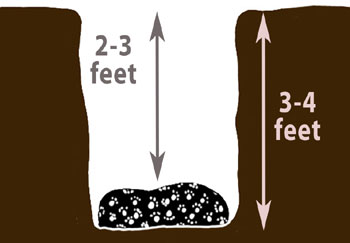
* Medium pets (most dogs): 3 to 4 feet deep is usually good.
* Large pets (very big dogs): 4 to 5 feet deep is best.
The goal is to have at least 2 to 3 feet of soil on top of the pet’s body. This top layer of soil is key for safety and odor control.
The Role of Pet Size
The size of your dog greatly impacts the animal grave dimensions. A tiny Chihuahua needs a much smaller, shallower grave than a large Great Dane. You need to dig a grave that is both wide and long enough for your dog to lie comfortably. Then you need to add the needed depth on top.
Table: Suggested Grave Dimensions by Pet Size
| Pet Size | Weight Range (Approx.) | Grave Length (Approx.) | Grave Width (Approx.) | Grave Depth (Approx.) |
|---|---|---|---|---|
| Small Dog | Up to 25 lbs | 2-3 feet | 1-2 feet | 2-3 feet |
| Medium Dog | 26-60 lbs | 3-4 feet | 2-3 feet | 3-4 feet |
| Large Dog | 61-100 lbs | 4-5 feet | 3-4 feet | 4-5 feet |
| Extra Large Dog | Over 100 lbs | 5-6 feet | 4-5 feet | 4-5 feet |
Note: These are general guides. Always add at least 2-3 feet of soil on top of the pet’s body.
Ensuring Safe Backyard Pet Burial
Burying your pet in your backyard can bring comfort. It lets them stay close to you. But it is very important to do it safely. Safe backyard pet burial means thinking about more than just depth. You need to pick the right spot, protect the grave, and avoid future problems.
Selecting the Right Spot
Choosing the burial site is very important.
* Away from water sources: Do not bury near wells, septic tanks, ponds, streams, or lakes. This stops harmful things from getting into the water. Keep a good distance, at least 100 feet, if possible.
* Away from utility lines: Before you dig, know where your pipes and wires are. Call 811 in the U.S. to mark underground lines. Digging into a power line or gas pipe is very dangerous.
* Away from trees: Tree roots can grow into the grave over time. They can disturb the body and make the ground uneven. Choose an open spot.
* A quiet, special place: Pick a spot that brings you peace. Maybe near a favorite plant or a place your dog loved to rest.
Ground Conditions and Digging Pet Grave Depth
The type of ground you have makes a big difference in how easy it is to dig and how well the burial works.
- Easy to dig: Loose, sandy soil is easier to dig. You might need to go a bit deeper, as it can shift more.
- Hard to dig: Clay-heavy soil or rocky ground is tough. It holds moisture, which can slow down decomposition. You might need strong tools.
- Wet soil: Avoid very wet or marshy areas. Water can cause smell and disturb the grave. It also slows down pet decomposition burial depth.
- Frozen ground: In winter, digging can be very hard or impossible. Consider waiting or choosing another option if the ground is frozen solid.
Digging pet grave depth needs a strong shovel. For larger dogs, a pickaxe might be needed for tough ground. Make sure the sides of the grave are straight and stable so they do not collapse while you are digging or placing your pet.
Preventing Animal Disturbance Burial
One of the biggest worries for pet owners is that other animals might dig up the grave. Preventing animal disturbance burial is key. The right depth is your first line of defense. But you can do more.
Adding Layers of Protection
- Heavy objects: Place heavy stones, rocks, or paving slabs over the filled grave. This makes it harder for animals to dig.
- Wire mesh or fence: Place a layer of strong wire mesh (like chicken wire or hardware cloth) over the top of your pet’s body before filling the grave. Extend it a bit past the edges of the grave. This acts as a barrier. You can also place it on top of the filled grave, just under the soil.
- Burying deeper: As noted, going deeper (4-5 feet) is a very good deterrent. Most scavengers will not dig that far down.
- Fencing the area: If possible, put a small fence around the burial site. This adds a visual and physical barrier.
Keeping Scavengers Away
Animals are often drawn by smell. Odor prevention pet burial is closely linked to preventing disturbance.
- Immediate burial: Bury your pet as soon as you can. This reduces any smell that might attract animals.
- Use a shroud or container: Wrap your pet in a blanket or place them in a biodegradable box. This helps contain any smell.
- Pack down the soil: Once the grave is filled, walk over it and tamp down the soil firmly. This removes air pockets that could let smell escape. It also makes the ground harder to dig.
- Cover with dense material: After filling, you can add a layer of something unpleasant to animals, like mulch mixed with cayenne pepper (though rain will wash it away). A simpler, safer method is just good depth and soil packing.
Interpreting Pet Decomposition Burial Depth
The depth of burial plays a big role in how your pet’s body breaks down. Pet decomposition burial depth is a natural process. Different depths and conditions affect how fast it happens.
How Depth Impacts Decomposition
- Oxygen levels: Deeper in the soil, there is less oxygen. Less oxygen means slower decomposition. This is good for keeping the grave undisturbed for longer.
- Temperature: Soil temperature is fairly stable deep down. It is cooler than the surface in summer and warmer in winter. Extreme temperatures at the surface can speed up or slow down decay.
- Moisture: Very wet soil slows down decay and can cause odors. Very dry soil can also slow it down. A moderate moisture level is best for natural breakdown.
- Microbes and insects: These tiny living things do most of the work. Deeper graves have fewer insects that might disturb the grave. Bacteria and fungi still work deep down.
The Soil Type Burial Depth Pet Connection
The type of soil you have impacts decomposition too. This means soil type burial depth pet is an important factor.
- Sandy soil: Drains well. It has more air, which can lead to faster decay if not deep enough. It is easy to dig.
- Clay soil: Holds water. It has less air. This can slow down decay but can also lead to bad smells if it gets too wet. It is very hard to dig.
- Loamy soil: A mix of sand, silt, and clay. It drains well but also holds some moisture and nutrients. This is often good soil for decomposition.
In heavy clay or very wet soils, you might want to consider going a bit deeper. This helps keep the body cooler and less likely to cause odor from too much moisture.
Compiling Home Pet Burial Instructions
Once you have decided on the depth and location, you are ready to carry out the burial. Follow these home pet burial instructions carefully. It is a sad task, but doing it right can bring a sense of closure.
Step-by-Step Guide
Gather your tools and materials:
- Strong shovel (and maybe a pickaxe if the ground is hard)
- Measuring tape
- Gloves
- Tarp or plastic sheet (to place removed soil on)
- Old blanket, towel, or pet bed (to wrap your pet)
- Optional: Biodegradable pet coffin or box
- Optional: Heavy stones or wire mesh for grave protection.
Choose the spot: As discussed, pick a safe and quiet place. Check for utility lines!
Dig the grave:
- Measure out the length and width needed for your dog.
- Start digging. Aim for vertical sides to prevent collapse.
- Dig deep enough. Remember to add 2-3 feet of soil on top of your pet’s body. For a medium dog, this means a total depth of 3 to 4 feet.
- Place the removed soil onto the tarp or sheet. This keeps your yard tidy.
Prepare your pet:
- Gently wrap your pet in their favorite blanket or a special cloth. This is a personal choice. Some owners place them in a biodegradable box.
- You might want to place a favorite toy or collar with them.
Place your pet in the grave:
- Carefully lower your pet into the grave. Take your time.
- Position them gently.
Add protective layers (optional but recommended):
- If using wire mesh, place it over your pet. Extend it beyond the edges of the grave.
- If you have heavy stones, you can put some on top of the mesh or directly over your pet.
Fill the grave:
- Start filling the grave with the removed soil.
- Fill in layers. As you add soil, lightly tamp it down with your shovel or feet. This removes air pockets. This is very important for odor prevention pet burial and preventing animal disturbance burial.
- Make sure the grave is mounded slightly at the top. The soil will settle over time.
Mark the grave:
- Place a large stone, a small marker, or plant a tree or bush over the grave. This helps you remember where your beloved pet lies. It also makes the spot clear for others.
What to Place in the Grave
It is best to keep what you put in the grave simple.
* Natural materials: Old blankets, natural cloth, biodegradable boxes. These break down well.
* Avoid plastics or non-biodegradable items: These will not break down and can harm the environment over time. They also take up space.
* Simple keepsakes: A small collar, a favorite soft toy (if made of natural materials). Avoid anything with batteries or metal that might not break down.
Considering Other Options
Home burial is not for everyone, or it might not be possible. There are other respectful ways to say goodbye.
Pet Cremation
Cremation is a common choice. Your pet’s body is turned into ashes. You can then keep the ashes in an urn, scatter them in a special place, or bury them in a much smaller space. This option avoids many of the issues of home burial, like digging or dealing with decomposition.
Pet Cemeteries
Many places have special cemeteries for pets. These offer a dignified burial service. Your pet gets a marked grave site, and you can visit. Pet cemeteries follow all laws and ensure proper burial depth and care.
Professional Services
Some veterinary clinics or pet funeral homes offer full services. They can handle transportation, burial, or cremation, and provide support. This can be a great help when you are grieving and cannot manage the practicalities yourself.
Navigating Grief and Remembrance
Burying your pet is a deeply personal act of love and goodbye. It is a time for grief. Allow yourself to feel sad.
- Create a memorial: The burial site itself becomes a memorial. You can add a special stone, a plant, or even a small statue.
- Share memories: Talk about your pet with family and friends. Look at photos.
- Seek support: Grief for a pet is real and valid. Do not feel ashamed. Pet loss support groups or online forums can help.
- Remember the love: Focus on the joy and love your pet brought into your life.
The act of burying your dog, done with care and thought, can be a final loving act. It helps you honor their life and begin to heal.
Frequently Asked Questions (FAQ)
Q1: Can I bury my pet in a plastic bag or container?
A1: No, it is best to avoid plastic. Plastic does not break down. It can trap gases and slow down decomposition. This can lead to odors and disturbance. Use a natural blanket or a biodegradable box instead.
Q2: What if I hit a pipe or wire while digging?
A2: Stop digging immediately. If you think you hit a utility line, call 811 (in the U.S.) or your local utility company right away. Always check for utility lines before you start digging to prevent this danger.
Q3: How long does it take for a pet’s body to decompose?
A3: It varies greatly. It depends on pet size, soil type, moisture, and temperature. A small pet in good soil might take a year or two. A very large pet in poor soil could take many years. This is why proper pet decomposition burial depth is important.
Q4: Can I bury more than one pet in the same grave?
A4: It is generally not recommended. Each pet needs enough space for proper decomposition and to keep the grave stable. If you must, ensure the grave is large enough for both animals side-by-side, with adequate depth above each.
Q5: Is it okay to bury my pet with a collar or tag?
A5: A simple collar or metal tag is usually fine. Most metal will not break down but will not cause problems. Avoid collars with large plastic parts or batteries.
Q6: What if my backyard soil is very rocky?
A6: Rocky soil can make digging very difficult. You might need a pickaxe or other heavy tools. If it is too hard, you might need to consider other options like cremation or a pet cemetery.
Q7: How can I tell if my local laws allow pet burial?
A7: The best way is to call your local animal control, city or county health department, or look up your specific city’s zoning laws online. Do this before you start digging.
Q8: Will burying my pet attract other animals to my yard?
A8: If done correctly at the proper pet burial depth requirements, it should not. A deep grave (3-5 feet), well-packed soil, and optional protective layers (like wire mesh or heavy stones) will prevent most scavengers from digging. Odor prevention pet burial is key here.