
Yes, you can get Giardia from your dog licking you, but it is not common. Giardia is a tiny bug. It lives in the gut of dogs and other animals. It can also live in people. This means giardia transmission dogs to humans can happen. Is giardia zoonotic? Yes, Giardia is zoonotic. This means it can spread from animals to people. It spreads through poop. If your dog licks your face after licking its bottom, or if its saliva has tiny bits of poop, then it can spread. This is rare for dog saliva giardia risk. Still, it is good to be careful.
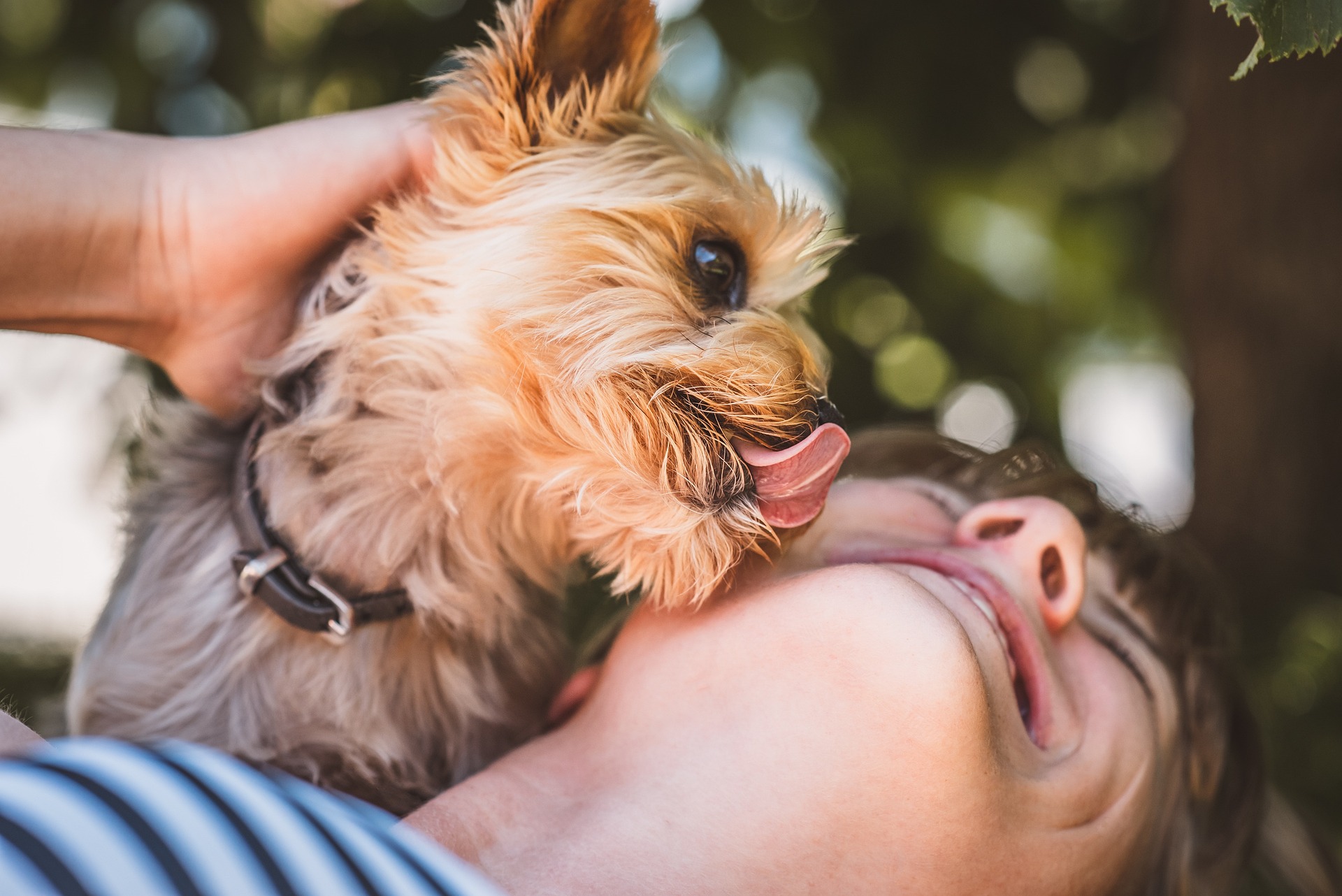
Image Source: vhd-wordpress-uploads.s3.amazonaws.com
Deciphering Giardia: What It Is
Giardia is a tiny parasite. It lives inside the guts of animals and people. It is so small you cannot see it. It is a type of single-celled bug. Giardia causes a sickness called giardiasis. This bug has two forms. One is a trophozoite. This form lives in the gut. The other is a cyst. The cyst is tough. It can live outside the body for a long time. Animals get Giardia when they eat these cysts. They eat them from dirt, water, or other things with poop on them.
The Lifecycle of Giardia
Giardia has a simple life. Here is how it works:
* Cysts are eaten: An animal or person eats Giardia cysts. These cysts are in water, food, or on surfaces. They get there from poop.
* Cysts become active: Once inside the gut, the cysts open. They become active forms. These are called trophozoites.
* Trophozoites attach: The trophozoites live in the small gut. They attach to the gut wall. They feed there.
* New cysts are made: The trophozoites make more cysts. These new cysts pass out of the body in poop.
* Spread continues: These cysts can then spread to others. This makes the cycle go on.
How Giardia Spreads Among Dogs
Dogs often get Giardia. They pick it up from their surroundings. Pups are more likely to get it. Dogs get Giardia in many ways.
Common Ways Dogs Get Giardia
- Drinking bad water: Dogs drink water from puddles. They drink from lakes or rivers. This water might have Giardia cysts.
- Eating poop: Some dogs eat other dog’s poop. Or they eat poop from wild animals. This is a common way to get it.
- Licking contaminated surfaces: A dog might lick the ground. It might lick grass where another dog pooped. If cysts are there, they can get them.
- Grooming themselves: A dog might lick its own fur. If cysts are on its fur from poop, it can swallow them.
- Being around infected dogs: Dogs in dog parks or kennels are at higher risk. They share spaces. They might play in areas with cysts.
Giardia Symptoms in Dogs
Some dogs with Giardia show no signs. They carry the bug. But they look fine. Other dogs get sick. Signs can be mild or bad.
Common Signs in Dogs
- Diarrhea: This is the main sign. The poop can be soft. It can be watery. Sometimes it looks greasy. It can have a bad smell.
- Weight loss: Dogs might lose weight. This happens even if they eat normally. The bug stops the gut from taking in food.
- Poor coat: Their fur might look dull. It might not be as shiny.
- Tiredness: Some dogs might seem less active. They have less energy.
- Vomiting: This is less common. But some dogs might throw up.
If you see these signs, take your dog to the vet. The vet can check for Giardia.
Giardia Symptoms in Humans
People can get Giardia too. The signs are much like those in dogs. They can range from mild to severe. Some people carry Giardia but never get sick.
Common Signs in People
- Diarrhea: This is the main human giardiasis from pets sign. It can be watery. It can be sudden. It can also last a long time.
- Gas: People often feel very gassy. They might burp a lot.
- Stomach cramps: Pain in the belly is common. It can be sharp or dull.
- Feeling bloated: The stomach might feel full and tight.
- Nausea: People might feel sick to their stomach. They might want to throw up.
- Weight loss: Like dogs, people can lose weight. They might not absorb food well.
- Tiredness: Feeling very tired is also a sign.
If you have these signs and your dog has Giardia, see a doctor. Tell your doctor about your dog.
Giardia Transmission Dogs to Humans: The Pathways
Now, let’s talk about how Giardia spreads from dogs to people. Remember, Giardia is zoonotic. This means it can cross species. Can humans catch giardia from dogs? Yes, they can. But it is not as easy as some think. The main way is through poop.
Direct Spread from Dog to Human
- Fecal-oral route: This is the chief way. It means tiny bits of poop get into a person’s mouth. This is not nice to think about. But it is how it happens.
- Touching poop: If you touch dog poop, then touch your mouth, you can get it. This is why hand washing is key.
- Contaminated surfaces: Your dog might step in poop. Then it walks in your house. The cysts get on floors or carpets. If a child plays there and puts hands in mouth, they can get sick.
- Licking: This brings us back to the title. If a dog licks its bottom and then licks your face, cysts could transfer. This is a very low risk for dog saliva giardia risk. Saliva itself does not carry the cysts. It needs to have tiny bits of poop. This is much less likely than other ways.
Indirect Spread to Humans
- Contaminated water: If your dog drinks bad water, it gets Giardia. Then it poops. Its poop can spread cysts. These cysts can then get into water for humans. This is a bigger risk in places with bad water systems.
- Contaminated food: Rarely, cysts can get on food. This can happen if a person does not wash hands. Or if food touches infected surfaces.
- Soil contamination: Dog poop can put Giardia cysts in the soil. If you garden, or children play in dirt, they could pick it up.
Dog Saliva Giardia Risk: How Big Is It?
This is a key question. People worry about dog kisses. Is a dog’s lick risky? For Giardia, the risk from just saliva is very low. Very, very low.
Why Dog Licking Is Low Risk for Giardia
- Cysts are in poop: Giardia cysts are in the dog’s poop. They are not in the dog’s saliva.
- Oral hygiene of dogs: Dogs lick many things. They lick their own bottoms. They might lick dirt. If they have poop on their fur or around their bottom, then lick your face, it is possible. But it is not common.
- Dilution effect: Even if a tiny bit of poop is on their tongue, it is diluted. The amount of cysts would be very small. It might not be enough to make you sick.
While the risk is low, it is still wise to be careful. Do not let dogs lick your face. Especially not children’s faces. Children are more at risk. They put their hands in their mouths often.
Human Giardiasis from Pets: Is It Common?
No, human giardiasis from pets is not very common. Many Giardia types exist. Scientists call them ‘assemblages’. Some assemblages only infect dogs. Some only infect people. Some can infect both.
Types of Giardia Assemblages
| Assemblage Type | Primary Host | Can Infect Humans? |
|---|---|---|
| A | Humans, Dogs | Yes |
| B | Humans, Dogs | Yes |
| C | Dogs | Rarely (if ever) |
| D | Dogs | Rarely (if ever) |
| E | Hooved animals | No |
| F | Cats | No |
| G | Rodents | No |
| H | Marine Mammals | No |
As you see, only Assemblages A and B cause cross-species giardia infection. These types can infect both dogs and humans. This means if your dog has Giardia type C or D, it cannot give it to you. But if your dog has A or B, it can. Vets do not usually test for the type of Giardia. So, it is best to assume your dog could pass it on. This makes it safer for everyone.
Can Humans Catch Giardia from Dogs: A Closer Look
Yes, humans can catch Giardia from dogs. But it does not happen often. Most human cases come from other humans. Or from bad water. Still, pets are a source.
Factors that Increase Risk
- Poor hygiene: Not washing hands after touching pets. Not washing hands after gardening. This is a big risk.
- Young children: Kids are more likely to get sick. They play on the floor. They put hands in their mouths. They are also closer to pets.
- Weak immune systems: People with weak bodies get sick more easily. This includes very old people. It also includes people with certain illnesses. Or those on some medicines.
- Close contact: Living in close quarters with an infected dog. Sharing beds. Letting the dog sleep near your face. These things raise the risk.
- Diarrhea in the dog: If your dog has diarrhea, it sheds many cysts. This makes spread more likely.
Cross-Species Giardia Infection: More Details
The idea of cross-species Giardia infection means the bug jumps from one kind of animal to another. For Giardia, this is true. But as we saw, not all types can jump. This is why vets and doctors often say the risk is low. It is not zero.
How Cross-Species Spread Happens
- Shared environment: Dogs and humans share homes. They share yards. If a dog poops in the yard, cysts can stay in the soil. Then a person can pick them up.
- Direct contact: The main worry is direct touching of poop. Or surfaces with poop.
- Water sources: If Giardia cysts get into shared water, both dogs and humans can get sick. This is a major source for large outbreaks.
Giardia Human Health Risk: How Serious Is It?
The Giardia human health risk is usually not severe. Most people get better on their own. But it can make you feel very sick. For some, it can be worse.
What Happens When People Get Giardia
- Acute illness: This means sudden sickness. Diarrhea, cramps, gas. It can last for weeks.
- Chronic illness: For some, the illness can last a long time. It can come and go. This is more common in people with weak immune systems.
- Malnutrition: The bug can stop your gut from taking in food well. This can lead to weight loss. It can make you lack important vitamins. This is more of a problem for kids.
- Dehydration: Diarrhea makes you lose water. This can be serious. Especially for kids and old people.
If you think you have Giardia, see a doctor. They can test your poop. They can give you medicine. Medicine helps you get better faster.
Dog Giardia Oral Transmission: How Dogs Get It
Dogs get Giardia mostly through their mouth. This is called oral transmission. They eat the cysts.
Ways Dogs Get Giardia Orally
- Eating poop: This is the most direct way. They find and eat poop from other animals.
- Drinking bad water: Puddles, ponds, creeks. If these have poop in them, they have cysts.
- Licking things: Licking dirty shoes. Licking grass. Licking their own dirty paws. Any surface with cysts can pass them on.
- Shared bowls: If an infected dog shares a water bowl, cysts can pass to other dogs.
This oral spread is how dogs get the infection. Then, they can pass it on through their own poop.
Preventing Giardia Spread from Pets: Smart Steps
Stopping Giardia spread is about good hygiene. It is about being careful. You can do a lot to keep your family safe.
Tips for Stopping Giardia Spread
- Clean up poop right away: This is number one. Scoop up dog poop. Do it as soon as your dog goes. Put it in a sealed bag. Throw it away. This stops cysts from spreading.
- Wash your hands often: Always wash hands with soap and water. Do this after touching your pet. Do it after cleaning up poop. Do it before eating. Do it before touching your face.
- Keep pets clean: If your dog has diarrhea, clean their bottom. This removes cysts from their fur. This helps stop them from licking and spreading it. A bath can help.
- Clean pet areas: Wash pet beds. Clean food and water bowls often. Use hot water and soap. You can also use a pet-safe cleaner.
- Stop licking: Do not let your dog lick your face. Do not let them lick open cuts. This is especially true for young kids. Teach kids not to get licked on the face.
- Control water sources: Do not let your dog drink from puddles. Do not let them drink from shared water sources. Bring your own water bowl.
- Treat infected pets: If your vet finds Giardia, treat your dog. Follow the vet’s instructions. Finish all medicine.
- Regular vet visits: Take your dog to the vet. They can check for parasites. This helps catch problems early.
Table: Giardia Prevention Checklist
| Action | Why it Helps |
|---|---|
| Pick up poop right away | Removes cysts from the environment. |
| Wash hands often | Stops cysts from entering your mouth. |
| Bathe dogs with diarrhea | Removes cysts from fur, lessens spread risk. |
| Clean pet bowls and beds | Kills any cysts left behind. |
| Avoid face licking by dogs | Reduces chance of indirect oral transfer. |
| Control dog’s water sources | Stops dog from getting Giardia in the first place. |
| Treat infected pets fully | Kills the parasite, stops shedding. |
| Regular vet check-ups | Finds infections early. |
Diagnosing and Treating Giardia
If you think your dog has Giardia, see your vet. If you think you have it, see your doctor.
For Dogs
- Diagnosis: The vet will check your dog’s poop. They look for the cysts. Sometimes, they use a special test. This test finds parts of the bug. It might take a few tests to find it. Cysts are not always in every poop sample.
- Treatment: Vets use special drugs. These drugs kill Giardia. Fenbendazole and metronidazole are common. Your vet will tell you how much to give. They will tell you for how long. It is important to finish all the medicine. Your dog might need another test after treatment. This makes sure the bug is gone.
For Humans
- Diagnosis: Doctors also check your poop. They look for cysts or other parts of the bug. They might ask for more than one sample.
- Treatment: Doctors give special drugs. Metronidazole, tinidazole, or nitazoxanide are common. Follow the doctor’s orders. Finish all medicine. Drink a lot of water. This helps with dehydration from diarrhea.
Living with a Giardia-Positive Dog
It can feel scary if your dog has Giardia. But you can manage it. You can keep your family safe.
Key Steps for a Giardia-Positive Dog
- Strict hygiene: This is the most important part. Wash hands. Clean surfaces. Pick up poop fast.
- Keep your dog clean: Bathe your dog. Focus on their bottom. This helps remove cysts from their fur.
- Separate bowls: Give your dog their own food and water bowls. Do not let other pets use them. Wash them very well.
- Limit public areas: Do not take your dog to dog parks. Do not take them to public areas. Do this until the infection is gone. This stops them from spreading Giardia to other dogs.
- Clean contaminated areas: If your dog pooped inside, clean it very well. Use a strong cleaner. Bleach diluted in water can kill Giardia. Test it first on a small spot.
- Re-test: After treatment, your vet will want to re-test your dog’s poop. This makes sure the Giardia is gone. Sometimes, dogs need more than one round of medicine.
By following these steps, you greatly lower the risk. You protect yourself and others.
Final Thoughts on Giardia and Your Dog
Giardia can be a bother. It can make pets and people sick. But knowing how it spreads helps. The risk from your dog licking you is low. The main risk is always from poop. By being clean, you keep everyone healthy. Love your dog. Just be smart about hygiene. This keeps your home safe and happy.
Frequently Asked Questions (FAQ)
Q: Can Giardia live on surfaces?
A: Yes, Giardia cysts are tough. They can live on surfaces. They can live in soil and water. They can live for weeks or months. This is why cleaning is important.
Q: How long does Giardia last in dogs?
A: It depends. Some dogs get rid of it on their own. Others need medicine. With medicine, most dogs get better in a few days to a few weeks. They need to finish all their meds.
Q: Is Giardia passed through the air?
A: No, Giardia is not airborne. It does not spread through the air. It spreads when cysts are eaten. It is not like a cold or flu.
Q: Can I get Giardia from touching my dog’s fur?
A: Yes, if your dog has diarrhea, cysts can get on their fur. Especially around their bottom. If you touch that fur and then your mouth, you can get it. This is why bathing and hand washing are important.
Q: What if my dog has Giardia and licks my baby?
A: This is a bigger worry. Babies and young children are more at risk. Their immune systems are still growing. They also put their hands in their mouths a lot. Try to stop pets from licking babies’ faces. Wash the baby’s hands and face if licking happens.
Q: Can my dog get Giardia again after treatment?
A: Yes, dogs can get Giardia again. They can pick it up from the environment. This is why prevention steps are key. Even after treatment, keep being careful.
Q: Does hand sanitizer kill Giardia?
A: No, most hand sanitizers do not kill Giardia cysts. Washing hands with soap and water is best. Rubbing hands for at least 20 seconds is important.