
Dogs get their first rabies shot as puppies, usually around 12 to 16 weeks old. After that, they need booster shots. These boosters are given either every year or every three years. The exact time depends on the type of vaccine used and local laws. Yes, the rabies shot is mandatory for dogs in almost all places due to public health safety laws. The rabies vaccine frequency for dogs is set by state and local rules. It makes sure dogs stay protected and do not spread this deadly disease.
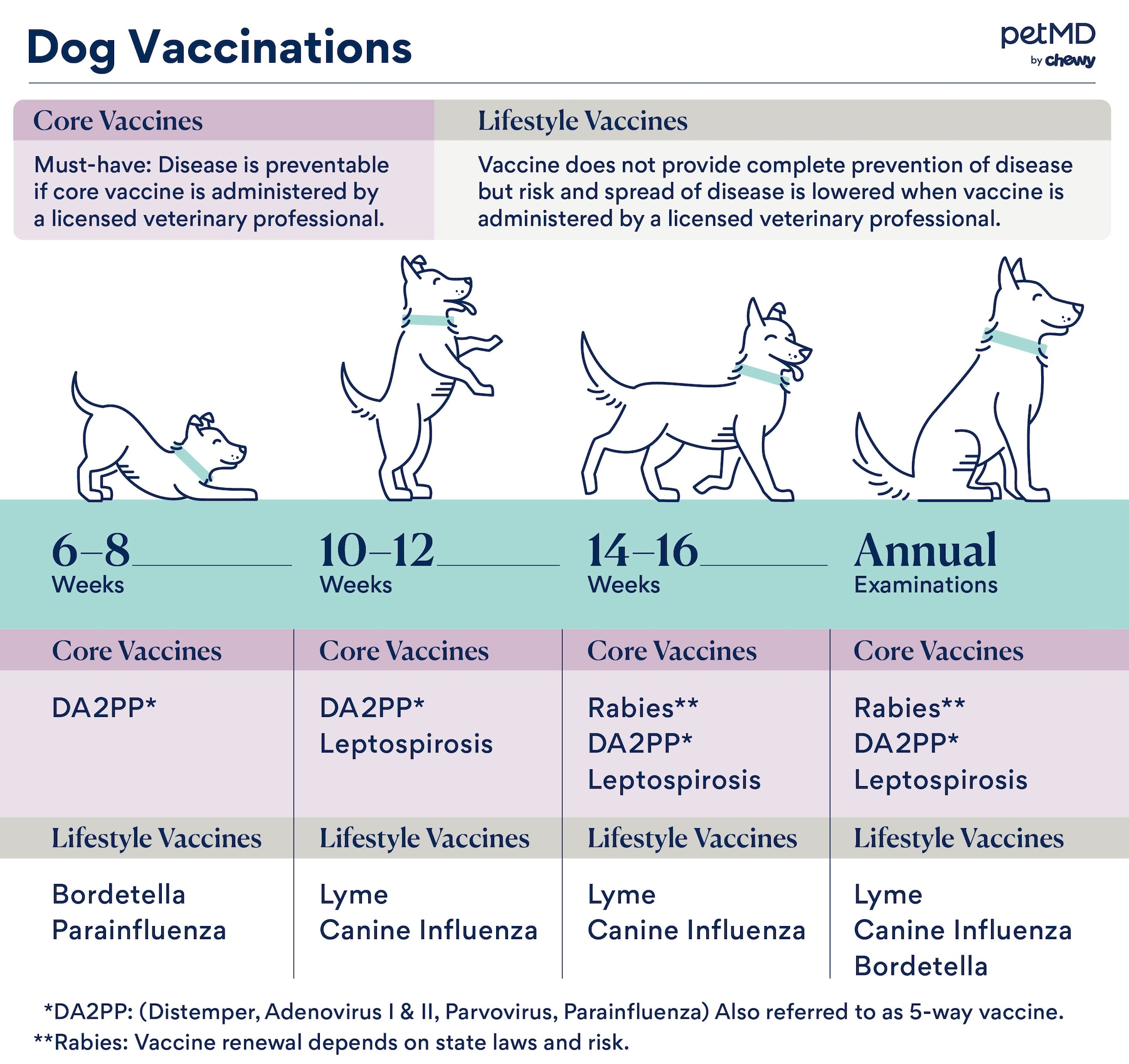
Image Source: image.petmd.com
Grasping Rabies: What It Is and Why It Matters
Rabies is a very serious disease. It attacks the brain and spinal cord. It can affect all mammals, including dogs, cats, wildlife, and even people. Once signs of rabies show, it is almost always fatal. This makes rabies a huge public health concern.
Rabies spreads through the saliva of an infected animal. This often happens from a bite. A rabid animal might act strange. It might be overly aggressive. Or it might be unusually friendly. It might also show signs like foaming at the mouth. These signs mean the virus is active and ready to spread.
The good news is that rabies is preventable. Vaccines are very effective. They teach the body to fight the virus. This stops the disease from taking hold. For dogs, getting their rabies shot is vital. It keeps them safe. It also protects their families and communities. Without the vaccine, a bite from a rabid animal could mean a death sentence. It also puts others at great risk.
The Rabies Vaccine: A Strong Shield
The rabies vaccine is a very important tool. It protects dogs from this deadly virus. It also helps stop the spread of rabies to people. The vaccine works by showing the dog’s body a tiny, safe part of the virus. This makes the dog’s immune system ready. If a real rabies virus enters the body, the immune system can fight it off. This prevents the dog from getting sick.
For a long time, scientists have worked to make rabies vaccines safe and effective. These vaccines have saved countless lives. They have greatly reduced rabies cases in many areas. This is true for both animals and humans. The vaccine is a simple shot. It is given under the skin. It is usually well-tolerated by dogs. Any side effects are usually mild. They might include soreness at the shot site. Or a slight fever. Serious reactions are very rare.
Puppy’s Initial Steps: First Rabies Shot Age
The first rabies shot for a puppy is a big event. It marks the start of their protection. So, what is the puppy first rabies shot age? Puppies typically get their first rabies vaccine when they are older than 12 weeks. Most vets give it between 12 and 16 weeks of age. This timing is important. Before 12 weeks, the puppy might still have antibodies from their mother. These antibodies could stop the vaccine from working well.
After this first shot, it is usually a waiting game. The vaccine needs time to work. It takes a few weeks for the puppy’s body to build up enough protection. During this time, it is wise to keep the puppy away from unknown animals. This helps keep them safe.
Key Points for Puppy Rabies Shot:
- Timing: 12 to 16 weeks old is the general rule.
- One Shot: Puppies usually get one shot for their first rabies vaccine.
- No Boosters Needed: The first rabies vaccine for puppies is often a single dose. It does not need a series of shots like other puppy vaccines. However, they will need a booster after one year.
- Legal Start: This first shot makes your puppy legally vaccinated against rabies in many places.
Your vet will help you decide the exact best time for your puppy’s first rabies shot. They will consider your puppy’s health and local laws. This first step is crucial for a healthy, protected life.
Standard Dog Rabies Shot Schedule
The rabies shot schedule for dogs is generally straightforward. But it does have some key differences. These differences mostly depend on the type of vaccine used. It also depends on local laws. Knowing the schedule helps you keep your dog protected. It also helps you follow the law.
After the initial puppy shot (given at 12-16 weeks), the next shot is a booster. This booster is given one year later. This is often called the “first annual booster.” It is a very important shot. It makes sure the vaccine protection is strong.
Vaccine Types and Their Schedules:
There are two main types of rabies vaccines for dogs. These are based on how long they protect:
1-Year Rabies Vaccine:
- This vaccine protects your dog for one year.
- After the puppy shot and the one-year booster, dogs given this vaccine need a shot every year. This is the annual rabies shot dog.
- This type might be used if your vet thinks it is best for your dog. Or if state laws require it.
3-Year Rabies Vaccine:
- This vaccine offers longer protection. It protects your dog for three years.
- After the puppy shot and the one-year booster, dogs given this vaccine need a shot every three years. This is the 3 year rabies vaccine for dogs.
- This is a very common choice. It means fewer shots for your dog over time.
Typical Dog Rabies Shot Schedule Table:
| Dog’s Age/Vaccine Stage | Vaccine Type | Frequency | Notes |
|---|---|---|---|
| Puppy (12-16 weeks) | First Rabies Shot | One single dose | First legal protection. |
| ~1 Year Later | Rabies Booster | One single dose | Essential to strengthen immunity. Often called the “first annual booster.” |
| After 1-Year Booster | 1-Year Rabies Vaccine | Every 1 year | Requires annual visits for rabies. |
| After 1-Year Booster | 3-Year Rabies Vaccine | Every 3 years | More common. Fewer shots over time. |
The actual rabies vaccine frequency for dogs comes down to your vet’s advice and where you live. Some areas may only allow 1-year vaccines. Other areas might allow both. Your vet will know the rules. They will also help you choose the best plan for your dog. This plan aims to make sure your dog is always safe and legally vaccinated.
Deciphering the Rabies Vaccine Validity Period
The validity period of a dog’s rabies vaccine is very important. It tells you how long your dog is protected. It also tells you how long they are legally compliant. The dog rabies vaccine validity period depends on the vaccine type. It also depends on the laws in your area.
Most rabies vaccines are either “1-year” or “3-year” vaccines.
The 1-Year Rabies Vaccine:
This vaccine type is valid for one year. This means your dog needs a booster shot every 12 months. This is often called the annual rabies shot dog. Some states or cities still require this type. They might do this even if 3-year vaccines are available. Check with your local animal control or vet to know the specific rules in your area.
The 3-Year Rabies Vaccine for Dogs:
This vaccine is valid for three years. It is a popular choice for many dog owners. It means fewer trips to the vet for rabies shots. Your dog gets a shot every 36 months. This vaccine is very effective. It gives long-lasting protection.
How the 3-Year Vaccine Works:
For a 3 year rabies vaccine for dogs to be valid for three years, a key rule applies. The dog must have had its initial puppy shot. Then, it must have had a booster shot about one year later. After that, any vaccine given will be considered a 3-year vaccine. If a dog gets its first rabies shot as an adult (not a puppy), that first shot might only be considered valid for one year. The next shot, given one year later, would then be the start of the 3-year cycle. This rule can be confusing. It is best to talk to your vet about it.
Factors Affecting Validity:
- Local Laws: As mentioned, some areas might still require annual shots. They might not accept a 3-year vaccine’s validity.
- First-Time Adult Vaccination: An adult dog’s first rabies vaccine is often only valid for one year. The 3-year validity starts with the next booster.
- Lapse in Vaccination: If your dog misses a shot, the validity period can change. They might need to restart with a 1-year validity period before getting a 3-year validity again. This depends on local rules.
Example Scenarios for Validity:
| Scenario | Puppy Shot (12-16 weeks) | 1-Year Booster | Subsequent Shots (Type) | Validity Period After Booster |
|---|---|---|---|---|
| Typical 3-Year Cycle | Yes | Yes | 3-Year Vaccine | 3 Years |
| Annual Requirement (Some Areas) | Yes | Yes | 1-Year Vaccine | 1 Year |
| Adult Dog’s First Shot | No | First Shot (1-Year) | 3-Year Vaccine | First shot: 1 Year; Next: 3 Years |
| Lapsed Vaccination (Rules Vary) | Yes/No | Re-vaccinated (1-Year) | 3-Year Vaccine | Often 1 Year, then 3 Years |
Always check your dog’s vaccine records. Your vet will provide a certificate. This certificate shows the vaccine type and its expiration date. This is your proof of valid vaccination. Keeping track of this is key. It keeps your dog safe and legal.
The Importance of Rabies Booster Shots for Dogs
Rabies booster shots for dogs are not just extra shots. They are vital. They keep your dog protected over time. The immunity from the first puppy shot or adult shot does not last forever. It slowly goes down. Booster shots “boost” the dog’s immune system. They remind it how to fight the rabies virus. This makes sure the dog stays safe.
Think of it like this: The first shot teaches the body to fight. Booster shots keep that fighting skill sharp. Without boosters, your dog’s protection could fade. This would leave them open to the deadly virus.
When Booster Shots are Given:
- After the Puppy Shot: As noted, a puppy gets its first rabies shot between 12 and 16 weeks. The very next rabies shot it gets is a booster. This shot is given one year later. This booster is crucial. It changes the vaccine’s validity from a puppy shot to a 1-year or 3-year cycle.
- Regular Intervals: After the one-year booster, dogs need regular boosters. These are either every year (if using a 1-year vaccine) or every three years (if using a 3-year vaccine).
Why Boosters are Non-Negotiable:
- Sustained Protection: Boosters ensure that your dog’s immunity remains strong. This keeps them safe from rabies exposure.
- Legal Compliance: In most places, rabies vaccination is required by law. Skipping boosters means your dog is not legally vaccinated. This can lead to fines or other problems.
- Public Health Safety: A vaccinated dog is a safe dog. It helps prevent rabies from spreading to other animals or people. Boosters help keep the community safe.
- Travel and Boarding: If you travel with your dog, or board them, proof of current rabies vaccination is almost always needed. Boosters ensure your dog meets these rules.
Your vet will remind you when your dog is due for a rabies booster shot. Make sure to follow their advice. Keeping up with boosters is a simple way to give your dog a long, healthy life. It also keeps everyone around them safe.
Rabies Vaccination: A Legal Requirement
Is rabies shot mandatory for dogs? Yes, in almost all parts of the United States and many other countries, rabies vaccination is required by law for dogs. This is not just a suggestion. It is a legal rule. These laws are in place for a very good reason. They protect public health. Rabies is a deadly disease. It can spread from animals to humans. Mandatory vaccination helps stop this spread.
Rabies vaccination laws for dogs vary slightly from place to place. While the core idea is the same (dogs must be vaccinated), the details can differ.
What Varies in Rabies Vaccination Laws:
- Vaccine Type Accepted: Some states or counties might only recognize a 1-year vaccine. Others will accept a 3-year vaccine.
- Grace Periods: Some areas might have a short grace period after a vaccine expires. Others have no grace period at all.
- Handling Lapsed Vaccinations: Rules differ on what happens if your dog misses a shot. Some might require a new 1-year validity period before a 3-year one can apply again.
- Licensing Requirements: Many places link rabies vaccination to dog licensing. You often cannot get a license without proof of current rabies vaccination.
- Response to Bites: If an unvaccinated dog bites someone, the outcome can be severe. It might mean strict quarantine. Or even euthanasia. For a vaccinated dog, the rules are often less harsh.
Consequences of Not Following the Law:
Not having your dog vaccinated against rabies can lead to serious problems:
- Fines: You can be fined by animal control.
- Legal Action: In some cases, more serious legal action might be taken.
- Quarantine: If your unvaccinated dog bites a person or another animal, it could be put in strict quarantine. This might happen at your cost.
- Euthanasia: In the worst cases, an unvaccinated dog that bites might be put down. This is done to check for rabies. This is a tragic outcome. It is why vaccination is so important.
- Limited Access: Many boarding kennels, dog daycares, and even some public parks require proof of current rabies vaccination.
Your vet is your best source for local rabies laws. They will make sure your dog gets the right vaccine at the right time. They will also provide you with a rabies certificate. This certificate is your official proof of vaccination. Keep it safe. You might need it for licensing, travel, or in case of an incident. Following these laws protects your dog. It also protects your community.
Factors Influencing Rabies Vaccine Frequency
The question “how often to vaccinate dog for rabies” does not always have one simple answer. While there are standard guidelines, several factors can influence the exact frequency.
1. Local and State Laws:
This is the biggest factor. Rabies vaccination is a legal matter. Each state, county, or even city can have its own specific laws.
* Some areas might only allow 1-year rabies vaccines. This means your dog needs a shot every year.
* Other areas allow 3-year vaccines. This means a shot every three years after the initial booster.
* Always check with your local animal control or veterinarian. They know the exact rabies vaccination laws for dogs in your area.
2. Type of Vaccine Used:
As discussed, the 1-year versus 3-year vaccine directly affects frequency.
* If your vet uses a 1-year vaccine, your dog will need an annual rabies shot dog.
* If they use a 3-year vaccine, the frequency becomes every three years (after the initial booster).
The choice often depends on legal allowance and your vet’s preference.
3. Dog’s Health and Age:
Sometimes, a vet might change the vaccine schedule based on your dog’s health.
* Very Young Puppies: Cannot be vaccinated too early (before 12 weeks).
* Very Old Dogs: Some senior dogs with serious health issues or weakened immune systems might get a special exemption. This is rare and must be approved by a vet. It is usually only if the risk of vaccination is greater than the risk of rabies exposure.
* Sick Dogs: A dog that is currently ill might have its vaccination postponed. It will be vaccinated once it recovers.
4. Dog’s Lifestyle and Exposure Risk:
While not a primary factor for legal frequency, a dog’s lifestyle can be a consideration.
* A dog that often interacts with wildlife might be at higher risk. Still, the legal frequency must be met.
* A dog that travels across state lines might need to meet different states’ requirements.
5. Travel and Boarding Requirements:
If you plan to travel with your dog, or use a boarding kennel, their rules might affect your schedule.
* Many facilities require rabies vaccination to be current. Some might even specify a 1-year vaccine, or that the vaccine not be expired by a certain date.
* International travel has very strict and often complex rabies vaccination rules. This can include blood tests (titers) and specific waiting periods.
Summary of Influencing Factors:
| Factor | How It Influences Frequency |
|---|---|
| Local Laws | Dictates if 1-year or 3-year vaccine is valid; sets legal intervals. |
| Vaccine Type | 1-year vaccine means annual shot; 3-year means every 3 years. |
| Dog’s Health/Age | Can cause postponement or, rarely, an exemption for very ill dogs. |
| Travel/Boarding Needs | May require stricter adherence to current vaccination or specific types. |
The best way to know how often to vaccinate dog for rabies is to consult your veterinarian. They have the most up-to-date information for your specific area. They can also advise based on your dog’s health.
Weighing the Risks and Side Effects
Rabies vaccines are very safe for dogs. Serious side effects are rare. Most dogs have no problems at all. Still, it is good to know what to watch for.
Mild Side Effects (Common, Usually Resolve Quickly):
- Soreness or Swelling at the Shot Site: Your dog might be a little tender where the shot was given. A small lump might form. This usually goes away in a few days.
- Low Energy or Tiredness: Your dog might seem a bit sleepy or less active for a day or two.
- Slight Fever: A mild fever is possible.
- Reduced Appetite: Your dog might not want to eat as much for a short time.
These mild reactions are signs that your dog’s immune system is working. They are normal. They usually do not need special care.
More Serious Side Effects (Rare, but Need Vet Attention):
- Allergic Reaction: This is very rare but can happen. Signs include:
- Swelling of the face, especially around the eyes or muzzle.
- Hives (itchy bumps on the skin).
- Vomiting or diarrhea.
- Trouble breathing.
- Collapse.
- These signs usually appear quickly after the shot. If you see any of these, get to a vet right away.
- Injection Site Sarcoma: This is an extremely rare type of tumor. It can form at the site of any injection, including vaccines. It is more commonly seen in cats, but very rarely in dogs. Vets try to give shots in areas where surgery would be easier if this happened.
Benefits Far Outweigh Risks:
It is important to remember that the risks of rabies itself are huge. Rabies is almost always fatal once symptoms show. The small risks from the vaccine are very low. The huge benefit of protecting your dog and community from rabies far outweighs these small risks.
Always talk to your vet about any concerns you have. They can help you understand the vaccine. They can also tell you what to expect after your dog gets their shot.
Keeping Rabies Records: Your Proof of Protection
Keeping good records of your dog’s rabies shots is very important. These records are your proof. They show that your dog is protected and legally vaccinated.
What to Keep:
- Rabies Vaccination Certificate: After each rabies shot, your vet will give you a certificate. This paper usually includes:
- Your dog’s name and description.
- The vaccine type (1-year or 3-year).
- The date the vaccine was given.
- The date the vaccine expires.
- The vet clinic’s information.
- The vaccine’s serial number.
- Vet Records: Your vet clinic also keeps these records. You can ask for a copy if you need one.
Why Records Are So Important:
- Legal Compliance: This is your primary proof that you follow rabies vaccination laws for dogs. You will need it for dog licensing in many areas.
- Travel: If you travel with your dog, especially across state lines or out of the country, rabies certificates are often required.
- Boarding and Daycare: Most boarding kennels, doggie daycares, and groomers will ask for proof of current rabies vaccination.
- Emergency Situations (Bites): If your dog bites someone, or is bitten by another animal, these records are crucial. They can prevent your dog from being put under strict quarantine. They might even prevent euthanasia in some cases. An unvaccinated dog bite often means serious consequences. A vaccinated dog bite usually means a shorter observation period.
- Peace of Mind: Knowing you have the records gives you peace of mind. You know your dog is safe and compliant.
Tips for Keeping Records:
- Physical Copy: Keep the paper certificate in a safe place. A file for pet records is a good idea.
- Digital Copy: Take a picture of the certificate with your phone. Or scan it and save it on your computer. This gives you a backup.
- Share with Caregivers: If someone else watches your dog, give them a copy of the certificate. This is helpful in an emergency.
Always get a new certificate after each rabies booster shot dogs receive. Check the expiration date. Mark your calendar for the next due date. Being prepared helps keep your dog healthy and avoids legal problems.
Partnering with Your Veterinarian
Your veterinarian is your best partner in keeping your dog healthy. This is especially true for rabies vaccination. They are the experts. They know the science behind the vaccines. They also know the rabies vaccination laws for dogs in your area.
How Your Vet Helps:
- Personalized Advice: Your vet considers your dog’s age, health, and lifestyle. They help decide the best dog rabies shot schedule for your specific pet. They will guide you on how often to vaccinate dog for rabies.
- Legal Compliance: Vets know the local rules. They will make sure your dog gets the correct vaccine type (1-year vs. 3-year). This ensures your dog is legally protected.
- Vaccine Administration: Vets give the shots safely. They also know how to handle any rare side effects.
- Health Check-ups: Rabies vaccination appointments are also a good time for a general health check. Your vet can spot other health issues early.
- Record Keeping: Your vet clinic keeps detailed records of your dog’s vaccinations. They provide you with the necessary rabies certificate.
- Answering Questions: Do you wonder about the 3 year rabies vaccine for dogs? Or why an annual rabies shot dog is sometimes needed? Your vet can answer all your questions clearly.
Open Communication is Key:
- Ask Questions: Do not be afraid to ask about anything. This includes side effects, cost, or validity periods.
- Share Information: Tell your vet if your dog has any health problems. Or if they had a bad reaction to a past vaccine. Also, tell them if you plan to travel.
- Schedule Appointments: Make sure to book your dog’s rabies booster shot dogs appointments on time. This keeps their protection current.
Working closely with your vet makes sure your dog gets the best care. It keeps them safe from rabies. It also helps you follow all the important laws.
Frequently Asked Questions (FAQ)
Here are some common questions about dog rabies shots:
Q1: How often does a dog get a rabies shot?
A1: After the first puppy shot (around 12-16 weeks), dogs need a booster one year later. After that, they get shots either every one year or every three years. This depends on the vaccine type and local laws.
Q2: Is the rabies shot mandatory for dogs?
A2: Yes, in almost all parts of the United States and many other countries, the rabies shot is a legal requirement for dogs. This is to protect public health.
Q3: What is the puppy first rabies shot age?
A3: Puppies usually get their first rabies vaccine between 12 and 16 weeks of age.
Q4: What is the difference between a 1-year and a 3-year rabies vaccine for dogs?
A4: A 1-year vaccine provides protection for one year. A 3-year vaccine protects for three years. The 3-year vaccine is generally used after the initial puppy shot and the one-year booster. Local laws dictate which is allowed or required.
Q5: What happens if my dog misses a rabies booster shot?
A5: If your dog misses a rabies booster shot dogs, they might no longer be considered legally vaccinated. The rules for lapsed vaccinations vary by location. Your dog might need a new 1-year vaccine. Then they would restart the 3-year cycle. Always contact your vet and local animal control immediately if a shot is missed.
Q6: What is the dog rabies vaccine validity period?
A6: The validity period is either one year or three years. It depends on the vaccine type given and the local laws. The certificate from your vet will show the expiration date.
Q7: Can a dog be too old or sick to get a rabies shot?
A7: In very rare cases, a vet might give a medical exemption for a dog that is extremely ill. Or a dog with a severe immune problem. This is uncommon. It must be discussed with and approved by your veterinarian. Most healthy older dogs can and should still be vaccinated.
Q8: Where can I find information about rabies vaccination laws for dogs in my area?
A8: Your best source is your local veterinarian. They have the most up-to-date information on state and local rabies laws. You can also contact your local animal control department.
Q9: What proof do I need that my dog is vaccinated?
A9: You need a rabies vaccination certificate. Your vet provides this after each shot. It shows the vaccine date, expiration date, and other important details. Keep this document safe.
Keeping Your Dog and Community Safe
Rabies vaccination is a simple yet very powerful way to protect your dog. It keeps them safe from a deadly disease. It also plays a critical part in public health. Knowing the dog rabies shot schedule is key. So is knowing the rabies vaccine frequency for dogs. Whether it’s the puppy first rabies shot age or the timing of rabies booster shot dogs need, stay informed. The choice between a 3 year rabies vaccine for dogs and an annual rabies shot dog depends on many things. Always consult your vet. They will guide you through the rabies vaccination laws for dogs. They will also ensure your dog’s rabies vaccine validity period is current. By keeping up with these important shots, you do your part. You ensure your beloved pet lives a long, healthy, and protected life.