
Understanding: Can You Get Dog Spayed While Heat Safely?
Yes, a dog can be spayed while she is in heat, but it is often riskier and more complex than spaying when she is not in heat. Most veterinarians prefer to wait until the heat cycle is over if possible. This is because a dog’s body goes through big changes when she is in heat. These changes make the surgery harder and raise the chance of problems. While it can be done, the decision always needs a careful talk with your vet. They will weigh the risks and benefits for your dog.
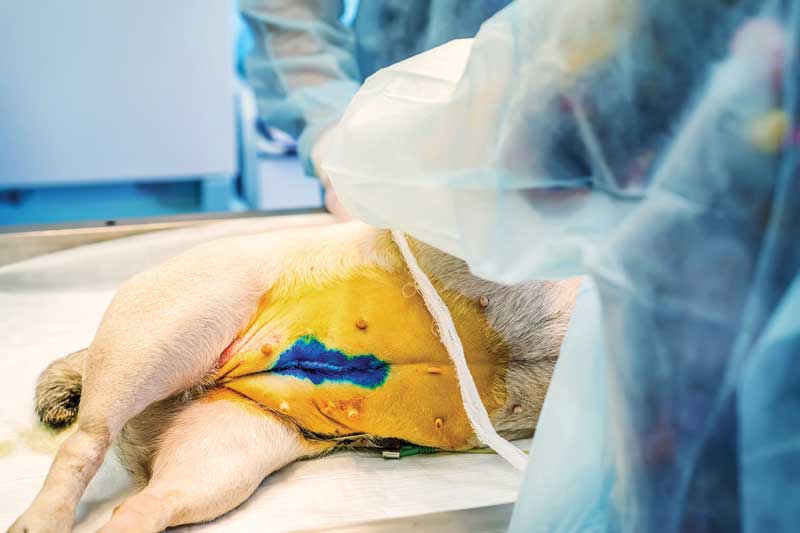
Image Source: www.veterinarypracticenews.com
Fathoming Spaying During Estrus
Spaying a dog means a surgery called an ovariohysterectomy. This surgery takes out the dog’s ovaries and uterus. It stops her from getting pregnant and having puppies. It also helps prevent many health problems. These include certain cancers and infections.
When a dog is “in heat,” it means she is ready to mate. This is part of her normal cycle. Her body changes a lot during this time. Blood flow to her reproductive organs increases. Tissues become softer and more swollen. These changes make spaying during heat more difficult for the vet. They also make it riskier for the dog.
The Dog’s Heat Cycle Explained
Knowing about your dog’s heat cycle is key. This helps you pick the best time for spaying. A female dog usually has her first heat cycle when she is 6 to 12 months old. Some smaller dogs might start earlier, around 5 months. Larger dogs might start later, even at 18 to 24 months. Dogs usually go into heat every 6 to 8 months. The cycle has four main stages.
Canine Estrus Cycle Stages
Each stage of the heat cycle has different signs. The length of each stage can change.
| Stage | What Happens | Average Length |
|---|---|---|
| Proestrus | This is the start of the heat cycle. | 7-10 days |
| The vulva swells. | ||
| You might see a bloody discharge. | ||
| Male dogs are attracted to her. | ||
| But she will not let them mate with her yet. | ||
| Estrus | This is when the dog can get pregnant. | 5-10 days |
| The discharge might become lighter or brownish. | ||
| She is open to mating with male dogs. | ||
| This is when ovulation happens. | ||
| Diestrus | This stage follows estrus. | 60-90 days |
| It happens whether she gets pregnant or not. | ||
| Hormones prepare her body for pregnancy. | ||
| Signs of heat disappear. | ||
| Anestrus | This is a resting stage. | 2-3 months |
| There are no signs of heat. | ||
| Her body is quiet before the next cycle starts. |
Symptoms of Dog in Heat
It is important to know the signs your dog is in heat. This helps you avoid accidental pregnancies. It also helps you plan for spaying.
- Swollen Vulva: The outer part of her private area will look bigger. It might be red.
- Bloody Discharge: You might see spots of blood on her bedding or floor. This is common in proestrus. The color can change over time.
- Increased Licking: She might lick her private area more often.
- Changes in Behavior:
- She might be more restless or nervous.
- She might pee more often.
- She might mark her territory inside the house.
- She might be more friendly or clingy with people.
- She might flag her tail to the side when a male dog is near. This is a clear sign she is in estrus.
- Attracting Male Dogs: Male dogs will be very interested in her. They might gather near your home.
If you see these signs, your dog is likely in heat. It is best to keep her away from unneutered male dogs.
Risks of Spaying a Dog in Heat
Spaying a dog while she is in heat comes with greater risks. These risks are mainly due to the changes in her body. The surgery becomes more complex.
Increased Bleeding During Surgery
This is the biggest risk. When a dog is in heat, her blood vessels in the uterus and ovaries get much larger. They also have more blood flowing through them. This is normal for a body ready to reproduce. But it means there is a much higher chance of bleeding during the surgery.
- Larger Blood Vessels: The vessels are bigger and more delicate. They can break easily.
- More Blood Flow: There is simply more blood in the area. This makes it harder for the vet to see. It also makes it harder to stop bleeding.
- Risk of Hemorrhage: Too much blood loss can be very dangerous. It might need a blood transfusion. In rare cases, it can be life-threatening.
- Longer Surgery Time: Because of the increased bleeding, the vet must work very carefully. This makes the surgery take longer. Longer surgery times mean more time under anesthesia. This also adds to the risks.
Higher Risk of Complications
Beyond bleeding, other problems can happen when spaying a dog in heat. These are part of general dog spay surgery complications.
- Infection: Any surgery carries a risk of infection. With more swelling and handling of tissues, this risk might be slightly higher.
- Swollen Tissues: The uterus and ovaries are swollen. This makes them harder to handle during surgery. It is like trying to work with a wet sponge instead of a firm organ.
- Surgical Site Issues: After surgery, the wound might swell more. There could be more bruising. This can make the healing process slower.
- Anesthesia Risks: While low for most healthy dogs, longer anesthesia times can slightly increase the risk of problems. These problems might include trouble waking up or breathing issues.
- Post-Surgery Bleeding: Even if the surgery goes well, there is a small chance of bleeding once the dog is home. This might need another visit to the vet.
Ovariohysterectomy During Canine Heat
The specific surgery, an ovariohysterectomy, is always the goal. But performing it during canine heat adds extra challenges.
- Careful Ligation: The vet must tie off the blood vessels very carefully. If a tie slips, it can cause severe internal bleeding. This is harder to do when vessels are swollen.
- Tissue Fragility: The tissues are more delicate. They can tear more easily. This makes the surgery more involved.
- Increased Pain and Swelling: Dogs spayed in heat might have more pain and swelling after the surgery. This can make recovery harder.
When Is the Best Time to Spay?
Choosing the right time for spaying is important. It affects your dog’s health for life.
Best Age to Spay Female Dog
Most vets agree on a good age range for spaying.
- Small to Medium Breeds: For most smaller and medium-sized dogs, the ideal time is around 5 to 6 months of age. At this age, they are usually not yet in their first heat. They are old enough to handle the surgery well.
- Large and Giant Breeds: For very large breeds (like Great Danes or Mastiffs), some vets might suggest waiting a bit longer. This could be until 12 to 18 months of age. This allows them to finish growing. It may help reduce the risk of certain bone and joint problems. However, waiting means they might go through one heat cycle. You must be very careful to prevent pregnancy during this time.
Always talk to your vet about the best age for your specific dog breed.
Spaying Dog Before First Heat
Many veterinarians recommend spaying a dog before her first heat cycle. This is usually around 5 to 6 months old. There are very good reasons for this advice.
- Lower Risk of Mammary Cancer: This is a big benefit. Each heat cycle a dog goes through raises her risk of getting mammary (breast) cancer. Spaying before the first heat greatly reduces this risk. The risk is very low if spayed before the first heat. It goes up after each heat cycle.
- No Accidental Pregnancies: If she is spayed before her first heat, she cannot get pregnant. This prevents unwanted litters of puppies.
- Easier Surgery: The surgery is typically simpler and faster. Tissues are not swollen. Blood vessels are smaller. This means less bleeding and a quicker recovery.
- Behavioral Benefits: Some studies suggest that spaying before the first heat can help prevent some unwanted behaviors. These behaviors can be linked to hormones. They might include marking territory or roaming.
The Spaying Procedure
Knowing what happens during the spay surgery can ease your mind.
What Happens During Spay Surgery?
Spaying is a routine surgery for vets. But it is still major surgery.
- Before Surgery: Your dog will have a check-up. The vet makes sure she is healthy enough for anesthesia. You might be asked to not give her food or water for some hours before the surgery.
- Anesthesia: The vet will give your dog medicine to make her sleep. She will not feel any pain during the surgery. Her breathing and heart rate will be watched closely.
- Preparation: The vet will shave a patch of fur on her belly. They will clean the skin. This area is where the cut will be made. This keeps the surgery site clean and free from germs.
- The Incision: The vet makes a small cut on her belly.
- Removing Organs: The vet carefully finds the ovaries and uterus. They tie off the blood vessels that supply these organs. Then, they remove them. This is the ovariohysterectomy part.
- Closing Up: After removing the organs, the vet closes the cuts. They use stitches in layers. This includes closing the muscle layer, the fat layer, and the skin. Sometimes, the skin stitches are hidden. Other times, they are visible and need to be taken out later.
The whole process usually takes under an hour for a routine spay. But it can take longer if the dog is in heat or has other issues.
Cost of Spaying Your Dog
The cost of spaying a dog can change a lot. It depends on many things. These include where you live and the clinic you choose.
- Location: Vets in big cities often charge more than vets in smaller towns.
- Type of Clinic: Private vet clinics usually charge more than low-cost spay/neuter clinics or humane societies. These low-cost options are great if you are on a budget.
- Dog’s Size: Larger dogs usually cost more to spay. This is because they need more anesthesia. The surgery can also take longer.
- Dog’s Health: If your dog has other health problems, the cost might go up. The vet might need to do extra tests.
- In-Heat Status: If your dog is spayed while in heat, the cost will be higher. This is because the surgery is more difficult and takes longer. It also carries more risks. There is a higher chance of complications. Some clinics add a special fee for this.
Here is a general idea of spay costs:
| Factor | Estimated Cost Range | Notes |
|---|---|---|
| Routine Spay | $200 – $500 | This is for a healthy dog, not in heat. |
| Low-Cost Clinic | $50 – $200 | Basic service, may not include pain meds or extra monitoring. |
| Private Vet Clinic | $300 – $800+ | Includes full monitoring, pain meds, and follow-up care. |
| Spay While in Heat | Adds $50 – $200+ | This is an extra fee on top of the routine cost. |
| Large Dog | Adds $50 – $150+ | Due to more anesthesia and time. |
| Pre-surgical Bloodwork | $50 – $150 | Recommended to check organ function before anesthesia. |
| Pain Medication | $20 – $50 | Often included in private clinic costs, sometimes extra at low-cost. |
| E-collar (Cone) | $10 – $30 | To stop licking the wound. |
Always ask your vet for a full cost estimate before the surgery. They should list what is included.
Helping Your Dog Recover
Recovery from spay surgery is very important. Proper care helps your dog heal fast.
Recovery from Spay Surgery
The first 10 to 14 days after surgery are key for recovery.
- Rest is Best: Limit your dog’s activity. No running, jumping, or rough play. Keep her on a leash for potty breaks. Short, calm walks are fine. This prevents stitches from coming loose. It also helps the wound heal.
- Wear the Cone (E-collar): Your vet will likely give your dog a cone. This is also called an Elizabethan collar. It stops her from licking or chewing her stitches. Licking can cause infection or open the wound. She must wear it at all times until the vet says she can take it off.
- Check the Incision: Look at the surgical cut every day.
- It should be clean and dry.
- A little redness or swelling is normal at first.
- Call your vet if you see:
- Lots of redness or swelling.
- Discharge (pus or fluid) from the wound.
- Bad smell.
- Opening of the stitches.
- Any bleeding.
- Pain Management: Your vet will give you pain medicine for your dog. Give it exactly as directed. Pain medicine helps her be more comfortable. It also helps her rest and heal. Never give human pain medicine to your dog.
- Eating and Drinking: Your dog might not want to eat much the first day. This is normal. Offer small amounts of food and water. If she still won’t eat or drink after a day, call your vet.
- Keep Warm: Make sure she has a warm, quiet place to rest.
- Follow-Up: You might need to go back to the vet in 10-14 days. They will check the wound. They might remove stitches if they are not the dissolving kind.
If your dog was spayed while in heat, recovery might take a little longer. There might be more bruising or swelling. Keep a close eye on her. Call your vet if you have any worries.
Making the Right Choice for Your Pet
Spaying your dog is a big step for her health and well-being. Ideally, it happens before her first heat. This is the safest time. It lowers risks like cancer.
However, sometimes spaying during heat cannot be avoided. This might happen if:
- You adopted an adult dog already in heat.
- She was accidentally bred and you want to spay her right away.
- There’s no safe time to wait due to special circumstances.
If your dog is in heat, and you want to spay her, talk to your vet right away. They can help you understand the specific risks for your dog. They will explain the extra care needed. They will also help you plan the best course of action. They might still suggest waiting a few weeks until her heat cycle ends. This is often the safest choice. But if waiting is not possible, they can still perform the surgery. They will take extra steps to make it as safe as possible. Your vet is your best guide for this important decision.
Frequently Asked Questions (FAQ)
Q1: How long after my dog’s heat cycle can she be spayed safely?
A1: Most vets advise waiting about 2-3 months after the heat cycle ends. This allows the hormones to go back to normal. It also lets the blood vessels and tissues in her reproductive organs return to their normal size. This makes the surgery much safer and easier.
Q2: What are the main signs my dog is in heat?
A2: Common signs include a swollen vulva, bloody discharge (though it can vary in color), increased licking of her private area, restlessness, frequent urination, and attracting male dogs. She might also flag her tail to the side.
Q3: Is it more expensive to spay a dog in heat?
A3: Yes, spaying a dog while she is in heat usually costs more. This is because the surgery is more complex. It takes longer due to increased blood flow and swollen tissues. Many vets charge an extra fee for this.
Q4: Can spaying my dog prevent future health problems?
A4: Yes, spaying greatly reduces the risk of mammary (breast) cancer, especially if done before the first heat. It also prevents pyometra, which is a very serious and life-threatening uterine infection. It stops false pregnancies and ovarian or uterine tumors.
Q5: How long does recovery from spay surgery take?
A5: The main recovery period is about 10 to 14 days. During this time, you must limit your dog’s activity and make sure she wears her cone. Full healing internally can take a few weeks longer. Your vet will advise you on when she can return to full activity.
Q6: Will spaying change my dog’s personality?
A6: Spaying does not usually change a dog’s core personality. It might reduce hormone-driven behaviors like roaming, marking, or aggression towards other female dogs. Most dogs remain just as playful and loving after being spayed.
Q7: My dog is in heat, and I don’t want puppies. What should I do?
A7: The most important thing is to keep her completely away from unneutered male dogs. Even quick escapes can lead to pregnancy. Talk to your vet about spaying. They might suggest waiting a few weeks. If she has already mated, discuss emergency options or spaying later with your vet.