
Can dogs eat mangosteen? Generally, yes, but only the soft, white, fleshy part and in very small amounts. Is mangosteen safe for dogs? The fruit’s flesh is safe, but the thick peel and large seeds are not. Mangosteen toxicity in dogs from the flesh is very low. However, the peel and seeds can cause major digestive problems and even blockages. Can dogs eat mangosteen peel? No, dogs should never eat the mangosteen peel. What fruits can dogs eat? Many fruits are safe, like apples (without seeds), bananas, blueberries, and watermelon, but mangosteen needs careful handling.
Mangosteen, often called the “Queen of Fruits,” is loved by people for its sweet, tangy taste and health benefits. As pet owners, we often wonder if our furry friends can share in our favorite foods. With mangosteen, the answer is not a simple yes or no. It requires careful thought and a good grasp of which parts are safe and which are not. Giving your dog the wrong part of this fruit can lead to serious health issues. This guide will walk you through everything you need to know about feeding mangosteen to your dog safely. We will cover the risks, benefits, and proper ways to offer this exotic fruit.
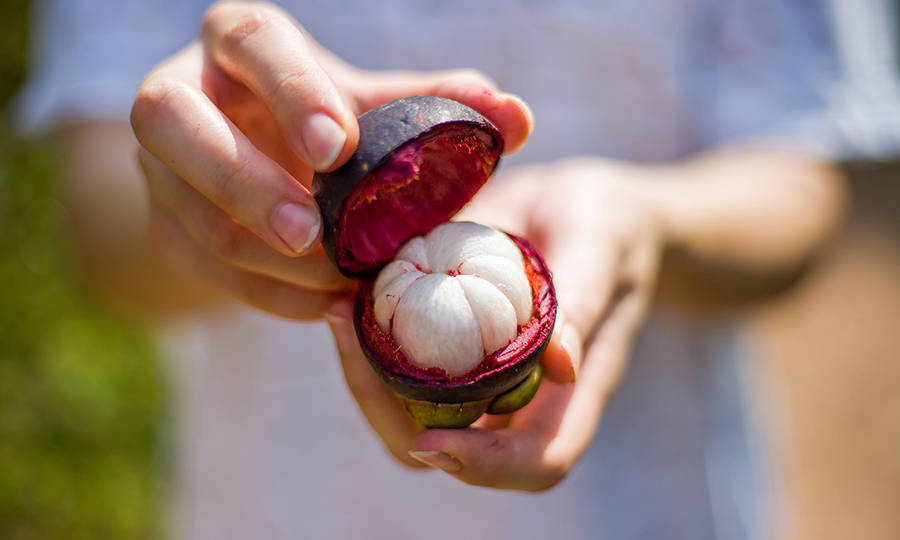
Image Source: www.buddydoc.io
What is Mangosteen?
Mangosteen (Garcinia mangostana) is a tropical fruit. It grows in Southeast Asia. The fruit has a hard, dark purple or reddish-purple rind. Inside, it holds white, soft, juicy segments. These segments are the edible part. They have a sweet and slightly tangy flavor. Some segments may have a seed inside. People often eat mangosteen fresh. They also use it in juices and desserts.
The Edible Part: Mangosteen Flesh
The fleshy, white part of the mangosteen is what people eat. This is the only part that might be okay for your dog. It is sweet and soft. This part contains some good things for health. But even the flesh must be given with care.
Is Mangosteen Flesh Safe for Dogs?
Yes, the white flesh of mangosteen is generally safe for dogs. But it must be in very small amounts. And you must remove all other parts. It is not toxic itself. It can be a rare treat. Think of it like any new food. Introduce it slowly. Watch your dog for any signs of upset.
How to Prepare Mangosteen Flesh for Your Dog
If you decide to give your dog mangosteen, follow these steps:
- Pick ripe fruit: Choose mangosteen that is fresh. It should be soft enough to crack open easily.
- Wash the fruit: Clean the outside well. This removes dirt or chemicals.
- Remove the rind: Carefully cut around the middle of the fruit. Twist it open. The hard rind should come off easily.
- Take out the seeds: Look for the white segments. Some will have dark seeds inside. Make sure to remove every single seed. These seeds are a choking risk. They also might be harmful.
- Cut into small pieces: Slice the white flesh into tiny, bite-sized pieces. This makes it easier for your dog to eat. It also lowers the risk of choking.
- Offer in moderation: Give only a very small amount. A piece or two is enough. This is a treat, not a meal.
Parts to Avoid at All Costs
While the flesh might be safe, other parts of the mangosteen are not. It is vital to keep these away from your dog. They pose serious risks.
Mangosteen Peel (Rind)
Can dogs eat mangosteen peel? A firm no. The mangosteen peel, also called the mangosteen rind, is very risky for dogs. It is hard and tough. It is not digestible.
Why the Peel is Dangerous:
- Choking Hazard: The peel is thick and rubbery. A dog can choke on it easily. It can get stuck in their throat. This can block their breathing.
- Digestive Upset: The rind is hard to digest. If a dog swallows it, it can cause stomach pain. It can lead to throwing up, diarrhea, or gas.
- Intestinal Blockage: Small pieces of the peel might pass. But larger pieces can get stuck. They can block the intestines. This is very serious. It needs urgent vet care. Sometimes surgery is needed.
- Tannins: Mangosteen peel has high levels of tannins. Tannins are bitter compounds. In large amounts, they can be toxic. They can irritate the digestive system. They can also harm the liver or kidneys over time. While a little bit might not be deadly, it is best to avoid it completely.
If your dog eats mangosteen rind dogs should be watched closely. Contact your vet right away if they show any bad signs.
Mangosteen Seeds
Mangosteen seeds dogs should avoid. These seeds are dark and hard. They are inside some of the white flesh segments.
Why the Seeds are Dangerous:
- Choking Risk: Like the peel, mangosteen seeds are a choking hazard. They are smooth and can slip down a dog’s throat. This is especially true for smaller dogs.
- Digestive Blockage: The seeds are hard. They do not break down in the stomach. If a dog eats too many, they can cause a blockage. This is a life-threatening problem.
- Potential Toxins: Some fruit seeds contain cyanide. This is a toxic chemical. While mangosteen seeds are not known to have high levels of cyanide, it is always safer to avoid them. There is no benefit to letting your dog eat them. Why take the risk?
Always remove all seeds before offering any mangosteen flesh to your dog.
Potential Risks and Concerns
Even the safe parts of mangosteen come with risks. Being aware of these helps you keep your dog safe.
Mangosteen Toxicity Dogs
True mangosteen toxicity in dogs from the flesh is very rare. This is especially true when given in small amounts. The main dangers come from the peel and seeds, not the fruit itself. However, too much of any new food can cause digestive upset. This is why moderation is key.
Dog Ate Mangosteen Symptoms: What to Watch For
If your dog eats mangosteen (especially the peel or seeds), watch for these signs. These signs can show dog digestive upset mangosteen caused. Or they might show something more serious.
Common Signs of Digestive Upset:
- Vomiting: Your dog might throw up parts of the fruit. This is their body trying to get rid of something it cannot digest.
- Diarrhea: Loose stools or frequent bowel movements.
- Loss of Appetite: Your dog might not want to eat their normal food.
- Lethargy: Your dog seems tired or less active than usual.
- Abdominal Pain: Your dog might whine, stretch in odd ways, or have a tense belly. They might not want you to touch their stomach.
Signs of a Blockage (More Serious):
- Repeated Vomiting: Especially if they throw up after drinking water.
- Not Passing Stool: Or straining to pass stool with no success.
- Severe Lethargy: Your dog seems very weak or unresponsive.
- Persistent Abdominal Pain: Continuous crying or groaning from pain.
- Weakness or Collapse: In extreme cases.
If you see any severe signs, call your vet right away. Do not wait.
Choking Hazards
Even small pieces of mangosteen flesh can be a choking hazard for small dogs. Always cut the flesh into tiny, bite-sized pieces. Watch your dog closely while they eat it. Never leave them alone with the fruit.
High Sugar Content
Mangosteen is a sweet fruit. It has natural sugars. For most dogs, a little sugar is not a problem. But for some dogs, it can be an issue:
- Diabetic Dogs: Dogs with diabetes must avoid sugary foods. Giving them mangosteen can cause their blood sugar to spike. This can be dangerous.
- Overweight Dogs: If your dog is overweight, extra calories from fruit can add to the problem. It is better to stick to low-calorie treats.
- Dental Health: Too much sugar can harm your dog’s teeth. It can lead to cavities or other dental issues over time.
Allergic Reactions
Just like people, dogs can have allergies. Your dog might be allergic to mangosteen. If it is their first time trying it, give only a tiny bit. Watch them for a few hours.
Signs of an Allergic Reaction:
- Itching or Scratching: Especially around the face or paws.
- Hives: Red bumps on the skin.
- Swelling: Of the face, lips, ears, or throat.
- Difficulty Breathing: Wheezing or labored breathing.
- Vomiting or Diarrhea: More severe than simple upset.
If you see signs of an allergic reaction, contact your vet immediately.
Mangosteen Health Benefits for Dogs (Caution Advised)
While the risks are important, mangosteen does offer some potential health benefits. These come from the white flesh. But remember, these benefits are best gained from a balanced dog food. A small piece of mangosteen is a treat, not a health supplement.
Antioxidants (Xanthones)
Mangosteen is rich in antioxidants. These are called xanthones. Antioxidants help fight damage to cells. They can protect against free radicals. Free radicals are harmful molecules. They can cause aging and disease. For dogs, antioxidants might help:
- Support Immune Health: A stronger immune system helps fight off sickness.
- Reduce Inflammation: This can help dogs with joint pain or other inflammatory issues.
- Promote Overall Well-being: By protecting cells, antioxidants contribute to better health.
However, your dog’s regular food should provide enough antioxidants. Adding mangosteen is a very small boost.
Fiber
The fleshy part of mangosteen contains dietary fiber. Fiber is important for:
- Digestive Health: It helps keep bowel movements regular. It can prevent constipation.
- Satiety: Fiber can help your dog feel full. This might help with weight management. But too much fiber can also cause gas and loose stools. So, small amounts are key.
Vitamins and Minerals
Mangosteen has some vitamins and minerals. These include Vitamin C and some B vitamins. It also has minerals like potassium and magnesium.
- Vitamin C: Supports the immune system.
- B Vitamins: Important for energy and cell function.
- Potassium: Helps with nerve and muscle function.
Again, these are found in small amounts in the fruit. A well-balanced dog food already gives your dog all the vitamins and minerals they need.
Is mangosteen bad for dogs? No, the fleshy part is not bad for dogs when given correctly. The bad parts are the peel and seeds. They are bad because of choking risks, digestive problems, and potential toxins.
How to Offer Mangosteen to Your Dog Safely
If you decide to share a tiny bit of mangosteen with your dog, follow these safety steps.
Step-by-Step Safety Guide:
- Get a Ripe Fruit: Make sure the mangosteen is fully ripe. It should be slightly soft to the touch. This makes it easier to open and remove the flesh.
- Wash It Well: Rinse the outside of the mangosteen thoroughly under cool water. This removes any dirt or sprays.
- Peel It Carefully: Use a knife to score around the middle of the fruit. Be careful not to cut too deep. Twist the two halves apart. The purple rind will separate from the white flesh. Make sure no bits of the hard rind stick to the flesh.
- Remove All Seeds: Inspect each white segment. Many segments will have a dark, hard seed inside. These seeds must be removed. Use your fingers or a small spoon to scoop them out. Double-check that no seeds are left.
- Cut into Tiny Pieces: Chop the white flesh into very small, bite-sized pieces. Think pea-sized or smaller, especially for small dogs. This reduces the risk of choking.
- Start Small: Give your dog only one or two tiny pieces at first. This is a trial.
- Watch for Reactions: After they eat it, watch your dog closely for 24-48 hours. Look for any signs of digestive upset or allergic reactions.
- Offer as an Occasional Treat: Mangosteen should never be a regular part of your dog’s diet. It is a rare, special treat. A few times a year is enough.
- No Added Sugars: Do not give your dog mangosteen in syrup or processed forms. Stick to fresh, plain fruit.
When to Avoid Mangosteen for Dogs
Not all dogs should eat mangosteen. Some situations mean you should skip it.
- Puppies: Their digestive systems are still developing. They are more sensitive to new foods. They are also more likely to choke on small pieces. It is best to avoid giving mangosteen to puppies.
- Dogs with Sensitive Stomachs: If your dog often has digestive issues, mangosteen might make it worse. Even a small amount of new food can cause upset.
- Diabetic Dogs: As mentioned, mangosteen has natural sugars. This is not good for dogs with diabetes.
- Overweight Dogs: The extra calories, even from fruit, can add up. Stick to lean, low-calorie treats.
- Dogs with Kidney Disease: Some fruits can be high in certain minerals. Check with your vet before giving new foods to dogs with kidney issues.
- Dogs Prone to Choking: If your dog tends to gulp food or has a history of choking, do not give them mangosteen. Even small pieces can be a risk.
What Fruits Can Dogs Eat?
Many fruits are safe and healthy treats for dogs. They can add vitamins, fiber, and moisture to their diet. Always wash fruits well. Always remove seeds, pits, and stems. These parts can be choking hazards or toxic.
Safe Fruits for Dogs:
- Apples: A great source of vitamins A and C, and fiber. Always remove the core and seeds. Apple seeds contain cyanide.
- Bananas: Full of potassium, vitamins, and fiber. Give in moderation due to high sugar content.
- Blueberries: Small, antioxidant-rich powerhouses. They are safe and good for dogs.
- Watermelon: Mostly water, so it’s very hydrating. Remove all seeds and the rind before serving.
- Strawberries: Packed with vitamin C. Cut them into small pieces.
- Cantaloupe: A good source of vitamins A and C. Remove the rind and seeds.
- Pears: Vitamins C and K, and fiber. Remove the core and seeds.
- Pineapple: Full of vitamins, minerals, and fiber. Remove the spiky skin and hard core. Give in small amounts.
- Raspberries: Low in sugar, high in antioxidants. Limit to small amounts, as they contain a small amount of naturally occurring xylitol.
- Oranges: Good source of vitamin C. Remove the peel, seeds, and white pith. Give in very small amounts as the acidity can cause upset.
Fruits to Avoid for Dogs:
- Grapes and Raisins: Highly toxic. They can cause kidney failure. Never give these to your dog.
- Cherries: The pits contain cyanide. The flesh is generally safe, but removing all pits is hard. It is best to avoid cherries.
- Avocado: Contains persin, which can be toxic to dogs in large amounts. The pit is also a choking hazard.
- Peaches and Plums: The pits contain cyanide and are a choking hazard. The flesh is usually safe once the pit is removed. But it’s often safer to avoid them.
- Citrus Peels (lemon, lime, grapefruit): Can cause digestive upset. The fruit flesh is very acidic.
- Wild Berries: Avoid any berries you find growing in the wild. You cannot be sure if they are safe.
What to Do if Your Dog Eats Mangosteen (Bad Parts)
Even with all your care, accidents happen. If your dog eats mangosteen peel, mangosteen seeds dogs should be watched closely.
Immediate Steps:
- Stay Calm: Panic does not help. Your dog will pick up on your stress.
- Check for Choking: If your dog is coughing, gagging, or struggling to breathe, they might be choking. Try to dislodge the object if you can do so safely. If not, rush to the vet.
- Assess What They Ate: Try to figure out how much and what part of the mangosteen they ate. Was it a small piece of rind or a whole handful of seeds?
- Watch for Symptoms: Over the next few hours and day, watch for the “dog ate mangosteen symptoms” listed earlier: vomiting, diarrhea, lethargy, loss of appetite, or stomach pain.
- Call Your Vet: Even if your dog seems fine, it is best to call your vet. Describe what happened. Tell them what your dog ate. They can tell you if you need to bring your dog in. They can also tell you what signs to look for.
When to Seek Urgent Vet Care:
- Choking: If your dog cannot breathe.
- Repeated Vomiting: Especially if it lasts for hours.
- Severe Lethargy or Weakness: Your dog is very tired or not responding.
- Signs of Abdominal Pain: Continuous crying or groaning. A hard or swollen belly.
- No Bowel Movement: If your dog seems to be trying to poop but nothing comes out. This can mean a blockage.
- Any concerns: If you feel worried, it is always best to call the vet. It is better to be safe than sorry.
Final Thoughts on Mangosteen and Dogs
Can dogs eat mangosteen? Yes, they can, but with many conditions. The soft, white flesh, stripped of all rind and seeds, can be a small, rare treat. It offers some health benefits like antioxidants and fiber. But the risks linked to the hard rind and seeds are significant. These can cause choking, severe digestive upset, and even blockages.
Your dog’s main diet should always be high-quality dog food. This food gives them all the nutrients they need. Treats like mangosteen should be rare. They should never replace a meal. Always put your dog’s safety first. When in doubt, do not offer new foods. Talk to your vet. They know your dog’s health best. They can give advice on safe treats.
Frequently Asked Questions (FAQ)
Q: How much mangosteen can a dog eat?
A: Only a very small amount. Think one or two tiny, pea-sized pieces of the white flesh. This is for a medium to large dog. For small dogs, even less. It is a treat, not a meal.
Q: Can puppies eat mangosteen?
A: It is best not to give mangosteen to puppies. Their digestive systems are still growing. They are also more likely to choke on small pieces. Stick to puppy-specific treats.
Q: Is mangosteen juice safe for dogs?
A: No, mangosteen juice is not recommended. It is often high in sugar. It might also contain other ingredients not safe for dogs. It lacks the fiber of the whole fruit. It is better to avoid it.
Q: What if my dog accidentally ate a mangosteen seed?
A: Watch your dog closely. Look for signs of choking, vomiting, or stomach pain. The seed is hard and can cause a blockage. Call your vet right away if you see any bad signs or if you are worried.
Q: Are there any dog breeds that are more sensitive to mangosteen?
A: No specific breed is known to be more sensitive to mangosteen. However, smaller breeds are at higher risk for choking on the rind or seeds. Dogs with sensitive stomachs are also more likely to get an upset tummy from any new food.
Q: Can mangosteen help my dog with joint pain?
A: Mangosteen contains antioxidants that might help reduce inflammation. But there is no strong proof that a small amount of mangosteen fruit will cure or greatly help joint pain in dogs. For joint pain, talk to your vet about proper treatments and supplements.
Q: What are safer fruit alternatives for dogs than mangosteen?
A: Many fruits are safer and easier to prepare. These include blueberries, small pieces of apple (no seeds/core), banana slices, and watermelon (no seeds/rind). These are all great, safe treats for dogs.