
Yes, you can spay a dog in heat, but it is often less safe and comes with more risks. It is possible to spay a dog during her heat cycle, also known as estrus, but most vets suggest waiting. This is because spaying a dog in heat can lead to more bleeding and a harder surgery. Spaying a dog while pregnant is also an option, though vets usually prefer not to if possible, as it carries even higher risks.
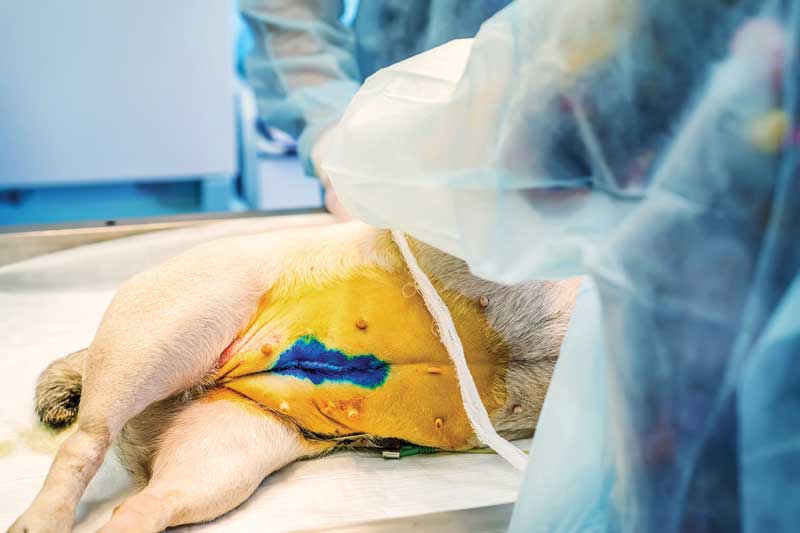
Image Source: www.veterinarypracticenews.com
Deciphering the Dog Heat Cycle
To make the best choice for your dog, it helps to know about her heat cycle. This is a natural part of a female dog’s life. It is when she can get pregnant.
What is a Dog Heat Cycle?
A dog’s heat cycle is a time when her body is ready to have puppies. It happens every six to eight months for most dogs. This cycle has four main stages.
- Proestrus: This is the start. It lasts about 9 days. Your dog might have a swollen rear. She might show a bit of bloody fluid. Male dogs will be interested in her. But she will not let them mate.
- Estrus: This is the true “heat.” It lasts about 9 days. During this time, your dog can get pregnant. The fluid may become lighter. She will be open to mating.
- Diestrus: This stage lasts about 60 to 90 days. If your dog got pregnant, she will be carrying puppies. If not, her body still acts like she is pregnant. Her hormones change.
- Anestrus: This is the resting stage. It lasts about 3 to 4 months. Her body is not ready to breed. This is the calm time between heat cycles.
Dog Heat Cycle Symptoms
Knowing these signs helps you tell if your dog is in heat.
- Swollen rear end (vulva): This is often the first clear sign.
- Bloody fluid: You might see drops of blood around the house. Or your dog might lick herself a lot.
- Change in behavior: She might be more restless. She might mark her territory more by peeing small amounts. She might seem clingier or more playful.
- Attracting male dogs: Male dogs will sense her heat. They may gather near your home. She might flirt with them.
- Tail flagging: She might move her tail to the side. This is an invitation to male dogs.
Risks of Spaying a Dog in Heat
Spaying a dog in heat comes with extra risks. These risks are mainly due to changes in her body. When a dog is in heat, her blood flow to the reproductive organs goes up a lot. Her uterus and blood vessels also get bigger.
The main risks include:
- Increased bleeding spaying dog in heat: This is the biggest worry. More blood flows to the uterus when a dog is in heat. This makes surgery harder. It makes it more likely for the dog to bleed a lot. Excessive bleeding can lead to problems during and after the surgery.
- Longer surgery time: Because of the extra blood and bigger organs, the vet needs more time. The vet must be very careful to control the bleeding. This makes the surgery last longer.
- Higher chance of issues during surgery: More bleeding means more chance of complications. It can be harder for the vet to see clearly. This raises the risk of errors.
- More pain after surgery: Some vets believe dogs spayed in heat feel more pain. This is due to the added trauma to tissues.
- Swelling and bruising: More swelling and bruising around the cut site can happen. This is also due to the extra blood flow.
- Harder to find tissues: The larger, blood-filled tissues can make it harder for the vet to find and remove them. This adds to the surgery’s challenge.
Safety of Spaying During Heat: A Vet’s View
Is it Safe to Spay Dog During Heat Cycle?
It is technically safe to spay dog during heat cycle, but it is not ideal. Most vets would rather wait. They only do it if there is a very good reason. A vet will look at several things before deciding.
- Dog’s health: Is your dog strong and healthy? A healthy dog might handle the surgery better.
- Urgency: Is there a strong reason to spay her right now? Maybe she is getting into fights. Or perhaps you cannot stop her from meeting male dogs. Sometimes, it is an emergency. For example, if she has a womb infection (pyometra). This needs surgery right away.
- Vet’s skill: Spaying a dog in heat needs a very skilled surgeon. They must be able to handle the extra blood.
If your dog is in heat, your vet will talk to you. They will explain the risks. They will help you decide the best path for your dog. They might suggest waiting two or three months. This lets her hormones calm down. It also lets her blood flow go back to normal. This makes the surgery much safer.
The Spay Procedure: Dog Spay Surgery While in Estrus
The basic spay procedure involves removing the dog’s ovaries and uterus. This is also known as an ovariohysterectomy. When a dog spay surgery while in estrus happens, some parts of the surgery change.
- Larger organs: When a dog is in heat, her uterus and ovaries grow bigger. They swell with blood. This makes them much larger than normal. They are also very fragile.
- More blood vessels: More blood vessels open up around these organs. They carry more blood. This means the vet must tie off more blood vessels. They must do it very carefully.
- Careful handling: The vet must be extra gentle with the tissues. They are more likely to tear or bleed.
- Longer time: The surgery itself takes longer. The vet needs more time to control bleeding. They also need more time to remove the larger organs safely.
- More stitches: Sometimes, vets use more stitches to close off blood vessels. This is to make sure there is no bleeding after the surgery.
Vets use special tools and methods to deal with the extra blood. They might use more clamps. They might use special sealing tools. All this adds to the effort and skill needed for the surgery.
Spaying a Pregnant Dog: What to Know
The question, can you spay a pregnant dog, often comes up. The answer is yes, you can. However, it is more complex and has higher risks than spaying a non-pregnant dog. It also raises ethical questions for some people.
- Ethical side: Spaying a pregnant dog means ending the lives of the puppies. For some, this is a very hard choice. Vets understand this. They will discuss it with you openly.
- Medical reasons: Sometimes, spaying a pregnant dog is the only safe choice. For example, if the dog is too young to have puppies. Or if she has a serious health issue. A pregnancy could put her life at risk. In other cases, a dog might have an infection of the uterus, like pyometra, while also being pregnant. This is an emergency.
- Higher risks: Spaying a pregnant dog is even riskier than spaying one in heat. The uterus is much larger. It is full of blood. It has many more blood vessels. The surgery is longer. The chance of major bleeding is much higher. Recovery might also be harder.
- Procedure: The vet removes the uterus and ovaries as usual. But they must be very careful with the heavy, blood-filled uterus. They work to prevent too much blood loss.
It is always best to talk to your vet right away if you think your dog is pregnant. They can confirm it. They can then help you decide the best and safest path for your dog.
Choosing the Best Time to Spay a Female Dog
Knowing the best time to spay a female dog is key for her health. Most vets agree on an ideal window.
- Before the first heat: Many vets suggest spaying before a dog’s first heat cycle. This often happens between 6 and 12 months of age.
- Pros: This completely prevents unwanted pregnancies. It also greatly lowers the risk of mammary (breast) tumors. These tumors can be deadly. Spaying early also stops womb infections (pyometra).
- Cons: Some studies suggest that spaying very early might affect joint development in certain large breeds. It might also increase the risk of some cancers later in life for specific breeds. This is a topic vets still study.
- After the first heat (if you waited): If your dog has gone through a heat, wait two to three months after the heat ends. This allows her body to return to normal. The hormones calm down. The blood vessels shrink back. This makes the surgery much safer and easier.
- Why wait until after heat?
- Reduced bleeding risk.
- Shorter surgery time.
- Fewer complications.
- Smoother recovery.
| Timing of Spay Surgery | Advantages | Disadvantages |
|---|---|---|
| Before First Heat (6-12 mos) | – Prevents all unwanted litters – Lowest risk of mammary tumors – No pyometra risk |
– Potential minor impact on growth plates in some large breeds – Possible small increase in risk for certain cancers (breed-specific) |
| 2-3 Months After Heat | – Lower surgical risk than during heat – Body hormones are calm – Reduced bleeding and complications |
– Dog goes through one heat cycle (risk of unwanted pregnancy) – Slightly higher mammary tumor risk than spaying before first heat |
| During Heat Cycle | – Can be done if urgent – Immediate pregnancy prevention |
– High risk of increased bleeding – Longer surgery time – Higher chance of complications – More pain post-op |
| While Pregnant | – Immediate pregnancy prevention – May be necessary for health reasons |
– Highest surgical risk (major bleeding) – Ethical concerns – Longer, more complex recovery |
Your vet will consider your dog’s breed, size, and health history. They will help you choose the very best time.
Dog Spay Recovery After Heat Surgery
Any surgery needs careful recovery. Dog spay recovery after heat might need even more care. This is because the surgery is often more difficult.
- Right after surgery: Your dog will be sleepy from the drugs. Keep her in a quiet, warm place. Do not let her jump or run. She will likely have a cone (Elizabethan collar). This stops her from licking the cut. Licking can cause infection.
- Pain control: Your vet will give you pain medicine. Give it exactly as told. This helps her feel better. It helps her heal well.
- Checking the cut: Look at the cut site daily. It should be clean and dry. A little redness or swelling is normal. But if it looks very red, very swollen, or has fluid coming out, call your vet.
- Activity limits: This is very important. No running, jumping, or rough play for 10-14 days. Short, gentle leash walks are fine. Too much activity can make the cut open. It can also cause bleeding inside.
- Eating and drinking: Offer small amounts of food and water when she gets home. If she throws up, wait a bit. Then try again.
- Signs of trouble to watch for:
- Excessive bleeding: More than a few drops of blood from the cut. Or blood soaking through bandages. This is a major warning sign.
- Severe pain: Crying, panting, not wanting to move.
- Trouble breathing: Fast or noisy breaths.
- Pale gums: Gums should be pink. If they are white or very pale, it means blood loss.
- Vomiting or diarrhea: If it lasts more than a day.
- Not eating or drinking: If she skips more than one meal.
- Fever: Your dog feels hot to the touch.
If you see any of these signs, call your vet right away. Dogs spayed in heat might need a bit longer to heal. They might also need more pain relief. Follow all your vet’s instructions closely. This will give your dog the best chance for a smooth recovery.
Cost of Spaying a Dog in Heat
The cost of spaying a dog in heat can be higher than a regular spay. Many things affect the total price.
- Normal spay cost: A standard spay can range from $200 to $800. This depends on where you live. It also depends on the type of clinic.
- Why in-heat spay costs more:
- Longer surgery: Because the vet must be extra careful and manage more blood, the surgery takes longer. More time means more cost for the vet’s time and clinic use.
- More supplies: The vet might use more medical supplies. They might use special tools to control bleeding. These add to the bill.
- Increased risks: The higher risks mean the vet team must be very alert. They might need extra staff on hand. This is an extra cost.
- Possible overnight stay: Some vets might want to keep a dog spayed in heat overnight. This is to watch for too much bleeding. An overnight stay adds to the cost.
- Other factors:
- Dog’s size: Larger dogs cost more to spay. They need more anesthetic. Their surgery is more complex.
- Clinic type: Private vet clinics often charge more than low-cost spay/neuter clinics. Low-cost clinics get help from charities. They offer good care at lower prices.
- Pre-surgery tests: Vets often suggest blood tests before surgery. This makes sure your dog is healthy enough for the anesthetic. These tests are an added cost.
- Pain medication: The cost of pain meds for after surgery is usually part of the total.
- Emergency costs: If your dog has a problem during or after surgery, like a lot of bleeding, it will mean more vet visits. This can lead to very high bills. It is another reason why waiting is better.
It is always a good idea to call your vet. Ask for a detailed cost estimate. Tell them if your dog is in heat. This way, they can give you a more accurate price.
Key Considerations Before Spaying
Before you decide to spay your dog, think about these points.
- Talk to your vet: This is the most important step. Your vet knows your dog’s health history. They can give you the best advice. They can explain all the risks and benefits.
- Weigh risks and benefits: For a dog in heat, the risks are higher. But the benefit of not having unwanted puppies is great. Also, spaying prevents some serious health problems later. Your vet can help you compare these.
- Plan ahead: If your dog is not in heat, try to plan her spay before her first heat. This is often the safest time. If she is in heat, plan to spay her two to three months later.
- Prepare for recovery: Make sure you can give your dog a quiet, safe place to recover. You will need to watch her closely. You will need to limit her activity.
Spaying is a big step for your dog’s health. Doing it at the right time makes it much safer.
Frequently Asked Questions (FAQ)
Q1: How long after heat can I spay my dog?
A1: Most vets suggest waiting about two to three months after your dog’s heat cycle ends. This allows her body and hormones to return to normal. The blood vessels in her uterus will shrink. This makes the surgery much safer and lowers the risk of bleeding.
Q2: Can my dog still get pregnant after she’s been spayed?
A2: No. After a dog is properly spayed, her ovaries and uterus are removed. This means she cannot get pregnant. She also will not have heat cycles anymore.
Q3: What if my dog is in heat and I need to spay her right away?
A3: If there is a strong need to spay your dog while she is in heat, talk to your vet at once. This might happen if you cannot control her or if she is pregnant. Your vet will explain the higher risks. They will make sure they are prepared for a more complex surgery. They might advise waiting if it is not an emergency.
Q4: What happens if my dog gets pregnant and then I spay her?
A4: If you spay a dog while she is pregnant, the surgery ends the pregnancy. This is a very serious decision. It is also a more risky surgery for your dog. The uterus is much larger and has a very high blood supply. This increases the chance of bleeding and other problems.
Q5: Will spaying change my dog’s personality?
A5: Spaying usually does not change a dog’s basic personality. Some dogs might become a bit calmer. This is because their hormones will not be going up and down anymore. It can reduce behaviors linked to heat cycles, like restlessness or trying to roam.