
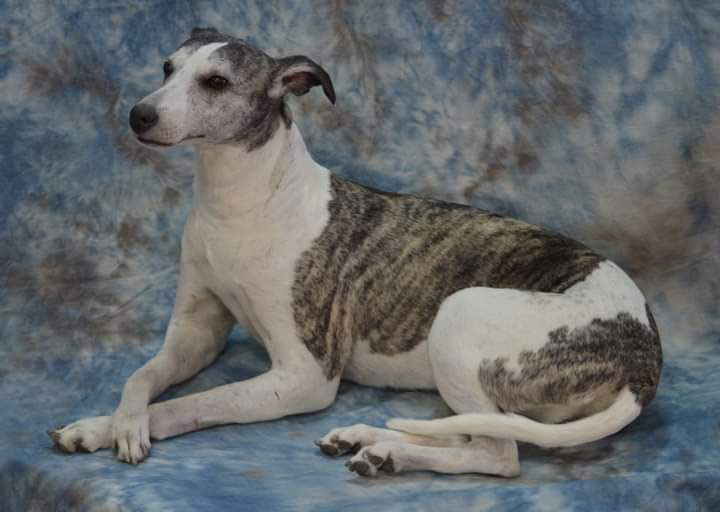
Image Source: animalfamilypet.com
So; How Much To Taxidermy A Dog? Get The Real Costs
How much is dog taxidermy? The cost of preserving a deceased pet varies greatly. It can range from a few hundred dollars to several thousand, often between $1,000 and $6,000 or even more. This pet memorial preservation expense depends on many things, like your dog’s size, the method chosen, and the expert doing the work. This article will help you get real answers about pet taxidermy cost for your beloved companion.
The Many Factors Affecting Dog Taxidermy Costs
Many things play a part in how much you will pay for dog taxidermy. Knowing these points helps you see the real price. It helps you grasp why taxidermy rates for dogs are not the same for everyone.
Size and Breed of Your Dog
The size of your dog is a big cost factor. A small Chihuahua will cost less than a large German Shepherd. More skin, fur, and body mass mean more work and materials. It also means more time in a freeze-drying machine. A larger animal takes up more space. This makes the dog preservation price go up.
- Small Dogs (up to 15 lbs): Examples are Chihuahuas, Pomeranians, some Dachshunds. Their pet taxidermy cost is lower.
- Medium Dogs (16-40 lbs): Think Beagles, Cocker Spaniels, small Poodles. The price will be in the middle range.
- Large Dogs (41-80 lbs): This group includes Labrador Retrievers, Boxers, German Shepherds. These dogs need more materials and time. So, their full body dog taxidermy cost is higher.
- Giant Dogs (over 80 lbs): Breeds like Great Danes, Mastiffs, Saint Bernards. These are the most expensive due to their size. Their preservation demands a lot of work.
Preservation Method Chosen
There are different ways to preserve a pet. The method you choose has a big impact on the dog preservation price. For pets, freeze-drying is the most common and best method.
Freeze-Drying: The Preferred Pet Method
Freeze-drying is a special process. It keeps your pet’s body whole. It removes water from the tissues very slowly. This leaves the body intact. It helps keep the pet looking like it did when alive. This method is gentle and keeps the pet’s natural shape. The animal freeze-drying cost is usually higher than traditional taxidermy. This is because it needs specialized equipment and takes a very long time. It can take months, even a year, for a large dog.
- Process:
- The pet’s body is carefully prepared.
- It is placed in a special chamber.
- The temperature is lowered a lot.
- A vacuum is used to turn the ice directly into vapor. This removes water slowly.
- This slow drying keeps the cell structure. It helps the pet keep its shape.
- After drying, the body is light and dry. It needs no special care other than keeping it from moisture.
Traditional Taxidermy: Less Common for Pets
Traditional taxidermy involves skinning the animal. Then, the skin is treated. It is then stretched over a form. The form is made to look like the animal. This method is common for wildlife. It is less common for pets. This is because it changes the animal’s natural form. It can be hard to capture the pet’s true look. Also, the skin can shrink or crack over time. It may not look as natural as freeze-drying. The cost to preserve a deceased pet using this method might be lower. But many pet owners do not choose it. They want a more natural look for their beloved friend.
Skeletal Articulation: A Different Option
Some people choose to preserve their pet’s skeleton. This is called skeletal articulation. Bones are cleaned. Then, they are put back together to show the pet’s skeleton. This is a very special way to remember a pet. It is not the same as full body preservation. The cost for this can also be high. It needs great skill to clean and put together all the tiny bones.
The Taxidermist’s Skill and Reputation
Just like any art, the skill of the artist matters a lot. A highly skilled and known pet taxidermist will charge more. They have years of experience. They know how to make your pet look alive. They use the best methods and materials. Their work will be of high quality. New or less known artists might charge less. But the quality of their work might not be as good. When you check taxidermy rates for dogs, ask to see their past work. Look for good reviews. A skilled artist is worth the higher custom dog preservation fees. They give you a true memorial.
Pose and Display Choice
The way you want your pet displayed also changes the price. A simple sleeping pose is usually cheaper. It needs less work to make the form. A more active or dynamic pose costs more. For example, your dog sitting or playing. This needs more skill from the taxidermist. They have to sculpt the body in a lifelike way. The base or scene for the pet also adds to the cost. A plain base is cheaper. A complex scene with fake plants or rocks costs more. This makes the full body dog taxidermy cost go up.
- Simple Pose: Sleeping, lying down, or a simple standing pose.
- Dynamic Pose: Sitting, playful stance, or alert position. More complex.
- Base/Habitat:
- Simple Base: A flat, finished wooden or stone base.
- Custom Base/Habitat: A scene with fake grass, rocks, toy props. This is extra.
Additional Services and Customization
Sometimes, you need extra services. These can add to the total cost to preserve a deceased pet.
- Urgent Processing: If you need the work done very fast, it might cost more.
- Shipping and Transport: If the taxidermist is far away, you will pay for shipping. This can be a big cost for a large pet.
- Specific Requests:
- Keeping a collar or a favorite toy with the pet.
- Matching a certain expression.
- Special glass cases for display.
- These custom dog preservation fees make the final bill higher. Always ask about all costs upfront.
Average Pet Taxidermy Prices: A Closer Look
It is hard to give exact numbers. Prices change based on location and the taxidermist. But here are some general ideas about pet taxidermy cost. These are average pet taxidermy prices for freeze-drying.
Freeze-Drying Cost Estimates
Freeze-drying is the main way to preserve pets. So, these numbers are for that method. Remember, these are only estimates. Always get a custom quote.
| Dog Size Category | Estimated Cost Range | What It Means |
|---|---|---|
| Extra Small | $800 – $1,500 | Cats, very small dogs (Chihuahua, toy breeds). |
| Small | $1,500 – $2,500 | Small terriers, Beagles, small Poodles. |
| Medium | $2,500 – $4,000 | Cocker Spaniels, larger Beagles, Border Collies. |
| Large | $4,000 – $6,000 | Labs, German Shepherds, Boxers. |
| Giant | $6,000 – $8,000+ | Great Danes, Mastiffs, Saint Bernards. |
This table shows the animal freeze-drying cost. It gives you a good starting point. Remember, the quality of work for a given price can still vary a lot. Some top artists will be at the higher end of these ranges. Some may even go above them.
Traditional Taxidermy for Pets (If Available)
As noted, this is less common for pets. If a taxidermist does offer it, the pet taxidermy cost might be lower. Perhaps in the range of $500 to $2,000 for a medium dog. But, it is often not chosen due to looks and care needs. It can be hard to clean. It may also attract pests if not cared for well.
What Influences the Final Pet Memorial Preservation Expense
Beyond the basic cost, other things can add to the bill.
- Preparation Fees: Sometimes, there is a fee to prepare the body. This includes cleaning and positioning.
- Urgent Service Fees: If you need the work done faster than usual. This can add 10-25% to the cost.
- Display Case: A custom glass or acrylic display case can cost $200 – $1,000 or more. This depends on size and type.
- Shipping Costs: This can range from $100 to $500 or more. It depends on distance and pet size. This is a key part of the cost to preserve a deceased pet if the expert is far away.
- Consultation Fees: Some artists charge for an initial talk. This fee may or may not be put towards the final cost.
- Molding/Casting: For very specific poses, extra molding might be needed. This adds to the custom dog preservation fees.
Always ask for a written quote. This quote should list all parts of the full body dog taxidermy cost.
The Journey of Pet Preservation
Choosing to taxidermy your dog is a big step. Knowing the process helps. It makes the decision feel more clear.
First Steps After Loss
Time is important after your pet passes. The sooner you act, the better.
- Cooling the Body: Keep the body cool. Place it in a plastic bag. Then, put it in the freezer. A freezer works best for more than a few hours. This stops decay. Do not use ice alone for too long. It can cause freezer burn. This can harm the skin for preservation.
- Contact a Specialist: Find a pet taxidermist right away. Look for someone who works with pets. Not all taxidermists do. Ask about their methods. Ask about their taxidermy rates for dogs.
Consultation and Planning
Once you find a taxidermist, you will talk with them. This is a very important step.
- Sharing Your Wishes: Tell them how you want your pet to look. Do you want a sleeping pose? Or one where they look alert? Show them photos of your pet. This helps them capture its true nature.
- Choosing the Method: They will tell you about freeze-drying. They will explain why it is best for pets.
- Getting a Quote: They will give you a clear quote for the pet taxidermy cost. This quote will show the full body dog taxidermy cost. It will include any custom dog preservation fees. Make sure you get all details in writing.
The Technical Work
The actual preservation process takes time. It is a long, careful task.
- Preparation: The taxidermist prepares your pet’s body. They clean it. They position it in the chosen pose. They may use wires or forms to hold the pose. This is done before freezing.
- Freeze-Drying Cycle: The pet is then placed in the freeze-dryer. This is a large machine. It slowly removes water. This can take many months. For a large dog, it might take 8 to 12 months. This is why the animal freeze-drying cost is higher. It needs special machines and long hours.
- Finishing Touches: Once dry, the taxidermist does the final work. They add eyes if needed. They fix any fur or skin issues. They make sure the pet looks natural. They put it on the display base. They add any requested details.
Receiving Your Memorial
When the work is done, you will get your pet back. This is often a very emotional moment.
- Care Instructions: The taxidermist will give you care tips. Freeze-dried pets need to be kept dry. Keep them away from high heat. Keep them out of direct sunlight. Dust them gently. Do not use water or cleaners.
- Display: Choose a safe, visible spot in your home. This memorial can be a comfort. It can help you remember your dog every day.
Other Ways to Remember Your Beloved Pet
Taxidermy is one way to remember your pet. But there are many others. Knowing these can help you decide on the best pet memorial preservation expense for you.
Replicas and Clones (Briefly)
Some companies make very lifelike stuffed animal replicas. They look just like your pet. These can cost from a few hundred dollars to over a thousand. Genetic cloning is also possible for some animals. But it is very costly. It is often over $50,000. It also does not bring back your exact pet. It makes a genetic copy.
Cremation and Urns
Cremation is a very common choice. Your pet’s body is turned into ashes. You can keep the ashes in an urn. Or you can scatter them. This option is much less than the average pet taxidermy prices. It usually costs $50 to $300. The cost depends on the pet’s size and the urn you choose.
Burial and Memorial Stones
Burying your pet is another option. You can do this at home if local laws allow. Or you can use a pet cemetery. Cemetery plots and services can cost $100 to $1,000. A memorial stone or marker adds to this. This can be $50 to $500 or more.
Paw Prints and Keepsakes
Many vets offer paw print molds. These are simple and often free or low cost. You can also get nose prints. Some artists make jewelry with your pet’s fur or ashes. These items are small. They are less costly. They can help keep your pet close.
Custom Pet Portraits or Sculptures
An artist can paint a portrait of your pet. Or they can sculpt a likeness. These can be very beautiful ways to remember your pet. The cost depends on the artist and the size of the work. This can range from $100 to several thousand dollars.
These options offer comfort. They come at different pet taxidermy cost points. Think about what feels right for you and your family.
Deciding if Pet Taxidermy is Right for You
Choosing pet taxidermy is a very personal decision. It needs thought. It needs thought about feelings, money, and right and wrong. The full body dog taxidermy cost is high. It is a big choice.
Emotional Considerations
- Coping with Loss: For some, having their pet’s preserved body brings comfort. It helps them feel their pet is still with them. It can ease grief.
- Personal Connection: Others might find it upsetting. It might remind them too much of the loss. Or it might not feel like their pet anymore. Think about how you handle grief. Think about what brings you peace.
- Family Feelings: If you share your pet with family, talk to them. Make sure everyone is okay with the choice.
Financial Considerations
- Investment: Pet taxidermy cost is a major expense. It is an investment. It is not just about the money. It is about the value you place on this type of memorial.
- Budgeting: Can you afford the pet taxidermy cost? Look at the taxidermy rates for dogs in your area. Get custom dog preservation fees. If money is tight, other memorial options may be better.
- Long-Term Value: For some, the comfort and peace of mind are worth the high dog preservation price. They see it as a lasting tribute.
Ethical Considerations
- Respect for Life: Some people feel it is not right to keep a pet’s body after it has passed. They believe in letting go fully.
- Purpose: For many, pet taxidermy is a way to honor a pet. It shows deep love and respect. It keeps their memory alive in a special way.
Research is key. Talk to pet taxidermists. Ask to see their work. Read reviews. Get clear quotes for the cost to preserve a deceased pet. This will help you make a good choice. One that gives you comfort and honors your pet’s life.
Questions People Ask About Dog Taxidermy
Many people have questions about pet taxidermy. Here are some common ones to help you.
Is pet taxidermy common?
No, pet taxidermy is not as common as cremation or burial. But it is growing in popularity. More people are looking for unique ways to remember their pets. Freeze-drying has made it more accepted. It gives a more natural look.
How long does dog taxidermy take?
Freeze-drying takes a long time. For a small pet, it might be 3 to 6 months. For a large dog, it can take 8 to 12 months, or even longer. This long process is part of the animal freeze-drying cost. The water is removed very slowly. This prevents damage to the tissues.
Is it humane?
Pet taxidermy is only done after a pet has passed away naturally or by euthanasia. It is not about harming animals. It is about preserving their form after death. It is seen as a way to honor a beloved companion.
Can any pet be taxidermied?
Most pets can be freeze-dried. This includes dogs, cats, birds, rabbits, and even reptiles. The success depends on how the body was kept after death. Good care right after passing helps ensure a good result.
How do I care for a freeze-dried pet?
Care is simple but important. Keep the pet in a dry place. Keep it away from direct sunlight. Avoid high heat and moisture. Do not clean it with water or chemicals. Use a soft brush or duster to remove dust. If you keep it well, it can last for many years.
Are there payment plans for the pet taxidermy cost?
Some taxidermists offer payment plans. You might pay a deposit upfront. Then you pay the rest in monthly payments. This helps make the high full body dog taxidermy cost easier to handle. Always ask if this is an option.
Does pet insurance cover any of the cost to preserve a deceased pet?
No, pet insurance usually does not cover taxidermy or memorial services. Pet insurance is for health care costs. It helps with vet bills, sickness, and accidents. It does not cover after-death care like taxidermy. You will need to pay for this out of your own pocket.
Concluding Thoughts
Deciding how to remember your beloved dog is a deep choice. The cost to taxidermy a dog is not small. Pet taxidermy cost can range from $800 to over $8,000. It depends on your dog’s size, the method used (mostly freeze-drying), and the artist’s skill. Custom dog preservation fees also add up. This makes the overall dog preservation price varied.
Knowing the average pet taxidermy prices and what they include helps you plan. No matter what you choose, the goal is to honor your pet. It is about finding peace and comfort after loss. Whether through freeze-drying, cremation, or a simple keepsake, your dog’s memory will live on. Their love and bond stay with you forever.