
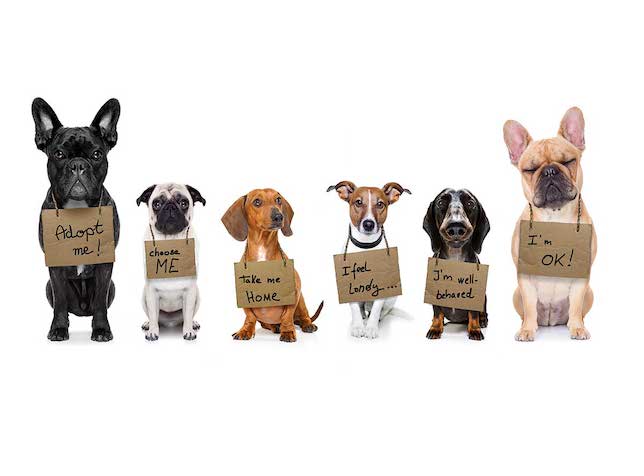
Image Source: www.medicalservicedogs.org
How To Choose A Shelter Dog: Your Perfect Match Awaits!
Choosing a dog from a shelter is a big step. Many people wonder: “What is a dog adoption checklist?” This is a list of steps and items you need before and after bringing a dog home. People also ask: “Can I assess a shelter dog’s behavior?” Yes, you can. Shelter staff also help you learn about a dog’s actions. “How do I find the right dog match?” You find the right dog by matching your life to the dog’s needs. “What questions should I ask a dog adoption agency?” You should ask about the dog’s health, past, and typical actions. “What is the best age to adopt a dog?” This depends on you. Puppies need more training. Older dogs are often calmer. “Who is the best dog for my family?” The best dog fits your home’s energy level, space, and time. This guide will help you find a perfect dog. It will help you welcome a new friend into your home.
Why Adopt a Shelter Dog?
Adopting a dog from a shelter is a kind act. It helps a dog in need. Shelters are full of dogs waiting for a home. Many have been left behind. They need love and care. When you adopt, you save a life. You open your home to a dog with no place to go.
There are more good points to adopting. Most shelter dogs are already spayed or neutered. They have their first shots. This saves you money and time. Shelter staff know their dogs well. They can tell you about their personalities. This makes finding the right dog easier. An adopted dog often brings great joy. They show deep thanks.
Your Journey Begins: The Pet Adoption Compatibility Guide
Finding the right dog means looking at your own life first. This helps you pick a dog that will be happy with you. It helps you pick a dog that will fit your home. Think about your life right now.
Self-Assessment: What Kind of Dog Do You Need?
- Your Lifestyle: Are you active? Do you love walks or runs? Or do you prefer quiet time at home? A high-energy dog needs lots of exercise. A low-energy dog might be happy with short walks.
- Your Home Size: Do you live in a small apartment? Or a big house with a yard? Some dogs need more space to run around. Smaller dogs do well in smaller homes.
- Your Time: How much time can you spend with a dog each day? Dogs need playtime, walks, and training. A puppy needs much more time than an older dog.
- Your Budget: Dogs cost money. Think about food, toys, and vet visits. Some dogs need special food or extra vet care. Make sure you can afford a dog.
- Your Family: Do you have kids? Are they young or old? Do you have other pets? Some dogs are great with kids. Some dogs like to be the only pet. Think about everyone in your family.
Family Matters: Choosing a Dog for Your Family
If you live with others, they must be part of the choice. Everyone in the home should agree. They should be ready to share the work.
- Kids and Dogs: If you have children, look for a dog that is good with kids. Shelter staff can tell you which dogs have lived with kids before. Teach kids how to act around dogs. Teach them to be gentle.
- Other Pets: If you have other dogs or cats, the new dog must get along with them. Some shelters test dogs with other animals. Ask about this.
- Allergies: Does anyone in your home have allergies? Some breeds are better for people with allergies. These are called “hypoallergenic” dogs. They shed less fur.
- Energy Levels: Try to match the dog’s energy to your family’s. A super active family might love a playful dog. A calm family might prefer a relaxed dog.
Decoding Personalities: Rescue Dog Personality Traits
Every dog is unique. They have their own way of acting. Learning about a dog’s personality helps you find a good match.
Observing Dogs at the Shelter
When you visit the shelter, watch the dogs. Spend time with a few dogs. See how they act.
- Active vs. Calm: Some dogs jump around and want to play. They are active. Others lie quietly in their beds. They are calm. Think about what you prefer.
- Shy vs. Outgoing: Some dogs run right up to you. They are outgoing. Others might hide or seem scared. They are shy. Shy dogs might need more time to feel safe.
- How They React: Do they wag their tail? Do they bark a lot? Do they try to lick you? These actions tell you about their nature.
Shelter Dog Behavior Assessment: What Staff Can Tell You
Shelter staff spend a lot of time with the dogs. They know the dogs’ daily habits. They do special tests. These tests help them guess how a dog will act in a home.
- Staff Input: Ask the staff about any dog you like. They can tell you about a dog’s habits. They know if a dog is good with kids, other dogs, or cats.
- Assessment Meaning: Staff might say a dog is “dog-friendly” or “needs a quiet home.” This means they have seen how the dog acts. They use these words to help you choose well.
- Common Behaviors: They might tell you if a dog likes toys. Or if they like to cuddle. Or if they are good on a leash. All this info helps you know the dog better.
Tracing Their Journey: Discerning Shelter Dog History
A dog’s past can tell you a lot. It can explain how they act now. It can show you what they need in the future.
Why History Matters
- Past Life Clues: A dog that lived in a quiet home might be scared by loud noises. A dog that was left alone a lot might need more time with you. Their past helps you help them.
- Former Home Info: Did they live with other pets? Were they house-trained? Did they have a favorite toy? This info can make settling in easier.
- Health Records: Shelters keep health records. They can tell you about past sickness or injuries. This helps you plan for future vet care.
What to Ask About Their Past
Don’t be afraid to ask questions. The more you know, the better ready you will be.
- Known History: Does the shelter know where the dog came from? Was it a stray? Or did a family give it up?
- Reason for Surrender: If a family gave up the dog, why? Was it due to moving? Or did the dog have a behavior problem?
- Health Issues: Has the dog had any health problems? What food do they eat? Do they have any special needs?
Finding the Right Dog Match: Your Search Strategy
Once you know what you need, it is time to look for your dog.
Online Search and Shelter Visits
- Websites: Most shelters have websites. You can see photos and read about dogs for adoption. This helps you find dogs that might be a good fit.
- In-person Visits: Visit the shelter often. Spend time with different dogs. Some dogs might be shy at first. They may open up on later visits.
- Taking Your Time: Do not rush. This is a big choice. Take your time to find the right dog for you and your family.
The Best Age to Adopt a Dog
Dogs come in all ages. Each age has its own good and bad points.
- Puppies:
- Good: You can train them from a young age. They bond strongly with you. They are cute and playful.
- Bad: They need a lot of training. They need many potty breaks. They chew things. They have high energy.
- Adults (1-7 years old):
- Good: Many are already house-trained. Their personality is set. They might know basic commands. They often adjust well.
- Bad: Their past might not be fully known. They may have habits to change.
- Seniors (8+ years old):
- Good: Often calm and relaxed. They are grateful for a loving home. They need less exercise. They often want to cuddle.
- Bad: They may have health issues. Their time with you might be shorter.
Here is a table to help you compare ages:
| Dog Age | Good Points | Things to Think About |
|---|---|---|
| Puppy | Train from scratch, strong bond, playful | Needs lots of training, house-breaking, high energy, chewing |
| Adult | Personality is set, may be house-trained, often knows commands | Past not always known, some habits to change |
| Senior | Calm, grateful, less exercise, often cuddly | Possible health issues, shorter time with you |
Important Steps: Questions for Dog Adoption Agency
Talking to the adoption agency is key. They are there to help you. They want to make sure dogs go to good homes.
Key Questions to Ask
Have a list of questions ready. This shows you are serious. It helps you get all the facts.
| Category | Questions to Ask |
|---|---|
| About the Dog’s Actions | Has the dog lived with kids or other pets? |
| How does the dog act around strangers? | |
| Is the dog house-trained? | |
| How does the dog do on a leash? | |
| Does the dog have any fears? (e.g., loud noises) | |
| Does the dog jump up or chew things? | |
| About Their Health | Is the dog spayed/neutered? |
| What shots has the dog had? | |
| Does the dog have any health problems? | |
| What food does the dog eat? | |
| When is the dog’s next vet check-up needed? | |
| About the Adoption Process | What is the adoption fee? |
| What is needed to adopt? (e.g., forms, home check) | |
| Can I return the dog if it does not work out? | |
| What support do you offer after adoption? |
Your Adoption Toolkit: The Dog Adoption Checklist
Getting ready for your new dog makes things smooth. A checklist helps you remember everything.
Before Bringing Your Dog Home
- Home Prep: Make a safe, quiet space for your dog. A crate can be a good den. Remove anything harmful.
- Supplies: Get all the basic things before the dog arrives.
- Vet Visit: Find a vet close to your home. Make an appointment for a check-up soon after adoption.
Essential Supplies Table
| Item | Reason |
|---|---|
| Dog food | Get the same food the shelter uses at first. |
| Food and water bowls | Clean bowls for daily use. |
| Collar and leash | For walks and ID tags. |
| ID tag | With your phone number and address. |
| Dog bed or crate | A comfy, safe place to sleep. |
| Toys | To play and keep them busy. |
| Poop bags | For walks and cleaning up. |
| Grooming tools | Brush, nail clippers. |
| Training treats | For good behavior rewards. |
| Cleaning supplies | For accidents. |
Settling In: Preparing for a New Rescue Dog
The first days and weeks are key. Your new dog needs time to feel safe. They need time to learn your home.
The First Few Days and Weeks
- Quiet Time: Let your dog explore their new space slowly. Do not have too many visitors at first. Give them quiet time to rest.
- Routine Building: Dogs like a routine. Feed them at the same times each day. Walk them at regular times. This helps them feel safe.
- Training: Start basic training early. Use kind words and treats. Teach them where to potty. Teach them simple words like “sit” or “stay.”
- Patience: Your new dog might be scared or shy. They might make mistakes. Be patient and kind. It takes time for them to trust you.
Common Challenges and Solutions
- Anxiety: Some rescue dogs feel worried at first.
- Solution: Give them a safe space. Use calming treats or toys. Spend quiet time with them.
- House Training: Even house-trained dogs might have accidents at first.
- Solution: Take them outside often. Praise them when they go outside. Clean up accidents with special cleaner.
- Leash Manners: Some dogs pull on the leash.
- Solution: Use a front-clip harness. Practice short walks. Reward good walking.
Making the Connection: Your First Meeting
The first meeting with a dog can tell you a lot. It helps you see if you feel a spark.
Meeting the Dog
- How to Approach: Let the dog come to you. Do not rush them. Offer a hand for them to sniff. Speak in a soft voice.
- Observe Interaction: See how they act with you. Do they seem happy? Do they lean on you? Does the dog ignore you?
- Multiple Visits: If possible, visit the dog a few times. This lets you see them in different moods. It helps you build a bond.
Foster Parents and Their Role
Many rescue dogs live in foster homes before a shelter. Foster parents know a lot about the dog.
- Valuable Insights: Foster parents can tell you about the dog’s daily life. They know how the dog acts in a home setting. Ask them about the dog’s quirks or habits. This info is very helpful.
Final Thoughts on Adoption
Choosing a shelter dog is a journey. It takes thought, time, and care. But it is worth it. You are giving a dog a second chance. You are gaining a loyal friend. Be patient. Give them love. Your perfect match is waiting for you.
Frequently Asked Questions (FAQ)
Can I adopt if I work full-time?
Yes, many people who work full-time adopt dogs. It is best to choose a dog that fits your schedule. An older, calmer dog might do better alone for longer. You can hire a dog walker. Or put your dog in doggy daycare. Make sure your dog gets enough exercise and attention when you are home.
How long does the adoption process take?
The time varies. Some shelters have a quick process, a few days. Others might take weeks. This often includes an application, interviews, and sometimes a home visit. They want to make sure it is a good match for everyone.
What if the dog does not fit in?
Most shelters want the adoption to work. They often offer help and advice. Some have trial periods. They might let you return the dog if it truly does not fit your home. Make sure to ask about their return policy before you adopt.
Is it okay to adopt a dog with special needs?
Yes, it is very kind to adopt a dog with special needs. These dogs might be older, have health issues, or need extra care. They often have so much love to give. If you have the time and resources, it can be a very rewarding choice. Talk to the shelter about the dog’s specific needs to make sure you are ready.