
No, pond fish cannot safely eat dog food without risk. Feeding dog food to your pond fish, like koi or goldfish, is harmful. It can lead to severe health problems for the fish and damage your pond’s water quality. While fish might eat it if hungry, it is very bad for them. This article will explain why dog food is a poor choice for your aquatic friends and what you should feed them instead.
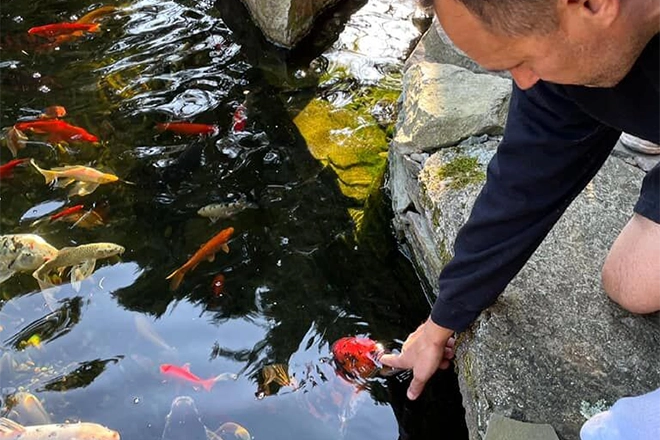
Image Source: premierpond.com
Why Dog Food is a Bad Idea for Pond Fish
Giving dog food to pond fish seems easy. But it causes many problems. Dog food is made for dogs, not fish. Their bodies are very different. This means what is good for a dog is not good for a fish.
Grasping Fish Nutritional Needs
Fish need special food. Their bodies work in a different way than land animals. A healthy pond fish diet must have the right balance of:
- Protein: Fish need a lot of protein. This helps them grow and stay strong. The protein must come from fish or other aquatic sources.
- Fats: These give fish energy. But the type of fat matters. Fish need fats that are easy for them to digest.
- Carbohydrates: These are for energy too. But fish do not need as many carbs as dogs.
- Vitamins and Minerals: Fish need special vitamins like Vitamin C. These keep their immune system strong. They also need minerals for bone health.
Fish get most of their food from the water. So, their food needs to be water-stable. It should not fall apart quickly. It also needs to be easy for them to eat and digest.
Deciphering Dog Food Composition
Let’s look at what is inside dog food. Dog food composition is for dogs. Dogs are mammals. Their bodies break down food in a different way.
Here are some main differences:
- Protein Levels for Fish vs. Dogs: Dog food often has protein from land animals like chicken, beef, or lamb. It might have less protein than fish need. Also, the protein is not always easy for fish to digest. Fish need protein that comes from fish or plants found in water. Dog food protein is often around 18-30%. Fish food often has 30-45% protein, sometimes more for young fish.
- Fat Types: Dog food has fats that are good for dogs. These fats might not be easy for fish to use. Fish need fats that are good for their cold-blooded bodies.
- Carbohydrates: Dog food often has lots of grains like corn, wheat, or rice. These give dogs energy. Fish do not need or easily digest this much grain. Too many carbs can make fish sick.
- Vitamins and Minerals: Dog food has vitamins for dogs. These might not be the right ones, or in the right amounts, for fish. For example, fish need more calcium or phosphorus in a certain ratio for their bones.
- Binders and Fillers: Dog food often has things to hold it together or fill it up. These can be hard for fish to digest. They can also make pond water dirty.
How Dog Food Affects Fish Health
Feeding dog food to fish causes many health problems. The fish digestive system is not made for dog food. It is built to break down very different foods.
Strain on the Fish Digestive System
Fish have simple digestive systems. They do not have the same enzymes as dogs to break down complex land animal proteins or high amounts of starch.
- Poor Digestion: When fish eat dog food, they cannot digest it well. This means they do not get the nutrients they need. They might also get stomach upset.
- Nutrient Deficiency: Even if they eat it, they miss out on key nutrients. This is like eating only candy for a human. You get calories but no real nutrition. Over time, this makes fish weak.
- Bloating and Swim Bladder Issues: Dog food expands a lot in water. When fish eat it, it can expand in their stomachs. This causes bloating. It can also press on their swim bladder. The swim bladder helps fish float. If it is pressed, fish can struggle to swim right. They might float sideways or upside down.
- Liver and Kidney Problems: Dog food has fats and proteins that are hard for fish livers and kidneys to process. Over time, this can damage these organs. Just like eating bad food can harm a human’s liver.
- Weakened Immune System: Fish that do not get the right food get sick easily. Their immune system gets weak. They are more likely to catch diseases and parasites.
- Stunted Growth: Without the right food, fish do not grow to their full size. They stay small and unhealthy.
Impact on Pond Water Quality
Feeding dog food not only harms fish but also ruins your pond water. This is a big problem for water parameter effects.
How Dog Food Spoils Pond Water
Dog food is not made to be in water. When it gets wet, it quickly breaks down.
- Uneaten Food Decay: Much of the dog food will not be eaten by the fish. It sinks to the bottom. There, it rots. This decay releases harmful chemicals into the water.
- Ammonia Spikes: When food rots, it makes ammonia. Ammonia is very toxic to fish. Even small amounts can stress them. High levels can kill them.
- Nitrite and Nitrate Buildup: Ammonia turns into nitrite, then nitrate. These are also bad for fish. High levels make fish sick and weaken them. This makes the water quality very poor.
- Oxygen Depletion: The rotting food uses up oxygen in the water. Fish need oxygen to breathe. If there is not enough oxygen, fish will struggle. They might gasp at the surface. Severe oxygen drops can cause fish to die.
- Algae Blooms: The rotting food and fish waste add nutrients like phosphates to the water. These nutrients feed algae. This leads to green, murky water. An algae bloom makes the pond look bad. It also hurts fish.
- Filter Overload: Your pond filter works to clean the water. But if you add dog food, there is too much waste. The filter cannot keep up. It gets clogged. This makes the water even dirtier.
- Cloudy Water: The undigested dog food and waste make the water cloudy. You cannot see your fish clearly. The pond looks dirty.
In a table, let’s see the comparison between proper fish food and dog food in water:
| Feature | Proper Fish Food | Dog Food |
|---|---|---|
| Water Stability | Stays together longer, designed for water | Breaks down fast, gets mushy, dissolves |
| Sinking/Floating | Often comes in both types, predictable | Sinks quickly, or floats and gets messy |
| Water Cloudiness | Less, designed for clean water | High, contributes to murky water |
| Nutrient Release | Slow, contained in pellet | Fast, releases nutrients into water quickly |
| Oxygen Impact | Minimal if fed correctly | High, decomposition uses up oxygen |
| Algae Growth | Less likely to cause excessive growth | High risk due to high nutrient release (phosphates) |
| Filter Impact | Less strain on filter | Heavy strain, clogs filter, reduces efficiency |
Proper Pond Fish Diet: What to Feed Instead
Instead of dog food, use proper fish food. This is key for aquatic pet food safety. Good fish food is designed to meet all fish nutritional needs.
Choosing the Right Food
There are many types of good fish food. Pick one that is right for your fish type and size.
- Pellets: These are common. They come in different sizes for different fish. Some float, some sink. Choose based on how your fish eat.
- Sticks: Larger, longer pellets. Good for big fish.
- Flakes: Small, thin pieces. Best for small fish or young fish.
- Gel Foods: Some special foods come as a gel. They are easy to digest.
- Live/Frozen Foods: Things like bloodworms, brine shrimp, or daphnia. These are good as a treat. They add variety to the pond fish diet.
Look for fish food that lists:
- High-quality protein: From fish meal, shrimp meal, spirulina, or other aquatic sources.
- Balanced fats: Specific fatty acids that fish need.
- Vitamins: Especially Vitamin C for health.
- No unnecessary fillers: Less corn or wheat.
Koi Feeding Guide
Koi are large, active fish. They need a good diet to grow big and colorful. Here is a brief koi feeding guide:
- Main Food: Use a good quality koi pellet. Look for one with 30-40% protein.
- Seasonal Feeding:
- Spring/Fall: When water is cool (50-65°F or 10-18°C), use a wheat germ-based food. This is easier to digest.
- Summer: When water is warm (above 65°F or 18°C), use a higher protein food. This helps growth.
- Winter: Stop feeding below 50°F (10°C). Their digestion slows down.
- How Much: Feed only what they can eat in 5-10 minutes. Remove any leftover food.
- Frequency:
- Spring/Fall: Once a day.
- Summer: 2-3 times a day.
- Treats: Offer small amounts of treats like oranges, watermelon, or earthworms occasionally. Always in moderation.
Goldfish Diet Advice
Goldfish are smaller but also need proper care. Here is some goldfish diet advice:
- Main Food: Use high-quality goldfish pellets or flakes. Look for 25-35% protein.
- Sinking vs. Floating: Goldfish can gulp air if they eat floating food too fast. This causes swim bladder problems. Many owners prefer sinking pellets for this reason. Or, soak floating pellets for a minute before feeding.
- How Much: Feed only what they can eat in 2-3 minutes. Overfeeding is common and bad for them.
- Frequency: 1-2 times a day.
- Variety: Add blanched vegetables like peas (skin removed), lettuce, or spinach. These help with digestion.
- Avoid Overfeeding: This is the biggest mistake. Overfeeding leads to sick fish and dirty water.
Risks of Improper Fish Feeding
Improper fish feeding creates a chain of bad events. It’s not just about fish getting sick right away. It’s about long-term harm to the fish and the whole pond system.
Long-Term Health Issues for Fish
When fish eat the wrong food often, they get many long-term health problems.
- Poor Growth: They do not grow to their full size. They stay small and weak.
- Color Loss: Their bright colors can fade. This is a sign of bad health.
- Fin Rot and Ulcers: A weak immune system makes them prone to diseases. Fins can rot, and open sores (ulcers) can appear on their bodies.
- Organ Failure: The liver and kidneys work too hard to process bad food. This can lead to these organs failing.
- Shorter Lifespan: Fish fed improperly live much shorter lives. A koi can live for decades, but not on dog food.
Worsening Water Quality Over Time
The negative water parameter effects from dog food do not go away. They get worse.
- Constant Ammonia/Nitrite Spikes: The pond never truly gets clean. Ammonia and nitrite are always present, stressing the fish.
- Chronic Low Oxygen: The water constantly loses oxygen due to decay. This strains fish gills and makes them tired.
- Persistent Algae: The pond becomes a green soup. It is hard to see fish and keep the water clean. You will spend more time and money fighting algae.
- Disease Outbreaks: Dirty water is a breeding ground for bad bacteria and parasites. Fish are more likely to get sick, and diseases spread fast.
General Aquatic Pet Food Safety
Keeping your pond and fish healthy means following good aquatic pet food safety rules.
- Always Use Fish-Specific Food: This is the most important rule. Never use food meant for other animals.
- Check Expiration Dates: Food loses nutrients over time. Buy fresh food and check the date.
- Store Food Properly: Keep fish food in a cool, dry, dark place. Seal it tightly. Air and moisture can spoil it.
- Buy Smaller Quantities: Only buy as much food as you can use in a few months. This keeps it fresh.
- Feed Sparingly: It is better to underfeed than overfeed. A little less food is much better than too much.
- Observe Your Fish: Watch how they eat. Are they finishing all the food? Are they swimming well? Any changes in behavior can mean something is wrong.
- Clean Your Pond Regularly: Even with good food, ponds need cleaning. Remove debris, check filters, and do water changes.
Final Thoughts on Pond Health and Diet
The simple answer is clear: Do not feed dog food to your pond fish. It is not designed for their fish nutritional needs. It harms their fish digestive system. It makes your pond water dirty and toxic, leading to severe water parameter effects.
For a thriving pond and healthy, happy fish, invest in high-quality fish food. Follow a proper pond fish diet. Use a koi feeding guide or goldfish diet advice as needed. Avoiding improper fish feeding is the best way to keep your aquatic pets safe and vibrant. Your fish will thank you with their health and beauty, and your pond will stay clean and clear.
Frequently Asked Questions (FAQ)
Is there any scenario where dog food is okay for fish?
No. There is no scenario where dog food is recommended or safe for pond fish. Even in a pinch, it can cause more harm than good. It is always better to wait and get proper fish food.
What if my fish accidentally ate a piece of dog food?
One accidental piece is unlikely to cause severe harm. However, do not make it a habit. Monitor your fish for signs of distress like bloating or unusual swimming. Check your water quality.
Can I feed my fish table scraps or bread?
No, generally avoid table scraps and bread. Like dog food, these are not nutritionally balanced for fish. Bread, in particular, offers little nutrition and can swell in their stomachs, causing digestive issues and bloating. It also quickly fouls pond water.
How can I tell if my fish are getting the right nutrition?
Healthy fish will have vibrant colors, active swimming, good growth rates, and clear eyes. They should have clean fins with no tears or rot. If your fish show dull colors, swim strangely, or have sores, their diet might be a factor.
How often should I test my pond water?
It’s a good idea to test your pond water at least once a week, especially when temperatures are warm and fish are actively feeding. Test for ammonia, nitrite, and nitrate levels. Regular testing helps you catch problems early.
What happens if I overfeed my fish, even with proper fish food?
Overfeeding, even with proper fish food, leads to similar problems as feeding the wrong food. Uneaten food will rot, causing high ammonia, nitrite, and nitrate levels, oxygen depletion, and algae blooms. It also causes fish to become obese and unhealthy. Always feed only what your fish can eat in a few minutes.