
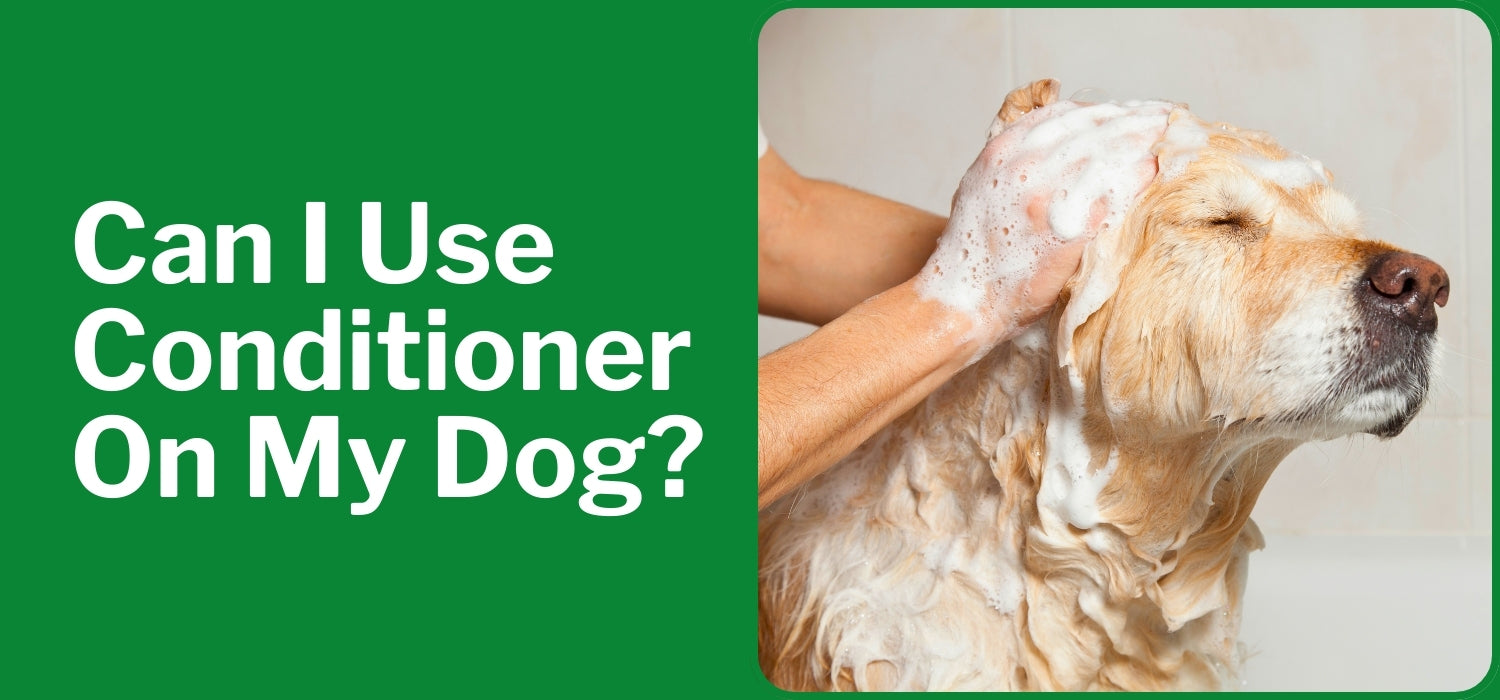
Image Source: thedogdoctors.co.uk
Is It Safe? Can You Use Human Hair Conditioner On A Dog?
No, you should not use human hair conditioner on a dog. Human hair conditioners are not safe for dogs. They are made for human skin and hair. Our skin is very different from a dog’s skin. Using human products on your dog can cause bad skin problems. It can also lead to other health issues. It is always best to use products made for dogs.
Why Human Conditioner Is Not Good for Dogs
Your dog’s skin is a delicate thing. It acts as a shield. Human hair conditioner can break down this shield. This can make your dog sick.
The Big Difference: Skin pH
Every living thing has a pH level. pH tells us how acidic or alkaline something is. It is measured on a scale from 0 to 14. A pH of 7 is neutral. Lower numbers are acidic. Higher numbers are alkaline.
- Dog Skin pH Balance: A dog’s skin is more alkaline. Its pH usually ranges from 6.2 to 7.4. This can change a little based on the dog breed. It also depends on the part of their body. For example, some dogs might have a pH closer to 7.5. This alkaline state is normal for them. It helps their skin stay healthy.
- Human Skin pH: Human skin is more acidic. Our pH is usually around 5.5. We use products that match this acidity. This helps our skin stay healthy.
When you use human conditioner on a dog, you put an acidic product on alkaline skin. This throws off the dog skin pH balance. Think of it like mixing oil and water. They do not mix well. Your dog’s skin gets out of whack. This can lead to many problems. The skin’s natural barrier can get damaged. This barrier protects against germs and bad stuff. A broken barrier makes your dog more likely to get infections. Their skin can become dry, itchy, and sore.
Skin Structure: More Than Just Hair
The skin of a dog is very different from human skin. This is another big reason why human conditioner is not safe.
- Thickness: Human skin has many layers. It is thicker than dog skin. Dog skin has fewer layers. It is much thinner. This means dogs absorb things through their skin more easily. What you put on your dog’s skin goes into their body faster.
- Hair Follicles: Dogs have many hair follicles in one spot. Humans usually have one. This makes dog coats thicker. It also means more tiny openings on their skin. These openings can absorb chemicals more easily.
- Sweat Glands: Humans sweat all over their body. Dogs mainly sweat through their paws. Their main way to cool down is panting. This means their skin does not handle moisture the same way ours does.
- Oil Glands: Both humans and dogs have oil glands. These glands make oil. This oil keeps skin and hair soft. But the type of oil and how much is made is different. Human conditioner tries to fix human oil issues. It can make a dog’s skin too oily or too dry. This upsets their natural oil balance.
Because dog skin is thinner and absorbs more, any bad chemicals in human conditioner get into their system fast. This makes it very risky.
Harmful Ingredients Lurking in Human Conditioners
Human hair conditioners often contain many chemicals. These chemicals help our hair look good. They make it shiny. They make it soft. But these same chemicals can be very bad for your dog. Your dog might lick their fur after a bath. This means they can swallow these chemicals. This can make them very sick.
Common Chemicals to Watch Out For
Many ingredients in human conditioners are harmful ingredients human conditioner often includes. Some are known toxic chemicals for dogs hair and skin.
- Parabens: These are common preservatives. They stop mold and bacteria from growing in products. They are found in many human beauty items. For dogs, parabens can mess with their hormones. They can also cause skin irritation. Some studies link them to more serious health problems over time.
- Sulfates (SLS/SLES): These are cleaning agents. They make products foam up. They are very harsh. They can strip natural oils from your dog’s skin. This leads to dog dry skin after human conditioner. It can also cause itching and irritation.
- Phthalates: These chemicals make fragrances last longer. They also make plastics more flexible. They can be very harmful to dogs. Phthalates can affect a dog’s hormones. They may harm their liver and kidneys. They are often hidden under the term “fragrance” on labels.
- Artificial Colors and Dyes: Human conditioners often have bright colors. These colors are made from artificial dyes. These dyes can cause allergic reactions in dogs conditioner use brings on. They can make your dog’s skin itchy or red.
- Artificial Fragrances: This is a big one. Human conditioners smell nice to us. But these smells come from complex chemical mixes. These mixes are often irritants. They can bother a dog’s nose. They can cause skin irritation. They are a common cause of allergic reactions in dogs conditioner use can trigger. They can also be toxic if swallowed.
- Propylene Glycol: This is a wetting agent. It helps products hold moisture. In large amounts, it can be toxic. It is often found in antifreeze. While amounts in conditioner are small, regular exposure can be bad.
- Formaldehyde-releasing Preservatives: These chemicals slowly release formaldehyde. Formaldehyde is a known irritant and allergen. It can cause skin issues and respiratory problems.
Look at this table for a quick view of some common harmful ingredients and their risks:
| Ingredient Type | Examples | Risk to Dogs |
|---|---|---|
| Preservatives | Parabens | Hormone disruption, skin irritation |
| Foaming Agents | Sulfates (SLS, SLES) | Strips natural oils, dog dry skin, irritation |
| Scent Enhancers | Phthalates, Artificial Frags | Hormone disruption, organ damage, allergic reactions |
| Moisture Retainers | Propylene Glycol | Can be toxic if ingested, skin irritant |
| Colors | Artificial Dyes | Allergic reactions, skin irritation |
Risks of Bad Reactions
Using human conditioner on your dog can lead to many bad reactions. These reactions can be mild or very serious. It is not worth the risk.
- Allergic Reactions in Dogs Conditioner Use Can Cause: Dogs can be allergic to many things. The chemicals in human conditioner are common allergens. Signs of an allergic reaction include:
- Intense itching: Your dog might scratch or lick their skin nonstop.
- Redness or rashes: Their skin might look red, inflamed, or bumpy.
- Hives: Raised, itchy bumps on their skin.
- Swelling: Especially around the face, paws, or ears.
- Hair loss: From constant scratching or skin damage.
- Skin infections: If the skin barrier is broken, bacteria can enter.
- Difficulty breathing: In very severe cases, swelling can affect airways.
- Dog Dry Skin After Human Conditioner: The pH mismatch and harsh chemicals strip your dog’s natural skin oils. This leads to very dry, flaky skin. Your dog might constantly scratch. This can lead to open sores and infections.
- Gastrointestinal Issues: Dogs often lick their fur after a bath. If they lick off human conditioner, they swallow the chemicals. This can cause:
- Vomiting
- Diarrhea
- Lack of appetite
- Stomach upset
- Drooling
- Chemical Burns: In very sensitive dogs, strong chemicals can cause mild chemical burns. This will look like red, raw, and very painful skin.
- Eye Irritation: If human conditioner gets into your dog’s eyes, it can cause severe irritation. Their eyes might become red, watery, or swollen.
It is much safer to avoid these risks. Use products made for your dog.
The Smart Choice: Canine Conditioner Safety
Choosing the right products for your dog is key. This means looking for items made just for dogs. These products are designed with canine conditioner safety in mind. They protect your dog’s unique skin.
Why Dog-Specific Products Matter
Pet friendly hair products are not just a marketing trick. They are made based on science. They are created to match your dog’s skin pH balance. They use ingredients that are known to be safe for dogs.
- Correct pH Level: Dog conditioners are formulated to have a pH between 6.2 and 7.4. This matches your dog’s natural skin pH. It helps keep their skin barrier strong. It prevents dryness and irritation.
- Gentle Ingredients: Pet friendly hair products use milder ingredients. They avoid harsh chemicals like sulfates, parabens, and strong artificial fragrances. They often use natural moisturizers. These include oatmeal, aloe vera, and essential fatty acids. These ingredients soothe the skin. They help the coat stay healthy.
- No Toxic Additives: Dog conditioners avoid toxic chemicals for dogs hair. This reduces the risk of skin reactions. It also lowers the danger if your dog licks their fur.
- Specific Needs: Some dog conditioners are made for specific issues. There are conditioners for dry skin, sensitive skin, or shedding. There are also conditioners for dogs with allergies. This tailored approach helps your dog much more than a human product ever could.
- Formulated for Licking: Manufacturers know dogs lick themselves. So, canine conditioner safety means using ingredients that are not harmful if swallowed in small amounts. This is a huge benefit.
Seeking Expert Advice
Sometimes, choosing the right conditioner can be hard. There are so many options. This is where your veterinarian comes in. A veterinarian recommended dog conditioner is always the best choice.
- Personalized Advice: Your vet knows your dog’s health history. They know about any allergies. They can look at your dog’s skin and coat condition. This allows them to suggest the very best product.
- Addressing Skin Issues: If your dog has dry skin, hot spots, or allergies, a vet can recommend special medicated conditioners. These conditioners can treat skin problems. They also keep the coat healthy.
- Avoiding Risks: Your vet can tell you which ingredients to avoid. They can help you understand labels. This prevents you from buying products that might cause allergic reactions in dogs conditioner labels might hide.
- Brand Recommendations: Vets often have a list of trusted brands. These brands focus on canine conditioner safety. They have proven results. They are often high-quality pet friendly hair products.
Always talk to your vet before trying new products on your dog. This is especially true if your dog has sensitive skin or known allergies.
Signs Your Dog Had a Bad Experience
It is important to know the signs of a bad reaction. If you accidentally use human conditioner on your dog, watch them closely. Early detection can prevent worse problems.
Spotting Skin Trouble
Most reactions will show up on your dog’s skin.
- Excessive Itching and Scratching: This is often the first sign. Your dog cannot stop scratching themselves. They might use their paws or rub against furniture.
- Redness or Inflammation: Their skin might look pink or red. It can look swollen. You might see this where the conditioner was used.
- Rashes or Bumps: Small red bumps or a widespread rash can appear. This is a clear sign of irritation or an allergic reaction.
- Hot Spots: These are raw, red, wet sores. Dogs create them by licking, chewing, or scratching one area too much. They can get infected quickly. Human conditioner can cause hot spots if the skin gets irritated.
- Flaking or Dandruff: This is a clear sign of dog dry skin after human conditioner. The skin loses its natural moisture and sheds.
- Dull Coat: Instead of being shiny, their coat might look dull and dry. It might feel coarse.
- Hair Loss: If the irritation is severe or lasts a long time, patches of hair might fall out. This can be from scratching or direct skin damage.
Other Health Signals
Skin problems are not the only signs. Because dogs lick themselves, they might swallow some of the conditioner.
- Licking or Chewing Paws/Body: This is a self-soothing behavior. Your dog is trying to relieve the itch or discomfort. It can also be a sign of pain or nausea if they have eaten the product.
- Vomiting or Diarrhea: If your dog ingested the conditioner, their stomach might get upset. This can lead to throwing up or loose stools.
- Loss of Appetite: Your dog might not want to eat if they feel unwell.
- Lethargy: They might seem tired or less active than usual. This is a general sign of not feeling well.
- Excessive Drooling: This can be a sign of nausea or oral irritation.
- Eye Irritation: If conditioner got into their eyes, they might rub them, blink a lot, or have red, watery eyes.
If you see any of these signs, contact your vet right away. Tell them what product you used. They can give you advice. They might tell you to rinse your dog again. Or they might ask you to bring your dog in for a check-up. Do not wait. Early action can help your dog feel better faster.
Exploring Safe Conditioning Options for Your Dog
Now that you know what not to use, let us talk about what to use. There are many great products made just for dogs. They help keep their coats healthy and shiny without any risks.
Finding the Right Dog Conditioner
Choosing a good canine conditioner means looking for certain things. Always read the labels.
- Dog-Specific Label: Make sure the bottle clearly says “for dogs” or “pet conditioner.” This is the first and most important step.
- pH Balanced: Look for terms like “pH balanced for dogs.” This tells you the product respects your dog’s skin.
- Natural Ingredients: Seek out products with natural ingredients. Things like colloidal oatmeal, aloe vera, shea butter, and coconut oil are often good choices. They soothe and moisturize the skin.
- Free From Harmful Chemicals: Look for labels that say “paraben-free,” “sulfate-free,” “phthalate-free,” or “dye-free.” “Fragrance-free” is even better. If it has a scent, make sure it is from natural sources like essential oils, but even then, check if they are safe for dogs.
- Hypo-allergenic: If your dog has sensitive skin or allergies, choose a hypo-allergenic conditioner. These products are made with very few ingredients that cause allergic reactions.
- Tear-Free Formula: While conditioners are usually not used near the eyes, a tear-free formula gives extra safety. It is less irritating if it accidentally gets into their eyes.
- Benefits: Some conditioners offer extra benefits.
- Moisturizing: Good for dry or flaky skin.
- De-shedding: Helps remove loose fur.
- De-tangling: Makes brushing easier for long-haired breeds.
- Odor Control: Helps with smelly dogs.
- Medicated: For specific skin conditions (use only if veterinarian recommended dog conditioner).
Alternative Dog Conditioning Products
Sometimes you might want to use something very gentle. Or you might need a temporary fix. Some natural items can offer conditioning effects. But always check with your vet before using anything new.
- Oatmeal Baths: Colloidal oatmeal is finely ground oats. It is a natural skin soother. It can help with dry, itchy skin. You can buy oatmeal bath products made for dogs. Or you can make your own. Just grind plain, uncooked oats into a fine powder. Add it to your dog’s bath water. Let them soak for 10-15 minutes. This is a great alternative dog conditioning products choice.
- Coconut Oil: Virgin, unrefined coconut oil can be a good moisturizer. You can warm a small amount in your hands. Then, gently massage it into your dog’s coat and skin after a bath. Rinse well so your dog does not get too greasy. Only use a tiny bit. Too much can make them oily. And if they lick it, too much can cause tummy upset. It is best for external use only.
- Apple Cider Vinegar (Diluted): A very diluted apple cider vinegar rinse can help restore skin pH. It can also add shine. Mix one part apple cider vinegar with 10 parts water. Use it as a final rinse after shampooing. Rinse well afterwards. Do not use on broken skin. Always dilute it greatly. This can be a tricky one. Use with care.
- Aloe Vera: Pure aloe vera gel can be soothing for irritated skin. Make sure it is 100% pure aloe vera. It must be free of any additives or fragrances. Do not use if your dog might lick it. Some parts of the aloe plant are toxic if eaten. Only use external gel.
- Specialized Leave-In Sprays or Wipes: Many pet brands offer leave-in conditioners or conditioning wipes. These are great for quick touch-ups between baths. They are made to be safe for dogs. They help keep the coat soft and smelling fresh. They are often pet friendly hair products.
When using any alternative, remember that “natural” does not always mean “safe.” Always do a small patch test first. Apply a tiny amount to a small area of skin. Wait 24 hours to check for a reaction. If no redness or itching appears, it is likely safe for wider use.
Best Practices for Bathing Your Dog
Using the right products is only half the battle. How you bathe your dog also matters. A good bathing routine makes the conditioning process safer and more effective.
A Step-by-Step Guide
Follow these steps for a safe and happy bath time:
- Brush First: Before getting your dog wet, brush their coat thoroughly. This removes loose fur, dirt, and tangles. It makes shampooing and conditioning much easier. It also prevents mats from getting tighter when wet.
- Gather Supplies: Have everything ready. This includes dog shampoo, dog conditioner, towels, a brush, and treats. Make sure the water temperature is right. It should be lukewarm, not too hot or too cold.
- Wet Your Dog: Gently wet your dog’s coat all over. Start from their neck and work your way back. Be careful around their face and ears. Avoid getting water directly into their ears. Water in the ears can lead to ear infections. You can use cotton balls in their ears to help keep water out.
- Shampoo Time: Apply a small amount of dog shampoo. Lather it into their coat. Massage it down to the skin. Work from neck to tail. Pay attention to dirty areas. Be gentle.
- Rinse Thoroughly (Shampoo): Rinse all the shampoo off your dog. This is very important. Leftover shampoo can cause skin irritation. Rinse until the water runs clear and there are no suds. Squeeze the coat to check for suds.
- Apply Conditioner: After rinsing the shampoo, apply the dog conditioner. Start from the neck down. Work it into the coat and skin. Read the conditioner label for how long to leave it on. This is usually a few minutes. Use this time to give your dog a gentle massage.
- Rinse Thoroughly (Conditioner): Rinse all the conditioner off your dog. Just like with shampoo, leftover conditioner can irritate the skin. It can also make the coat look dull or greasy. Rinse until the coat feels clean and free of slickness.
- Towel Dry: Use a clean towel to dry your dog. Gently squeeze and pat their fur. Avoid harsh rubbing, which can tangle their coat.
- Air Dry or Blow Dry (Carefully): Let your dog air dry in a warm, draft-free place. Or use a blow dryer made for dogs. These have lower heat settings. If using a human blow dryer, use the cool or low-heat setting. Keep the dryer moving. Do not hold it in one spot. This prevents burns. Always ensure your dog is completely dry. Damp fur can lead to skin problems.
- Final Brush: Once dry, give your dog a final brush. This helps detangle any remaining knots. It also distributes their natural oils.
Tips for a Happy Bath Time
Bathing can be stressful for some dogs. Make it a good experience.
- Start Young: Get your puppy used to baths early.
- Use Treats: Reward your dog throughout the bath. Give them treats for being calm.
- Talk Calmly: Speak to your dog in a soft, reassuring voice.
- Be Patient: Do not rush the process.
- Non-Slip Mat: Put a non-slip mat in the tub. This makes your dog feel more secure.
- Make it Fun: Some dogs enjoy playing with water. You can make it a game.
By following these steps, you can keep your dog clean, healthy, and happy. And by using pet friendly hair products, you ensure their safety.
Final Thoughts on Canine Coat Care
The health of your dog’s skin and coat tells a lot about their overall well-being. A shiny coat and healthy skin are signs of a happy, well-cared-for dog. Using the right products is a big part of this.
To wrap it up, remember these key points:
- Avoid Human Products: Human hair conditioner is not safe for dogs. It has a different pH level. It contains harmful ingredients. These can cause serious skin and health issues for your dog.
- Prioritize Dog Skin pH Balance: Your dog’s skin needs products that match its natural pH. This keeps their skin barrier strong. It protects them from irritation and infection.
- Choose Canine Conditioner Safety: Always pick products made specifically for dogs. These are formulated with your dog’s unique biology in mind. They use safe ingredients. They avoid toxic chemicals for dogs hair.
- Seek Vet Guidance: If you are unsure, ask your veterinarian. They can recommend the best products for your dog’s specific needs. A veterinarian recommended dog conditioner is always the safest bet.
- Be Aware of Symptoms: Know the signs of a bad reaction. If you see itching, redness, or sickness, get help fast.
Taking care of your dog’s coat is more than just making them look good. It is about keeping them healthy and comfortable. By choosing pet friendly hair products and following good grooming habits, you give your furry friend the best care possible. Your dog trusts you to make good choices for them. Make sure those choices lead to a healthy, happy life.
Frequently Asked Questions (FAQ)
h4: Can I use baby conditioner on my dog?
No, you should not use baby conditioner on your dog. While baby products are gentler than adult human products, they are still made for human skin. Baby skin pH is different from a dog’s skin pH. Baby conditioners can still contain ingredients that are not good for dogs. Always choose products made specifically for dogs.
h4: How often should I condition my dog?
The frequency depends on your dog’s breed, coat type, and activity level. Most dogs need conditioning every 2-4 weeks. Dogs with long coats or those prone to tangles might need it more often. Dogs with very short coats or sensitive skin might need it less often. Talk to your vet or a professional groomer for advice specific to your dog.
h4: What if my dog licks human conditioner?
If your dog licks human conditioner, watch them closely. Small amounts might cause mild stomach upset (vomiting or diarrhea). Larger amounts or exposure to very toxic ingredients can be more serious. Call your veterinarian immediately. Have the conditioner bottle ready so you can tell them the ingredients.
h4: Are “natural” human conditioners safe for dogs?
Not necessarily. Even human conditioners labeled “natural” or “organic” can have a pH level that is wrong for dogs. They may also contain essential oils or plant extracts that are safe for humans but toxic to dogs. Always stick to products specifically made and labeled for dogs to ensure canine conditioner safety.
h4: How can I tell if a dog conditioner is truly safe?
Look for specific labels: “pH balanced for dogs,” “veterinarian recommended dog conditioner,” “no parabens,” “no sulfates,” “no artificial dyes,” and “no phthalates.” Research the brand. Read reviews. If your dog has sensitive skin or allergies, ask your vet for a specific recommendation. A truly safe conditioner will prioritize pet friendly hair products ingredients.