
Yes, a female dog can be spayed during estrus, or “in heat.” Many veterinarians perform this surgery. However, is it safe to spay a dog in heat? While possible, it carries higher risks. These include more bleeding and a longer, more complex surgery. Deciding to spay your dog while she is in season needs careful thought. This guide explores the safety and wisdom of this choice. We will look at the risks, benefits, and what vets advise.
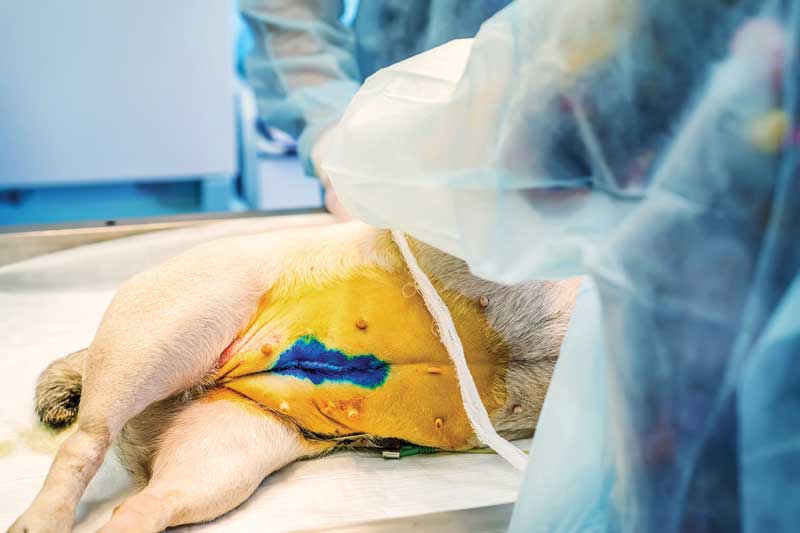
Image Source: www.veterinarypracticenews.com
Interpreting the Estrus Cycle
A female dog’s heat cycle is a natural process. It shows her body is ready to have puppies. This cycle is also called estrus. It usually happens twice a year for most dogs. The cycle has four main parts.
The Four Phases of Heat
Knowing these phases helps you make good choices.
- Proestrus: This is the first stage. It lasts about 7 to 10 days. Your dog may have a swollen vulva. She might have a bloody discharge. Male dogs will be interested in her. But she will not let them mate yet.
- Estrus: This is the mating stage. It lasts about 5 to 10 days. The discharge may be less red or straw-colored. Her vulva might feel softer. She will now accept male dogs. This is when she can get pregnant.
- Diestrus: This stage follows estrus. It lasts about 60 to 90 days. If your dog got pregnant, this is when she carries the puppies. If not, her body still acts as if she is pregnant. Her hormones change.
- Anestrus: This is the resting period. It lasts about 4 to 5 months. No sexual activity happens during this time. This is often the best time to spay a dog.
When a dog is “in heat,” it means she is in proestrus or estrus. Her body is full of hormones. Her blood vessels are bigger and more active. This makes spaying more complex.
Spaying a Dog While in Season: The Risks
Spaying a dog when she is in heat has higher risks. These risks are important to know. Your vet will talk about them with you. The biggest concern is bleeding.
Increased Bleeding During Surgery
One major issue is increased bleeding spay in heat. When a dog is in heat, blood flows more to her reproductive organs. Her uterus and ovaries swell. Their blood vessels get larger. They are more fragile. Cutting these vessels causes more blood loss. This makes the surgery harder.
- Higher Blood Loss: More blood loss means a greater need for blood transfusions. It can also lead to shock.
- Longer Surgery Time: The vet must be very careful. They need extra time to find and tie off blood vessels. This makes the surgery last longer.
- Harder to See: Blood in the surgical area can hide small vessels. This makes it harder for the vet to work.
Surgical Complications
Beyond bleeding, other issues can arise. These are some complications of spaying dog in heat.
- Suture Breakage: Tissues are more swollen. They are also more delicate. Stitches used to close blood vessels might break. This can cause bleeding after surgery.
- Organ Fragility: The uterus and ovaries are very delicate. They are engorged with blood. They can tear more easily during surgery. This can lead to more blood loss.
- Inflammation: The tissues are already inflamed due to hormones. Surgery adds to this. This can make healing slower. It can also cause more pain.
- Anesthetic Risks: Longer surgeries mean more time under anesthesia. This increases the risk of problems related to the drugs. All surgeries have anesthetic risks. These are higher with longer procedures.
Table: Spaying in Heat vs. Not in Heat
| Feature | Spaying During Heat | Spaying Not During Heat |
|---|---|---|
| Bleeding | Significantly increased | Normal, minimal |
| Surgery Time | Longer, more complex | Shorter, more straightforward |
| Tissue State | Swollen, engorged, fragile | Normal, firm |
| Anesthetic Risk | Slightly higher due to longer procedure | Standard |
| Cost | Often higher due to complexity and extra needs | Standard |
| Recovery | Potentially slower, more pain | Faster, less pain |
| Complications | Higher risk of bleeding, infection, tissue tears | Lower risk |
Is it Safe to Spay a Dog in Heat? A Deeper Look
While vets can spay a dog in heat, calling it “safe” is complex. It is generally safer to wait. The risks are real. But sometimes, waiting is not an option.
When Spaying in Heat Might Be Considered
There are times when spaying a dog in season might be the best choice.
- Accidental Breeding: Your dog might have mated unexpectedly. Spaying quickly can prevent puppies. This is a common reason for emergency spay. This is called an “Ovariohysterectomy with an open pyometra.” It removes the uterus and ovaries. It also prevents pregnancy.
- Medical Need: Rarely, a dog might have a health issue. This issue could worsen if she is not spayed soon. A vet might suggest it even if she is in heat.
- Shelter Protocols: Animal shelters often spay dogs before adoption. They may spay a dog in heat if waiting is not practical. This helps control pet overpopulation.
Even in these cases, the vet will explain the spaying dog in heat risks. They will take extra steps. They will monitor your dog very closely.
Complications and Care
The complications of spaying dog in heat can be serious. Knowing about them helps you prepare. Good care after surgery is key.
Potential Post-Surgery Issues
After the surgery, look for these signs.
- Excessive Bleeding: Some bleeding is normal. But a lot of blood from the incision is a problem. You might see a large, soft swelling under the skin. This could be blood pooling.
- Infection: Redness, swelling, heat, or pus at the incision site means infection. Fever in your dog is also a sign.
- Dehiscence: This means the incision opens up. It can happen if the dog is too active. Or if stitches fail.
- Pain: More tissue trauma can lead to more pain. Your dog might need stronger pain medicine.
- Ovarian Remnant Syndrome (ORS): This happens rarely. A tiny piece of ovarian tissue is left behind. It can cause your dog to still show heat signs. This can happen whether spayed in heat or not. But surgery complexity might make it a slightly higher risk.
Aftercare for a Dog Spayed in Heat
Good aftercare is vital. It helps your dog heal well.
- Restrict Activity: Keep your dog calm. No running, jumping, or rough play. This prevents stress on the incision. It helps stop bleeding.
- Monitor Incision: Check the surgical site daily. Look for swelling, redness, discharge, or opening.
- Pain Management: Give all medicines as directed. Pain control is very important for comfort and healing.
- Elizabethan Collar (E-collar): Your dog needs to wear a cone. This stops her from licking or chewing the incision. Licking can cause infection or open the wound.
- Follow Vet Instructions: Your vet will give specific instructions. Follow them closely. Ask questions if you are unsure.
- Regular Check-ups: Return for follow-up visits. The vet will check the incision. They will remove stitches if needed.
Cost of Spaying Dog in Heat
The cost of spaying a dog in heat is often higher. This is due to the increased risks and complexity.
Factors Affecting Cost
Several things can make the price go up.
- Longer Surgery Time: As noted, the vet needs more time. More time means higher fees.
- Extra Supplies: The vet might need more sterile drapes or suture material. They might need special tools to control bleeding.
- Increased Monitoring: Your dog might need closer watching during and after surgery. This includes more staff time.
- Blood Transfusion: If your dog loses a lot of blood, she might need a transfusion. This is a big extra cost.
- Emergency Fees: If it is an emergency spay due to accidental breeding, it can cost more. Emergency services often have higher rates.
Table: Cost Comparison
| Item | Standard Spay Cost Range | Spay in Heat Cost Range |
|---|---|---|
| Basic Surgery | $200 – $500 | $300 – $800+ |
| Anesthesia | Included in basic | Included, but longer |
| Pain Meds | $20 – $50 | $30 – $70+ |
| E-collar | $15 – $30 | $15 – $30 |
| IV Fluids | $30 – $60 | $40 – $80+ |
| Blood Work | $50 – $150 (pre-op) | $50 – $150 (pre-op) |
| Blood Transfusion | Rare | $300 – $1,000+ |
| Overnight Stay | Rare | $100 – $300+ (if needed) |
| Total Estimated | $300 – $700 | $400 – $1,500+ |
These are just estimates. Prices vary by location and clinic. Always get a detailed quote from your vet.
Pros and Cons Spaying Dog in Heat
Making a decision requires looking at all sides. Here are the pros and cons.
Pros of Spaying a Dog While in Season
Sometimes, the benefits outweigh the risks.
- Prevents Unwanted Pregnancy: This is the main benefit. If a dog has mated, spaying quickly stops pregnancy. It prevents more puppies that need homes.
- Avoids Future Heat Cycles: Once spayed, your dog will not go into heat again. This means no more messy discharge. No more attracting male dogs.
- Reduces Risk of Pyometra: Spaying removes the uterus. This stops a serious, life-threatening infection called pyometra. This risk is higher as dogs get older. It is very common in unspayed older dogs.
- Lessens Mammary Tumors: Spaying before or between heat cycles greatly lowers the risk of breast cancer. Spaying in heat still offers some protection. But it is less than spaying before the first heat.
- Solves Urgent Issues: If a dog is in heat and runs away, she might get pregnant. Spaying then might be the only way to avoid unwanted puppies.
Cons of Spaying a Dog in Heat
The drawbacks mostly come from the increased surgical difficulty.
- Higher Surgical Risk: As discussed, more bleeding and complications are likely. This makes the procedure riskier for the dog.
- Increased Cost: The surgery usually costs more. This is due to longer time and more resources.
- Longer Recovery: Your dog might take longer to heal. She may experience more pain.
- Stress on Dog: Any surgery is stressful. Being in heat adds extra stress on the body.
When to Spay Dog After Heat Cycle
Many vets prefer to wait. The best time to spay a dog is usually between heat cycles. This is when her body is calm.
The Ideal Timing
Waiting helps lower risks.
- 2-3 Months After Heat: Most vets suggest waiting about 2 to 3 months after her heat cycle ends. By this time, her hormones have settled. Her reproductive organs return to their normal size. Blood flow decreases.
- Between Cycles: This “resting” period is called anestrus. It is the calmest time for her body. The surgery is safer. It is also easier for the vet.
- Before First Heat: Even better is spaying a dog before her first heat cycle. This greatly reduces the risk of mammary (breast) tumors. It also avoids the heat cycle mess entirely. Most vets recommend spaying around 6 months of age. This is often before the first heat.
Expert Guidance: Veterinarian Advice Spaying Dog Heat
Always talk to your vet. They are the best source of information for your dog. They know your dog’s health history.
What Your Vet Will Consider
Your vet will weigh many things.
- Your Dog’s Health: A vet will check her overall health. They will do blood tests. These tests ensure she is healthy enough for surgery.
- Reason for Spay: Is it an emergency? Or can you wait? The urgency affects the decision.
- Risks vs. Benefits: They will explain all the pros and cons for your specific dog.
- Their Experience: Some vets might be more comfortable with spaying in heat. Others might prefer to wait.
- Your Concerns: Share your worries and questions. A good vet will address them clearly.
Questions to Ask Your Vet
Prepare questions before your appointment.
- “What are the specific spaying dog in heat risks for my dog?”
- “What extra steps will you take to keep her safe?”
- “What is the increased bleeding spay in heat risk?”
- “What is the estimated cost of spaying my dog in heat?”
- “What is the recovery like if she is spayed now?”
- “If we wait, when is the best time to spay her after this heat?”
- “Are there any complications of spaying dog in heat I should watch for?”
Your vet may suggest a pyometra surgery. This is different from a routine spay. Pyometra is an infection of the uterus. It is a serious condition. If your dog has pyometra, surgery is an emergency. It must happen even if she is in heat. But this is not the same as a planned spay.
Grasping the Alternatives
If spaying in heat is not ideal, what can you do?
Managing a Dog in Heat
While waiting for the next anestrus period, you need to manage your dog’s heat cycle.
- Containment: Keep your dog inside. Use a strong leash when outside. Do not let her roam free. Male dogs can smell a female in heat from miles away. They will try to get to her.
- Supervision: Never leave her alone outside. Even in a fenced yard, male dogs can be very determined. They might dig or jump.
- Diapers: Use doggy diapers. These help manage the bloody discharge. Change them often. This keeps her clean. It also prevents stains in your home.
- Separate from Males: If you have intact male dogs, keep them apart. Even neutered males can still be interested.
- Avoid Dog Parks: Stay away from public places where dogs gather. This includes dog parks and pet stores. You do not want unwanted attention.
Making an Informed Decision
Spaying your dog is a big choice. Doing it while she is in heat adds more to think about. It is important to weigh all facts.
Key Takeaways
- Possible, but Risky: Spaying a dog in heat is possible. But it carries higher risks.
- Increased Bleeding: This is the main concern. It means a longer, harder surgery.
- Higher Cost: Expect to pay more for the procedure.
- Vet’s Advice is Key: Always talk to your veterinarian. They will help you decide.
- Waiting is Safer: If possible, wait 2-3 months after the heat ends. This is the safest time.
Ultimately, your dog’s health is the top priority. Work with your vet to make the best choice. This ensures her safety and well-being. A well-timed spay is best for her long-term health. It helps prevent many serious diseases. It also helps control pet overpopulation.
Frequently Asked Questions (FAQ)
Q1: Can female dog be spayed during estrus?
A1: Yes, a female dog can be spayed during estrus (in heat). Many veterinarians perform this surgery. However, it is more complex than spaying a dog not in heat.
Q2: Is it safe to spay a dog in heat?
A2: It is generally less safe than spaying when not in heat. The risks are higher. These include more bleeding and a longer surgery. It is safer to wait if possible.
Q3: What are the main spaying dog in heat risks?
A3: The main risks are increased bleeding during surgery. Other risks include longer surgery time, higher anesthetic risk, and more chance of complications. Tissues are more fragile.
Q4: Why does increased bleeding spay in heat happen?
A4: During heat, your dog’s reproductive organs swell. Blood vessels get bigger. They become engorged with blood. This means more blood loss when these vessels are cut during surgery.
Q5: What are the complications of spaying dog in heat?
A5: Complications can include excessive bleeding, infection, suture issues, and a longer, more painful recovery. Rarely, there could be ovarian remnant syndrome if a tiny piece of tissue is left.
Q6: What is the cost of spaying dog in heat?
A6: The cost is usually higher than a routine spay. This is due to the increased complexity and longer surgery time. Expect to pay anywhere from $400 to $1,500 or more, depending on your location and clinic.
Q7: When to spay dog after heat cycle?
A7: Most veterinarians recommend waiting about 2 to 3 months after her heat cycle ends. This allows her hormones to settle. Her reproductive organs return to normal size. This makes the surgery much safer and easier.
Q8: What veterinarian advice spaying dog heat should I follow?
A8: Always consult your own veterinarian. They will assess your dog’s health. They will discuss the specific risks and benefits for your pet. They will guide you on the best timing for surgery.