
Can a dog cough from allergies? Yes, a dog can indeed cough from allergies. Just like people, dogs can get allergies. These allergies can affect their breathing. When a dog breathes in something it is allergic to, its body can react. This reaction can lead to coughing. A cough is often a sign of irritation in the dog’s throat or airways. It is the body’s way of trying to clear something out. So, if your dog is coughing, allergies might be a reason why.
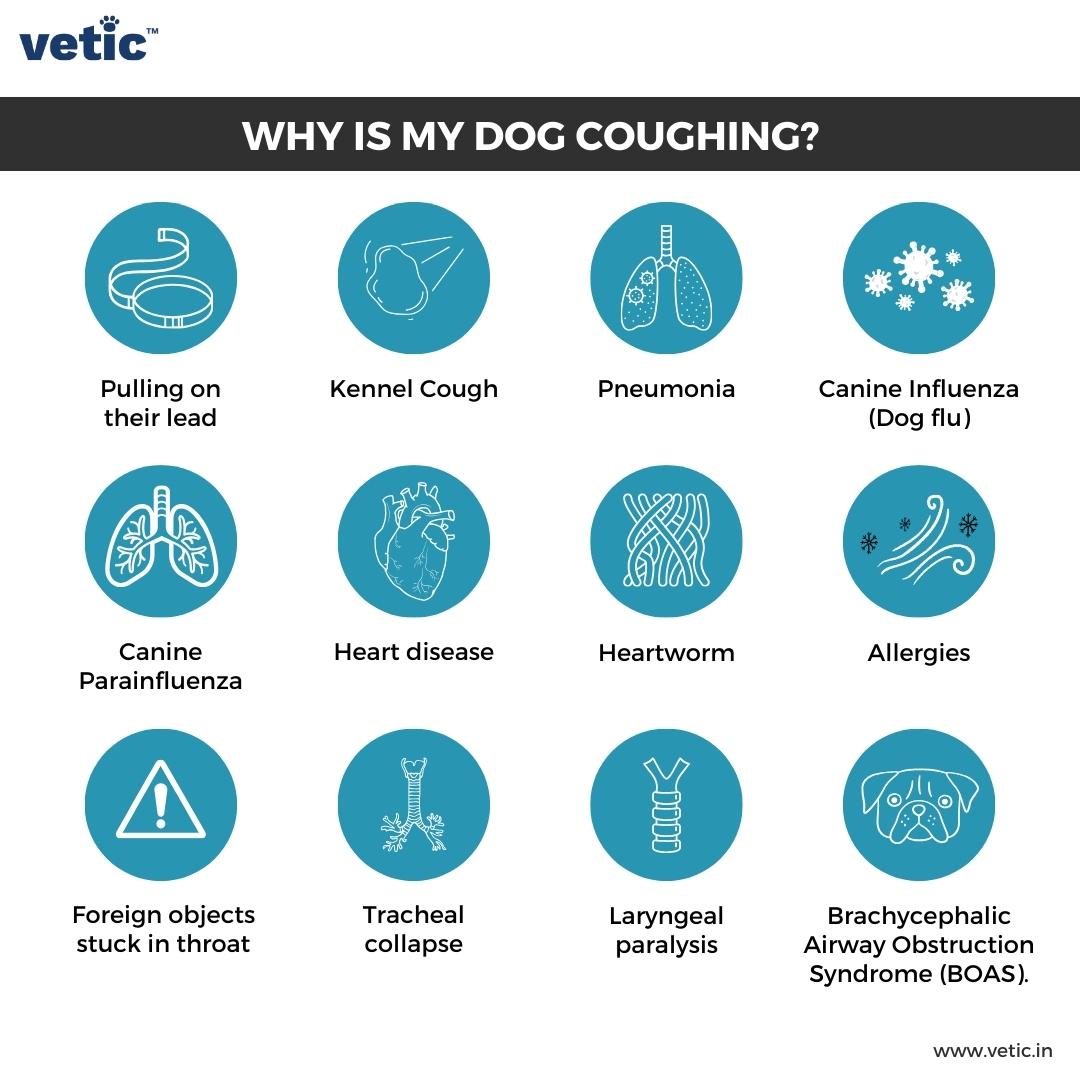
Image Source: vetic.in
What are Dog Allergies?
Dogs can get allergies to many things. These are called allergens. Allergens are usually harmless. But in an allergic dog, the body sees them as a threat. The dog’s body then tries to fight them off. This fight causes different signs. These signs are what we call allergy symptoms.
There are a few main types of dog allergies:
- Environmental Allergies: These are also called atopy. Dogs react to things in the air. Examples are pollen, dust mites, and mold. These allergies often change with the seasons.
- Food Allergies: Some dogs react to ingredients in their food. This is usually a protein source. Chicken, beef, or dairy are common culprits.
- Flea Allergies: Flea saliva can cause a strong allergic reaction. Even one flea bite can make a dog very itchy.
When a dog’s body reacts to an allergen, it releases chemicals. One important chemical is histamine. Histamine causes swelling and itchiness. It can also make breathing passages get smaller. This can lead to coughing or wheezing.
Signs of Dog Allergies Beyond a Cough
A cough is one sign. But dogs with allergies show many other signs. It is good to know all the common dog allergy symptoms. This helps you know if allergies are causing your dog’s cough.
Common signs of dog allergies include:
- Itchy Skin: This is often the biggest sign. Dogs will scratch a lot. They might chew or lick their fur. This can lead to red, sore skin. You might see hot spots.
- Ear Problems: Dogs often get ear infections. Their ears may be red, itchy, or have a bad smell. They might shake their head a lot.
- Paw Licking: Dogs with allergies often lick their paws. The paws can look red or swollen.
- Skin Rashes: You might see red bumps or a rash on the skin. This can be on the belly, armpits, or groin.
- Hair Loss: Constant scratching can cause hair to fall out.
- Sneezing: Dogs might sneeze more than usual. This is especially true with environmental allergies.
- Runny Eyes or Nose: Clear discharge from the eyes or nose can happen.
- Digestive Issues: With food allergies, dogs might have vomiting or diarrhea.
When you see a dog itchy skin and coughing, it points strongly to allergies. The itchiness means the immune system is overreacting. The cough means their breathing system might also be affected. Both are signs that the dog’s body is fighting something in its environment or food.
What Does Dog Allergy Cough Sound Like?
Knowing the sound of a cough can help. A dog allergy cough often sounds soft. It can be a dry cough. It might sound like a hack. Or it might be a mild honking sound. It is often not as harsh as a kennel cough.
Here are some things to know about what does dog allergy cough sound like:
- Dry or Hacking: It often sounds like your dog is trying to clear its throat.
- Intermittent: The cough may come and go. It might be worse at certain times of day. It can be worse after exercise.
- Not Always Deep: It usually does not come from deep in the chest. It might be more from the throat area.
- Often Paired with Other Signs: Remember, it rarely comes alone. Look for itchy skin, runny eyes, or sneezing.
It is important to know the difference. Kennel cough sounds like a harsh, honking cough. It is often like a goose honk. Heart problems can cause a wet, soft cough. This cough is often worse when the dog is resting. Allergy coughs are usually dry and more mild. Still, any new cough needs a vet’s check. This makes sure it is not something serious.
Can Dog Allergies Cause Wheezing?
Yes, can dog allergies cause wheezing is a common question. And the answer is yes. Allergies can definitely cause wheezing in dogs. Wheezing is a high-pitched sound. It happens when air moves through narrow airways. When a dog has allergies, the airways in its lungs can get inflamed. They can swell up. This makes them smaller. Air struggles to get through. This makes the wheezing sound.
Wheezing is a sign of dog respiratory allergies. It means the allergy is affecting the lungs. This is more serious than just a cough. If your dog is wheezing, you should see a vet right away. It means their breathing is hard.
Seasonal Allergies and Dog Cough
Many dogs get seasonal allergies dog cough. Just like people, dogs can react to pollen. Pollen comes from trees, grasses, and weeds. These allergies pop up at certain times of the year.
- Spring: Tree pollen is high.
- Summer: Grass pollen is common.
- Fall: Weed pollen can be a problem.
When pollen counts are high, dogs with seasonal allergies might cough more. They might also sneeze or have runny eyes. Their skin might get itchier. The cough is a sign that the pollen is irritating their breathing passages. It is often worse when they are outside. Or it can be worse after a walk. They might bring pollen inside on their fur. This can make them cough indoors too.
Dog Chronic Cough and Allergies
Sometimes, an allergy cough does not go away. This is called a dog chronic cough allergies. A cough is chronic if it lasts for two months or more. If your dog coughs for a long time, it can be a sign of ongoing allergies. It means your dog is always exposed to something it is allergic to. This could be dust mites in the home. Or it could be a food allergy.
A chronic cough can also be a sign of other health issues. So, it is vital to see a vet. The vet will rule out other causes. But if other causes are not found, allergies become a top suspect. Managing a chronic allergy cough needs careful care. This might mean lifestyle changes. It could also mean long-term medicine.
Can Pet Allergies Cause Bronchitis?
This is a serious question: can pet allergies cause bronchitis? The answer is yes, they can. Bronchitis is when the airways (bronchi) in the lungs get inflamed. They swell up. This can make a lot of mucus. This makes it hard to breathe. It causes a deep, wet cough.
Allergies are a common reason for chronic irritation in the airways. If a dog is always exposed to allergens, this irritation can become ongoing. Over time, this can lead to chronic bronchitis. This is a long-term inflammation of the airways. It is a serious condition. It needs vet care. Signs of bronchitis include:
- A deep, harsh cough.
- Trouble breathing.
- Wheezing.
- Lethargy (being very tired).
If your dog has these signs, see your vet right away. Early care can help manage the condition.
Dog Reverse Sneezing and Allergies
Sometimes, what looks like a cough is not a cough. It could be dog reverse sneezing allergies. Reverse sneezing is different from a regular sneeze. In a regular sneeze, air goes out fast. In reverse sneezing, air is pulled in fast. It makes a loud, snorting sound. The dog might stretch its neck out. It might look like it is gasping.
Reverse sneezing usually happens when something irritates the back of the throat. This could be:
- Dust.
- Pollen.
- Strong smells.
- A quick change in temperature.
Allergies can cause this irritation. If your dog has allergies, it might have more reverse sneezing. It usually stops on its own. You can try to calm your dog. Gently rub its throat. This might help it swallow and stop. If it happens very often, or for a long time, see your vet.
Finding Out if Allergies Are the Cause
It is hard to know if allergies cause a cough just by looking. A vet visit is always best. The vet will do a full check-up. They will ask about your dog’s history. They will want to know when the cough started. They will ask about other signs.
Here is what a vet might do to diagnose:
- Physical Exam: The vet will listen to your dog’s lungs and heart. They will check the nose, throat, and skin.
- Blood Tests: These can check for general health. They can also show signs of infection.
- Chest X-rays: These pictures can show if there are problems in the lungs or heart. This helps rule out conditions like pneumonia or heart disease.
- Allergy Testing: If other causes are ruled out, allergy tests might be done.
- Intradermal Skin Testing: Small amounts of allergens are put under the skin. The vet looks for a reaction. This is done by a vet dermatologist.
- Blood Allergy Testing: A blood sample is sent to a lab. It checks for antibodies to common allergens.
- Diet Trial: If food allergies are suspected, your vet might suggest a special diet. This means feeding a new protein source for weeks. Then you slowly add back old foods. This helps find what causes the allergy.
It is a process. But finding the cause is key to good treatment.
Dog Allergy Cough Treatment Options
Once allergies are confirmed, treating the cough means treating the allergies. Dog allergy cough treatment can involve many steps. The goal is to lessen the allergy reaction. This will stop the cough.
At-Home Care and Changes
Simple changes at home can help a lot.
- Cleanliness: Keep your home clean. Use a HEPA filter vacuum. Wash pet beds often in hot water. This helps with dust mites.
- Air Filters: Use air purifiers with HEPA filters. These remove pollen and dust from the air.
- Bathing: Bathe your dog often. Use a mild, anti-allergy shampoo. This washes off allergens from their coat.
- Paw Wipes: Wipe your dog’s paws and coat after outdoor walks. Use a damp cloth or pet wipes. This removes pollen.
- Avoidance: If you know what causes the allergy, try to avoid it. For pollen, limit outdoor time during high pollen counts. For food allergies, avoid the problem food.
Medications
Your vet might prescribe medicine. This depends on how bad the allergy is.
- Antihistamines: Medicines like diphenhydramine (Benadryl) or cetirizine (Zyrtec) can help. They block histamine. This reduces itchiness and some allergy signs. Always ask your vet for the right dose.
- Corticosteroids: These are strong anti-inflammatory drugs. They reduce swelling and itching fast. They come as pills, shots, or sprays. They are good for severe flare-ups. But long-term use can have side effects. Your vet will decide if these are right.
- Apoquel and Cytopoint: These are newer drugs for dog allergies.
- Apoquel (oclacitinib): This pill targets the itch at its source. It is very effective for many dogs.
- Cytopoint (lokivetmab): This is an injection. It targets a specific protein that causes itch. One shot can help for 4-8 weeks.
These drugs are often very good for skin allergies. They can indirectly help with coughing by reducing the overall allergy load.
- Cough Suppressants: In some cases, a vet might give a cough suppressant. This is usually only for severe coughs. It helps make the dog more comfortable. It does not treat the allergy itself.
- Bronchodilators: If allergies cause wheezing or bronchitis, bronchodilators might be used. These medicines open up the airways. They help the dog breathe easier. They can be given as pills or inhaled.
Immunotherapy (Allergy Shots)
This is a long-term treatment. It is also called desensitization. It is for environmental allergies.
- How it Works: After allergy testing, a special vaccine is made for your dog. It contains tiny amounts of the allergens your dog reacts to.
- Process: Your dog gets small, regular injections of this vaccine. Over time, the body learns to be less sensitive to the allergens.
- Benefits: It treats the root cause of the allergy. It can greatly reduce symptoms. It works for about 60-80% of dogs. It takes time to see results (6-12 months).
Diet Changes
If food allergies are causing the cough (or other symptoms), a diet change is key.
- Hypoallergenic Diet: Your vet might suggest a special food. This food uses new protein sources. Or it uses proteins that are broken down so the body does not react.
- Strict Adherence: You must feed only this diet. No treats, no table scraps. This lasts for several weeks.
- Finding the Trigger: After the trial, you slowly add back old foods. If symptoms return, you know what the dog is allergic to.
Preventing Allergy Coughs
Prevention is always better. While you cannot cure allergies, you can manage them. This can stop a cough from starting.
- Regular Cleaning: Clean your home often. Vacuum, dust, and wash bedding. This reduces dust mites and dander.
- Air Quality: Use air purifiers. Change HVAC filters often.
- Pollen Management: During high pollen seasons:
- Limit long walks in grassy areas.
- Walk your dog in the early morning or late evening. Pollen counts are lower then.
- Wipe down your dog after walks. Use a damp cloth or a special pet wipe.
- Consider a light doggie shirt or coat for walks to reduce pollen on fur.
- Flea Control: Use year-round flea prevention. This is vital if your dog has flea allergy dermatitis.
- Diet Check: If food allergies are a concern, work with your vet. Find a food that works for your dog. Stick to it.
- Supplements: Omega-3 fatty acids can help skin health. They can also help reduce inflammation. Talk to your vet before adding supplements.
When to Seek Vet Help
Not all coughs are allergies. Some can be serious. If your dog coughs, it is always wise to call your vet.
See your vet right away if your dog has:
- Trouble Breathing: If your dog struggles to breathe, is panting hard, or has blue gums. This is an emergency.
- Constant Coughing: If the cough does not stop. Or if it gets worse.
- Changes in the Cough: If a mild cough turns harsh or wet.
- Other Bad Signs: If your dog is tired, not eating, or has a fever.
- Wheezing: Any new wheezing sound needs a vet check.
- Coughing Up Phlegm or Blood: This is serious. Get vet help quickly.
- Long-Lasting Cough: If the cough lasts for more than a few days, even if mild.
A cough can be a sign of:
- Kennel cough.
- Heart disease.
- Lung infections (pneumonia).
- Foreign objects in the airway.
- Tumors.
Only a vet can tell you for sure.
Conclusion
So, yes, a dog can cough from allergies. This cough often comes with other signs like itchy skin or runny eyes. Knowing the dog allergy symptoms helps you spot the problem early. Getting quick and right care for your dog can make a big difference. With the right care and good ways to manage, your dog can breathe easier. They can live a more comfortable life. Always talk to your vet. They are the best ones to help your dog with allergies.
Frequently Asked Questions (FAQ)
Q: Can allergies cause my dog to cough all the time?
A: Yes, if your dog is always exposed to allergens, it can lead to a dog chronic cough allergies. This means the cough lasts for a long time. It can be due to things like dust mites or food allergies.
Q: Is a dog allergy cough contagious?
A: No, an allergy cough is not contagious. It is caused by the dog’s body reacting to something in its environment or food. It cannot spread to other dogs or people. Coughs from infections, like kennel cough, are contagious.
Q: Can dog allergies make my dog sneeze a lot?
A: Yes, sneezing is a common sign of dog respiratory allergies. When dogs breathe in allergens like pollen or dust, it can irritate their nose. This causes them to sneeze.
Q: What is the fastest way to stop a dog’s allergy cough?
A: There is no single “fastest” way that works for all dogs. The quickest relief often comes from removing the allergen. Also, your vet might give quick-acting medicines. These could be antihistamines or steroids. But for lasting relief, you need to find and treat the root cause of the allergy.
Q: Can I give my dog human allergy medicine for a cough?
A: You should never give your dog human medicine without asking your vet first. Many human medicines are not safe for dogs. The dose is also very different. Your vet can tell you if a certain human allergy medicine, like an antihistamine, is safe. They will also tell you the right dose.
Q: How do I know if my dog’s cough is allergies or something worse?
A: It is hard to know for sure at home. An allergy cough is often dry and mild. It usually comes with other allergy signs like itching. A cough from a serious issue might be deep, wet, or constant. Your dog might also seem very sick. Always see your vet if you are worried. They can do tests to find the cause.
Q: Does wiping my dog’s paws help with allergy cough?
A: Yes, wiping your dog’s paws and fur after walks can help. It removes pollen and other outdoor allergens. This can reduce how much allergen your dog brings inside. It can help lessen seasonal allergies dog cough and other symptoms.