
Do you want to find more deer antlers? A well-trained dog can be your best friend. A shed dog finds antlers that deer drop each year. Can any dog hunt sheds? Yes, many dogs can learn this fun skill. You can teach your dog to find deer antlers with patience and the right steps. This guide will show you how to train dog to hunt sheds, step by simple step. We will cover everything from basic obedience to advanced field work. This includes crucial shed antler dog training techniques and making sure your dog loves the game.
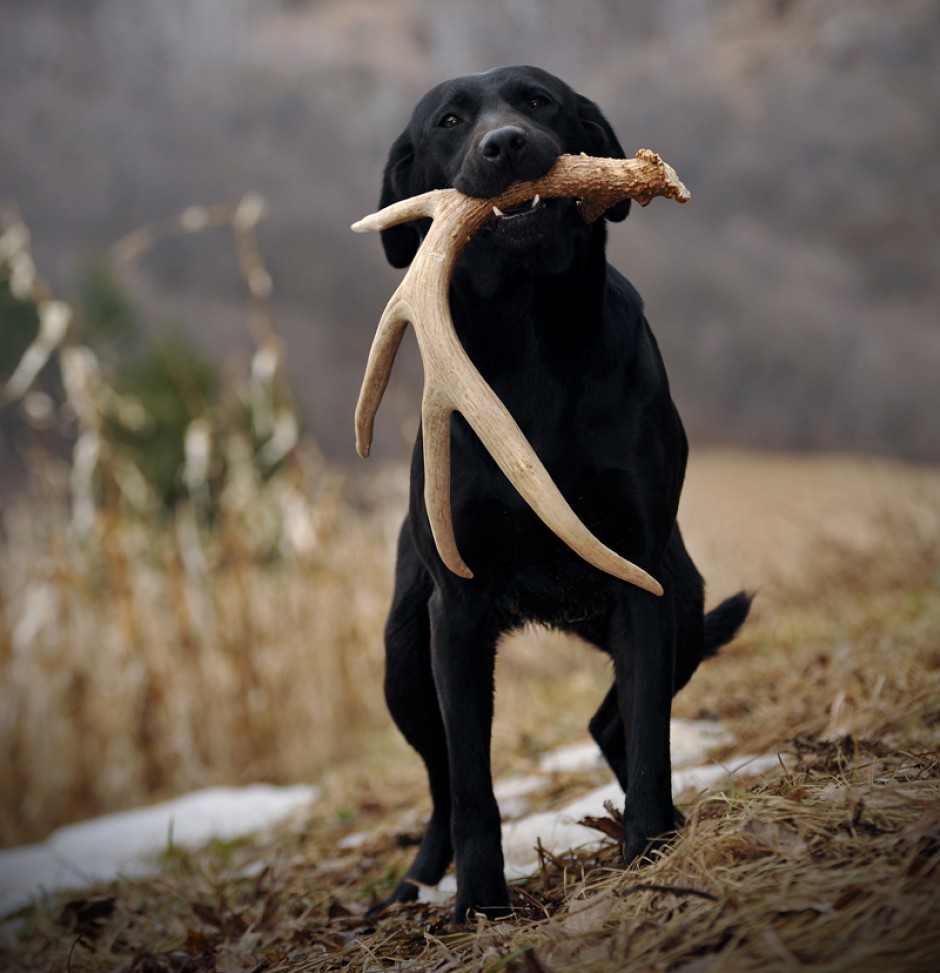
Image Source: dogbonehunter.com
Getting Ready for Shed Hunting
Before you start formal training, some key steps help set your dog up for success. This first part covers choosing the right dog and getting the basic gear needed. It also touches on vital obedience skills.
Picking the Right Partner
Not every dog is born to find sheds. But many breeds have traits that make them great at it. Think about a dog’s natural skills. You want a dog that loves to use its nose. It should also like to fetch things. Energy and a strong bond with you are also very helpful.
Best Shed Hunting Dog Breeds
Some breeds are better suited for shed hunting than others. This is often because of their natural instincts. Here are some top picks:
| Breed | Key Traits | Why They Excel at Shed Hunting |
|---|---|---|
| Labrador Retriever | Very friendly, smart, eager to please, strong nose, loves to fetch. | Their drive to retrieve and powerful scent ability make them top-tier. |
| Golden Retriever | Gentle, intelligent, good nose, loves water, eager to learn. | Similar to Labs, they are easy to train and great family pets. |
| German Shorthaired Pointer | High energy, sharp nose, strong prey drive, very trainable. | Excellent for covering lots of ground quickly. Good for varied terrain. |
| Chesapeake Bay Retriever | Tough, hardy, excellent nose, very loyal, loves cold water. | Built for harsh conditions. Great stamina for long hunts. |
| Boykin Spaniel | Small, eager, strong nose, loves to please, high energy. | Their size makes them good for thick brush. They are very focused. |
| Beagles | Amazing nose, very determined, good stamina. | Their scenting power is top-notch. Can be stubborn but are effective. |
Even if your dog is not on this list, it can still learn. A mix-breed dog with some of these traits can also be a fantastic shed hunter. The most important thing is your dog’s drive and your effort.
Starting with a Puppy
Puppy shed hunting training can begin very early. You do not need to wait until your dog is fully grown. Early training builds a strong bond. It also makes learning a natural part of their life.
- Socialize early: Expose your puppy to many sights and sounds. Let them meet people and other friendly dogs. This builds a confident, calm dog.
- Play fetch: Make retrieving a fun game from day one. Use soft toys at first. Praise your puppy greatly when they bring something back.
- Scent games: Hide treats around the house. Let your puppy use its nose to find them. This makes scent work fun.
- Build focus: Use short training times. Make them fun and always end on a good note.
Essential Gear
You do not need a lot of fancy gear to start. But some items are very helpful for training and actual shed hunting.
- Training Antlers: Start with fake antlers. They are lighter and safer for puppies. You can also use real small sheds later. Look for antlers with a good scent.
- Scent Markers: These help create a strong antler smell. They are often liquid scents you put on your training antlers.
- Long Leash/Lead: A 15-30 foot leash helps you control your dog. It keeps them safe while giving them freedom to search.
- Treats: High-value treats are a must. They motivate your dog and reward good behavior.
- Whistle: A whistle helps you get your dog’s attention from far away. It is good for recall training.
- Dog Vest/Jacket: A bright vest (orange or green) makes your dog easy to see. This is key for safety in the woods.
- Water Bottle and Bowl: Always carry fresh water for your dog, especially during long hunts.
- First-Aid Kit: For both you and your dog. Small cuts or scrapes can happen.
- GPS Collar (Optional): If your dog ranges far, a GPS collar helps you track them.
Foundation Skills
Before your dog hunts sheds, it needs good manners. Hunting dog obedience training is the bedrock of all advanced work. A dog that listens well is safer and more effective.
- “Come” (Recall): This is the most important command. Your dog must come to you every time you call. Practice in many places with many distractions.
- “Sit” and “Stay”: These help you control your dog’s position. They are useful when you need your dog to wait.
- “Heel”: This teaches your dog to walk by your side. It is important for moving through thick brush or near roads.
- “Leave It”: This command tells your dog to ignore something. It can save your dog from eating something bad or chasing wildlife.
- “Drop It”: This teaches your dog to release an item from their mouth. Crucial for getting antlers back!
- “Fetch” or “Retrieve”: This is the core skill for antler retrieval dog training. Make fetching fun. Always praise your dog when they bring the item back.
Start training these commands in a quiet place. As your dog gets better, add more distractions. Keep training times short and positive. Always use praise and treats.
The Core Training: Scent and Search
This is where your dog learns to find sheds. We will focus on teaching your dog what an antler smells like. We will also build their drive to search and bring them back.
The Power of Smell: Scent Training for Shed Hunting
Dogs live in a world of smells. Their noses are amazing. Shed hunting relies heavily on your dog’s ability to pick up the faint scent of an antler.
Step 1: Introduce the Scent Directly.
- Get a real deer antler. Let your dog sniff it. Do not let them chew it.
- You can put a special shed antler scent on the antler. This helps your dog link a specific smell to the antler.
- Let your dog sniff the antler while giving a command like “Shed” or “Find.”
- Give a treat right away. Make it a fun game, not a chore.
Step 2: Start Easy Hide-and-Seek.
- Show your dog an antler. Let them smell it.
- Hide the antler a few feet away. Keep it in plain sight at first.
- Say “Find” or “Shed.” Point to the antler.
- When your dog goes to it, praise them. When they pick it up, praise them more.
- If they bring it back, throw a party! Give lots of treats and praise. This is the goal of antler retrieval dog training.
Step 3: Gradually Increase Difficulty.
- As your dog gets better, hide the antler a bit further away.
- Hide it partly out of sight. Put it under a bush or behind a log.
- Use different areas: your backyard, a local park, then light woods.
- Always use the “Find” or “Shed” command.
Step 4: Practice Blind Hides.
- This means your dog does not see you hide the antler.
- Have your dog “stay” or be in another room.
- Hide the antler.
- Then, release your dog and say “Find.”
- This teaches them to rely on their nose alone.
Step 5: Use Scent Trails.
- Drag an antler on the ground for a short distance.
- Hide the antler at the end of the trail.
- Start your dog at the beginning of the trail. Encourage them to follow it.
- This helps them learn to track the faint scent of an antler.
Introducing Antlers
It is vital to make antlers a positive item for your dog. You do not want them to see antlers as chew toys.
- First Contact: Always supervise your dog with an antler. If they start to chew, take it away gently. Redirect them to a proper chew toy.
- Positive Association: Every time your dog interacts nicely with an antler (sniffs, touches, picks up), give praise and a treat. You want your dog to think, “Antler = yummy treat!”
- Use the Right Antlers: Start with small, light antlers. Or use dummy antlers made for training. This makes them easy for your dog to pick up and carry.
- Do Not Let Them Chew: This is very important. Chewing can make antlers less appealing for retrieving. It can also be bad for their teeth. If your dog starts to chew, gently swap the antler for a favorite toy or treat.
Building the Search Drive
You want your dog to love looking for sheds. Make it a game! Shed hunting dog games are key to keeping your dog excited and motivated.
The “Hide and Seek” Game:
- Start by letting your dog watch you hide an antler.
- Use an excited tone: “Go find it!” or “Where’s the shed?”
- When they find it, make it a huge celebration.
- As they get better, make the hides harder.
The “Hot/Cold” Game:
- Hide an antler.
- As your dog gets closer to the antler, say “Hot!” in an excited voice.
- If they move away, say “Cold” in a lower voice.
- This helps them know if they are on the right track.
The “Throw and Find” Game:
- Throw an antler a short distance.
- Encourage your dog to go get it.
- Gradually throw it further and into cover. This teaches them to search even when they do not see the antler land.
Using a Specific Command: Always use a consistent command. “Find Shed!” or “Shed!” or “Antler!” Pick one and stick with it. This links the command to the action of finding the antler.
Keep it Fun: If your dog seems bored or tired, stop. End training sessions on a high note. Always leave your dog wanting more. This builds their desire to search.
Advanced Training and Field Work
Once your dog masters the basics, it’s time to take their skills to the next level. This involves perfecting commands and practicing in real-world settings.
Key Deer Antler Dog Commands
Certain commands are vital for effective shed hunting. These help you guide your dog and manage the retrieve.
- “Find” or “Shed”: This is your primary command. It tells your dog to start searching for an antler. Always say it with enthusiasm.
- “Look Back” or “Over”: This teaches your dog to look back at you for direction. Useful if they are going the wrong way.
- “Go Back” or “Back”: This sends your dog straight out away from you. Good for covering ground ahead.
- “Right” and “Left” (Casting): These commands guide your dog side to side. You point in the direction you want them to go. This is a higher level skill.
- “Give” or “Drop It”: Teaches your dog to release the antler directly to your hand. This is critical for getting the shed back safely.
- “Leave It”: As mentioned, this stops your dog from picking up unwanted items.
- “Whoa” or “Stop”: A command to freeze in place. Useful for safety or if you see something you want them to focus on.
| Command | Purpose | Training Tip |
|---|---|---|
| “Find” / “Shed” | Start searching for an antler. | Use with hidden antlers. Praise success loudly. |
| “Give” / “Drop It” | Release the antler. | Offer a high-value treat in exchange for the antler. |
| “Leave It” | Ignore an unwanted item. | Place a treat on the floor. Cover it. Say “Leave It.” Reward when they ignore it. |
| “Whoa” / “Stop” | Freeze in place. | Practice holding your dog in a specific spot for short times. |
| “Look Back” | Turn head to handler for direction. | Call their name, then “Look Back.” Reward when they turn to you. |
| “Right” / “Left” | Direct dog to move in a specific direction. | Use hand signals. Practice with easy throws at first. |
Mastering these deer antler dog commands makes your team work much smoother. They are the backbone of antler retrieval dog training.
Practicing in Varied Areas
Dogs learn best when training is done in many different places. This helps them generalize their skills. They learn to find sheds no matter where they are.
- Different Terrains:
- Start in your yard.
- Move to an open field.
- Try light woods with some bushes.
- Practice in thick brush.
- Walk through areas with tall grass.
- Even try rocky ground or small hills.
- Different Weather:
- Practice on sunny days.
- Try cool, cloudy days.
- A bit of wind can change how scents travel.
- Avoid extreme heat or cold.
- With Distractions:
- First, train where it is quiet.
- Then, practice with people walking by.
- Train near other dogs (at a distance).
- Practice near signs of wildlife (but do not let your dog chase them).
- The goal is for your dog to stay focused on the antler scent.
Simulated Hunts
Once your dog is good at finding hidden antlers in different spots, create mock hunting trips.
- Longer Searches: Place antlers further and further apart. Make your dog work for them. This builds stamina.
- Multiple Antlers: Hide several antlers in one area. Encourage your dog to find all of them. This is like a real shed hunt.
- Use Natural Antlers: Start using real, sun-bleached antlers if you haven’t already. Their scent is more subtle.
- Vary the Antler Type: Use small, large, broken, and whole antlers. Deer drop many kinds of sheds.
- Make it Realistic: Wear your hunting clothes. Walk the same way you would during a real hunt. Use your whistle for direction.
Troubleshooting and Common Challenges
Even the best-trained dogs can run into problems. Knowing how to fix them helps you stay on track.
Lack of Interest:
- Problem: Your dog does not want to search for antlers.
- Fix: Make it more fun! Use high-value treats. Make the training very short. Go back to super easy hides. Play shed hunting dog games more.
- Also: Ensure your dog is not tired or too hot/cold.
Chewing Antlers:
- Problem: Your dog picks up the antler, then starts to chew it.
- Fix: This is common. Never let your dog chew antlers. As soon as they pick it up, give the “Drop It” command. Immediately swap the antler for a high-value treat or a favorite chew toy. This teaches them that bringing the antler quickly means a better reward. Practice “Drop It” often.
Retrieval Issues:
- Problem: Your dog finds the antler but does not bring it back to you. They might drop it far away.
- Fix: Go back to basic retrieve training. Start in a small area. Throw an antler only a few feet. Praise them for coming back with it. Gradually increase distance. Make coming back to you the best part of the game. Use a long line if needed to guide them back.
Distractions:
- Problem: Your dog gets distracted by other smells (like deer sign), other animals, or sounds.
- Fix: Practice “Leave It” a lot. Start in very calm areas. Slowly add small distractions. Reward huge when they ignore distractions. If your dog chases deer, stop training immediately. Get control. This is a safety issue for both your dog and wildlife. Hunting dog obedience training is critical here.
False Finds:
- Problem: Your dog brings you sticks, rocks, or other items.
- Fix: Be very clear about what an antler is. Only reward for antlers. If they bring a stick, say “No” gently, then immediately show them an antler. Give the “Find” command. When they find the antler, give huge praise.
Dog Eats Poop or Other Gross Things:
- Problem: Your dog finds and tries to eat things you do not want them to.
- Fix: Again, “Leave It” is your best friend. Practice it constantly. If you see them about to eat something, use the command firmly. Reward heavily when they ignore it. This is not just for shed hunting, but overall good dog behavior.
Antler Finding Dog Training Tips for Success
Making your dog a great shed hunter takes time and effort. Here are some key tips to keep in mind throughout the journey.
- Consistency is Key: Train a little bit every day. Short, frequent sessions are better than long, rare ones. Dogs learn through repetition.
- Keep it Positive: Always use praise, treats, and toys. Never punish your dog for making a mistake. Make training fun! Your dog should love training with you.
- Short Sessions: Dogs have short attention spans, especially puppies. Aim for 5-10 minute sessions. End before your dog gets bored.
- Celebrate Success: When your dog does something right, make a big deal! Use excited voices, happy praise, and their favorite treats. This tells them they did great.
- Build a Strong Bond: The better your relationship, the more your dog will want to work for you. Spend quality time together. Play, cuddle, and just enjoy being with your dog.
- Start Simple, Build Up: Do not rush. Master each step before moving to the next. If your dog struggles, go back to an easier step.
- Use Realistic Antlers: As training progresses, use real antlers of various sizes and conditions. Deer sheds are often weathered and camouflaged.
- Stay Patient: Training takes time. Some dogs learn faster than others. Do not get discouraged. Every dog is different.
- Health and Fitness: A healthy dog is a good working dog. Make sure your dog gets proper food, exercise, and vet check-ups. They need to be in good shape for long hunts.
- Know Your Dog’s Limits: Do not push your dog too hard. Pay attention to signs of tiredness or stress. Take breaks often.
- Trust Your Dog’s Nose: Once trained, your dog’s nose is far better than your eyes. Learn to trust their signals. If they are very focused on an area, let them work it.
Ready for the Field
After months of dedicated shed antler dog training, your dog might be ready for real shed hunting.
- When to Go: The best time to shed hunt is typically from late winter to early spring. This is when bucks drop their antlers. The ground is often more open too.
- Scout Areas: Look for places where deer spend time. This includes bedding areas, feeding areas, and travel routes. Your dog will have more success if antlers are actually there.
- Safety First:
- Check Weather: Avoid extreme heat or cold.
- Know the Area: Be aware of hunting seasons for other animals. Wear bright colors.
- Ticks and Bugs: Check your dog often for ticks. Use bug spray safe for dogs.
- Water: Always carry plenty of water for your dog.
- First Aid: Have a small kit for your dog.
- Leash Laws: Know the rules of the land you are on.
- Wildlife: Keep your dog away from all wildlife. This is very important for safety and for showing respect to nature.
With patience, consistent effort, and lots of fun, your dog can become an amazing shed hunting partner. Enjoy the adventure of training and the thrill of finding those hidden treasures together!
Frequently Asked Questions (FAQ)
Can any dog be trained to hunt sheds?
Many dogs can learn to hunt sheds, but some breeds are naturally better suited due to their strong sense of smell and desire to retrieve. Breeds like Labradors, Golden Retrievers, and German Shorthaired Pointers often excel. Even mixed-breed dogs with good drive and a nose can be great shed hunters. The key is their willingness to learn and your commitment to training.
How long does it take to train a dog to hunt sheds?
The time it takes varies greatly for each dog. Some dogs might pick up the basics in a few weeks. Others may take several months to a year to be truly proficient. It depends on the dog’s natural ability, your consistency in training, and how much time you dedicate to practice. Puppy shed hunting training can start early, building a strong foundation over time.
What if my dog chews the antlers instead of retrieving them?
This is a common issue. The best fix is to prevent chewing from the start. Never let your dog chew on training antlers. As soon as they pick it up, use the “Drop It” command. Immediately offer a high-value treat or a favorite chew toy in exchange for the antler. This teaches them that bringing the antler quickly means a better reward. If they start to chew, gently take the antler away and redirect them to a proper chew toy.
Where can I find training antlers?
You can buy training antlers online from pet supply stores or hunting supply websites. Many come with added scent. You can also find real shed antlers on online marketplaces or from other shed hunters. Some people use synthetic antlers at first as they are lighter and safer for puppies.
Do I need professional help to train my dog?
While professional help can be beneficial, many people successfully train their dogs to hunt sheds on their own. This guide provides a detailed roadmap. However, if you encounter significant challenges or prefer hands-on guidance, a professional dog trainer specializing in scent work or hunting dogs can be a great resource. They can offer personalized antler finding dog training tips.