
No, you cannot use human trimmers on a dog. It is not safe at all. Human trimmers are made for human hair, not for dog fur and skin. Using human clippers for dog hair can cause many dangers. These dangers include cuts, skin burns, and pulling your dog’s fur. This can hurt your pet and make them scared of grooming. It’s best to use tools made just for dogs.
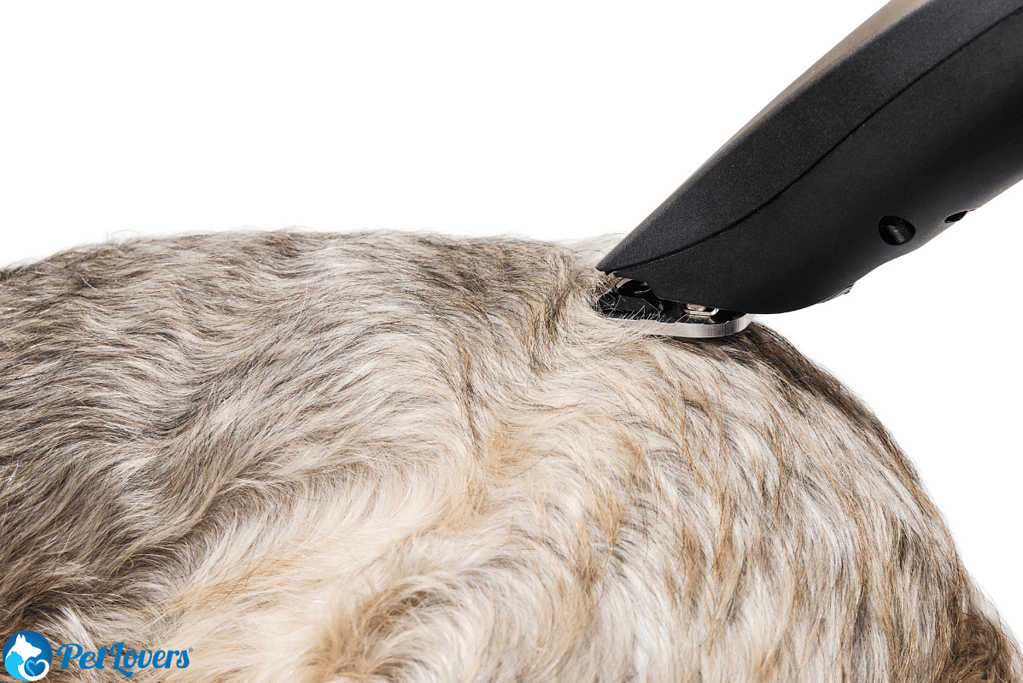
Image Source: www.petlovers.com
Why Human Clippers Are Bad for Dogs
Many people wonder if they can save money by using their own trimmers on their dog. The answer is always no. There are big differences between human and dog clippers. These differences make human trimmers risky for your pet. Let’s look at why you should not use human clippers on dogs.
Blade Design and Sharpness
Human clippers have very sharp blades. These blades are set close to each other. They are made to cut thin, straight human hair. Dog fur is often thicker, denser, and has many layers. It can be curly, wavy, or coarse. When you use human clippers on dog fur, the blades can get stuck. They might not cut well. Instead, they can pull or yank the fur. This causes a lot of pain for your dog.
Also, human blades are usually made of steel. They get hot very fast. Dog clippers often have special coatings or ceramic blades. These help them stay cooler. A hot blade can burn your dog’s skin. This is very dangerous, especially on sensitive areas like armpits or bellies.
Motor Power and Speed
Dog hair is tough. It needs a strong motor to cut through it smoothly. Human trimmers, even good ones, have weaker motors. They are not built for thick dog coats. A weak motor will slow down when cutting dog fur. This makes the blades snag and pull. It’s like trying to cut a thick rope with dull scissors. It just does not work well and can hurt the rope (or your dog’s fur).
Professional dog clippers have powerful motors. They can go through thick fur without slowing down much. This gives a clean, quick cut. It makes grooming faster and safer for your pet. When a motor is too weak, it also wears out faster. This means your human climmers will break if you use them on a dog.
Noise and Vibration
Think about how loud your human hair clippers are. Now imagine that noise right next to your dog’s ears. Dogs hear much better than people. What sounds quiet to you can be very loud and scary for them. Human clippers often make a lot of noise and vibrate a lot. This can stress out your dog. They might become anxious or fearful. This makes grooming a very bad experience for them.
Dog clippers are designed to be quieter. Many high-quality dog clippers have special features to lower noise and vibration. This helps keep your dog calm during grooming. A calm dog is safer to groom.
Guard Combs and Attachments
Human trimmers come with guard combs. These combs control how long the hair is cut. But these combs are made for human hair lengths and types. They may not work well for dog fur. Dog groomers use special comb attachments. These are designed for different dog breeds and coat types. They help achieve the right length without hurting the skin.
Using the wrong guard comb can lead to uneven cuts. It can also make it harder to get a smooth finish. More importantly, it can put the sharp blades too close to your dog’s skin. This raises the risk of cuts.
Skin Sensitivity and Risks
A dog’s skin is much thinner and more sensitive than human skin. It is also covered by fur. This fur makes it hard to see the skin clearly. When using human trimmers, it is easy to cut or nick your dog’s skin. This can happen fast. Razor burn is also a big risk. This is when the blades get hot and cause redness, irritation, or even blisters on the skin.
Dogs can also have skin folds, moles, or warts hidden under their fur. Human trimmers are not designed to avoid these. Professional dog clippers have special blades and designs to help protect against these issues. The risks of using human clippers on dogs include:
- Cuts and nicks: Sharp blades and sensitive skin mean easy injuries.
- Razor burn: Hot blades cause skin irritation and pain.
- Infections: Open cuts can get dirty and lead to skin infections.
- Folliculitis: Irritation from pulling fur can cause inflamed hair follicles.
- Trauma: A bad grooming experience can make your dog scared of grooming forever.
Why Not Use Human Clippers on Dogs?
Beyond the direct physical harm, using human clippers on dogs has other problems. It can damage their coat over time. It can also make grooming a stressful event for both you and your pet. This is why not use human clippers on dogs:
- Coat damage: Human blades can pull and break dog fur. This can ruin the natural texture of the coat. It can also make it harder for the fur to grow back properly. Some coats, like double coats, need special care. Improper cutting can mess up their natural insulation.
- Ineffectiveness: You will likely not get a good cut. The fur will be uneven. It might look messy. You will spend more time trying to fix it. This adds to your dog’s stress.
- Time consuming: Because human clippers are not made for dog fur, the job takes much longer. The blades will clog often. You will need to stop and clean them. This drags out the grooming session. This is tiring for you and very hard on your dog.
- Hygiene concerns: If you share clippers between humans and pets, there is a risk of sharing germs. While not a huge risk, it’s still something to think about. It’s always best to have separate tools for pets.
- Cost in the long run: While you might think you are saving money, you might end up spending more. This comes from needing to buy new clippers later. Or worse, from vet bills for injuries or skin problems.
Are Human Beard Trimmers Safe for Pets?
No, human beard trimmers are absolutely not safe for pets. Beard trimmers are even smaller and often less powerful than full-size human hair clippers. They have very fine blades. These blades are meant for short, precise cuts on human facial hair. Dog fur is much too thick and coarse for these blades.
Using a beard trimmer on a dog will almost certainly pull their fur. This causes great pain. The small blades also heat up very fast. This will quickly burn your dog’s skin. Beard trimmers are not designed for the thick, varied fur of a dog. They are not made for the sensitive skin underneath. They also often lack safety guards suitable for pets. So, to answer “are human beard trimmers safe for pets,” the clear answer is no, they are not.
Can Normal Hair Clippers Cut Dog Fur?
Yes, normal hair clippers can cut dog fur, but not well and very dangerously. While the blades might physically cut through some fur, the experience will be terrible for your dog. As discussed, human clippers are not made for the thickness, texture, or volume of dog coats. They will snag, pull, and cause pain.
Even if they manage to cut, the results will be poor. The cut will be choppy and uneven. The blades will get hot. This will cause skin burns. The noise will scare your dog. So, while they can physically cut, it is not a safe, effective, or humane way to groom your dog. The answer to “can normal hair clippers cut dog fur” is yes, but you really should not. It causes harm.
A Look at Dog Clippers vs. Human Razors
It’s helpful to compare dog clippers to human razors too. A human razor, like a disposable shaving razor, has thin, very sharp blades. These are meant to shave hair right down to the skin. They are used with water, soap, or shaving cream. Using a human razor on a dog is extremely dangerous.
- Human razors are too sharp: They will easily cut a dog’s delicate skin.
- No guard: There is no safe way to control the length of the cut.
- Skin irritation: The chemicals in shaving creams are bad for dogs. The blades will cause major razor burn.
- Pulling: Even with wet hair, dog fur is too thick. The razor will pull hair, causing great pain.
Dog clippers vs. human razors is not a fair fight. Dog clippers are the only safe tool for shaving or trimming a dog’s fur.
Interpreting the Tools: Dog vs. Human Clippers
To help you see the key points, here is a table that shows the main differences between human clippers and dog clippers. This helps explain the difference between human and dog clippers and dog friendly clippers vs human.
| Feature | Human Clippers | Dog Clippers |
|---|---|---|
| Blade Material | Usually stainless steel | Stainless steel, ceramic, or titanium coated |
| Blade Design | Fine, close-set, sharp for human hair | Wider, coarser teeth, designed for thick fur |
| Blade Heat | Heats up very quickly | Designed to stay cooler longer, some have vents |
| Motor Power | Less powerful, made for thinner hair | Very powerful, heavy-duty for thick, dense coats |
| Motor Speed | Single or a few speed settings | Multiple speeds (2-5 settings) for different coats |
| Noise Level | Can be loud and vibrate a lot | Designed to be quiet and low vibration |
| Guard Combs | Sized for human hair lengths | Wide variety of lengths for different dog coats |
| Skin Safety | No special features for sensitive skin | Rounded tips, special designs to prevent nicks |
| Cooling System | Often none, relies on short use | Some have vents or better airflow for cooling blades |
| Ergonomics | Designed for human grip, lighter use | Often heavier, durable, built for long grooming jobs |
| Best Use | Human hair, beards, short trims | All dog breeds, different fur types and lengths |
This table clearly shows why specialized pet grooming tools are needed. Trying to use human clippers on a dog is a gamble. You risk harming your pet and getting poor results.
Risks of Using Human Clippers on Dogs
Let’s look deeper into the specific risks involved. These are the risks of using human clippers on dogs.
Physical Harm and Pain
The most serious risk is hurting your dog.
* Cuts and Nicks: Human clipper blades are very sharp. They move fast. Dog skin is thin. It’s also hidden by fur. It’s easy to cut or nick your dog. This can happen on legs, ears, tails, or around sensitive areas like the groin. These cuts can bleed. They can also get infected.
* Razor Burn: This is a common problem. As human clippers work on thick fur, the blades get hot fast. This heat transfers to your dog’s skin. It causes redness, irritation, and sometimes painful blisters. It’s like a bad sunburn.
* Hair Pulling and Snagging: The weak motor and fine blades of human clippers are not made for dog fur. They will snag and pull the hair rather than cut it cleanly. This is very painful. Imagine someone pulling your hair out piece by piece. That’s how it feels for your dog.
* Infections: Any cut or irritation can open the door for bacteria. If your dog gets a cut, and you don’t clean it well, it can get infected. This might need a trip to the vet and antibiotics.
Emotional Trauma and Fear
Grooming should be a pleasant experience for your dog.
* Fear of Grooming: A painful or scary grooming session can make your dog terrified of future grooming. They might shake, hide, or even act aggressive. This makes grooming impossible.
* Stress and Anxiety: The loud noise and vibration of human clippers cause stress. Your dog might pant, pace, or try to run away. This is not good for their health or their bond with you.
* Behavioral Problems: A dog that fears grooming might resist even simple things. This includes brushing or bathing. This can make everyday care harder.
Damaged Coat and Poor Appearance
Using the wrong tools harms your dog’s fur.
* Uneven Cut: Human clippers struggle with thick fur. They won’t give you a smooth, even cut. Your dog will look patchy and messy.
* Coat Damage: Repeated pulling and improper cutting can damage the hair follicles. This can change the texture of your dog’s fur. Some coats might not grow back right. For example, a double coat helps keep a dog warm in winter and cool in summer. Cutting it wrong can mess up this natural system.
* Matting: A bad cut can also lead to more matting later. If the fur is not cut evenly, it can tangle easily. This means more grooming trouble for you.
Grasping Pet Grooming Tools Alternatives
So, if human trimmers are out, what should you use? There are many excellent pet grooming tools alternatives. These tools are made just for dogs. They keep your pet safe and comfortable.
Dog-Specific Clippers
This is the best option for trimming or shaving your dog’s fur.
* Professional Grades: These are powerful and durable. They are made for heavy use. They have strong motors and blades that stay cool.
* Home Use Models: These are often lighter and less expensive. They are still much better than human clippers. They are perfect for basic trims at home.
When choosing dog clippers, look for:
* Motor Type: Rotary motors are good for general use. They run at constant speed. Magnetic motors are stronger for thick coats. Pivot motors are slower but powerful.
* Corded or Cordless: Corded models offer constant power. Cordless models give you freedom of movement.
* Blade Material: Ceramic blades stay cooler than steel. Steel blades are very durable. Look for detachable blades for easy cleaning and changing.
* Noise Level: Always check reviews for how quiet the clippers are. Low noise is key for calm dogs.
* Comb Attachments: Make sure the clippers come with a good set of comb attachments. These help you get the right length.
Grooming Scissors
For touch-ups or small areas, grooming scissors are great.
* Blunt-Tip Scissors: These are safer for delicate areas. They have rounded tips to prevent accidental pokes.
* Thinning Shears: These scissors have notched blades. They remove some bulk from the fur without cutting a straight line. They are good for blending.
* Straight Scissors: For trimming length on body or legs. Use with care.
Always use sharp, clean scissors. Dull scissors will pull hair. Always hold the skin taut when cutting to avoid nicks.
De-shedding Tools
These tools help remove loose undercoat. They are not for cutting.
* Undercoat Rakes: These tools have long, rounded teeth. They reach deep into the coat to pull out loose fur.
* De-shedding Brushes: Brands like Furminator are popular. They have fine teeth that remove shed hair from the topcoat and undercoat.
These tools are great for keeping your dog’s coat healthy. They reduce shedding around your home.
Professional Groomers
If you are unsure or if your dog has a difficult coat, a professional groomer is the best choice.
* Expert Knowledge: Groomers know different dog breeds and coat types. They know the best tools and techniques.
* Safety: They have proper training and equipment. They can handle even difficult dogs safely.
* Results: A professional groomer will give your dog a clean, even, and stylish cut.
* Health Checks: Groomers often spot skin issues, lumps, or ear problems that you might miss.
Investing in a professional groomer can save you time, stress, and potential vet bills from home grooming accidents.
Best Practices for Safe Home Grooming (with Dog Clippers)
If you decide to groom your dog at home using dog clippers, here are some important steps to follow. These tips help ensure dog grooming human trimmers safety (using dog-specific ones, of course).
1. Prepare Your Dog
- Brush Thoroughly: Always brush your dog before clipping. Remove all tangles and mats. Clippers will snag on mats, which is painful and can break the blades.
- Bathe and Dry: Wash your dog first. Clean fur is easier to cut. Make sure your dog is completely dry. Clippers work best on clean, dry fur. Wet fur can damage the clippers.
- Calm Environment: Choose a quiet time and place. Make sure your dog is relaxed. Give them treats and praise.
2. Get Your Tools Ready
- Clean Clippers: Make sure your dog clippers and blades are clean and oiled.
- Blade Coolant: Have blade coolant spray handy. Clippers can still heat up. Spraying coolant keeps blades cool.
- Comb Attachments: Choose the right comb attachment for the desired length.
- Other Tools: Have blunt-tip scissors for touch-ups. Also, keep styptic powder or cornstarch ready in case of a small nick. This helps stop bleeding.
3. Use Proper Technique
- Short Strokes: Use short, smooth strokes. Do not press hard.
- Go With the Grain: Generally, clip in the direction the hair grows. This gives a smoother finish. Against the grain can be done for a shorter cut, but it increases the risk of skin irritation.
- Pull Skin Taut: Gently stretch the skin flat in areas with folds or loose skin. This helps prevent nicks.
- Take Breaks: Do not try to do it all at once. Give your dog breaks. Let them move around. Offer water and treats.
- Check Blade Temperature: Touch the blade often with your hand. If it feels hot to you, it’s too hot for your dog. Use blade coolant or switch to a cool blade. Have extra blades ready.
4. After Grooming
- Praise and Reward: Always praise your dog. Give them lots of treats and playtime after grooming. Make it a positive experience.
- Clean Tools: Clean your clippers and blades right away. Remove all fur. Oil the blades. This keeps them working well for a long time.
- Check Skin: Look over your dog’s skin for any redness, cuts, or irritation. If you find any, treat them. For serious issues, talk to your vet.
Conclusion
Using human trimmers on your dog is a big no. It is risky, painful, and ineffective. The dangers are real. They range from painful cuts and burns to causing lasting fear of grooming. Human clippers are not made for the unique needs of a dog’s coat and skin. They lack the power, blade design, and safety features found in dog-specific grooming tools.
Instead, invest in proper dog friendly clippers. Or seek help from professional groomers. These tools and services are designed to keep your pet safe, comfortable, and looking their best. Always prioritize your dog’s well-being. Using the right tools makes grooming a positive experience for both of you. Don’t risk your dog’s safety and happiness for a small saving. Choose dog clippers. Choose safety.
Frequently Asked Questions (FAQ)
Q1: Is it really that bad to use human clippers on dogs?
A1: Yes, it is very bad. Human clippers can cut, burn, and pull your dog’s fur. This causes pain, fear, and can lead to expensive vet visits for injuries.
Q2: What’s the main difference between human and dog clippers?
A2: The main differences are in blade design, motor power, and noise. Dog clippers have stronger motors for thick fur. Their blades are made to stay cooler and prevent nicks. They are also much quieter than human clippers.
Q3: Can I use human beard trimmers on my small dog?
A3: No, absolutely not. Human beard trimmers are even less suitable than regular human hair clippers. Their small blades will pull fur and heat up very fast, causing burns.
Q4: My dog’s fur is very thin. Can I use human clippers then?
A4: Even with thin fur, it’s not a good idea. Dog skin is still much more sensitive than human skin. Human clippers still get hot and can cause razor burn or nicks. It’s always safer to use dog-specific clippers.
Q5: How can I tell if dog clipper blades are getting too hot?
A5: Touch the blade often with your hand. If it feels warm or hot to your touch, it’s too hot for your dog’s skin. Stop grooming right away. Use blade coolant spray or switch to a cool blade.
Q6: What if I only need to trim a small area, like paws or around the eyes?
A6: For small, delicate areas, blunt-tip grooming scissors made for dogs are the best. If using clippers, make sure they are small, quiet, and designed for dog grooming. Never use human trimmers, even for small spots.
Q7: Are there any alternatives to clippers for dog grooming?
A7: Yes! For regular care, use brushes, combs, and de-shedding tools made for dogs. For trimming, you can use blunt-tip grooming scissors. For full cuts, dog-specific clippers or a professional groomer are the best choices.
Q8: My dog hates the sound of clippers. What can I do?
A8: This is common. First, make sure you use quiet dog clippers. Then, slowly get your dog used to the sound. Turn the clippers on away from them. Give treats and praise. Slowly move them closer. Do short grooming sessions. Positive rewards are key.
Q9: Can I save money by grooming my dog at home?
A9: You can save money by grooming at home, but only if you use the right tools. Investing in good quality dog clippers and grooming supplies will prevent injuries and bad results. This avoids costly vet bills or professional groomer visits to fix mistakes.
Q10: Where can I learn more about safe dog grooming at home?
A10: Look for online tutorials from professional groomers. Check resources from dog training clubs or reputable pet care websites. Always prioritize your dog’s safety and comfort.