
Image Source: miro.medium.com
The Truth: Can Bear Spray Kill A Dog? Risks and Prevention.
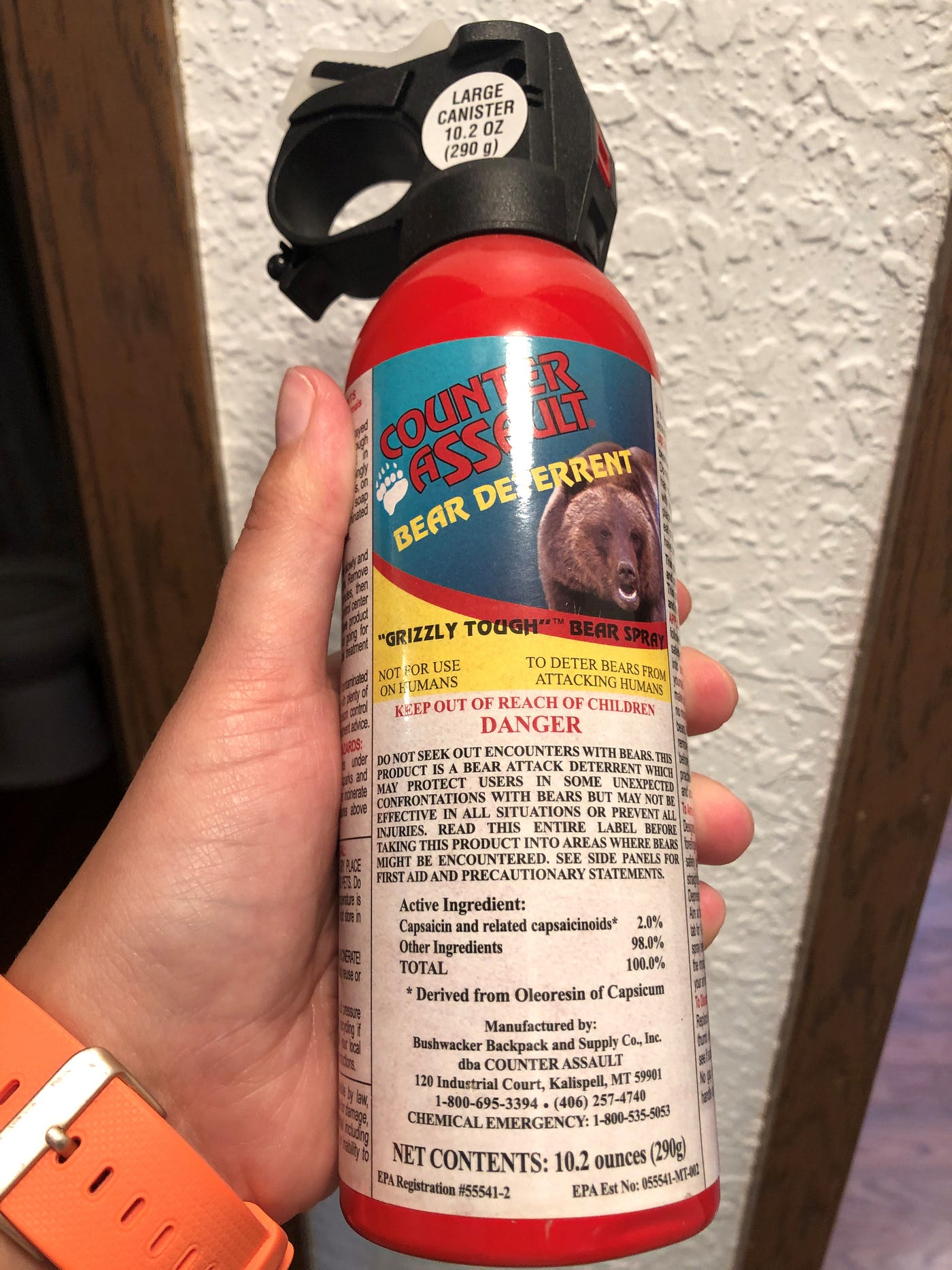
Can bear spray kill a dog? While rare, yes, bear spray can be deadly for a dog, especially if used directly, in a small space, or if the dog has breathing problems. Is bear spray dangerous for dogs? Absolutely, it poses significant dangers. Bear spray is a powerful tool meant for large, aggressive animals like bears. It uses a very strong irritant. This irritant causes pain and breathing trouble. It can badly hurt a dog’s eyes, nose, throat, and lungs. Getting bear spray on or in a dog can cause severe harm. It can lead to serious health issues. In some cases, it can even cause death.
Grasping Bear Spray: What It Is
Bear spray is a special kind of pepper spray. It is made to stop charging bears. It holds a chemical called capsaicin. This is the same stuff that makes chili peppers hot. But bear spray has a much higher amount. It is very strong.
Bear spray works by causing a lot of pain. It makes eyes burn and water. It makes skin hurt. It makes breathing hard. It is meant to scare off a bear. It does not aim to kill. But for smaller animals like dogs, the effects can be much worse. Their bodies are smaller. Their systems are more sensitive.
How Bear Spray Differs from Pepper Spray
People often mix up bear spray and pepper spray. They are not the same.
- Strength: Bear spray is much stronger. It has more capsaicin. It is made for big, tough animals.
- Spray Pattern: Bear spray usually creates a large, wide cloud. This helps cover a big area. It helps hit a moving bear. Pepper spray often shoots a stream. This is for a single target.
- Purpose: Bear spray is for wild animal attacks. Pepper spray is for human self-defense.
Because bear spray is so strong, it is very dangerous for dogs. It has a high bear spray dog lethality risk in bad cases.
Interpreting How Bear Spray Harms Dogs
When a dog gets bear spray on them, it causes a lot of trouble. The spray hits their eyes, nose, mouth, and skin. They might also breathe it in. This causes pain and injury.
Dog Bear Spray Poisoning Symptoms
When a dog gets bear spray on them, signs show up fast. These are dog bear spray poisoning symptoms. They can be very scary to see.
- Eyes:
- Severe pain and redness.
- Excessive tearing, like crying a lot.
- Swelling of the eyelids.
- Squinting or keeping eyes shut tight.
- Temporary blindness.
- Nose and Mouth:
- Lots of sneezing.
- Runny nose.
- Drooling a lot.
- Foaming at the mouth.
- Vomiting (throwing up).
- Trouble swallowing.
- Breathing:
- Gagging and coughing.
- Wheezing or gasping for air.
- Fast, shallow breathing.
- Bluish gums or tongue (means not enough air). This is a big emergency.
- Skin:
- Redness and burning.
- Scratching at the face or body.
- Behavior:
- Panic and confusion.
- Trying to rub their face or body on the ground.
- Whining or yelping.
- Loss of balance.
- Weakness or collapse.
These symptoms show the side effects of bear spray on dogs. They can go from mild to very severe. The severity depends on how much spray hit the dog. It also depends on where it hit.
Capsaicin: The Main Danger for Dogs
The chemical capsaicin is the core problem. It is what makes the spray work. It causes a burning feeling. It does this by tricking nerves in the body. These nerves usually feel heat or pain. Capsaicin makes them fire off like they are burning.
In dogs, capsaicin toxicity dogs can be very serious. It affects many parts of their body.
- Respiratory System: This is the most dangerous part. If a dog breathes in the spray, it can make their airways swell. They can get fluid in their lungs. This makes it very hard to breathe. This is why dog bear spray inhalation dangers are so high. A dog might stop breathing if it gets too bad.
- Gastrointestinal System: If a dog licks the spray, or if it gets in their mouth, they can throw up. They can also have diarrhea. Their stomach will hurt a lot.
- Nervous System: In very bad cases, capsaicin can affect a dog’s brain and nerves. This can cause seizures or loss of control. It is rare but possible.
The smaller the dog, the worse the effects can be. A small dog gets a bigger dose for its body size. This makes the risk of severe harm or death much higher.
Accidental Exposure Scenarios
Bear spray is a safety tool. But accidents can happen. An bear spray accidental discharge dog event is a real worry for dog owners.
Common Ways Dogs Get Sprayed
- Drops and Sprays: Someone might drop the can. The safety lock could fail. The spray could go off. If a dog is near, they get hit.
- Curiosity: Dogs are curious. They might sniff or play with a can. A paw could hit the button.
- Improper Storage: Leaving bear spray in easy reach. This could be on a low shelf or in an open bag.
- User Error: Someone might aim badly during a bear encounter. They might hit their own dog by mistake. Or the wind could blow the spray back.
- Vandalism or Misuse: Someone could spray a dog on purpose. This is a cruel act.
Even a small amount of spray can cause a lot of harm. It is crucial to know what to do if an accident happens.
First Aid Steps: Acting Fast Matters
If your dog gets bear spray on them, act fast. Quick action can save their life. This is the first aid for dog bear spray exposure.
What to Do Right Away
- Move to Fresh Air: Get your dog out of the spray area. Move them to a place with lots of fresh air. This helps them breathe better.
- Protect Yourself: Wear gloves if you have them. Bear spray can hurt your skin too.
- Eyes First: This is the most urgent step.
- Rinse your dog’s eyes with cool, clean water. Use a steady, gentle stream.
- Use a hose on a gentle setting. Or use a big bottle of water.
- Rinse for at least 15-20 minutes. Keep rinsing even if they fight you.
- Aim for the inner corner of the eye. Let the water flow out.
- You can also use plain saline solution. This is like eye wash for people. Do not use eye drops that say “redness relief.”
- Rinse Mouth and Nose:
- Gently rinse their mouth. Use cool water.
- Try to rinse their nose too. Be careful not to make them choke.
- Wash Skin and Fur:
- Use cool water and a mild dish soap. Dawn dish soap works well.
- Do not use hot water. Hot water can make the capsaicin worse. It can open skin pores.
- Wash the affected areas thoroughly.
- Lather well. Rinse very well. Repeat this several times.
- Focus on areas they might lick. These include paws and legs.
- Avoid Rubbing: Do not let your dog rub their eyes or face. This can spread the spray. It can make things worse.
- Keep Them Calm: Talk to your dog in a soft, calm voice. They will be scared and in pain.
- Do NOT Use Milk: People often say milk helps with pepper spray. It might feel nice for a second. But it does not remove the capsaicin. It can make things worse. It can even cause bacteria problems in the eyes. Stick to water or saline.
When to Seek Vet Help
Even after first aid, your dog needs a vet. This is the best treatment for dog exposed to bear spray. A vet can check for hidden problems.
Signs That Mean “Go to the Vet NOW”
- Breathing Trouble: Any sign of gasping, wheezing, blue gums, or collapsing. This is a medical emergency.
- Severe Pain: If your dog is screaming, crying, or cannot calm down.
- Not Improving: If first aid does not help much. If symptoms do not get better quickly.
- Eye Damage: If eyes are still very red, swollen, or cloudy. A vet can check for corneal damage. This is injury to the front of the eye.
- Vomiting or Diarrhea: If it is severe or does not stop.
- Weakness or Collapse: Your dog cannot stand or seems very weak.
- Small Dog: If your dog is very small, get them to a vet faster. They are at higher risk.
What a Vet Might Do
A vet will give your dog the best care. They might:
- Give Oxygen: If your dog has trouble breathing.
- Give Pain Medicine: To help with the burning and pain.
- Give Eye Drops: To protect the eyes. To help them heal.
- Give Medicine for Swelling: To reduce inflammation in airways.
- Monitor: Watch your dog closely for hours. Make sure they are stable.
- Flush More: Clean eyes and skin even more thoroughly.
- Give IV Fluids: To help with dehydration if they are vomiting.
A quick trip to the vet can make a big difference. It can prevent long term health effects bear spray dogs.
Avoiding Long-Term Concerns
Most dogs recover fully from bear spray exposure. But sometimes, issues can last. These are long term health effects bear spray dogs.
- Eye Problems:
- Chronic dry eye.
- Corneal scarring. This can cause blurry vision.
- Glaucoma or cataracts in rare cases. These are serious eye diseases.
- Breathing Issues:
- Asthma-like symptoms.
- Increased risk of lung infections.
- Chronic coughing.
- Worsening of existing breathing problems (like bronchitis).
- Skin Problems:
- Repeated skin irritation if not fully cleaned.
- Hair loss in the sprayed area.
- Behavioral Changes:
- Fear of loud noises.
- Fear of certain smells.
- Anxiety in new places. This can happen due to the trauma.
Proper and fast treatment lowers these risks. A vet visit is vital.
Preventing Accidents: Safety First
The best way to deal with bear spray exposure is to stop it from happening. Prevention is key.
Safe Handling of Bear Spray
- Store Properly: Keep bear spray in a secure place. It should be out of reach of dogs and children. A high shelf or locked cabinet is good.
- Use Holsters: When hiking, carry bear spray in a special holster. This keeps it secure. It stops accidental drops. It also makes it easy to grab if you need it.
- Check Safety Clip: Make sure the safety clip is always on. Do not remove it until you are ready to use the spray.
- Never Test Spray: Do not test spray bear spray. Even a small puff can spread far. It can hurt people and pets nearby.
- Know Your Product: Read the instructions. Know how to use it safely.
- Consider Age: Old bear spray can leak. Check the expiration date. Get new spray if it is old.
Training Your Dog
- Recall Training: Teach your dog to come back to you quickly. This is crucial. If a bear appears, you need your dog near you. This helps you protect them. It stops them from running into danger.
- “Leave It” Command: Teach your dog to leave things alone. This can stop them from sniffing or playing with a can of bear spray.
- Leash Use: Use a leash in bear country. This keeps your dog close. It stops them from running off-leash. It stops them from getting into trouble.
Alternatives to Bear Spray Around Dogs
Sometimes, carrying bear spray near your dog is a risk. Think about other options.
- Noise Makers: Air horns or whistles can scare off bears. They are not as strong as bear spray. They might be safer if you have a dog.
- Physical Presence: Make yourself look big. Make noise. Wave your arms. Most bears will leave if you do this.
- Bear Bells: These make noise as you walk. They let bears know you are coming. This can avoid surprise meetings.
- Proper Food Storage: Always store food safely. This means in bear-proof containers or hung high. This avoids attracting bears.
Comparing Bear Spray and Dog-Specific Sprays
You might see “dog attack spray” or “dog repellent spray.” These are different from bear spray.
| Feature | Bear Spray | Dog Attack Spray (e.g., Citronella) |
|---|---|---|
| Active Chemical | High concentration Capsaicin (OC) | Citronella, bitter agents, low-dose capsaicin, sound |
| Purpose | Stop large, aggressive bears | Deter aggressive dogs (often only mild deterrent) |
| Strength | Very high, causes severe pain and breathing issues | Mild to moderate, causes unpleasant sensation or smell |
| Lethality Risk | Moderate to high for dogs | Low to none for dogs |
| Use Case | Wild animal defense, not recommended for dog-on-dog | Dog-on-dog aggression, training |
| Safety for User | Can be dangerous to user if wind blows back | Generally safe for user, may cause minor irritation |
Never use bear spray on an aggressive dog. It is too strong. It will hurt the dog badly. It can also hurt your own dog or other people nearby. If a dog is attacking, a dog-specific deterrent is safer. Or use an air horn.
Conclusion
Bear spray is a vital safety tool for humans in bear country. But it is very dangerous for dogs. While not always fatal, bear spray dog lethality is a real concern. It can cause severe pain, breathing problems, and lasting health issues. If your dog gets bear spray on them, act fast. Do first aid quickly. Always get your dog to a vet. They can help prevent serious complications. Most importantly, learn how to prevent accidents. Store bear spray safely. Train your dog well. These steps keep your dog safe. They help you enjoy the outdoors worry-free.
Frequently Asked Questions
Q1: Can I use bear spray to stop an aggressive dog?
No, do not use bear spray on an aggressive dog. It is much too strong. It can cause severe harm or even death to the dog. It can also hurt your own dog or bystanders. Use a dog-specific repellent or an air horn instead. Or seek professional help.
Q2: How fast do bear spray symptoms appear in dogs?
Symptoms appear very fast. They can show up within seconds or minutes. You will see immediate pain, coughing, sneezing, and eye irritation.
Q3: What if my dog licked the bear spray?
If your dog licked bear spray, they need fast help. Their mouth will burn. They may drool a lot. They might vomit. Rinse their mouth well with cool water. Then, take them to a vet right away.
Q4: Will my dog be okay after getting sprayed by bear spray?
Most dogs recover fully with fast and proper care. But some may have lasting effects. These can include eye problems or breathing issues. This is why a vet visit is so important.
Q5: Is bear spray poisonous if swallowed by a dog?
Yes, bear spray is very poisonous if swallowed. It can cause severe stomach upset, vomiting, diarrhea, and pain. In large amounts, it can lead to more serious issues.
Q6: How long do the effects of bear spray last on a dog?
The immediate effects can last for hours. The burning and irritation may go on. With good first aid and vet care, a dog can start to feel better in a few hours. Full recovery can take days. Some lingering issues might take longer to heal.
Q7: Can I use a regular hose to wash my dog after bear spray exposure?
Yes, a regular hose on a gentle setting is fine. Use cool water. Make sure the water pressure is not too strong. You want a steady, gentle flow to rinse.
Q8: What should I bring with me when hiking with my dog in bear country?
Always bring fresh water for flushing eyes and skin. Bring a mild dish soap. Carry your vet’s number. Have your dog on a leash. Be aware of your surroundings. Consider carrying an air horn as well as bear spray.