
When your dog acts “high,” it means they show strange behaviors. They might seem drunk or confused. This is a sign something is wrong. It is not normal for a dog to act this way. This often points to a medical problem or toxin exposure. A dog acting strange suddenly needs quick vet care.
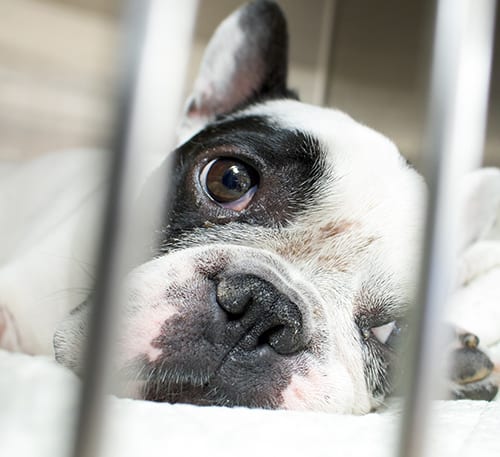
Image Source: sevneurology.com
Deciphering Why Your Dog Appears High
Seeing your dog act in an odd way can be scary. They might look “high.” This usually means they are disoriented. They might stumble or seem drunk. These are not signs of fun. They are warning signs of trouble. It means your dog needs help. You should call your vet right away.
Common Signs of a Dog Acting High
A dog acting high shows many clear signs. You might see a mix of these behaviors. Watch your dog closely. Write down what you see. This helps your vet.
Here are common signs:
- Dog disoriented symptoms: Your dog looks confused. They might stare at walls. They may not know where they are.
- Dog wobbly gait: They walk like they are drunk. They might sway or stumble. Their steps are uneven.
- Canine ataxia: This is a fancy name for poor balance. Your dog might fall over. Their movements are not smooth. This is a common sign of nerve problems.
- Head tilt: One ear might be lower than the other. Their head might tip to one side.
- Eye movements: Their eyes might dart back and forth. They might look shaky. This is called nystagmus.
- Changes in behavior: Your dog might be very sleepy. Or they might be too jumpy. They might hide. Or they might act aggressive.
- Vomiting or diarrhea: These tummy problems can happen with many issues.
- Drooling: More slobber than usual can be a sign.
- Changes in breathing: They might breathe too fast. Or too slow.
- Tremors or shaking: Your dog might shiver. Their body might shake.
- Weakness: They might struggle to stand up. Their legs might give out.
- Loss of control: They might pee or poop inside. They might not mean to.
Grasping the Causes of a Dog Acting High
Many things can make a dog act high. Some are minor. Others are very serious. Knowing the possible causes helps you act fast. It helps your vet too.
Toxin Ingestion
Eating something bad is a top reason. Dogs love to sniff and taste. This puts them at risk.
Marijuana and Edibles
Dog marijuana poisoning is becoming more common. Marijuana contains THC. THC affects the brain. Dogs are very sensitive to THC. Even a small amount can cause big problems.
If your dog ingested edibles, it can be worse. Edibles often have high THC levels. They also have other dangers. Chocolate is often in edibles. Chocolate is also toxic to dogs. Sugar and fats in edibles can cause problems too.
Symptoms of marijuana poisoning include:
- Drunk-like walking (
dog wobbly gait). - Dribbling urine.
- Dazed look.
- Very slow heart rate.
- Tremors or seizures.
- Vomiting.
- Extreme sleepiness or excitement.
Other Toxins
Many other things can make a dog act “high.”
- Xylitol: This is a sugar substitute. It’s in gum, candy, and peanut butter. It causes a quick drop in dog low blood sugar. This can lead to weakness, seizures, and liver failure.
- Human medications: Pills left out are dangerous. Pain relievers, antidepressants, and cold medicines are toxic. They can cause nerve problems, kidney failure, or liver damage.
- Certain plants: Some common plants are poisonous. Sago palm, lilies, and oleander are examples. They can cause stomach upset, heart issues, or neurological signs.
- Pesticides and rodenticides: Pest control products are deadly. Bug sprays, slug bait, and rat poison can cause seizures, bleeding, and nerve damage.
- Moldy food: Old, moldy food can have toxins. These toxins can cause tremors and seizures.
Metabolic Issues
The body’s chemistry must be balanced. When it’s not, strange signs can appear.
Low Blood Sugar (Hypoglycemia)
Dog low blood sugar (hypoglycemia) is a serious issue. Glucose is sugar. It is the body’s main fuel. If glucose levels drop too low, the brain suffers.
Causes of low blood sugar:
- Not eating enough.
- Too much insulin (for diabetic dogs).
- Puppies: Small puppies can get low blood sugar easily.
- Serious liver disease.
- A tumor that makes too much insulin.
Symptoms include:
- Weakness or tiredness.
- Shaking or tremors.
- Dog disoriented symptoms.
- Dog wobbly gait.
- Dog seizure symptoms (in severe cases).
- Collapse.
Liver or Kidney Disease
These organs clean the body. If they don’t work right, toxins build up. These toxins can affect the brain. This causes signs like confusion, weakness, and acting drunk. This is called hepatic encephalopathy for liver disease.
Electrolyte Imbalance
Electrolytes are minerals. They include sodium, potassium, and calcium. They help nerves and muscles work. Too much or too little can cause problems. Signs include weakness, tremors, and even seizures.
Neurological Problems
Problems with the brain or nerves can cause “high” signs. These are often serious.
Vestibular Disease in Dogs
Vestibular disease in dogs affects balance. The vestibular system is in the inner ear and brain. It tells the dog where its body is in space. When it goes wrong, dogs can’t keep balance.
Symptoms include:
- Sudden head tilt.
- Dog wobbly gait (like they are drunk).
- Circling or falling over.
- Rapid eye movements (nystagmus).
- Vomiting (due to dizziness).
- Dog disoriented symptoms.
This condition can look scary. It often starts suddenly. It can be caused by infection, injury, or be “idiopathic” (no known cause). It usually gets better, but some dogs have a lasting head tilt.
Seizures
Dog seizure symptoms can be very varied. Not all seizures look like the dog is thrashing. Some are subtle.
Types of seizures:
- Grand mal seizures: Dog loses control. They shake, fall, paddle their legs. They might pee or poop.
- Focal seizures: Only part of the body is affected. A leg might twitch. Or their face might drool.
- Psychomotor seizures: Dog acts strange. They might snap at air. They might run in circles. They might seem to hallucinate.
After a seizure, dogs are often confused. They might be disoriented. They might wander or stumble. This is called the post-ictal phase. It can make them look “high.”
Brain Tumors or Inflammation
A tumor in the brain can press on tissue. This can cause many signs. It depends on where the tumor is. Inflammation of the brain (encephalitis) also causes problems. Both are types of dog neurological disorder.
Symptoms can include:
- Changes in behavior.
- Seizures.
- Weakness.
- Vision problems.
- Canine ataxia.
- Head pressing (pushing head against a wall).
- Dog disoriented symptoms.
These conditions need quick diagnosis and treatment.
Stroke
Like people, dogs can have strokes. A stroke happens when blood flow to the brain is cut off. This kills brain cells.
Symptoms often come on suddenly. They can include:
- Sudden weakness or collapse.
- Head tilt.
- Circling.
- Dog wobbly gait.
- Vision changes.
- Dog disoriented symptoms.
Recovery from a stroke depends on its severity.
Canine Ataxia
As mentioned, canine ataxia is a loss of coordination. It’s not a disease itself. It is a symptom. It means there’s a problem with the nervous system. The problem can be in the:
- Spinal cord: This is called sensory ataxia. Dogs don’t know where their feet are. They might drag their paws.
- Brain’s cerebellum: This is called cerebellar ataxia. Dogs have jerky, over-the-top movements. They might fall over.
- Vestibular system: This is called vestibular ataxia. Dogs have a head tilt. They circle and stumble. (See vestibular disease above).
Ataxia always needs vet attention. The cause can be anything from an injury to a brain tumor.
Pain and Discomfort
Severe pain can make a dog act weird. Dogs hide pain well. But if it’s very bad, they might seem confused. They might stop moving. Or they might pace and pant. They might act like they don’t know where they are. This is their way of coping. It can mimic neurological issues.
Age-Related Changes (Canine Cognitive Dysfunction)
Older dogs can get a form of doggy dementia. This is called Canine Cognitive Dysfunction (CCD). It’s like Alzheimer’s in people.
Symptoms include:
- Disorientation.
- Changes in sleep patterns.
- House-soiling accidents.
- Less interaction with family.
- Aimless wandering.
- Staring at walls.
These dogs might seem “high” because they are confused. There are ways to manage CCD.
Stress and Anxiety
Extreme stress can make a dog act very strange. This is less common than other causes. But severe fear or panic can cause odd behaviors. They might pace endlessly. They might drool a lot. They might seem to not know you. They might even become aggressive.
Heatstroke
Being too hot is very dangerous. Heatstroke is an emergency. It can cause brain swelling. This leads to neurological signs.
Symptoms include:
- Excessive panting.
- Bright red gums.
- Vomiting or diarrhea.
- Stumbling or weakness.
- Seizures.
- Collapse.
If you suspect heatstroke, cool your dog down. Get to a vet immediately.
When to Seek Vet Help
If your dog is acting high, do not wait. It’s almost always a sign of a serious problem. Call your vet right away. This is true even if the signs seem to pass.
Urgent Symptoms
Get to an emergency vet if you see these signs:
- Sudden collapse.
- Repeated seizures.
- Loss of consciousness.
- Severe trouble breathing.
- Non-stop vomiting or diarrhea.
- Signs of severe pain.
- If you know they ate something toxic.
What to Tell Your Vet
When you call, give clear details. This helps the vet prepare.
Tell them:
- When it started: Exactly when did you first notice the strange behavior?
- What you saw: Describe the “high” symptoms. Are they stumbling (
dog wobbly gait)? Are they confused (dog disoriented symptoms)? Are their eyes darting? - Any possible causes: Did they eat anything new? Did they get into the trash? Did they get any new medicine? Is there marijuana in the house?
- Your dog’s health history: Does your dog have other health problems? Is your dog on any medications?
- Other symptoms: Are they vomiting? Do they have diarrhea? Are they breathing fast?
Diagnostic Steps at the Vet
Your vet will act fast. They need to find the cause of your dog’s “high” behavior.
Physical Exam
The vet will check your dog from nose to tail. They will look at:
- Heart rate and breathing: To see if your dog is stable.
- Gum color: This shows blood flow.
- Body temperature: To check for fever or heatstroke.
- Neurological exam: They will test reflexes. They will check balance. They will look at eye movements. This helps find brain or nerve problems.
Blood Tests
Blood tests give much information. They can show:
- Blood sugar levels: To check for dog low blood sugar or diabetes.
- Organ function: Liver and kidney health.
- Electrolyte balance: Levels of important minerals.
- Red and white blood cell counts: To check for infection or anemia.
- Toxin screens: Sometimes, tests can find toxins like marijuana.
Urinalysis
A urine test can show:
- Kidney health.
- Infections.
- Diabetes.
- Some toxins.
Imaging (MRI, CT scans)
If the vet suspects a dog neurological disorder, they might suggest imaging.
- MRI (Magnetic Resonance Imaging): Gives detailed pictures of the brain and spinal cord. It can show tumors, inflammation, or stroke damage.
- CT scan (Computed Tomography): Provides good pictures of bone and some soft tissues. It’s quicker than an MRI.
These tests are often done at specialty vet hospitals.
Spinal Tap
A spinal tap takes fluid from around the brain and spinal cord. This fluid is called CSF. Looking at the CSF can help diagnose:
- Infections.
- Inflammation.
- Certain cancers.
This test is often used if a brain or nerve problem is suspected.
Treatment and Care
Treatment depends on the cause. Early and correct diagnosis is key.
Emergency Care
If your dog is very ill, they will get emergency care. This might include:
- IV fluids: To give fluids and medicine. To help with dehydration.
- Oxygen therapy: If they have trouble breathing.
- Medicines: To control seizures, pain, or nausea.
- Temperature control: To warm up or cool down your dog.
Specific Treatments
- For low blood sugar: IV dextrose (sugar) is given. Then, the cause is found and treated.
- For toxins: The vet might make your dog vomit (if safe). Activated charcoal can absorb toxins. IV fluids help flush toxins out. Specific antidotes exist for some poisons.
- For vestibular disease: Medicines can help with dizziness and nausea. This often improves on its own.
- For seizures: Anti-seizure drugs are given. These can be short-term or long-term.
- For brain tumors: Treatment can include surgery, radiation, or chemotherapy.
- For organ failure: Management focuses on supporting the failing organ. Diet changes, fluids, and medicines are common.
- For heatstroke: Rapid cooling is vital. IV fluids and supportive care are given.
Long-Term Management
Some conditions need ongoing care:
- Chronic neurological disorders: Dogs with epilepsy or some brain issues need daily medicine.
- Kidney or liver disease: Requires special diets and medications.
- Canine Cognitive Dysfunction: Special diets, supplements, and lifestyle changes can help.
Prevention Tips
You can do many things to keep your dog safe. Prevention is better than cure.
Secure Toxins
- Lock up medicines: Keep all human pills and pet meds in locked cabinets.
- Store marijuana safely: If you have marijuana or edibles, keep them far from pets. Use airtight, dog-proof containers. Treat them like dangerous drugs.
- Mind your bags: Keep purses and backpacks off the floor. Dogs can sniff out edibles or pills inside.
- Safe cleaning supplies: Store all cleaners out of reach.
- Pet-safe plants: Check if your plants are safe for dogs. Remove toxic ones.
- Pest control: Use pet-safe pest control products. Or keep your dog away when you use them.
Monitor Diet
- Balanced food: Feed a good quality dog food.
- No human food: Do not give your dog human food leftovers. Especially avoid grapes, raisins, onions, garlic, chocolate, and xylitol.
- Puppy feeding: Feed puppies often. This helps prevent dog low blood sugar.
Regular Vet Checks
- Yearly exams: These check-ups catch problems early.
- Vaccinations: Keep shots up to date.
- Parasite control: Prevent worms and fleas.
Safe Environment
- Cool space: Provide shade and water in hot weather. Prevent heatstroke.
- Secure yard: Check your fence. Make sure your dog cannot get out.
- Supervise walks: Keep your dog on a leash. This stops them from eating bad things off the ground.
What to Do If Your Dog Is Acting Strange Suddenly
If your dog acting strange suddenly, it’s an emergency. Don’t wait. Don’t try to guess what’s wrong.
- Stay calm: Your dog can feel your stress.
- Ensure safety: Move your dog to a safe, quiet spot. Keep them away from stairs or sharp objects if they are stumbling.
- Do not induce vomiting: Unless your vet tells you to. Some toxins are worse if vomited.
- Gather info: What did they do? When did it start? Did they eat anything?
- Call your vet or emergency vet right away: Explain what is happening. Drive safely to the clinic. Your quick action can save your dog’s life.
When your dog acts “high,” it is not funny. It is a sign of trouble. Many things can cause it. These range from eating something bad to serious brain problems. Always seek vet care fast. Your quick response makes a huge difference.
Frequently Asked Questions (FAQ)
Q1: Can a dog really get high like a human?
No. Dogs react differently to substances like marijuana. They don’t experience a “high” in the same way. They get sick. It causes serious toxicity, not recreation.
Q2: How long does marijuana poisoning last in dogs?
Symptoms can last from a few hours to several days. It depends on how much was eaten and the dog’s size. It can take longer for edibles. Your vet may need to keep your dog for monitoring.
Q3: Can stress cause a dog to act “high”?
Extreme stress can make a dog act very odd. They might pace, drool, or seem dazed. But it’s less common than medical causes. A vet check is still needed to rule out serious problems.
Q4: Is “vestibular disease” always a sign of something serious?
Not always. Many cases are idiopathic. This means the cause is unknown. These cases often improve on their own in days or weeks. But vestibular signs can also mean a stroke or tumor. So, a vet check is always needed.
Q5: What should I do if my dog has a seizure?
Stay calm. Keep your dog safe from harm. Move furniture away. Do not put anything in their mouth. Time the seizure. Call your vet right away once it stops. Get vet help even if it’s their first seizure.
Q6: My dog is old and acts confused sometimes. Is this normal aging?
Confusion in older dogs can be a sign of Canine Cognitive Dysfunction (CCD). This is like dementia. While it’s common in older dogs, it’s not “normal.” Talk to your vet. There are ways to help manage CCD and improve your dog’s life.
Q7: Can I give my dog sugar if I think they have low blood sugar?
If your dog is conscious and able to swallow, you can rub a small amount of corn syrup or honey on their gums. Then, get to the vet immediately. Do not give sugar if they are unconscious or seizing. This can cause choking. Always get immediate vet help.