
Yes, you can hunt rabbits without a dog. You can do it all by yourself. Many people hunt rabbits this way. This guide will teach you how to hunt rabbits without a dog. It shows you how to do it alone. You will learn about finding rabbits and using different hunting tools. We will talk about simple ways to catch rabbits. This includes traps, snares, and air rifles. We will also cover how to be safe and fair to the animals.
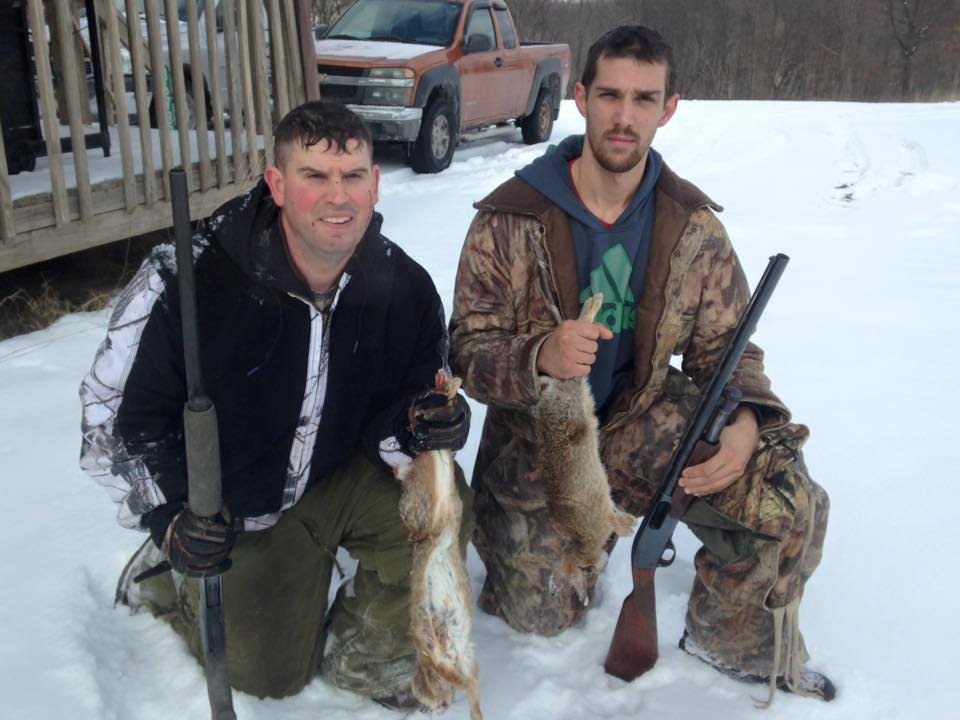
Image Source: i.ytimg.com
Grasping the Basics: Why Solo Hunting Works
Hunting rabbits alone is very possible. You just need to know how rabbits act. You also need to learn how to move quietly. A dog helps push rabbits out. But a solo hunter uses smart methods. You learn to sneak close. You learn to set clever traps. This way of hunting is often quiet. It can be very rewarding too.
The Appeal of Solo Hunting
Hunting alone offers peace. You can focus fully. You do not need to worry about a dog. You move at your own speed. You make your own choices. It is a true test of your skills. It also lets you enjoy nature without distractions.
Laws and Safety First
Before you start, know the rules. Hunting laws change by place. Check your local laws. Make sure hunting rabbits is allowed. See if you need a license. Learn about hunting seasons.
Safety is key. Always know where your gun is pointing. Treat every gun as loaded. Wear bright colors. This helps other hunters see you. Plan your hunt. Tell someone where you are going. Always carry a first-aid kit.
Finding Your Quarry: Where to Find Rabbits
To hunt rabbits, you first need to find them. Where to find rabbits is often easy. Rabbits like certain places. They like areas with food and cover. Cover means places to hide.
Prime Rabbit Habitats
Rabbits like edges. Think of where a field meets woods. Or where a forest meets open land. They like brush piles. They like thickets. They like old farm buildings. Look near fences. Look in overgrown gardens. Look where grass is tall.
Here are places to check:
* Field Edges: Where fields meet woods or hedgerows. Rabbits come out to eat grass.
* Brush Piles: Piles of cut branches offer great hiding spots.
* Thickets: Dense bushes and thorny plants. They are safe havens.
* Hedgerows and Fence Lines: These offer paths and cover.
* Abandoned Areas: Old farms, overgrown orchards.
* Woody Draws: Small valleys with thick trees or bushes.
* Tall Grass and Clover Fields: Food sources for rabbits.
Rabbits often stay close to cover. They do not like to be far from a safe spot. This is because they are prey animals. They need to hide from dangers.
Rabbit Behavior Patterns: Knowing Your Target
Knowing rabbit behavior patterns makes hunting easier. Rabbits are most active at certain times. They also have certain ways of acting.
Daily Routine of Rabbits
Rabbits are crepuscular. This means they are most active at dawn and dusk. They come out to feed then. During the day, they rest. They hide in their burrows. They also hide in thick cover. On cloudy days, they might be out more during the day. In winter, they might feed more in the middle of the day. This is when it is warmer.
How Rabbits React to Danger
Rabbits are very alert. They have good hearing. They have good eyesight. They are always watching for threats.
* Freeze: When they sense danger, they often freeze. They hope you do not see them.
* Bolt: If danger gets too close, they run fast. They run for the nearest cover.
* Zigzag: They run in a zigzag pattern. This makes them hard to hit.
Move slowly. Be very quiet. This helps you get close. Avoid sudden movements.
Tracking Rabbit Signs: Following the Clues
Learning to read signs is key. Tracking rabbit signs tells you where rabbits are. It tells you what they are doing. This is vital for solo hunters. You do not have a dog to flush them out.
What to Look For
- Droppings: Rabbit droppings are small, round pellets. They are often dark. Fresh droppings mean rabbits are nearby.
- Tracks: Rabbit tracks look like small handprints. The front feet are usually side-by-side. The back feet land in front of the front feet. Look for them in mud or snow.
- Chew Marks: Rabbits gnaw on plants. Look for bark stripped from twigs. Look for cut stems.
- Runs or Trails: Rabbits use the same paths. These are narrow trails through grass or brush. Look for them near cover.
- Burrows: Rabbit burrows are holes in the ground. They are usually small. They often have a main entrance and escape holes.
- Nest Sites: In spring, look for nests. These are shallow dips lined with fur.
Focus on fresh signs. These tell you where rabbits are right now. Old signs just tell you where they used to be.
Stalking Rabbits Without a Dog: The Art of the Approach
Stalking rabbits without a dog takes patience. It takes skill. You must be silent. You must be slow.
Tips for a Silent Stalk
- Move Slowly: Take small steps. Lift your feet high. Do not drag them.
- Watch Your Footing: Look where you step. Avoid dry leaves or twigs. These make noise.
- Use Cover: Move from bush to bush. Use trees or tall grass to hide. Stay out of sight.
- Walk Against the Wind: Rabbits have a great sense of smell. If you walk into the wind, they cannot smell you.
- Scan and Pause: Take a few steps. Then stop. Look all around. Look for movement. Look for rabbits freezing.
- Blend In: Wear dull, natural colors. Camouflage helps.
- Patience is Key: Do not rush. The slower you go, the better your chances.
When you see a rabbit, do not move. Wait for it to relax. Then, slowly get into a good position. Try to get a clear shot if you are using a gun. If you are setting a trap, move very carefully to the spot.
Methods for Solo Rabbit Hunting
There are several ways to hunt rabbits alone. Each method has its own steps.
Air Rifle Rabbit Hunting: Quiet and Precise
Air rifle rabbit hunting is popular. It is quiet. It is very precise. An air rifle is good for small game. It is also safe to use in many areas. This is because the pellets do not travel far.
Choosing Your Air Rifle
- Caliber: For rabbits, .22 caliber is best. It delivers enough power. A .177 might be too small.
- Power: Look for a rifle with at least 12 foot-pounds of energy (FPE). More FPE means more power.
- Accuracy: A good scope helps a lot. It helps you aim better.
- Type: Spring-piston rifles are common. PCP (Pre-Charged Pneumatic) rifles are more powerful and very accurate. But they cost more.
Shot Placement
For a humane kill, aim for the head. Or aim for the chest (heart/lungs). The head shot is best. It causes a quick kill. It also saves more meat.
- Head Shot: Aim for the brain. This is a small target. It requires good aiming.
- Heart/Lung Shot: Aim behind the front leg. This hits vital organs.
Only take a shot if you are sure. A clean kill is important. Do not take risky shots.
Rabbit Snaring Techniques: Passive Hunting
Rabbit snaring techniques are a passive way to hunt. You set a snare. The snare catches the rabbit. You do not need to be there. This is a good way to hunt if you have limited time.
Legality First
Check if snaring is legal where you hunt. Many places do not allow it. Or they have strict rules. Always follow the law.
Types of Snares
A snare is a simple wire loop. It is set in a rabbit run.
* Snare Wire: Use strong, thin wire. Stainless steel aircraft cable is good. It should be about 1/16 inch thick.
* Breakaway Devices: Some snares have parts that break if a larger animal gets caught. This is for safety.
Setting a Snare
- Find a Run: Look for clear rabbit trails. These are paths rabbits use often. They are usually narrow.
- Choose a Choke Point: Find a spot where the run gets narrow. This could be between two bushes. Or under a fallen log.
- Place the Snare: Make a loop of wire. The loop should be about 4-5 inches across. Place the bottom of the loop about 3-4 inches above the ground.
- Anchor the Snare: Fasten the end of the snare to something strong. Use a tree, a sturdy stake, or a heavy log. Make sure it cannot be pulled away.
- Camouflage: Make the snare blend in. Use natural materials. Do not add anything that looks out of place.
Snare Placement Table
| Feature | Guideline | Reason |
|---|---|---|
| Loop Size | 4-5 inches wide | Big enough for rabbit, small enough to catch |
| Loop Height | 3-4 inches from ground | Rabbit’s head will go through the loop |
| Location | Narrow rabbit runs, choke points, near cover | Where rabbits are forced to travel |
| Anchoring | Securely to tree, stake, or heavy object | To prevent rabbit from escaping with snare |
| Camouflage | Use natural elements to hide the snare | To avoid spooking rabbits |
Checking Snares
You must check your snares often. Check them at least once a day. This is to make sure rabbits are dispatched quickly. It also helps avoid catching other animals.
Best Rabbit Traps: Another Passive Method
Best rabbit traps are live traps. These catch rabbits without harming them. You can then dispatch the rabbit humanely. Or you can release it if it is not your target. Like snares, check local laws first.
Types of Traps
- Live Traps (Cage Traps): These are metal cages. They have a door that snaps shut when the rabbit steps on a trigger plate. They are humane because they do not harm the animal.
- Size: Choose a trap about 24-30 inches long. About 8-10 inches wide and tall.
- Material: Galvanized steel is good. It lasts long.
- Box Traps: These are simple wooden boxes. They work like live traps. They are often cheaper to make or buy.
Baiting and Setting Traps
- Bait: Rabbits love fresh vegetables. Use carrots, apples, or lettuce. Clover and dandelions also work well.
- Placement: Place traps along known rabbit runs. Place them near burrows. Put them in places rabbits are likely to visit.
- Camouflage: Cover the trap with branches or leaves. Make it blend in.
- Preparation: Place some bait outside the trap first. This makes rabbits feel safer. Then put bait inside the trap. Place some bait past the trigger plate.
Checking Traps
You must check live traps often. Check them several times a day if possible. Animals can get stressed in traps. They can get hurt. Or they can die if left too long.
Seasonal Hunting: Winter Rabbit Hunting
Winter rabbit hunting is special. It can be very good. Rabbits stand out more in snow. Their tracks are also easier to see.
Advantages of Winter Hunting
- Easier Tracking: Fresh snow shows tracks clearly. You can follow them right to the rabbit.
- Less Cover: Many plants lose their leaves. This means less cover for rabbits. It is easier to spot them.
- Rabbit Behavior: Rabbits need to eat more in winter. They might be out more during the day.
- No Bugs: No mosquitos or ticks.
Tips for Winter Hunting
- Dress Warm: Wear layers. Wear waterproof boots.
- Look for Food Sources: Rabbits gather near food in winter. Look for briar patches. Look for thick brush. Look for leftover crops.
- Follow Tracks: Walk slowly. Follow fresh tracks. They often lead to a rabbit resting in a bush.
- Use the Snow: White snow makes rabbits stand out. Look for dark shapes against the white.
- Patience: Winter can be cold. Be patient. Rabbits may be less active in very cold weather.
- Listen: Snow is quiet. You can hear rabbit movements better.
Solo Rabbit Hunting Tips: General Advice
Being a successful solo rabbit hunter means paying attention to many small things. These solo rabbit hunting tips will help.
Gear Checklist
Pack light. But bring what you need.
* Hunting license and tags (if needed)
* Air rifle and pellets (if using) OR snares/traps
* Binoculars (to spot rabbits from afar)
* Knife (for dispatch and field dressing)
* Gloves
* Small first-aid kit
* Water and snacks
* Compass or GPS
* Warm, layered clothing
* Game bag or cooler for meat
Quiet Movement
This cannot be stressed enough. Rabbits hear very well.
* Soft Steps: Place your whole foot down softly.
* No Rustling: Avoid clothing that makes noise.
* Silence is Golden: Do not talk. Do not make any sudden sounds.
Observation Skills
Train your eyes.
* Look for Movement: Rabbits often freeze. But sometimes you will see a twitch of an ear. Or a small hop.
* Look for Shapes: Learn to spot a rabbit’s shape. They can blend in very well. Look for an odd shape in the brush.
* Use Binoculars: Scan areas before you walk into them. This saves energy. It also helps you spot rabbits before they see you.
Be Mindful of Wind Direction
Always try to hunt into the wind. Or across the wind. This keeps your scent away from the rabbits.
Humane Rabbit Dispatch: Respecting the Animal
After a successful hunt, humane rabbit dispatch is very important. You want the animal to die quickly. You want it to suffer as little as possible. This is a key part of ethical hunting.
Methods for Quick Dispatch
- Cervical Dislocation: This is the most common and quickest method for rabbits.
- Hold the rabbit firmly by its hind legs. Its head should be down.
- Place a strong stick or metal rod across the rabbit’s neck, just behind the skull.
- Step firmly on both ends of the stick. Pull up hard on the rabbit’s legs.
- This breaks the neck and spine. It causes instant death.
- You can also do this by hand if you are strong. Hold the rabbit’s head with one hand. Hold the body with the other. Twist and pull apart quickly.
- Blunt Trauma to the Head: A sharp, strong blow to the back of the head. Use a heavy stick or blunt tool. This must be very firm and accurate.
- Firearm (if using): A very quick shot to the head or heart. This is if the rabbit is caught alive but wounded.
Why Humane Dispatch Matters
- Ethics: It is our duty as hunters to minimize suffering.
- Meat Quality: Stress can affect meat quality. A quick, calm death helps keep the meat good.
- Respect: It shows respect for the animal you are taking.
After dispatch, you will want to field dress the rabbit. This means removing its insides. This helps cool the meat quickly. It prevents spoilage.
Conclusion: The Rewards of Solo Rabbit Hunting
Hunting rabbits alone without a dog is a great way to enjoy the outdoors. It tests your skills. It teaches you patience. It connects you deeply with nature. By learning about rabbit habits, tracking signs, and using smart methods like stalking, snares, or air rifles, you can be very successful. Always remember to hunt safely. Always follow the law. And always treat the animals with respect. Happy hunting!
Frequently Asked Questions (FAQ)
h4 Is it hard to hunt rabbits without a dog?
No, it is not hard. It just needs different skills. You learn to be quiet. You learn to watch for signs. A dog pushes rabbits out. You learn to find them quietly.
h4 What is the best time of day to hunt rabbits?
Rabbits are most active at dawn and dusk. This is when they eat. On cloudy days, they might be out more during the day. In winter, they might feed more at midday.
h4 Can I use a regular gun to hunt rabbits?
Yes, in many places you can. Check your local laws first. A .22 caliber rifle is common. Shotguns can also be used. An air rifle is often a good choice. It is quiet and safe for close ranges.
h4 How do I find rabbit burrows?
Look for small holes in the ground. They are often in brush piles. They are also found under logs. Look near dense cover. They usually have fresh dirt around the opening.
h4 What should I do if I find a sick rabbit?
Do not touch it. Report it to local wildlife officials. Sick animals can spread disease. It is best to avoid them.
h4 Do rabbits use the same paths every day?
Yes, they often do. They make small trails. These are called runs. They use these runs to get to food and cover. These runs are good places for snares or traps.
h4 How close do I need to get to a rabbit with an air rifle?
It depends on your rifle’s power. It also depends on your skill. For a clean kill, aim for 20-30 yards. Practice shooting to know your limits.
h4 What do I do with the rabbit after I catch it?
First, dispatch it humanely and quickly. Then, field dress it. This means removing its insides. This helps the meat cool down. It also helps keep the meat fresh. Put the meat in a game bag or cooler.