
The Truth: Can A Dog Bite Break A Bone? All You Need
Yes, a dog bite can certainly break a bone. Even a small dog’s bite can cause a dog bite bone fracture, especially in smaller bones like those in the hand or foot. The severity of dog bite injuries varies greatly, but serious harm, including bone damage, is a real risk. It is vital to seek medical help if you think a dog bite has broken a bone or caused any deep injury.
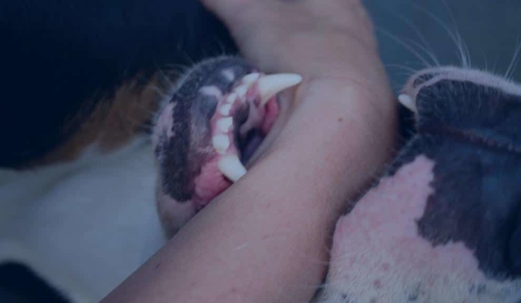
Image Source: www.joubertlawfirm.com
The Real Risk: Dog Bites and Bone Damage
A dog bite can cause many kinds of harm. It can break the skin. It can tear muscles. And yes, it can break bones. The strength of a dog’s bite is often much greater than people think. This strength, combined with sharp teeth, makes bone breaks a real worry.
How a Dog’s Mouth Works
A dog’s mouth is a tool. It is made for grabbing, holding, and tearing. What gives a dog its strong bite? Two main things: powerful jaw muscles and sharp teeth.
Grasping the Power of Jaw Muscles
Dogs have very strong jaw muscles. These muscles let them apply great force. When a dog bites, these muscles squeeze down hard. Think of a vice grip. The stronger the muscles, the harder the bite. Some dogs have jaws that can lock. This adds to the danger.
Knowing Canine Teeth
Dogs have different kinds of teeth.
* Incisors: Small, at the front. Used for nipping.
* Canines: Long, sharp, pointed. These are the “fangs.” They are made for piercing and tearing. These teeth often cause deep puncture wounds.
* Premolars and Molars: At the back. Used for crushing and grinding.
When a dog bites, the canine teeth can pierce deeply. This can go through skin, muscle, and even hit bone. The back teeth can cause crushing injuries.
Grasping Canine Bite Force
Canine bite force is how much pressure a dog can put on something when it bites. We measure it in pounds per square inch (PSI). The PSI shows how much force is put on a single point. A higher PSI means a stronger bite.
Factors Affecting Bite Force
Many things change how strong a dog’s bite is.
* Breed: Some dog breeds are known for very strong bites.
* Size: Bigger dogs usually have stronger bites. Their jaws are larger, and their muscles are bigger.
* Age: Adult dogs bite harder than puppies.
* Health: A healthy dog has more bite strength.
* Emotion: A dog biting out of fear or anger might bite harder.
Measuring Bite Force
Here is a simple look at the average bite force for some dog breeds. Keep in mind, these are averages. Any dog can bite hard.
| Dog Breed | Average Bite Force (PSI) | Notes |
|---|---|---|
| Pit Bull | 235 – 300 | Strong, determined bite |
| German Shepherd | 238 | Powerful, often used in protection work |
| Rottweiler | 328 | Known for powerful jaws |
| Doberman Pinscher | 245 | Strong, precise bite |
| Boxer | 200 | Strong, but often less crushing than others |
| Labrador Retriever | 100 – 200 | Varies, but can still cause serious harm |
| Mastiff Breeds | 500 – 700+ | Some of the strongest bites (e.g., Kangal, Cane Corso) |
| Human | 120 – 160 | Much weaker than most dog bites |
Even a dog with a lower PSI can break a bone. A Chihuahua’s bite is much weaker than a Mastiff’s. But it can still cause a dog bite hand fracture if it hits a small bone just right.
How Bones Break from Dog Bites
A human bone dog bite can happen in several ways. The dog’s teeth and the force of the bite combine to cause damage.
Direct Hit
This is when a dog’s tooth directly hits a bone. The force can be enough to crack or break it. This is common with sharp canine teeth.
Crush Injuries
A dog bite crush injury happens when a dog’s jaws clamp down very hard. This puts pressure on a large area. It can shatter or crush bones, especially flat bones or smaller ones. Think of a nutcracker effect. This often happens with larger dogs.
Puncture Wounds
A puncture wound bone injury happens when a tooth goes deep. It can go through skin and muscle. If it reaches a bone, it can cause a small crack or hole. Even a small hole can weaken the bone. This makes it easier to break later. Punctures also carry a high risk of infection deep inside.
Shearing Forces
Sometimes a dog bites and then twists or pulls. This can create a shearing force. It can pull a piece of bone away. This is called an avulsion fracture.
Vulnerable Bones
Some bones are more likely to break from a dog bite.
- Hands and Fingers: These are very common places for
dog bite hand fracture. People often use their hands to protect themselves. Or they try to break up a dog fight. The bones in the hand are small and many. This makes them easy targets. - Wrists and Forearms: These areas are also exposed. They have longer, but still vulnerable, bones.
- Ankles and Feet: If a dog bites someone’s leg, these lower bones are at risk.
- Face: Bites to the face can break small bones in the nose, eye sockets, or jaw. This is very serious.
- Children’s Bones: Children’s bones are softer and still growing. They are more likely to break than adult bones. A dog bite that might only bruise an adult could break a child’s bone.
Types of Bone Fractures from Dog Bites
A dog bite bone fracture can be any type of bone break. The type depends on the force and how the bite happened.
- Simple (Closed) Fracture: The bone breaks, but the skin stays whole. The bone does not poke through.
- Compound (Open) Fracture: The bone breaks, and it tears through the skin. This is very serious. It means the bone is open to the outside world. This greatly increases the risk of deep infection.
- Greenstick Fracture: The bone bends and breaks only partway. This is common in children. Their bones are more flexible.
- Comminuted Fracture: The bone breaks into many small pieces. This often happens with very strong crush injuries.
- Avulsion Fracture: A piece of bone is pulled away by a ligament or tendon. This can happen if the dog pulls after biting.
- Crush Fracture: The bone is flattened or squeezed. This is often seen in a
dog bite crush injury.
Beyond the Break: Other Bone Problems
Dog bite bone damage is not just about a clean break. Other issues can happen that affect the bone.
- Bruising and Chipping: Even if a bone does not fully break, it can get bruised. Small chips of bone can break off. This still causes pain and needs care.
- Bone Infections: A Major Danger
One of the most serious problems after adog bite bone fractureis infection. Dog mouths carry many types of bacteria. When teeth pierce the skin and reach bone, these bacteria can get into the bone.
Complicating Factors: Osteomyelitis
Osteomyelitis from dog bite is a severe bone infection. This infection can spread quickly. It can destroy bone tissue. It is hard to treat.
How does it happen?
1. Bacteria from the dog’s mouth enter the deep wound.
2. They reach the bone through a puncture or open fracture.
3. The bacteria grow and cause inflammation.
4. This infection damages the bone and can block blood flow.
Signs of Osteomyelitis
- Severe pain in the bone.
- Swelling and warmth over the area.
- Redness.
- Pus draining from the wound.
- Fever and chills.
- Feeling very tired.
If you have these signs after a dog bite, get help right away. Osteomyelitis needs urgent and long-term medical care. It can lead to lasting bone problems. It can even lead to the need to remove parts of the bone or limb if not treated quickly.
What to Do After a Dog Bite
A dog bite is a medical emergency. Do not wait to get help, especially if you suspect bone damage.
Immediate Steps
- Clean the Wound: Wash the wound with mild soap and warm water right away. Rinse for several minutes. This helps remove bacteria.
- Stop Bleeding: Put clean cloth or sterile gauze on the wound. Press down firmly.
- Seek Medical Help Fast: Go to the emergency room or urgent care clinic. Do this even if the bite seems small. Dog bites often look minor but can be deep and serious.
- Do Not Delay: Time is very important. Getting care fast can prevent serious problems.
Medical Assessment and Diagnosis
When you see a doctor, they will do a full check-up.
* Doctor’s Exam: They will look at the bite wound closely. They will check how deep it is. They will look for signs of bone damage.
* X-rays: This is a key step. X-rays can show if a dog bite bone fracture has occurred. They can show breaks, chips, or crushing.
* CT Scans or MRI: Sometimes, if the injury is complex, these scans might be needed. They give more detailed pictures of the bone and soft tissues.
* Checking for Other Damage: Doctors also check for harm to nerves, tendons, and blood vessels. These are often close to bones.
* Infection Checks: They might do blood tests. They might take a sample from the wound to check for bacteria. This helps choose the right antibiotics.
Treatment for Dog Bite Bone Break
Treatment for dog bite bone break is complex. It needs careful medical care. The goal is to fix the bone and stop infection.
First Aid for Fractures
If you think a bone is broken, do these things right away:
1. Immobilize the Area: Do not move the injured body part. Try to keep it still. You can use a splint. A splint can be a rolled newspaper or cardboard. Tape it to the injured area.
2. Elevate: If possible, raise the injured area above the heart. This helps reduce swelling.
3. Pain Relief: You can take over-the-counter pain medicine. But this is just for comfort until you see a doctor.
Hospital Treatment
Once at the hospital, doctors will take steps to treat the bone break and prevent infection.
* Cleaning and Debridement: This is very important. Doctors will clean the wound thoroughly. They might remove any dead or damaged tissue. This reduces the risk of osteomyelitis from dog bite.
* Antibiotics: These are crucial. Doctors will give you strong antibiotics. You might get them through an IV first. Then you will take pills at home. Antibiotics fight bacteria. They help prevent severe infections like osteomyelitis. You may need to take them for weeks, especially for a bone infection.
* Splinting or Casting: For many bone breaks, the area needs to be held still. A splint or cast will keep the bone in place. This lets it heal correctly.
* Surgery: Some dog bite bone fracture injuries need surgery.
* Open Reduction and Internal Fixation (ORIF): For complex breaks, surgeons might need to open the skin. They put the bone pieces back together. They use plates, screws, or rods to hold the bone in place. This is very common for a dog bite hand fracture if the bones are badly broken.
* Bone Grafts: If bone is missing or badly crushed, a bone graft might be needed. This is taking bone from another part of your body. Or using donor bone. It helps the bone heal.
* Dealing with Severe Crush Injuries: These often need complex surgery. They might need many operations. This is because there can be a lot of bone and tissue damage.
* Follow-up Care: After the first treatment, you will need more care. This includes:
* Physical Therapy: To help you get movement back.
* Monitoring for Infection: Regular checks to make sure no infection grows. Blood tests might be done.
* Regular X-rays: To check how the bone is healing.
Preventing Dog Bites
The best treatment for dog bite bone break is to stop it from happening. Here are ways to prevent dog bites.
For Dog Owners
- Train Your Dog: Teach your dog good manners. Use positive rewards. Socialize them early. Expose them to different people, places, and sounds. This helps them feel safe and calm.
- Spay/Neuter: This can reduce dog aggression.
- Leash Laws: Always follow leash laws. Keep your dog on a leash when outside your home. This prevents them from running up to people or other animals.
- Watch Body Language: Learn your dog’s signals. A dog might show signs of fear or stress before biting. Look for stiff body, lip licking, yawning, tucked tail, or growling. Remove your dog from stressful situations.
- Secure Your Yard: Make sure your fence is sturdy. Dogs should not be able to get out.
For Everyone Else
- Ask Before Petting: Always ask the owner if it is okay to pet their dog. Never assume a dog is friendly.
- Do Not Bother a Dog: Do not bother a dog that is eating, sleeping, or caring for puppies. Do not try to take its toys or food.
- Stay Calm: If an unknown dog approaches you, stay still and calm. Do not run. Do not make eye contact. If it knocks you down, curl into a ball. Protect your face and neck.
- Teach Children Dog Safety: Kids need to know how to act around dogs. Teach them to be gentle. Tell them not to tease dogs. Supervise children and dogs at all times.
Frequently Asked Questions (FAQ)
Q: Can a small dog break a bone?
A: Yes, even small dogs can cause a dog bite bone fracture. Their bites are less powerful than large dogs, but they can still break smaller bones, like those in fingers, toes, or the hand. Children’s bones are also more fragile.
Q: How long does it take for a dog bite bone fracture to heal?
A: Healing time varies. It depends on the fracture type, how severe it is, your age, and your overall health. Simple breaks can heal in 6-8 weeks. More complex breaks, like a dog bite crush injury or puncture wound bone injury that leads to infection, can take months. They may even need surgery and long-term physical therapy.
Q: What are the signs of osteomyelitis from dog bite?
A: Signs of osteomyelitis from dog bite include severe pain, swelling, redness, warmth, and pus coming from the wound. You might also have a fever, chills, and feel very tired. These signs usually appear days or weeks after the bite. It is crucial to see a doctor if you have these signs.
Q: Should I always go to the ER after a dog bite?
A: Yes, it is best to seek medical help right away after any dog bite. Even if it looks minor. Dog bites carry a high risk of infection. Doctors can clean the wound properly. They can check for hidden damage like a dog bite bone damage or deeper injury. They can also prescribe antibiotics to prevent infection.
Q: Is surgery always needed for a dog bite hand fracture?
A: Not always. Simple dog bite hand fracture cases might only need a cast or splint. However, severe dog bite crush injury cases, open fractures, or those with many broken pieces often need surgery. Surgery helps put the bones back together. It also helps prevent infection if the wound is deep. Your doctor will decide the best treatment for dog bite bone break based on your specific injury.