
Is it Safe? Expert Advice: Can My Dog Be Spayed While In Heat?
Yes, your dog can be spayed while in heat, also known as estrus or “in season.” However, it often comes with increased risks and complications compared to spaying a dog not in estrus. Veterinarians typically prefer to wait until the heat cycle is over if possible. This is because a dog’s body undergoes many changes during heat that can make the surgery more complex and potentially more dangerous. Your vet will discuss these factors with you before deciding the best time for your dog’s spay.
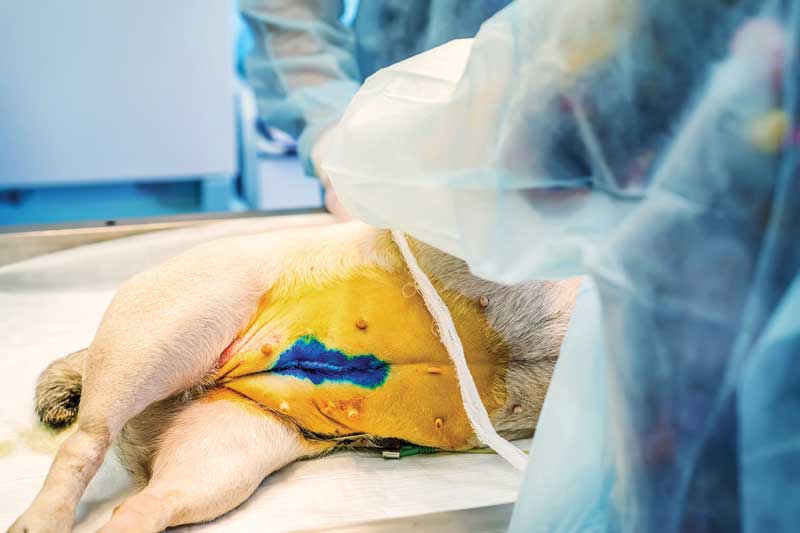
Image Source: www.veterinarypracticenews.com
Deciphering Spaying During Estrus: A Detailed Guide
Spaying, or ovariohysterectomy, is a common surgery for female dogs. It removes the ovaries and uterus. This stops pregnancy and offers many health benefits. But the timing of this surgery can be tricky, especially if your dog is in heat. Many dog owners ask, “Is it safe to spay a dog in season?” The answer is not a simple yes or no. It involves looking at risks, recovery, and advice from experts.
Why Veterinarians Often Prefer to Wait
When a female dog is in heat, her body prepares for pregnancy. This means changes that affect surgery. Veterinarians usually advise waiting for two to three months after a heat cycle ends. This gives the dog’s body time to return to its normal state.
The Body’s Changes During Heat
During heat, a dog’s reproductive organs get bigger. They also have more blood flowing to them.
* Swollen Tissues: The uterus and ovaries become swollen. They are larger than normal.
* More Blood Flow: There is a lot more blood going to these organs. This helps them prepare for puppies.
* Fragile Tissues: The tissues in the reproductive area become very delicate. They can tear more easily.
These changes make the surgery harder. They also raise the chance of problems.
Evaluating the Risks
Performing a dog spay during heat cycle risks are real and important to know. The main concern is blood loss. But other issues can also come up.
Higher Risk of Bleeding: Increased Bleeding Spaying in Estrus
This is the biggest risk. When a dog is in heat, blood vessels in and around the uterus swell and fill with blood. This is natural for reproduction. During surgery, cutting these vessels leads to more bleeding.
* Bigger Blood Vessels: The blood vessels are larger and more fragile. They are easier to nick or cut.
* Harder to Control: It is harder for the vet to control bleeding. More blood means more risk to the dog.
* Longer Surgery: The vet must take more time to stop the bleeding. This makes the surgery last longer.
More bleeding can lead to problems like:
* Anemia: Too much blood loss can make the dog weak.
* Blood Transfusion: In severe cases, the dog might need a blood transfusion.
* Shock: Extreme blood loss can cause shock, a life-threatening condition.
Longer Surgery Time
Because of the swollen tissues and increased bleeding, the vet needs more time. They must be very careful. This extra time means the dog is under anesthesia for longer.
Anesthesia Concerns
Any time a dog is under anesthesia, there are risks. A longer surgery time means:
* More Anesthesia: The dog gets more anesthetic drugs.
* Higher Risk of Side Effects: More drug use can raise the chance of side effects. This includes problems with breathing or heart function.
* Slower Wake-Up: It might take the dog longer to wake up from anesthesia.
Increased Swelling
After surgery, the area might swell more. This is due to the already swollen tissues. This can make the dog feel more pain. It can also slow down healing.
The Upsides and Downsides: Pros and Cons of Spaying in Heat
While veterinarians usually advise waiting, there are times when spaying a dog in heat might be considered. It is good to look at both sides.
When It Makes Sense
Sometimes, spaying during heat is the only or best choice.
* Unknown History: If a rescue dog comes in and is already in heat, and her history is unknown, immediate spay might be needed to prevent pregnancy.
* Risk of Unwanted Pregnancy: If there is a high chance of the dog getting pregnant, spaying in heat prevents this. This is very important if she is near male dogs.
* Pyometra Risk: If a dog has an open pyometra (a serious uterine infection that causes pus to drain), spaying is a life-saving surgery. Pyometra often happens after heat. If a dog is already showing signs of this, surgery is critical, even if she is still in heat.
The Challenges
The disadvantages mainly come from the risks mentioned above.
| Feature | Spaying NOT in Heat | Spaying IN Heat |
|---|---|---|
| Bleeding Risk | Low to normal | High, due to swollen, blood-filled tissues |
| Surgery Time | Shorter, usually 30-60 minutes | Longer, often 60-90 minutes or more |
| Anesthesia Risk | Normal | Higher, due to longer time under |
| Tissue Fragility | Normal | High, tissues are delicate and tear easily |
| Post-Op Swelling | Mild | Moderate to significant, can cause more discomfort |
| Recovery | Typically smooth | Can be longer, more painful, or have more complications |
| Cost | Standard spay fee | Higher, due to more complex surgery, extra supplies, or longer time |
| Vet Preference | Preferred timing | Avoided if possible |
These complications of spaying during heat make it a choice with more thought needed.
Best Time for Spaying: Optimal Timing for Dog Spay
The best time to spay a dog is usually before her first heat cycle. This is often around 6 months of age. Spaying before the first heat gives the most health benefits. It greatly reduces the risk of mammary (breast) cancer. It also stops uterine infections and unwanted pregnancies.
The Young Advantage
Puppies often heal faster. Their bodies are smaller, and their organs are less developed. This makes surgery quicker and less risky.
* Faster Healing: Young dogs bounce back quickly.
* Smaller Organs: The reproductive organs are small. This makes them easier to remove.
* Less Fat: Younger dogs often have less fat around their organs. This makes the surgery area clearer.
Waiting to Spay Dog After Heat
If your dog has already gone through a heat cycle, the best time to spay her is usually two to three months after the heat ends. This allows her hormones to settle down. It also allows her reproductive organs to return to their normal size.
* Normal Organ Size: Tissues shrink back to normal size.
* Reduced Blood Flow: Blood flow to the area goes back to normal levels.
* Stronger Tissues: The tissues are less fragile. This makes the surgery safer.
If you miss the chance to spay before the first heat, waiting for her body to recover is the next best choice. Always talk to your vet about the right time for your dog. Each dog is different.
The Healing Process: Recovery Period After Spaying in Heat
The recovery period after spaying in heat can be longer and more challenging than for a routine spay. Because the surgery is more complex, the dog may need more careful monitoring and support.
Special Care Needs
Your vet will give you specific instructions for home care. These instructions are vital for a good recovery.
* Rest is Key: Limit your dog’s activity. No running, jumping, or rough play for at least 10-14 days. This helps the incision heal and reduces swelling. Keep her on a leash when outside.
* Cone of Shame (E-collar): Your dog must wear an Elizabethan collar. This stops her from licking or chewing the incision site. Licking can cause infection or open the stitches. This is especially important if there was more swelling or discomfort during surgery.
* Pain Management: Your vet will prescribe pain medicine. Give it exactly as directed. Pain control is crucial for comfort and healing.
* Incision Check: Look at the incision every day. Watch for signs of infection. These include redness, swelling, discharge, or bad odor. A little swelling is normal right after surgery, but it should not get worse.
* Watch for Bleeding: While some light spotting might occur, excessive bleeding from the incision is a sign of trouble. Contact your vet right away if you see this.
* Keep It Clean and Dry: Do not let the incision get wet. No baths or swimming until the vet says it is okay.
Watch for Issues
Because spaying in heat has higher risks, watch for signs of complications.
* Excessive Swelling: More swelling than expected can point to internal bleeding or fluid buildup.
* Fever: A high body temperature can mean infection.
* Pale Gums: Very pale gums can mean severe blood loss.
* Weakness or Lethargy: If your dog is unusually tired or weak, call the vet.
* Loss of Appetite/Vomiting: Some nausea is normal, but continued lack of eating or throwing up needs a vet check.
The recovery period for a routine spay is usually 7-14 days. For a spay during heat, it might take a bit longer. It depends on how complicated the surgery was. Your vet will let you know what to expect.
The Financial Aspect: Cost of Spaying a Dog While in Heat
The cost of spaying a dog while in heat is typically higher than a standard spay. This is because the surgery is more involved and takes more resources.
* Longer Surgery Time: More time in the operating room means higher charges for the vet’s time and staff.
* More Supplies: Extra sutures, gauze, or specialized tools might be needed to manage bleeding.
* Extra Monitoring: Some vets might want more intensive monitoring during or after surgery. This can include IV fluids or more pain medication.
* Potential Complications: If complications arise, like excessive bleeding needing a transfusion, the cost will go up much more. This can include extra vet visits or even emergency care.
Always ask your vet for a cost estimate. They can give you a clear idea of what to expect based on your dog’s specific situation. They might also discuss payment plans or options if needed.
Expert Views: Veterinarian Recommendations for Spaying in Heat
Most veterinarians agree: spaying a dog when she is not in heat is always the safest choice. Their recommendations are based on years of medical training and experience.
- Prioritize Safety: Vets put the dog’s safety first. Reducing risks during surgery is a top goal.
- Wait if Possible: If your dog is healthy and not facing a crisis, vets will strongly advise waiting for 2-3 months after her heat ends. This allows her body to return to normal.
- Discuss Urgent Cases: In rare cases, like a dog needing spay to prevent immediate unwanted pregnancy or to treat pyometra, the vet will weigh the risks against the benefits. They will explain everything to you.
- Thorough Pre-Op Exam: Before any surgery, especially one during heat, your vet will do a full health check. They might do blood tests. This helps them find any hidden risks.
- Open Communication: Your vet is your best source of information. Ask all your questions. Make sure you understand the risks and recovery plan. They will guide you to make the best decision for your dog.
Making the Right Call
Deciding when to spay your dog is a big choice. The best time is usually before her first heat or a few months after it ends. But if your dog is in heat, spaying is possible, though with higher risks. Always talk to your vet. They can look at your dog’s health, age, and situation. They will help you make the safest choice. The goal is always to keep your dog healthy and happy for many years.
Frequently Asked Questions (FAQ)
Q1: How long after a heat cycle can a dog be spayed?
A1: Most vets recommend waiting about two to three months after a heat cycle ends. This gives the dog’s hormones time to calm down and her reproductive organs to shrink back to their normal size, making the surgery safer.
Q2: What happens if a dog gets pregnant right before being spayed while in heat?
A2: If a dog is spayed while pregnant, the pregnancy will be ended. This is a more involved and often more costly surgery. It is known as a “pregnant spay” and carries even higher risks than a spay during heat. Your vet will discuss this possibility during the pre-surgical exam.
Q3: Can spaying during heat affect my dog’s future health?
A3: While the immediate risks are higher, if the surgery goes well, there is no known long-term negative impact on health directly from being spayed while in heat, compared to a routine spay. The key is managing the higher risks during the surgery itself.
Q4: Will my dog still go into heat after being spayed?
A4: No, a dog will not go into heat after being spayed. Spaying removes the ovaries, which produce the hormones that cause a dog to go into heat. If a dog shows signs of heat after spay, it might mean some ovarian tissue was left behind, a condition called Ovarian Remnant Syndrome. This is rare and needs further vet attention.
Q5: Are there any alternatives to spaying a dog in heat?
A5: The only way to prevent pregnancy and reproductive health issues is through spaying. If your dog is in heat, the main alternative is to prevent any contact with intact male dogs for the entire duration of her heat cycle and then schedule the spay for a later, safer date (2-3 months post-heat).
Q6: How long does a dog stay in heat?
A6: The full heat cycle can last about 2-4 weeks, but the fertile period (when she can get pregnant) is usually in the middle of that time. Signs of heat include a swollen vulva, bloody discharge, and a willingness to accept male dogs.
Q7: Will my dog be in more pain after spaying in heat?
A7: Due to the increased manipulation of swollen and blood-filled tissues, and potentially longer surgery time, dogs spayed in heat may experience more post-operative pain and swelling. Your vet will provide appropriate pain medication to help manage any discomfort.
Q8: What if I have an emergency and my dog needs spaying while in heat?
A8: If your dog has a life-threatening condition like pyometra (a severe uterine infection) or a serious injury requiring immediate surgery, and she happens to be in heat, the vet will proceed with the spay. In such emergency cases, the benefits of the surgery outweigh the risks of being in heat.
Q9: Do vets charge more for spaying a larger dog in heat?
A9: Yes, generally, spay costs increase with the dog’s size. Larger dogs have larger organs and more tissue, which means more work and supplies for the vet. When a large dog is also in heat, the complexity and cost increase even more due to the swollen, blood-rich tissues.
Q10: Can I take my dog for walks during the recovery period after spaying in heat?
A10: Short, calm, leash-only walks to go to the bathroom are usually okay, but vigorous exercise, running, jumping, or playing with other dogs should be avoided. Strict rest is important to let the incision heal and prevent complications. Always follow your vet’s specific instructions for activity limits.