
The Truth: Can Geese Eat Dog Food? A Goose Diet Guide.
No, geese should not eat dog food. Dog food is made for dogs. It does not meet the unique needs of geese. Giving dog food to geese can cause serious health problems. It is not safe for them.
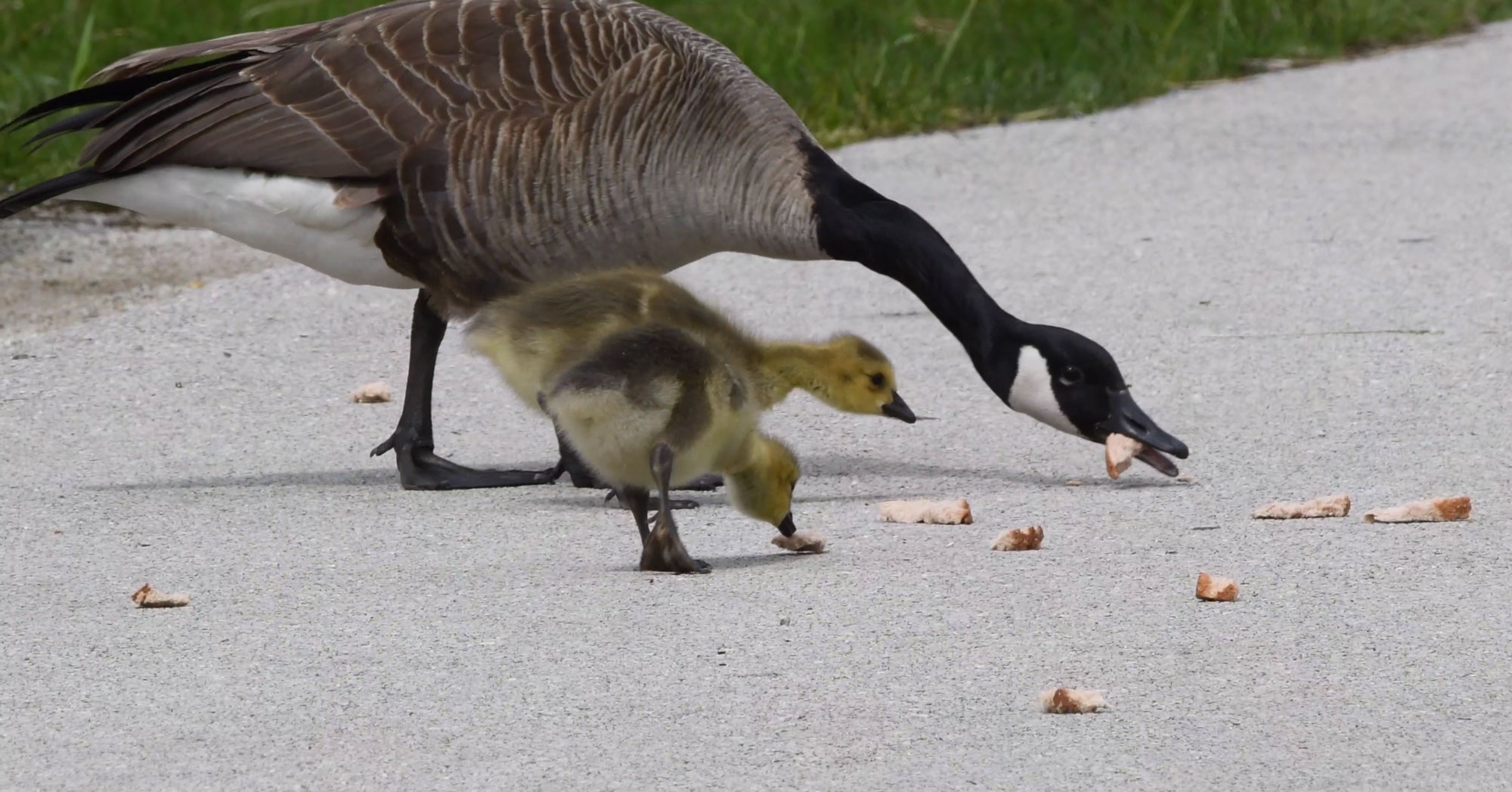
Image Source: www.reconnectwithnature.org
What Do Geese Really Eat?
Geese are mostly plant eaters. Their bodies are built to digest plants. Wild geese spend most of their day eating plants. They graze on grass. They find seeds and grains. They eat small bugs sometimes. But plants are their main food.
- Grass: This is a big part of their diet. They love to nibble on fresh grass.
- Leaves: They eat leaves from different plants.
- Stems: Young, soft stems are also good.
- Roots: They might dig for roots.
- Seeds: Many types of seeds are good.
- Grains: Wild grains are a natural food source.
- Aquatic Plants: Geese often eat plants that grow in water. This is a key part of their diet. They get many nutrients from these water plants.
Geese diet requirements are simple. They need lots of green plants. They need fiber. They also need some protein, but not too much. They get their energy from plant sugars and starches. They need fresh water to drink. They also use water for swimming.
Why Dog Food Is Not Ideal for Geese
Dog food is made for dogs. Dogs are carnivores or omnivores. This means dogs eat meat. Geese are herbivores. They eat plants. This is a big difference. The nutritional value of dog food for poultry is poor. It has too much of some things. It does not have enough of others.
High Protein and Fat
Dog food often has a lot of protein. This protein usually comes from meat. Geese need protein. But they need less protein than dogs. Too much protein can hurt a goose. It can strain their kidneys. It can cause problems with their liver. Young geese might grow too fast. This can lead to weak bones. Their legs might not be strong enough.
Dog food also has a lot of fat. Dogs need fat for energy. Geese need some fat. But too much fat is bad for them. It can make them overweight. An overweight goose can have heart problems. Its liver might get fatty. It can also make it hard for them to move or fly. This is why is dog food safe for waterfowl is a common question, and the answer is generally no.
Lack of Fiber
Plants have a lot of fiber. Fiber helps geese digest food. It keeps their gut healthy. Dog food does not have much fiber. It has less fiber than a goose needs. Without enough fiber, geese can get sick. They can have problems with their digestion. This can lead to soft poop or constipation.
Missing Nutrients
Dog food has vitamins and minerals. But these are for dogs. Geese need different amounts of these. They need specific vitamins for strong bones. They need certain minerals for good eggshells. Dog food might not have enough of what geese need. It might have too much of what they don’t need. This can lead to nutritional imbalances.
Harmful Ingredients for Geese
Some ingredients in dog food are bad for geese. They can be hard to digest. They can even be toxic.
- Meat By-products: These are common in dog food. Geese are not meat eaters. Their bodies are not made to digest these.
- High Salt Content: Dog food can have a lot of salt. Too much salt is bad for geese. It can make them very thirsty. It can cause kidney issues.
- Artificial Colors and Preservatives: These are not good for any animal. They can cause health problems over time.
- Certain Grains: While geese eat grains, some highly processed grains in dog food might not be good for them.
- Soy: Some dog foods use soy as a protein source. While geese can eat some soy, too much can be an issue. It can be hard to digest.
Table: Nutritional Comparison (General Guide)
| Nutrient | Goose Needs (Approx.) | Dog Food (Typical) | Impact on Goose |
|---|---|---|---|
| Protein | 16-20% | 25-35% | Kidney strain, rapid growth, joint issues |
| Fat | 3-5% | 10-20% | Obesity, fatty liver, heart problems |
| Fiber | High (from plants) | Low | Digestive issues, poor gut health |
| Calcium | Specific ratio to P | Different ratio | Bone problems, poor eggshells |
| Vitamins | Waterfowl specific | Canine specific | Deficiencies, imbalances |
Health Risks for Geese
Feeding dog food to geese can cause many health problems. These issues can be severe. They can even lead to death.
Goose Digestive System Issues
Geese have a simple digestive system. It is designed for plant matter. Dog food is dense. It is hard for their system to break down.
- Impaction: Dog food can swell when wet. It can get stuck in their crop or gizzard. This is called impaction. It stops food from moving through. It can be deadly.
- Diarrhea: The wrong food can upset their stomachs. This leads to loose, watery poop. Diarrhea can cause dehydration. It also means they are not getting nutrients.
- Bloat: Gas can build up in their digestive system. This makes them feel very uncomfortable. It can be painful.
- Enteritis: This is when their gut gets inflamed. It causes pain, diarrhea, and loss of appetite. It can be very serious.
Nutritional Deficiencies
Even if they eat dog food, geese might not get what they need. Their bodies cannot use all the nutrients. This leads to them lacking important things.
- Vitamin Deficiencies: Geese need specific vitamins. Dog food might not have enough Vitamin A or D. It might not have enough of the B vitamins they need. This can cause poor vision, weak bones, or nerve problems.
- Mineral Imbalances: The calcium to phosphorus ratio is very important for geese. Dog food has a different ratio. This can lead to weak bones. It can cause eggshell problems in laying geese.
Obesity and Related Problems
Too much fat and protein make geese gain weight fast. Obesity is bad for any animal.
- Joint and Leg Problems: Heavy geese put more strain on their legs. They can develop lameness. Their joints can become damaged. This is especially true for young, fast-growing geese.
- Fatty Liver Disease: Too much fat can build up in the liver. This hurts the liver’s function.
- Reduced Lifespan: All these problems can shorten a goose’s life. They may also suffer more illness.
Angel Wing
This is a condition where one or both wings twist outwards. They look like they are flying, but they are not. It mostly affects young, fast-growing birds. It is caused by too much protein and calories. Dog food has too much of both. It also links to not enough manganese or Vitamin E. This condition is often permanent. It stops the goose from flying.
Better Food Choices for Geese
It is best to feed geese food made for them. There are many safe and healthy options. These foods meet their specific needs.
Waterfowl Pellets
These are the best choice for pet geese. They are balanced. They have all the nutrients geese need. They come in different sizes. They are made for different ages of geese.
- Starter Pellets: For very young goslings. They have higher protein.
- Grower Pellets: For growing geese. They have less protein than starter feed.
- Maintenance Pellets: For adult geese. They have lower protein and balanced nutrients.
- Breeder Pellets: For geese that lay eggs. They have extra calcium.
Pellets vs grains for geese: Pellets are better than just grains. Pellets are a complete food. Grains are good treats. But they do not offer all the nutrients. Pellets ensure they get everything they need.
Fresh Greens
Geese love fresh greens. These should be a big part of their diet.
- Grass: Mown grass is great. Make sure it has no chemicals on it.
- Clover: A good source of protein and other nutrients.
- Dandelions: They love the leaves and flowers.
- Leafy Greens: Lettuce, spinach, kale, collard greens. Chop them up for easier eating.
- Alfalfa Hay: Good for winter when fresh grass is scarce.
Grains (In Moderation)
Grains can be a treat or a supplement. They should not be the main food.
- Oats: Rolled oats are easy to eat.
- Wheat: Whole wheat berries.
- Barley: Another good whole grain.
- Cracked Corn: Give only a little. It is high in energy but low in other nutrients. Too much can make them fat.
- Black Oil Sunflower Seeds: These are good in tiny amounts. They have healthy fats.
Vegetables
Many vegetables are safe and healthy for geese.
- Carrots: Grated or chopped.
- Beets: Leaves and roots.
- Squash: Cooked and mashed.
- Peas: Fresh or frozen (thawed).
- Cucumbers: Sliced.
Table: Safe Foods for Geese
| Type of Food | Examples | Notes |
|---|---|---|
| Pellets | Waterfowl pellets, Duck & Goose feed | Main diet, nutritionally complete |
| Fresh Greens | Grass, Clover, Dandelions, Lettuce, Kale | Essential, primary food source |
| Grains | Oats, Wheat, Barley, Cracked Corn | Treats, in moderation (corn especially) |
| Vegetables | Carrots, Beets, Squash, Peas, Cucumbers | Healthy additions, chopped or mashed |
| Fruits | Apples (no seeds), Berries, Melon | Small treats, very sparingly |
Special Diet Needs
Geese have different needs at different life stages. Their protein needs of geese change.
Goslings (Young Geese)
Young goslings need more protein than adults. This helps them grow fast. Waterfowl starter feed has about 20-22% protein. This is important for their first few weeks. After a few weeks, switch to a grower feed. This has slightly less protein. This slower growth helps their bones and legs stay strong. Avoid dog food at any age. It is very bad for growing goslings.
Laying Geese
Female geese that lay eggs need extra calcium. This helps make strong eggshells. Waterfowl layer feed has more calcium. You can also offer crushed oyster shells. They will eat these if they need more calcium.
Winter Feeding
In winter, fresh grass might be scarce. You can offer more hay or grains. Waterfowl pellets are still the main food. They need extra calories to stay warm. But do not overfeed them.
Feeding Wild Geese Guidelines
It is often best not to feed wild geese at all. They can find their own food. Feeding them can cause problems.
- Disease Spread: Feeding spots can bring many birds together. This makes diseases spread easily.
- Dependency: Wild geese can become reliant on humans. They might stop looking for their own food. They might not migrate.
- Pollution: Uneaten food can rot. It can pollute ponds and waterways. It attracts pests like rats.
- Aggression: Geese can become aggressive when fed. They might expect food from everyone.
If you must feed wild geese, choose the right foods.
- Small amounts of cracked corn: Only a tiny bit.
- Oats or barley: These are safer than bread.
- Peas or chopped greens: If you want to offer something fresh.
Never feed bread to geese. This is very important. Bread has no nutrition for them. It can fill them up. Then they don’t eat healthy foods. It can cause a condition called “angel wing.” It also harms their digestive system. Feeding wild geese guidelines are clear: less is more.
Can Geese Eat Chicken Feed?
Sometimes people ask, “Can geese eat chicken feed?” The answer is “maybe, but it’s not ideal.”
Chicken feed is made for chickens. Chickens have different needs than geese.
- Protein Levels: Layer chicken feed often has too much calcium for geese. It is designed for high egg production in hens. This much calcium can be bad for geese unless they are actively laying eggs.
- Nutrient Balance: Chicken feed might not have the right balance of other vitamins and minerals for geese. Geese need more niacin (Vitamin B3) than chickens. A lack of niacin can cause leg problems in goslings.
- Medications: Some chicken feeds have medicines. These are to prevent diseases in chickens. These medicines might not be safe for geese. Always check the label. If it says “medicated,” do not give it to geese.
So, while a goose might eat chicken feed, it is not the best choice. It is much better to use a feed made for waterfowl. Waterfowl feed is designed to meet all their specific needs. It gives them the right amount of niacin and other nutrients.
Conclusion
Feeding geese the right diet is key to their health. Dog food is simply not suitable. It can cause serious problems for geese. It has too much protein and fat. It lacks fiber. It has the wrong balance of nutrients.
Always choose food made for waterfowl. Waterfowl pellets are the best base. Supplement their diet with fresh greens and suitable grains. Remember, a healthy goose is a happy goose. Their diet directly impacts their well-being and long life.
Frequently Asked Questions (FAQ)
Q1: What is the best food for domestic geese?
A1: The best food for domestic geese is commercially prepared waterfowl pellets. These are specially made for ducks and geese. They provide all the needed nutrients. Supplement with fresh grass, leafy greens, and some vegetables.
Q2: Can geese eat birdseed?
A2: Most birdseed mixes are not ideal for geese. They often contain seeds like millet or sunflower seeds. Geese can eat small amounts of plain black oil sunflower seeds or cracked corn as treats. But a mix meant for small birds is not a complete food for geese.
Q3: Is corn good for geese?
A3: Cracked corn can be given to geese as a treat in very small amounts. It is high in carbohydrates and energy. However, it lacks many other nutrients. Too much corn can lead to obesity and nutrient deficiencies. It should never be their main food.
Q4: Do geese need grit?
A4: Yes, geese need grit. Grit is small, insoluble stones. It helps them grind down food in their gizzard. This is especially true if they eat whole grains. If they free-range, they usually find enough grit. If not, you can offer commercial poultry grit.
Q5: What foods are toxic to geese?
A5: Foods toxic to geese include avocado, chocolate, caffeine, alcohol, raw potatoes, rhubarb, and certain plants like nightshade. Never feed them anything moldy or rotten. Bread and other junk foods are also very bad for their health.
Q6: How much should I feed my geese?
A6: The amount depends on their age, size, and activity level. Adult geese on good pasture might need less supplemental feed. Follow the feeding guidelines on your waterfowl pellet bag. Do not overfeed. Overfeeding can lead to obesity.