
Yes, a dog can sleep in a crate with a cone, and in fact, it is often necessary for their safety and healing. The cone, also known as an Elizabethan collar or e-collar, stops your dog from licking, chewing, or scratching wounds, incisions, or hot spots. While it can seem awkward or uncomfortable at first, many dogs adjust well with the right approach and setup. The main goal is to make sure your dog is safe, comfortable, and has enough room to move a little, even with the cone on.
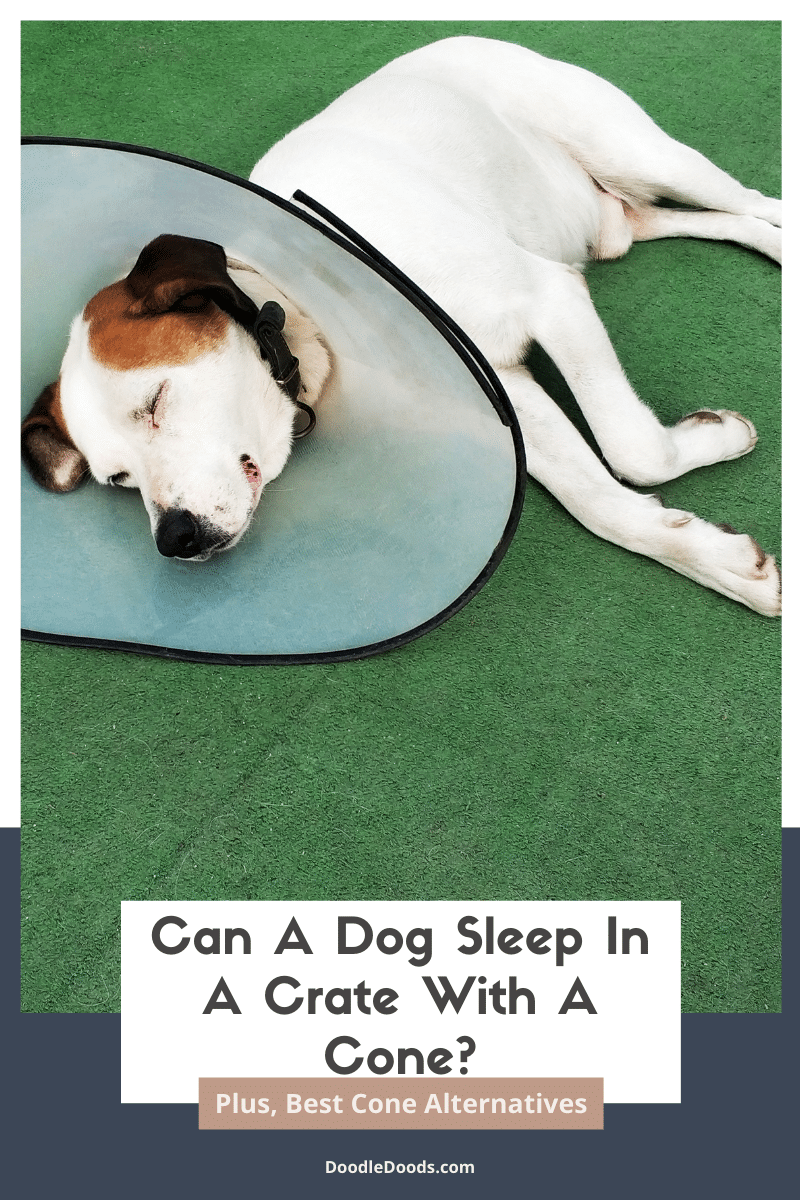
Image Source: doodledoods.com
The Cone’s Purpose and Your Dog’s Needs
Dogs wear cones for important reasons. A cone keeps your dog from reaching parts of their body. This is key for healing. It stops them from licking stitches after surgery. It also prevents them from chewing on skin irritations or wounds. Without a cone, your dog could make a small problem much worse.
When your dog first wears a cone, it can be a strange feeling for them. They might bump into things. They might have trouble eating or drinking. Some dogs show anxiety. They might pace or whine. Helping your dog feel better is vital. Focus on Elizabethan collar comfort. This means picking the right size and type of cone. It also means making changes at home. Your dog needs to feel safe and calm, even with this new big collar.
Choosing the Right Crate
Having the right crate is very important. Your dog needs enough space to lie down. They need to turn around. With a cone, they need even more room. The cone adds extra width around their head. A normal crate might be too small now.
Think about dog crate size e-collar. Measure your dog with the cone on. Add a few inches to all sides. This gives them space. They can then shift positions without the cone getting stuck. A bigger crate prevents frustration. It helps them feel less trapped.
How to Measure Your Dog with the Cone:
- Length: Measure from your dog’s nose to the base of their tail. Add the length of the cone from their neck to its edge. Then add another 4-6 inches for comfort.
- Height: Measure from the floor to the top of your dog’s head. Add the height of the cone. Then add another 4-6 inches. Your dog should be able to stand fully without the cone hitting the top.
- Width: Measure your dog’s widest part, usually their shoulders. Then measure the diameter of the cone at its widest point. Use the larger of these two numbers. Then add 4-6 inches.
Crate Size Guide (Regular vs. Cone-wearing)
| Dog Size (Approx. Weight) | Regular Crate Size (LxWxH) | Crate Size with Cone (LxWxH) | Notes |
|---|---|---|---|
| Small (up to 25 lbs) | 24″x18″x21″ | 30″x21″x24″ | Consider a slightly larger crate if cone is wide |
| Medium (26-50 lbs) | 30″x21″x24″ | 36″x24″x27″ | Ensure enough turning room |
| Large (51-75 lbs) | 36″x24″x27″ | 42″x28″x31″ | Especially vital for head-turn comfort |
| X-Large (76-90 lbs) | 42″x28″x31″ | 48″x30″x33″ | Maximize space for large breeds and cones |
| Giant (91+ lbs) | 48″x30″x33″ | 54″x36″x40″ (or custom) | Might need an XXL or custom option |
Crate Material:
- Wire crates: These are good. They offer great airflow. Your dog can see out easily. This can help with anxiety. They are also easy to clean.
- Plastic crates (kennels): These are cozy. They feel like a den. But they have less airflow. Make sure there are enough vents. Check for good air movement.
Creating a Cozy Sleep Space
Making the crate inviting is very important. This is true for any dog. It’s even more vital for a dog in a cone. Your goal is making dog comfortable in crate with cone.
Bedding Choices:
Choose soft, flat bedding. A thin mat or blanket works well. Avoid thick, fluffy beds for now. The cone can get caught in deep bedding. This can make it hard for your dog to lie down. It can also cause the cone to dig into their neck. Make sure the bedding is easy to clean. Accidents happen, especially with cones.
Location, Location, Location:
Place the crate in a quiet spot. It should be away from busy areas. But it should also be near you. Dogs are pack animals. They feel safer close to their family. If your dog is used to sleeping in your room, keep the crate there. This helps ease their mind. A familiar place helps with dog anxiety sleeping cone.
Darkness and Sound:
A dim, quiet room is best for sleep. You can cover part of the crate with a light blanket. This makes it feel like a den. It blocks out light. Be careful not to block all airflow. A white noise machine can help. It can block out household sounds. This makes a calm space for your dog.
Types of Cones and Their Impact on Sleep
Not all cones are the same. Different types offer different comfort levels. They can affect how your dog sleeps.
Hard Plastic Cone (Elizabethan Collar): This is the classic cone. It’s stiff and clear. It works very well at blocking licking. But it can be bulky. It can hit walls or furniture. In a crate, it can make lying down hard. It might poke into the crate sides. This can be annoying for your dog. Yet, for serious wounds, it’s often the best choice.
Soft Cone for Dog Sleeping: These cones are made of soft fabric. They are much more flexible. Your dog can bend them a little. This makes eating, drinking, and sleeping easier. They are lighter and less noisy. They are often a better choice fornighttime dog cone solutionsif the wound allows it. However, some very flexible soft cones might let determined dogs reach their wounds. Always check if a soft cone is safe for your dog’s specific needs.Inflatable Collar: This collar looks like a neck pillow. It blows up with air. It goes around your dog’s neck. It stops them from bending their neck enough to reach their body. This collar leaves their face free. They can eat and drink normally. They can also see well. This can reduce
dog anxiety sleeping cone. They are comfortable for sleeping. The downside is they might not stop all dogs from reaching all body parts. Some dogs can still reach their paws or hind legs.Dog Cone Alternatives Crating:- Body Suits/Surgical Recovery Suits: These are like pajamas for your dog. They cover the wound or incision. They are very comfortable. Your dog can move freely. They can eat and drink normally. For crating, they are great. They don’t take up extra space. But, some dogs can still chew through the fabric. They also might not work for all body parts. For example, a leg or paw wound might still need a cone. If the suit gets soiled, it needs to be changed quickly. This is important for
post-surgery dog crating conecare. - Neck Collars (e.g., cervical collars): These collars restrict neck movement. They can stop a dog from reaching certain areas. They are usually more comfortable than traditional cones. But they are not for every type of injury. They might not stop licking on paws or tails.
- Body Suits/Surgical Recovery Suits: These are like pajamas for your dog. They cover the wound or incision. They are very comfortable. Your dog can move freely. They can eat and drink normally. For crating, they are great. They don’t take up extra space. But, some dogs can still chew through the fabric. They also might not work for all body parts. For example, a leg or paw wound might still need a cone. If the suit gets soiled, it needs to be changed quickly. This is important for
Always talk to your vet about the best type of cone or alternative. It depends on your dog’s injury and how determined they are.
Crating a Post-Surgery Dog with a Cone
After surgery, your dog needs special care. The cone is vital. Keeping your dog in a crate helps their recovery. It limits their movement. This protects the incision. It also keeps them from jumping or running too soon. This is key for post-surgery dog crating cone.
- Monitoring: Keep a close eye on your dog. Check their breathing. Look at the incision often. Make sure it’s clean and dry. Watch for swelling or redness. Call your vet if you see any problems.
- Pain Management: Your vet will give you pain medicine. Give it on time. This helps your dog stay comfortable. Less pain means less stress. This can help them sleep better.
- Potty Breaks: Take your dog out often. They might not be able to get comfortable to pee or poop in the crate. This is true especially with a cone. Frequent trips outside prevent
preventing cone crate accidentsinside the crate. - Calmness: Keep your dog calm. After surgery, they need quiet time. Limit visitors. Avoid loud noises. A calm environment helps them heal faster.
Nighttime Strategies for a Cone-Wearing Dog
The night can be tough for a dog in a cone. They might feel lost or anxious. Use these nighttime dog cone solutions to help.
- Pre-Bedtime Routine: Stick to a routine. Take your dog for a final potty break. Offer water. Give them a soft chew toy. This helps them wind down.
- Last Potty Break: Take them out just before bed. Even if they don’t seem to need it. This lessens the chance of accidents overnight.
- Water Access: Provide water in the crate. A no-spill bowl is best. Or, use a small, heavy bowl that they cannot tip over. You might need to raise the bowl. The cone can make it hard to reach water on the floor. Some owners use a shallow dish or a dog water bottle that attaches to the crate. Remove water a few hours before bed to reduce nighttime potty needs, if your vet says it’s okay.
- Calming Aids: Talk to your vet about calming aids. These might include pheromone diffusers or sprays. These mimic natural calming scents. For very anxious dogs, your vet might suggest medication.
- Keep Them Calm: Avoid exciting play before bed. A calm dog is more likely to sleep. Speak in soft, reassuring tones.
Addressing Anxiety and Discomfort
Many dogs feel worried when they first wear a cone. They might show signs of dog anxiety sleeping cone. These include:
- Panting or heavy breathing
- Pacing in the crate
- Whining, barking, or crying
- Trying to chew or scratch the cone
- Refusing to lie down or sleep
- Shivering
Ways to Help Your Anxious Dog:
- Positive Reinforcement: Give treats and praise when your dog is calm in the crate with the cone. Make it a good place.
- Gradual Introduction: If possible, let your dog wear the cone for short times before they need it for good. Start with 5 minutes. Give treats. Slowly increase the time.
- Calm Presence: Stay calm yourself. Your dog can sense your stress. Speak in a soothing voice. Sit by the crate for a while.
- Chew Toys: Provide safe chew toys inside the crate. Chewing can relieve stress.
- Pheromone Diffusers: Plug in a pheromone diffuser near the crate. These release calming dog pheromones.
- Vet Consultation: If anxiety is severe, talk to your vet. They might suggest anti-anxiety medicine. This can help your dog relax and heal.
Preventing Accidents and Issues
A cone can make simple things tricky. Being prepared helps prevent problems. This means preventing cone crate accidents of all kinds.
- Spills: Water bowls can easily tip with a cone. Use a heavy, non-tip bowl. Or, use a bowl that attaches to the side of the crate. Make sure the water is easy to reach but hard to spill. If water spills, clean it up right away. Wet bedding can cause skin issues. It’s also very uncomfortable.
- Elimination: Make sure your dog gets enough potty breaks. They might not give clear signals when wearing a cone. Set a schedule. Take them out every few hours during the day. This reduces accidents in the crate. If an accident happens, clean the crate right away. Keep it fresh and dry.
- Cone Getting Stuck: Check the crate for anything the cone could snag on. Remove any loose items. Make sure the crate door closes smoothly. The cone should not get caught in the bars or door.
- Incision Rubbing: Watch for the cone rubbing on the incision or nearby skin. If it does, the cone might be too small or too long. You may need a different size or type. A soft cloth wrapped around the cone’s edge can add comfort.
Tips for Crate Training With E-Collar
If your dog is already crate trained, this process will be easier. They already see the crate as a safe place. Just reintroduce them to it slowly with the cone.
If your dog is new to crating and also has to wear a cone, it’s a double challenge. You need to combine crate training with e-collar.
- Positive Association: Never use the crate as punishment. Always make it a good place. Give treats and praise. Feed meals inside the crate.
- Short Times: Start with very short periods. Have them go in for a minute. Then let them out. Slowly increase the time.
- Treats and Toys: Put high-value treats or favorite toys in the crate. This makes them want to go in.
- Cover the Crate: A light blanket over the crate can make it feel like a cozy den. This offers a sense of security.
- Be Patient: It takes time. Your dog is dealing with a lot. Stay patient and calm. Never force them in.
Monitoring and When to Seek Help
Keep a close eye on your dog while they are in the crate with a cone. Look for any signs of trouble.
Signs Your Dog Needs Help:
- Extreme distress: Constant crying, panting, or shaking.
- Refusing to lie down: If they stand or pace all night.
- Excessive licking inside the cone: They might be reaching the wound, or the cone is rubbing.
- Signs of pain: Whining, limping, biting at the cone, not eating.
- Poor breathing: Labored breaths, loud panting without exercise.
- Skin irritation: Redness, sores, or chafing from the cone.
- Cone is damaged: If the cone breaks or cracks, it might not protect them.
When to Call the Vet:
Call your vet right away if you see any of these signs. They can check the wound. They can also adjust the cone. Or they might offer solutions for anxiety or discomfort. Your vet is your best guide during recovery.
Conclusion
Having a dog sleep in a crate with a cone can be a challenge. But with the right steps, it can be safe and comfortable. Remember to choose the right crate size. Make the sleep space cozy. Pick the best cone type for your dog’s needs. Give extra care to post-surgery dogs. Use nighttime strategies to help them rest. Address anxiety with patience and positive support. Prevent accidents by thinking ahead. And always monitor your dog for any signs of discomfort or trouble.
It’s a temporary time. Your patience and effort will help your dog heal faster. They will be back to their normal self soon.
Frequently Asked Questions (FAQ)
Q: Can my dog eat with a cone on in the crate?
A: It can be hard. The cone might hit the sides of the crate or the food bowl. You might need to take your dog out of the crate for meals. Or, use a wider, flatter bowl. Some elevated feeders can also help. Make sure the cone doesn’t get stuck in the feeder.
Q: How do I know if the crate is big enough with the cone?
A: Your dog should be able to stand up, turn around, and lie down easily. The cone should not scrape the sides or top of the crate when they move. Use the measuring guide above to be sure. If it looks too tight, get a bigger crate.
Q: Should I take the cone off at night?
A: No, in most cases, you should not take the cone off at night. The cone is there to prevent your dog from licking or chewing. This is often when dogs are most likely to bother a wound. They might try to lick or scratch out of boredom or discomfort. Always follow your vet’s instructions. Only remove the cone if your vet says it’s safe to do so.
Q: What if my dog won’t stop crying in the crate with the cone?
A: First, make sure the cone is not causing pain or discomfort. Check the fit. Make sure the crate is big enough. Then, consider if it’s anxiety or pain. Offer comfort, a favorite toy, or a treat. Stay near the crate. If the crying continues or gets worse, call your vet. They can check for pain or offer calming solutions.
Q: How long will my dog need to wear the cone?
A: The time frame depends on the type of injury or surgery. It can range from a few days to several weeks. Your vet will tell you the exact time. Always follow their advice to ensure proper healing. Do not remove the cone earlier than instructed.