
All About: Can A Dog Be Fixed When In Heat Safely?
Yes, a dog can be fixed or spayed when in heat, but it is often not the best time. Most vets can and will perform spaying dog during estrus if needed. However, spaying a dog during this time carries higher risks of spaying a dog in season than spaying a dog not in heat. This is due to changes in the dog’s body, like increased blood flow and swollen tissues.
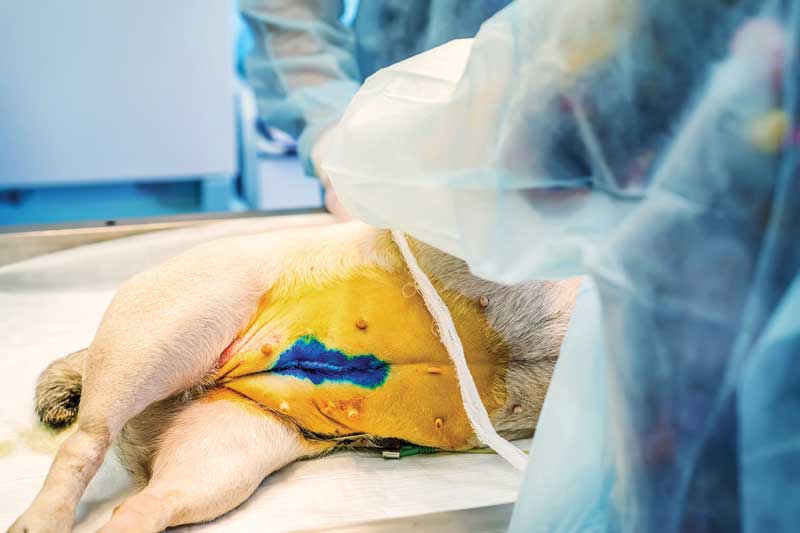
Image Source: www.veterinarypracticenews.com
The Female Dog’s Cycle: A Closer Look
To grasp why spaying in heat is different, let’s look at a female dog’s heat cycle. This cycle is also called the estrous cycle. It is how a female dog gets ready to have puppies.
The Estrous Cycle Explained
A female dog’s heat cycle has four main parts. Knowing these parts helps us see why spaying is often put off. This cycle also plays a key role in female dog sterilization cycle planning.
- Proestrus: This is the start of heat. It lasts about 9 days. Dogs may bleed a little. Their vulva will swell. Males will be drawn to them, but the female will not let them mate.
- Estrus: This is the mating stage. It lasts about 9 days too. Bleeding may slow or stop. The vulva is still swollen. This is when the female will let a male mate. This is the time she can get pregnant. This is what we mean by “in heat.”
- Diestrus: This stage comes after estrus. It lasts for about 60 days. If the dog is pregnant, she will carry her puppies. If not, her body acts as if she is. Hormones stay high.
- Anestrus: This is the rest period. It lasts for about 4 to 5 months. Her body rests from the cycle. No hormones are active. This is often the safest time for spaying.
When we talk about a dog “in heat” or “in season,” we are mostly talking about the proestrus and estrus stages. During these times, her body is changing a lot.
Hormonal Shifts in Heat
A dog’s body changes much during her heat cycle. This is all thanks to hormones. These tiny chemicals control everything. When a dog is in heat, two main hormones are at play:
- Estrogen: This hormone goes up first. It causes the vulva to swell and bleeding to start. It also makes the uterus bigger. Estrogen makes blood flow to the uterus much stronger.
- Progesterone: This hormone goes up during estrus. It helps keep a pregnancy if one starts.
These hormones effect on spay in heat in big ways. High estrogen means the uterus and nearby blood vessels get much bigger. They are full of blood. This makes surgery harder. The tissues are soft and bleed easily. This is why vets prefer to wait.
Spaying a Dog During Heat: The Possibility
While not ideal, spaying a dog in heat is possible. Vets do it often when there is no other choice.
Can a Vet Spay a Dog While Bleeding?
Yes, a vet can spay a dog while she is bleeding due to being in heat. The bleeding you see is from the vulva. It does not mean the surgery site will bleed too much. However, the internal tissues will have more blood flow. This makes the surgery more complex.
Vets must be very skilled for this. They need to work faster and more carefully. They also need more tools to control bleeding. Some vets may not feel comfortable doing it unless it is an emergency. This is because the risks of spaying a dog in season go up.
When Vets Might Advise Against It
Most vets will tell you to wait if your dog is in heat. They do this because of the added dangers. The top reasons are:
- More bleeding: The uterus and blood vessels are much bigger and full of blood. This means more blood loss during surgery. It is harder to stop the bleeding.
- Swollen tissues: The parts inside the dog are swollen due to hormones. It makes it harder for the vet to see. It also makes it harder to tie off blood vessels.
- Longer surgery time: Because of the swelling and bleeding, the surgery takes longer. More time under anesthesia means more risk for the dog.
- Higher chance of problems: All these factors raise the risk of things going wrong. We will talk more about these problems next.
Risks and Challenges of Spaying in Heat
Spaying a dog when she is in heat brings extra risks. These risks are why vets tell you to wait. It is good to know what these risks are.
Increased Blood Flow and Swelling
This is the main problem when you are spaying dog during estrus. Hormones, especially estrogen, make the blood vessels in the uterus and ovaries grow. They get bigger and have much more blood flowing through them. Think of it like a garden hose that is normally small and then gets much thicker and full of water.
During the surgery, the vet cuts these blood vessels. If they are very big and full of blood, they will bleed a lot more. This makes it hard for the vet to see what they are doing. It also means the dog loses more blood. More blood loss means a higher risk of shock. It also makes the surgery take longer.
Also, the tissues around the uterus and ovaries swell. This makes it harder for the vet to grab and tie off the blood vessels. The tissues are soft and tear easily. This can lead to more bleeding or other issues. These are common dog spay surgery complications estrus.
Anesthesia Concerns
While anesthesia itself is not more risky when a dog is in heat, the longer surgery time under anesthesia is a risk. The dog is under for a longer time. This means the vet needs to watch her very closely. They must make sure her heart rate, breathing, and blood pressure stay normal. Any dog can have problems with anesthesia. A longer surgery just adds to that chance.
Post-Operative Care
After surgery, a dog spayed in heat might need more care.
- Healing might be slower: Because of the swelling and extra work the vet did, healing can take longer.
- Higher risk of swelling and pain: The surgery site might be more swollen. The dog might feel more pain.
- Higher risk of infection: Any surgery has a risk of infection. With more swelling and trauma to the tissues, this risk can go up.
- Risk of hematoma: This is a pocket of blood that forms under the skin. It can happen if tiny blood vessels keep bleeding after surgery. It is more likely with extra blood flow.
When Spaying in Heat Becomes Necessary
Even with the risks, there are times when spaying a dog in heat is the only way. Vets will weigh the risks against the need.
Emergency Situations
Sometimes, waiting is not an option. An emergency spay dog in heat may be needed for these reasons:
- Pyometra: This is a very serious infection of the uterus. It often happens after a heat cycle. The uterus fills with pus. It is life-threatening. The only cure is to remove the uterus right away. If the dog is in heat or just finished heat, the uterus will still be big and full of blood. But the infection must be removed at once.
- Accidental Pregnancy: If a female dog mates by mistake and you do not want puppies, an emergency spay can be done. This is often called an “abortion spay.” It is done while the dog is still in heat or soon after. This prevents the puppies from developing. This is a very difficult choice for pet owners. It involves taking the life of future puppies.
- Severe Trauma: If a dog has a bad injury to her reproductive organs, spaying may be needed to save her life. This could happen in an accident.
- Stray Dogs: Sometimes, a stray dog is found in heat. To prevent more unwanted puppies, vets might spay her right away. They might not have the luxury to wait for her cycle to end.
In these cases, the danger of not spaying is much higher than the dangers of spaying in heat. Vets will do what they can to save the dog’s life or prevent further problems.
Breeder’s Choice
Some breeders might choose to spay a female dog right after she is done breeding. This might happen even if she is still showing signs of being in heat. This is less common. Most vets will still tell them to wait if they can. It is usually done for convenience, not for health reasons.
Preparing for a Spay While in Heat
If your vet decides that spaying your dog in heat is the best choice, there are steps to take. Proper planning helps lower the risks.
Vet Consultation is Key
The first and most vital step is to talk to your vet. You need to know all the facts. Ask them:
- Why is spaying now better than waiting?
- What are the exact risks for my dog?
- What will they do to lower these risks?
- What can I expect after the surgery?
Your vet will give you the best advice for your specific dog. They know her health history.
Pre-Surgical Tests
Before any surgery, vets do tests. These tests are even more important for a dog being spayed in heat.
- Blood Work: This checks her overall health. It shows if her organs are working well.
- Clotting Tests: These tests check if her blood clots normally. This is very important if there will be more bleeding during surgery. They want to make sure she can stop bleeding on her own.
- Physical Exam: A full body check ensures she is fit for surgery.
These tests help the vet make sure she is as safe as possible for the surgery.
What to Expect on Surgery Day
If your dog is spayed in heat, be ready for a few things:
- Longer Surgery: The surgery itself will likely take more time. This is because the vet needs to be extra careful with the swollen and bloody tissues.
- More Anesthesia: Due to the longer surgery, she will be under anesthesia for a longer time.
- Possible Higher Cost: We will talk about this more, but the cost can go up.
- More Recovery Time: Your dog might take longer to heal. She may need more pain medicine. You will need to watch her very closely for signs of problems.
The Cost Factor: Spaying a Dog in Heat
You might wonder about the cost of spaying dog in heat. It is often higher than a routine spay. There are clear reasons for this.
Why the Cost Goes Up
- Longer Surgery Time: As noted, surgery takes longer. Vets charge for their time and the use of their clinic and staff. More time means more cost.
- More Supplies: The vet might need more sutures (stitches), more sponges to soak up blood, and more special tools to control bleeding. These add to the bill.
- More Anesthesia: Longer surgery means more anesthesia drugs are used. These drugs cost money.
- Increased Monitoring: The dog needs very close watching during and after surgery. This means more staff time and effort.
- Higher Risk: While not a direct charge, the higher risk means the vet must be ready for any problem. This includes having extra staff or tools on hand.
Think of it like this: a normal car repair is less costly than a complex one. Spaying a dog in heat is a more complex repair.
Here is a general idea of how costs might compare:
| Type of Spay | Estimated Cost Range (USD) | Notes |
|---|---|---|
| Routine Spay | $200 – $500 | Done before first heat or when not in heat. |
| Spay in Heat | $400 – $800+ | Higher due to risks and added complexity. |
| Emergency Spay | $600 – $1500+ | Highest due to urgency, special care, and tools. |
These are just example ranges. Actual costs vary a lot based on your location, vet clinic, dog’s size, and specific needs.
The Ideal Time for Spaying
Most vets agree on the best age to spay a female dog. They also agree on when to do it based on her heat cycle.
The “Gold Standard”
The best time to spay a female dog is usually before her first heat cycle. This often happens around 5 to 6 months of age.
Why is this the gold standard?
- Lowest Cancer Risk: Spaying before the first heat cycle greatly lowers the risk of mammary (breast) cancer. Each heat cycle a dog has makes her risk of this cancer go up.
- Easiest Surgery: At this age, the uterus and ovaries are small. There is less blood flow. The surgery is faster, safer, and less complex.
- Prevents Unwanted Pregnancies: No heat means no chance of getting pregnant.
- Prevents Pyometra: Spaying removes the uterus. This means she can never get pyometra.
Some vets now suggest waiting a bit longer for large-breed dogs. This is to allow their bones and joints to grow fully. This could mean waiting until 12-18 months. Even then, the goal is often to spay before or between heat cycles. You should always discuss this with your vet.
Waiting to Spay Dog After Heat
If your dog is currently in heat, your vet will most likely tell you to wait. The common advice is to wait about 2 to 3 months after her heat cycle has fully ended.
Why wait this long?
- Hormones Settle: This time allows her hormones to return to normal levels.
- Blood Flow Decreases: The blood vessels in the uterus and ovaries go back to their normal size. Blood flow greatly drops. This makes the surgery much safer.
- Tissues Shrink: The swollen tissues in her reproductive system go back to their normal size. This makes it easier for the vet to see and work.
- Reduced Complications: Waiting lowers the dog spay surgery complications estrus risk. This includes less blood loss, faster surgery, and quicker healing.
So, if your dog is in heat, mark your calendar. Plan her spay for about 2-3 months after you see the last signs of heat.
Making the Right Choice for Your Dog
Deciding when to spay your dog is a big choice. If she is in heat, the choice becomes more complex.
Here is a summary to help you:
- Spaying in heat is possible: Vets can do it. It is not always ideal.
- Risks are higher: More bleeding, longer surgery, more problems.
- Costs are higher: More time and supplies are needed.
- Best time is before or between heats: This lowers risks and costs.
- Wait 2-3 months after heat: This allows her body to return to normal.
Always talk to your vet. They are your best guide. They will look at your dog’s health and tell you the safest path. Your vet will help you weigh the benefits against the risks. This way, you can make the best choice for your dog’s health and well-being.
Frequently Asked Questions (FAQ)
Here are some common questions about spaying a dog in heat.
Is spaying dog during estrus really safe?
While it is possible, spaying a dog during estrus is less safe than spaying when she is not in heat. There are higher risks of bleeding, longer surgery times, and more potential for complications. Most vets prefer to wait if there is no emergency.
How long does a dog stay in heat?
A dog’s heat cycle, or estrus, typically lasts about 2 to 3 weeks. The entire cycle, from start to finish, including the time she is receptive to mating, is about 18-21 days. The actual bleeding and swelling can last longer.
Can spaying in heat cause long-term problems?
If a spay in heat is done well, long-term problems are not common. However, the immediate risks of surgery are higher. These include more blood loss, longer recovery, and a greater chance of infection right after surgery. If the surgery is successful, the dog should be fine long-term.
What are signs of a problem after spaying in heat?
Watch for these signs:
* Excessive bleeding from the incision.
* Large swelling or bruising around the incision.
* Open incision or stitches coming apart.
* Pain that is not controlled by medicine.
* Vomiting or diarrhea.
* Not eating or drinking.
* Lethargy (being very tired and not moving much).
* Fever (hot to the touch, panting).
Call your vet right away if you see any of these signs.
Why is the cost higher for cost of spaying dog in heat?
The cost is higher because the surgery is more complex. It takes longer for the vet to perform due to increased blood flow and swollen tissues. This means more time under anesthesia, more surgical supplies used, and more intensive monitoring during and after the procedure. All these factors add to the overall expense.