
Dogs usually get a rabies vaccine every one to three years. This depends on the type of vaccine and local laws. Puppies get their first shot when they are around 12 to 16 weeks old. Then, they get a booster shot one year later. After that, adult dogs get boosters every one or three years. This choice depends on the vaccine used and the rules where you live. The goal is to keep your dog safe and follow the law. Rabies is a very serious disease. It can affect all mammals, including humans. A rabies vaccine is a key part of your dog’s health care. It protects your dog, your family, and your community.
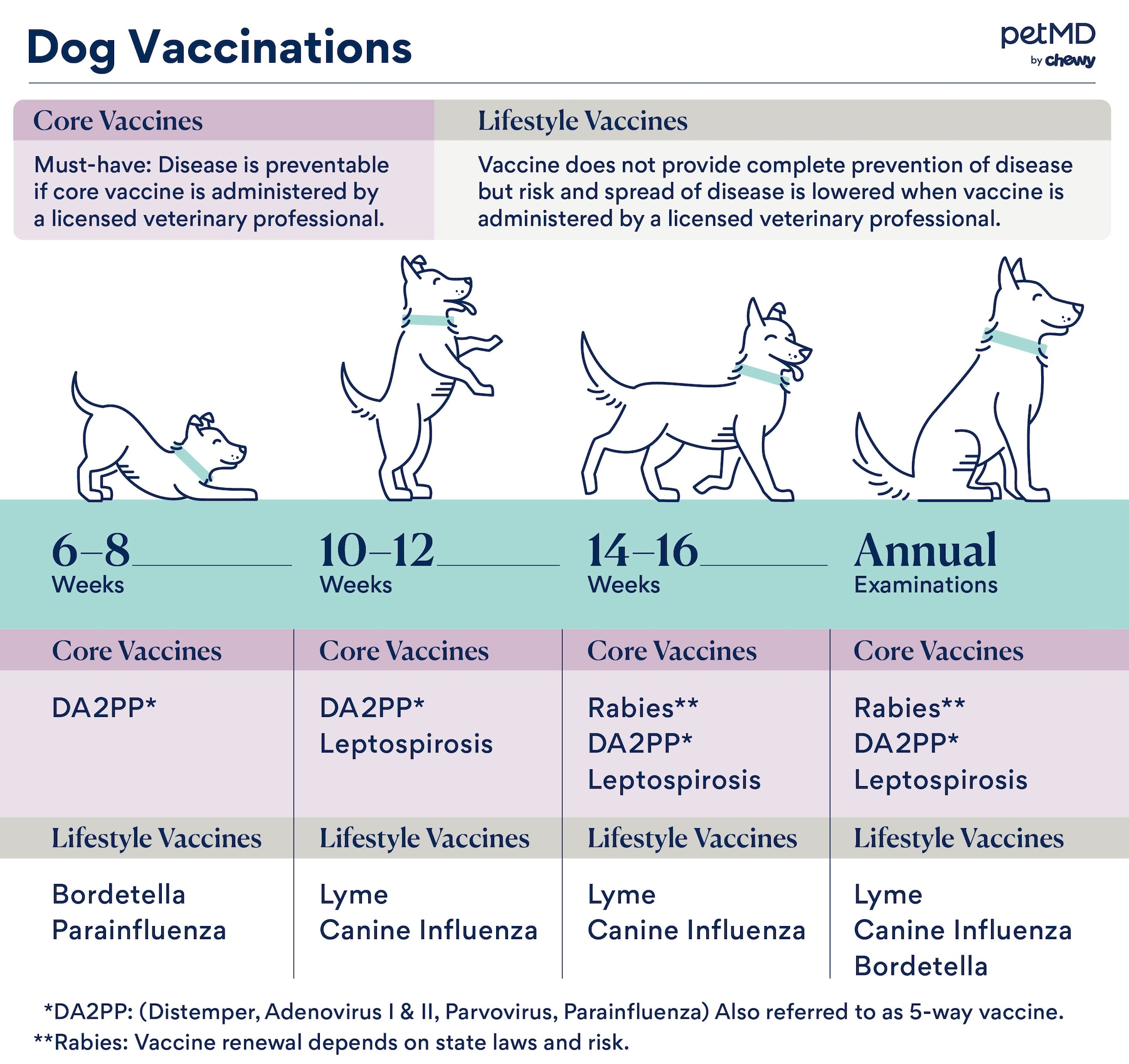
Image Source: image.petmd.com
The Grave Peril of Rabies and How Vaccines Guard
Rabies is a terrible disease. It attacks the brain and spinal cord. A virus causes it. Animals usually get rabies from the bite of an infected animal. This virus moves through the nerves to the brain. Once signs of rabies show, the disease is almost always deadly. This is true for both animals and people.
The virus is found in the saliva of sick animals. Common carriers include bats, raccoons, skunks, and foxes. Pets can get it if they are bitten by a wild animal. This is why shots are so important. Rabies shots work by training your dog’s body. They teach it to fight off the rabies virus. The vaccine has a tiny, safe part of the virus. This part cannot cause the disease. But it makes your dog’s immune system ready. If your dog later meets the real rabies virus, its body can fight it off. This keeps your dog safe. It also stops the spread of rabies to others.
Rabies Vaccine Schedule for Dogs: A Lifelong Shield
Keeping up with your dog’s rabies shots is a must. It protects them. It also helps public health. The rabies vaccine schedule for dogs follows a clear path. It starts when they are young. It continues throughout their lives.
Puppy Rabies Vaccine Age: Setting the First Stone
Puppies need their first rabies shot when they are young. The puppy rabies vaccine age is key. Most vets give the first shot between 12 and 16 weeks old. This timing is important. Before this, a puppy’s mother’s milk can offer some protection. But this protection fades over time. By 12 to 16 weeks, puppies are ready for their own strong defense.
After the first shot, puppies need a booster. This second shot makes their immunity stronger. It usually happens one year after the first shot. This rule is often set by state laws. It helps make sure the puppy gets full protection.
Adult Dog Rabies Vaccination Protocol: Keeping Them Safe
Once a dog has had its first two shots (the puppy shot and the one-year booster), the adult dog rabies vaccination protocol begins. This usually means booster shots every one or three years. This depends on the vaccine type used. It also depends on the laws in your state.
For example, a vaccine might be approved for three years. But if your state says dogs must get shots every year, you still need to follow that rule. Your vet will know the best way to keep your dog safe and legal. They will advise you on the right vaccine and schedule.
Is Dog Rabies Vaccine Annual or 3-Year? The Key Question
This is a common question. Is dog rabies vaccine annual or 3-year? The answer is: it can be both.
- 1-Year Vaccines: Some rabies vaccines are approved for one year of protection. If your dog gets one of these, they will need a shot every year.
- 3-Year Vaccines: Other rabies vaccines are approved for three years of protection. If your dog gets one of these, they will need a shot every three years.
The choice between a 1-year or 3-year vaccine often depends on your vet’s choice. It also depends on what types of vaccines are available. Most importantly, it depends on state and local laws. Many states now allow the 3-year vaccine. This is a big help for pet owners. It means fewer vet visits for this shot. But some areas still require annual shots. Always check with your vet or local animal control office. They can tell you the exact rule for your area.
How Long Does Dog Rabies Vaccine Last? The Power of Protection
The question of how long does dog rabies vaccine last links directly to the 1-year versus 3-year discussion. Once a dog gets its first shot and the one-year booster, the immunity is quite strong. A 1-year vaccine is proven to protect for one year. A 3-year vaccine is proven to protect for three years.
The science behind this is solid. Studies show these vaccines work well for their approved times. But it is vital to get the booster shots on time. If you miss a shot, your dog’s protection might weaken. This could put them at risk. It could also cause legal trouble if your dog bites someone.
Dog Rabies Booster Frequency: Sticking to the Schedule
The dog rabies booster frequency is simple. After the puppy shot and the one-year booster, it is either every year or every three years. This depends on the vaccine type and local rules.
- For 1-year vaccines: Every year.
- For 3-year vaccines: Every three years.
Your vet will keep records of your dog’s shots. They will send reminders when the next booster is due. It is a good idea to keep your own records too. This helps make sure your dog never misses a shot.
Keeping dogs up-to-date on their rabies shots is not just a good idea. It is a must. It keeps them safe from a terrible disease. It also meets legal needs.
Rabies Vaccine Requirements for Dogs by State: Navigating Local Rules
The rabies vaccine requirements for dogs by state can be different. Almost all states in the U.S. require dogs to get rabies shots. This is because rabies is so dangerous. It is a public health concern. But the exact rules can change from one state to another. They can even change from one county or city to another within the same state.
What might differ?
* Age for first vaccine: While most states agree on 12-16 weeks, some may have slight differences.
* Booster frequency: As discussed, some states allow 3-year vaccines, while others still require yearly shots for all dogs.
* Proof of vaccination: All states require proof. This usually comes in the form of a certificate from your vet.
* License requirements: Many places link dog licensing to current rabies vaccination. You often need a valid rabies certificate to get a dog license.
It is very important to check the rules where you live. This information is usually found on your state’s Department of Health website. Or on your local animal control or county clerk’s website. Your vet can also help you find this information. They deal with these rules every day.
Table: General Rabies Vaccine Laws by State Categories (Examples)
| Category | Description | Example States (May vary by county/city) |
|---|---|---|
| Primarily 1-Year Req. | Dogs need a rabies shot every year. | New Hampshire, Delaware |
| Mostly 3-Year Req. | Dogs can get a 3-year shot after their first booster. | California, Texas, New York |
| Mixed/Jurisdiction-Spec. | State laws allow 3-year, but local areas may mandate 1-year. | Florida, Pennsylvania |
Note: This table is a general guide. Rules can change often. Always check your specific local laws.
If you move to a new state, you must learn the new rules right away. Make sure your dog’s shots meet the new state’s laws. This is vital for your dog’s safety and to avoid legal issues.
Veterinarian Recommended Rabies Shot for Dogs: Expert Advice
When it comes to the veterinarian recommended rabies shot for dogs, vets follow science and law. They choose the best vaccine for your dog. They also consider your dog’s health.
Most vets use vaccines from trusted makers. These vaccines are safe and work well. They are approved by the U.S. Department of Agriculture (USDA).
Vets will talk about a few things:
* Your dog’s age: Puppies need a specific start.
* Your dog’s health: If your dog has certain health problems, it might affect the vaccine choice.
* Your lifestyle: Do you travel with your dog? This might affect needed shots.
* Local laws: These are a must to follow.
Your vet will usually use a 1-year or 3-year vaccine. They will pick the one that fits your dog and the local rules. They will also make sure the vaccine is given the right way. This means a proper injection. And they will keep good records. Always ask your vet if you have questions about the vaccine. They are the best source of info for your dog’s specific needs.
Rabies Vaccine Side Effects in Dogs: What to Watch For
Most dogs do very well after a rabies shot. But like any medicine, the rabies vaccine side effects in dogs can happen. Most side effects are mild. They are usually short-lived.
Common, Mild Side Effects:
* Pain or swelling at the shot site: Your dog might be a little sore. You might see a small lump. This usually goes away in a few days.
* Low energy or tiredness: Your dog might seem sleepy or less active. This is often brief.
* Mild fever: A slightly warm nose or ears can mean a mild fever. It often goes down on its own.
* Loss of appetite: Your dog might not want to eat as much for a day.
* Sneezing or mild coughing: If the vaccine was given through the nose (rare for rabies, but common for other shots), these signs could happen.
These mild signs usually show up within a few hours. They go away within a day or two. If they last longer, call your vet.
Less Common, More Serious Side Effects:
These are rare. But it is good to know about them.
* Allergic reaction (anaphylaxis): This is very rare and serious. Signs include:
* Swelling of the face, especially around the eyes or muzzle.
* Hives (itchy bumps on the skin).
* Vomiting or diarrhea.
* Trouble breathing (wheezing, gasping).
* Collapse.
* These signs usually show up within minutes or an hour of the shot. If you see any of these, get your dog to a vet right away. This is an emergency.
* Injection site lump (granuloma): Sometimes, a hard lump might form where the shot was given. It can stay for weeks or months. Most of the time, it is harmless. But if it grows or bothers your dog, tell your vet.
* Immune-mediated diseases: In very rare cases, vaccines might trigger problems with the immune system. This is very uncommon.
To be safe, watch your dog closely for a few hours after a shot. This is especially true for the first vaccine they get. If you are worried, call your vet. They can tell you if what you see is normal or if your dog needs to be checked.
Exemptions for Dog Rabies Vaccine: When a Shot Is Not Possible
In some special cases, a dog might not be able to get a rabies shot. These exemptions for dog rabies vaccine are rare. They are usually for medical reasons. They require careful review by a vet.
Common reasons for an exemption might include:
* Serious medical conditions: A dog with a very weak immune system might not be able to handle a vaccine. Or a dog with a severe, ongoing illness.
* Previous bad reaction: If a dog had a life-threatening allergic reaction to a past rabies shot, a vet might advise against future shots. This is very uncommon.
* Advanced age or frailty: In some very old or very weak dogs, a vet might decide the risk of vaccination is higher than the benefit. This is decided case by case.
How do exemptions work?
1. Vet review: Your vet must fully check your dog. They must believe that the vaccine would cause harm.
2. Veterinary letter: If your vet agrees to an exemption, they will write a letter. This letter will explain why your dog cannot get the shot. It will state that the shot would put your dog’s life at risk.
3. Local and state approval: This letter must often be sent to your local animal control or state health office. They must approve the exemption. Not all places allow medical exemptions. Some states are very strict about rabies shots. They may not offer any exemptions.
If your dog gets an exemption, it is still important to keep them safe. This means keeping them away from wild animals. It also means managing interactions with other pets. You must be very careful to prevent any possible exposure to rabies. This also means understanding that some public places might not allow an unvaccinated dog, even with an exemption.
Deciphering the Importance of Rabies Vaccination
Giving your dog the rabies shot is not just about following rules. It is a vital step in responsible pet ownership. It protects your furry friend from a terrible disease. It also protects your family and community. Rabies is a real threat. Vaccination is the best tool we have to fight it.
Always talk to your vet about your dog’s health needs. They can guide you through the rabies vaccine schedule for dogs. They can help you decipher any local rabies vaccine requirements for dogs by state. They can tell you about puppy rabies vaccine age or adult dog rabies vaccination protocol. They can also discuss rabies vaccine side effects in dogs or exemptions for dog rabies vaccine. Trust your vet for the best care for your dog.
Frequently Asked Questions (FAQ)
Q1: What happens if my dog gets exposed to a wild animal that might have rabies?
A1: Call your vet right away. They will tell you what to do. Your dog’s rabies shot status is very important here. If your dog is up-to-date on shots, they might need a booster shot. If they are not vaccinated, the rules are much stricter. Your dog might need to be quarantined. This means staying separated from other animals and people for a long time. In some cases, if not vaccinated, a dog might even need to be put down. This is why keeping shots current is so important.
Q2: Can an indoor dog skip the rabies vaccine?
A2: No. Most states require all dogs to get the rabies vaccine, even if they live indoors. This is because accidents happen. A dog can slip out. A wild animal (like a bat) can get into your house. Rabies is too serious a risk to take. The law does not usually make a difference between indoor and outdoor dogs for this shot.
Q3: My dog had a bad reaction to the last rabies shot. What should I do for the next one?
A3: Talk to your vet. If it was a mild reaction (like soreness), they might suggest pre-treating your dog with medicine. This could be an anti-inflammatory drug. If it was a serious allergic reaction, your vet might talk about an exemption for dog rabies vaccine. This is only for very rare cases. Your vet might also use a different brand of vaccine. Or they might give other shots at a different time.
Q4: Do I need to get a new rabies tag every year if my dog gets a 3-year vaccine?
A4: This depends on your local rules. Some areas give a tag that shows the vaccine’s expiry date. Others give a tag that expires each year. You will need to renew your dog’s license yearly, no matter the vaccine type. You will need to show proof of a current rabies shot each time. Always check with your local animal control or city clerk for specific tag and license rules.
Q5: How do I know if my dog got a 1-year or 3-year rabies vaccine?
A5: Your vet’s office keeps records. They will give you a rabies certificate. This certificate states the type of vaccine. It also shows the date it was given and when the next shot is due. This is your official proof of vaccination. Keep it safe.