
Vet’s Insight: Can A Dog Get Feline Leukemia Answered.
No, a dog cannot truly get feline leukemia. The feline leukemia virus (FeLV) is a specific virus. It mostly affects cats. It does not make dogs sick in the same way it makes cats sick. This is due to something called a species barrier. Viruses often need specific cells to grow. Dogs’ cells are not right for FeLV to cause a disease.
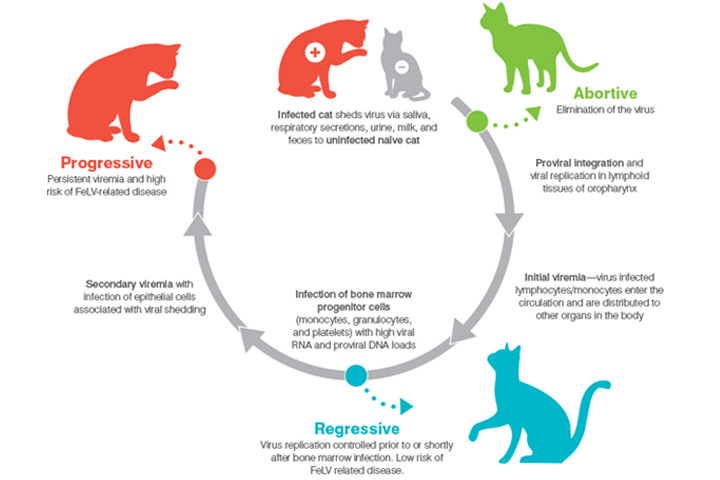
Image Source: blissanimalhospital.com
A Deep Dive into Feline Leukemia Virus (FeLV)
FeLV is a serious illness for cats. It is a type of retrovirus. This means it puts its own genes into the cat’s cells. FeLV hurts a cat’s immune system. This makes it hard for cats to fight off other sicknesses. It can also cause different types of cancer. It can harm a cat’s bone marrow. This is where blood cells are made.
Cats get FeLV from other infected cats. They get it through saliva, urine, and feces. Biting and shared bowls can spread it. Mother cats can pass it to their kittens. Not all cats show signs of FeLV right away. Some cats can live with the virus for a long time. Others get very sick. They might get infections often. They might lose weight. Some develop tumors.
FeLV has different forms. Each form can cause different problems. Some forms make cats anemic. Anemia means low red blood cells. Other forms cause different kinds of cancer. These cancers can be in the lymph nodes or blood. It is a big health worry for cat owners. There are vaccines for FeLV. These vaccines help protect cats. They are very important for cats that go outside. They are also vital for cats living with other cats.
The Concept of a Species Barrier
A species barrier is like an invisible wall. It stops germs from jumping from one type of animal to another. Viruses are usually very picky. They like certain kinds of hosts. This means a virus that makes cats sick might not make dogs sick. Their cells are too different.
The FeLV virus is made to infect cat cells. It needs certain parts on cat cells to get inside. Dogs do not have these exact parts. So, FeLV cannot easily get into a dog’s cells. Even if it gets in, it cannot grow well. This is why species barrier FeLV is very strong. It protects dogs from the virus. This barrier is a natural defense. It keeps many animal diseases separate. If there were no species barriers, diseases would jump hosts easily. Many more animals would get sick.
Viruses sometimes change. They can adapt to new hosts. But this is rare. It takes a long time for a virus to learn to infect a new species. FeLV has not done this for dogs. It stays a cat virus.
Canine Susceptibility to Feline Leukemia: The Scientific View
Dogs are not easy targets for FeLV. Their bodies are built differently. They do not get sick from FeLV. This means canine susceptibility to feline leukemia is very low. In fact, it is almost non-existent. Scientists have studied this. They wanted to know if dogs could get FeLV. They found that dogs do not get the disease.
Studies have shown that dogs might be exposed to the virus. A dog living with an FeLV-positive cat might come into contact with the virus. But contact does not mean sickness. The virus does not grow well in a dog’s body. It does not cause the typical FeLV disease. This is key to remember. FeLV transmission to dogs is not known to cause illness. The virus cannot take hold and spread in dogs.
This shows that dog immunity to FeLV is very high. Dogs are naturally resistant. Their immune systems handle the virus. They do not get the severe problems seen in cats. So, even if a dog meets the virus, it does not get feline leukemia.
Experimental Evidence and Real-World Scenarios
Scientists have done tests. They put FeLV into dogs. They wanted to see if dogs would get sick. The dogs did not get the disease. The virus did not grow much. It did not spread in their bodies. This proves that dogs are not hosts for FeLV.
Sometimes, a test might show a dog has a little bit of the virus. This is usually just from being around a sick cat. It does not mean the dog is infected. It does not mean the dog will get sick. It means the dog’s body found the virus. But the virus cannot make the dog ill. So, finding feline leukemia virus in dogs does not mean disease. It is just a sign of exposure. The virus cannot cause harm.
Think of it like a cold virus. A human cold virus does not make a dog sick. Even if a dog sniffs a tissue with human cold germs. It is the same idea with FeLV and dogs. The virus just cannot do its job in a dog’s body. It cannot cause an illness.
Distinguishing FeLV from Canine Leukemia (Various Types)
Dogs can get leukemia. But it is not the same as feline leukemia. Canine leukemia virus is not a thing like FeLV. Dogs get different kinds of leukemia. These are often cancers of the blood. They are not caused by a single, contagious virus. It’s not like the FeLV virus that spreads among cats.
Canine leukemia is a cancer. It affects the bone marrow. This is where blood cells are made. It can lead to too many white blood cells. Or it can lead to problems with other blood cells. The causes of canine leukemia are often complex. They can involve genetics. They can involve other factors. It is not something a dog catches from another dog. Or from a cat.
This is a big difference. FeLV is an infectious disease. It comes from a specific virus. It spreads between cats. Canine leukemia is generally not contagious. It is not caused by a virus that jumps from dog to dog. So, if a dog gets leukemia, it is not because of a cat with FeLV. They are totally different diseases.
Cross-Species Viral Transmission in Pets: A Broader Look
Viruses usually stick to one type of animal. This is common. Most viruses have a narrow host range. This means they like only one or a few animal types. But some viruses can jump. This is called cross-species viral transmission pets.
Rabies is a good example. Rabies can infect many mammals. It can go from raccoons to dogs. It can go from bats to cats. This makes rabies very dangerous. But most viruses do not act like rabies. They cannot infect many types of animals.
FIV transmission dogs is another example. FIV is Feline Immunodeficiency Virus. It is like HIV in humans. FIV affects cats. It hurts their immune system. Can dogs get FIV? No, they cannot. Like FeLV, FIV is specific to cats. It cannot infect dogs. So, if your cat has FIV, your dog is safe. Your dog cannot catch FIV.
It is rare for viruses to jump species and cause disease. It needs a virus to change a lot. It also needs the new host’s body to accept it. This does not happen often. Most viruses stay within their own species. This is good for pet owners. It means less worry about pets sharing diseases.
Dog Exposure to FeLV Positive Cat: What Happens?
Many homes have both cats and dogs. Some of these cats might have FeLV. This is a common worry for owners. What happens if there is dog exposure to FeLV positive cat? The good news is, nothing harmful to the dog.
A dog can be around an FeLV-positive cat. They can share food bowls. They can play together. They can even groom each other. The dog might come into contact with the virus. But the virus cannot make the dog sick. It cannot infect the dog’s cells. It cannot cause feline leukemia in the dog.
So, if you have an FeLV-positive cat, your dog is safe. You do not need to keep them apart for the dog’s sake. The cat needs care for its own health. But the dog faces no risk. Keep an eye on the cat’s health. Make sure the cat gets its vet care. This is the best way to manage a multi-pet home.
Recognising FeLV Symptoms in Dogs (Or Lack Thereof)
Dogs do not show FeLV symptoms in dogs. This is because they do not get the disease. If a dog seems sick, it is not from FeLV. The dog has something else. It could be another virus. It could be bacteria. It could be something totally different.
What does FeLV look like in cats? Cats with FeLV can have many signs. They might lose weight. Their gums might look pale (anemia). They might get fevers. They might have swollen lymph nodes. They might have trouble breathing. They might get infections often. They might have mouth sores. They might get diarrhea. These are all signs of a sick cat with FeLV.
But a dog will never show these signs because of FeLV. If your dog shows any of these signs, take it to the vet. The vet will find the real cause. It will not be feline leukemia. It is important to know this. It stops owners from worrying about the wrong thing. It helps them get the right care for their dog.
Protecting Your Pet Family: A Holistic Approach
Keeping all your pets healthy is important. Here are some good steps to take:
- Vaccinate Cats: Get your cats vaccinated for FeLV. This is especially true for cats that go outside. It is also wise for cats in homes with other cats. A vaccine protects the cat from getting FeLV.
- Regular Vet Visits: Take both your cats and dogs to the vet often. This helps catch problems early. Vets can give advice. They can help prevent many health issues.
- Good Hygiene: Keep your home clean. Clean litter boxes often. Wash food and water bowls. This helps keep germs down for all pets.
- Healthy Diet: Feed all your pets good food. A good diet keeps their immune systems strong. It helps them fight off illness.
- Limit Stress: Stress can weaken immune systems. Try to keep your home calm. Give pets their own space. This is good for all pets.
- Separate Sick Pets (When Needed): If a pet is truly sick with a contagious illness, talk to your vet. Some diseases can spread. Your vet will tell you if you need to keep pets apart. But this is not needed for FeLV and dogs.
| Feature | Feline Leukemia Virus (FeLV) | Canine Leukemia (Various Types) |
|---|---|---|
| Main Host | Cats, cats only | Dogs, dogs only |
| Virus Type | Specific retrovirus | Not a single virus, various causes |
| Spread Method | Saliva, urine, feces, milk, bites (cat to cat) | Not contagious; cancer of blood cells |
| Illness Caused | Weak immune system, cancers, anemia | Cancer of blood-forming cells |
| Affects Dogs? | No, dogs are not affected by this virus. | Yes, specific to dogs as a cancer. |
| Cross-Species Risk | Very low to zero risk for dogs | No cross-species risk from dogs to cats for this condition. |
Common Myths Dispelled
Many ideas float around about pet health. It is easy to get confused. Let us clear up some common myths about FeLV and dogs.
- Myth: My dog can catch cancer from my FeLV-positive cat.
- Fact: This is not true. FeLV does cause cancer in cats. But it cannot make dogs sick. The virus does not work in dogs. It cannot cause cancer in them. Your dog is safe from this.
- Myth: All viruses can jump between pets.
- Fact: This is also false. Most viruses are very specific. They only infect one kind of animal. While some viruses can jump, it is rare. FeLV is one that does not jump from cats to dogs.
- Myth: My dog needs an FeLV vaccine.
- Fact: No, dogs do not need an FeLV vaccine. The vaccine is only for cats. It helps cats fight off the virus. Dogs do not get FeLV. So, they do not need the vaccine.
- Myth: If my dog shares a water bowl with an FeLV-positive cat, my dog is at risk.
- Fact: There is no risk to your dog. Even if the dog drinks from the same bowl. The FeLV virus cannot infect a dog. It cannot make a dog sick through water or food.
Conclusion
It is clear: dogs do not get feline leukemia. The species barrier FeLV creates a strong wall. It keeps the virus in cats. This is good news for homes with both cats and dogs. You can be sure your dog is safe from FeLV.
The feline leukemia virus in dogs is not a threat. Your dog’s dog immunity to FeLV is very strong. Even with dog exposure to FeLV positive cat, there is no risk of illness. FeLV symptoms in dogs do not happen. If your dog is sick, it is from something else. The canine leukemia virus is not a spreading virus like FeLV. It is a cancer of blood cells in dogs. It is not contagious.
Knowing this can bring peace of mind. Your pets can live together. They can be happy and healthy. Always talk to your vet if you have worries. They can give you the best advice for your pets.
Frequently Asked Questions (FAQ)
Q: Can a dog test positive for FeLV?
A: Very rarely, a dog might have a small amount of FeLV detected. This might happen if they were very close to an infected cat. But this does not mean the dog is sick. It is not an active infection. The virus cannot grow in the dog. It does not cause disease. It is often a false alarm or just transient contact.
Q: What if my dog licked my FeLV-positive cat?
A: There is no risk to your dog. Licking does not pass the FeLV virus to dogs. The virus cannot infect dogs’ cells. Your dog will not get sick from this.
Q: Should I separate my dog and FeLV-positive cat?
A: You do not need to separate them for the dog’s safety. The dog cannot get FeLV. You may need to manage the cat’s health. Follow your vet’s advice for the cat.
Q: What if my dog is sick after being with an FeLV-positive cat?
A: If your dog is sick, it is not from FeLV. The dog has a different health problem. See your vet right away. They can find out what is truly wrong with your dog.
Q: Is there a canine leukemia virus vaccine?
A: No, there is no vaccine for canine leukemia. Canine leukemia is a type of cancer. It is not caused by a single contagious virus like FeLV. So, there is no vaccine for it.